
Navigating the Tech Frontier: A Deep Dive into the Help Desk Ecosystem
Unraveling the essential skills, responsibilities, and growth trajectories within the dynamic world of IT support.
Key Insights into the Help Desk Experience
- Comprehensive Technical Support: Help desk professionals are the frontline of IT, providing essential technical assistance for hardware, software, and network issues through various channels, from ticket management to direct user interaction.
- Crucial Blend of Skills: Success in a help desk role demands a robust combination of technical proficiency in troubleshooting and systems, alongside critical soft skills like exemplary communication, problem-solving, and customer service.
- Pathway to IT Careers: Experience in a help desk environment serves as a foundational stepping stone into diverse IT career paths, offering invaluable exposure to real-world technical challenges and customer engagement.
As Ithy, an AI assistant designed to think intelligently and respond to user queries, I don't possess personal experiences in a physical help desk environment like a human. My "experience" is rooted in the vast amounts of information I process and synthesize from reliable sources to provide comprehensive and accurate responses. Therefore, I will provide a detailed description of what working in a help desk environment entails, drawing from the most current and relevant data available up to May 31, 2025.
A help desk serves as the critical first point of contact for individuals seeking technical assistance within an organization or from a service provider. Professionals in this role, often known as Help Desk Technicians, Specialists, or Agents, are instrumental in maintaining operational efficiency by resolving technical problems and ensuring seamless IT system functionality for both internal employees and external customers. This dynamic field requires a unique blend of technical acumen, problem-solving capabilities, and strong interpersonal skills.
The Core Responsibilities of a Help Desk Professional
The daily life of a help desk technician is multifaceted, involving a range of responsibilities aimed at providing effective and timely technical support. These duties ensure that users can navigate their technology without significant disruptions.
Managing Technical Inquiries and Tickets
One of the primary responsibilities is the efficient management of help desk tickets. These tickets, formal requests for assistance, are typically submitted through various channels such as phone calls, emails, online chats, or dedicated ticketing systems. Help desk professionals are tasked with logging, prioritizing, tracking, and resolving these requests. This process involves diagnosing a wide array of problems related to computer hardware, software applications, network connectivity, and mobile devices. They often follow standard operating procedures (SOPs) to triage issues, escalating more complex cases to higher-tier support teams or specialized IT personnel when necessary.
The image below depicts a modern help desk workspace, highlighting the collaborative and tech-driven nature of the environment where these professionals operate.
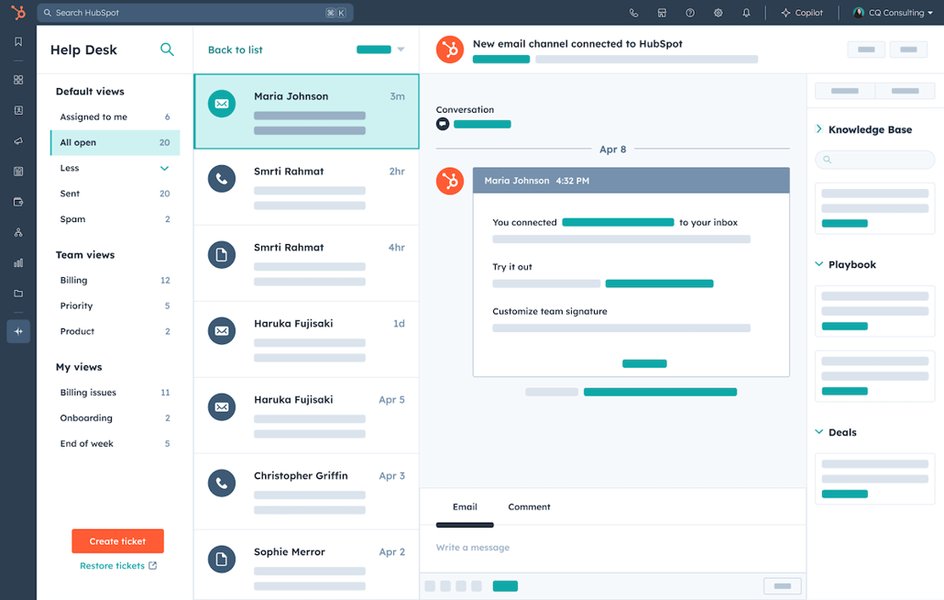
A visual representation of an organized help desk workspace, emphasizing the focus on digital tools and communication.
Direct Customer Interaction and Support
A significant part of the role involves direct interaction with users. This requires exceptional communication skills to effectively understand the user's problem, which may not always be articulated clearly, and to explain solutions in an understandable, non-technical manner. Help desk professionals provide step-by-step guidance to resolve issues, whether it's troubleshooting a software error, assisting with system configurations, or offering advice on using specific applications. They document all interactions and resolutions for future reference and to contribute to a shared knowledge base, which aids in improving problem-solving techniques and efficiency.
Documentation, Training, and System Maintenance
Beyond reactive support, help desk roles often include proactive tasks. This involves creating and updating documentation, such as user manuals, FAQs, and knowledge base articles, to empower users to resolve common issues independently. They may also contribute to or conduct training sessions to enhance user competency with various IT tools and systems. Additionally, depending on the role's scope, responsibilities can extend to maintaining and monitoring IT resources, systems, and networks to ensure optimal functionality, including tracking software and hardware inventory and assisting with installations or updates.
Essential Skills for Help Desk Success
Excelling in a help desk environment requires a robust combination of technical and interpersonal skills. These competencies enable professionals to effectively diagnose problems, communicate solutions, and maintain a positive user experience.
Technical Proficiency
A strong foundation in IT fundamentals is paramount. This includes the ability to troubleshoot and diagnose a wide range of hardware and software issues. Key areas of technical knowledge often include:
- Familiarity with various operating systems (Windows, macOS, Linux).
- Proficiency with common business software suites (e.g., Microsoft 365, Google Workspace).
- Understanding of network fundamentals (TCP/IP, Wi-Fi, basic connectivity).
- Experience with remote desktop support tools and ticketing systems.
- Basic cybersecurity practices and awareness.
- Ability to install programs, assemble computers, and manage peripherals.
- Knowledge of Domain Name Systems (DNS) and Command-Line Interface (CLI).
Indispensable Soft Skills
While technical skills are essential, soft skills are equally, if not more, critical for success in a customer-facing role. These include:
- Communication Skills: Excellent verbal and written communication is crucial for understanding user problems and explaining complex technical solutions clearly and patiently to non-technical individuals.
- Customer Service Orientation: A patient, empathetic, and positive attitude is vital for providing high-quality customer service, fostering trust, and maintaining user satisfaction, even in challenging situations.
- Problem-Solving and Analytical Thinking: The ability to swiftly and effectively diagnose technical issues, pinpoint root causes, and implement efficient solutions is central to the role.
- Time Management and Organizational Skills: Managing multiple incoming requests, prioritizing issues based on urgency and impact, and maintaining detailed records of interactions and resolutions are essential for efficiency.
- Teamwork and Collaboration: Working effectively with other IT staff, escalating issues to higher tiers, and contributing to a collaborative knowledge-sharing environment are key aspects of the role.
- Adaptability and Continuous Learning: The IT landscape is constantly evolving, requiring help desk professionals to stay updated with new technologies, software updates, and best practices.
To provide a structured overview of the skills required, here's a radar chart comparing different aspects of a help desk professional's skill set. This visualization helps highlight the balance needed between technical expertise and crucial soft skills.
The Help Desk Work Environment and Career Progression
The environment of a help desk can range from a fast-paced, high-volume call center to a more structured corporate IT department. It's often a collaborative setting where teamwork is essential.
Typical Work Setting
Help desk roles are dynamic and can be demanding. Technicians might spend most of their time at a desk, responding to electronic queries, or they could engage in on-site support visits. The nature of the work often means dealing with a variety of technical issues, some routine and others requiring adaptability and resilience to solve complex, unexpected problems. It's a continuous learning environment where staying updated with evolving technologies and software is an ongoing requirement.
The video below provides a realistic glimpse into what a first day in an IT Help Desk role might entail, offering practical insights into the daily tasks and expectations for new professionals in this field.
This video, "Your First Day in IT Help Desk - What to Expect," offers a practical walkthrough of the initial experiences and daily routines faced by new help desk professionals. It provides valuable context on the hands-on nature of the job, including common tasks and the typical workflow encountered on day one, serving as an excellent resource for aspiring technicians.
Career Advancement and Growth Paths
Working in a help desk environment is often viewed as a foundational entry point into the broader IT industry. It provides invaluable hands-on experience in troubleshooting, customer service, and understanding diverse technologies. Entry-level help desk jobs can be secured even without extensive prior IT experience, especially if candidates possess relevant computer certifications like CompTIA A+ or demonstrate strong foundational technical knowledge and soft skills.
Experience gained in a help desk role can lead to various specialized IT career paths, such as:
- Desktop Support Engineer
- System Administrator
- Network Administrator
- Cybersecurity Analyst
- Cloud Technologies Specialist
- IT Project Manager
As professionals advance, they often take on more complex troubleshooting, mentor junior staff, and handle escalated issues, demonstrating a willingness to learn and expand their skill sets. This makes the help desk a crucial stepping stone for a long-term career in information technology.
Mindmap of Help Desk Roles and Growth
This mindmap visually illustrates the interconnectedness of various aspects within the help desk environment, from core responsibilities and essential skills to potential career progression paths. It provides a quick reference for understanding the multifaceted nature of this vital IT role.
• Prioritization
• Logging
• Tracking"] id1_2["Technical Troubleshooting
• Hardware
• Software
• Network"] id1_3["User Support
• Phone, Email, Chat
• Step-by-step guidance"] id1_4["Escalation
• Tier 2/3 Support
• Specialized Teams"] id1_5["Documentation
• Knowledge Base
• User Manuals"] id2["Essential Skills"] id2_1["Technical Acumen
• OS (Windows, macOS)
• Software Suites
• Networking Basics"] id2_2["Communication
• Verbal & Written
• Clarity
• Patience"] id2_3["Problem-Solving
• Analytical Thinking
• Root Cause Analysis"] id2_4["Customer Service
• Empathy
• Positive Attitude
• SLA Management"] id2_5["Organizational Skills
• Time Management
• Record Keeping"] id3["Career Progression"] id3_1["Entry Point to IT
• Foundational Experience"] id3_2["Advancement Paths
• Desktop Support
• System Admin
• Cybersecurity"] id3_3["Continuous Learning
• Certifications (CompTIA A+)
• New Technologies"] id3_4["Mentorship
• Guiding Junior Staff"]
Comparing Roles and Responsibilities
The table below provides a concise comparison of the key responsibilities, skills, and outcomes associated with different aspects of a help desk role. This helps to consolidate the various duties and expectations into a clear, comparative format.
| Aspect | Core Responsibilities | Key Skills Utilized | Typical Outcomes/Achievements |
|---|---|---|---|
| Customer Interaction | Responding to technical inquiries via phone, email, chat; providing direct support. | Communication (verbal/written), active listening, empathy, patience, customer service. | Enhanced user satisfaction, clear problem understanding, effective solution delivery. |
| Technical Troubleshooting | Diagnosing and resolving hardware, software, network, and mobile device issues. | Technical proficiency (OS, software, networking), analytical thinking, problem-solving. | Timely issue resolution, reduced downtime, stable IT systems. |
| Ticket Management | Logging, prioritizing, tracking, and escalating help desk requests using ticketing systems. | Organizational skills, time management, attention to detail, adherence to SLAs. | Efficient workflow, accurate record-keeping, effective issue routing. |
| Documentation & Training | Creating and updating knowledge base articles, user manuals, and training materials. | Writing skills, instructional design, proactive problem identification. | Reduced recurring issues, user self-sufficiency, improved team efficiency. |
| System Maintenance | Monitoring IT resources, managing software/hardware inventory, basic security practices. | IT fundamentals, attention to detail, proactive maintenance mindset. | Optimal system functionality, compliance with security protocols. |
Frequently Asked Questions About Help Desk Roles
What is the primary function of a help desk?
What soft skills are most important for a help desk technician?
Can I get a help desk job without prior IT experience?
What kind of career progression can I expect from a help desk role?
How does a help desk utilize ticketing systems?
Conclusion
Working in a help desk environment is a crucial and dynamic aspect of the IT industry. It demands a balanced fusion of technical expertise to diagnose and resolve complex issues, coupled with exceptional interpersonal skills to communicate effectively and provide empathetic customer service. From managing diverse technical inquiries and maintaining detailed documentation to fostering a collaborative work environment, help desk professionals are indispensable to an organization's operational efficiency. This role not only provides a comprehensive understanding of various IT systems but also serves as an excellent launchpad for individuals aspiring to grow into more specialized and advanced IT careers. The continuous learning, problem-solving, and direct user interaction inherent in the help desk experience equip professionals with a robust skill set, making it a rewarding and essential career path within the ever-evolving world of technology.
Recommended Further Exploration
- What is the difference between help desk and service desk?
- Essential certifications for entry-level IT support roles
- How to transition from help desk to network administration?
- Best practices for customer service in IT support