
Hemorrhoid Microsurgery Explained
A Comprehensive Guide to Minimally Invasive Hemorrhoid Procedures
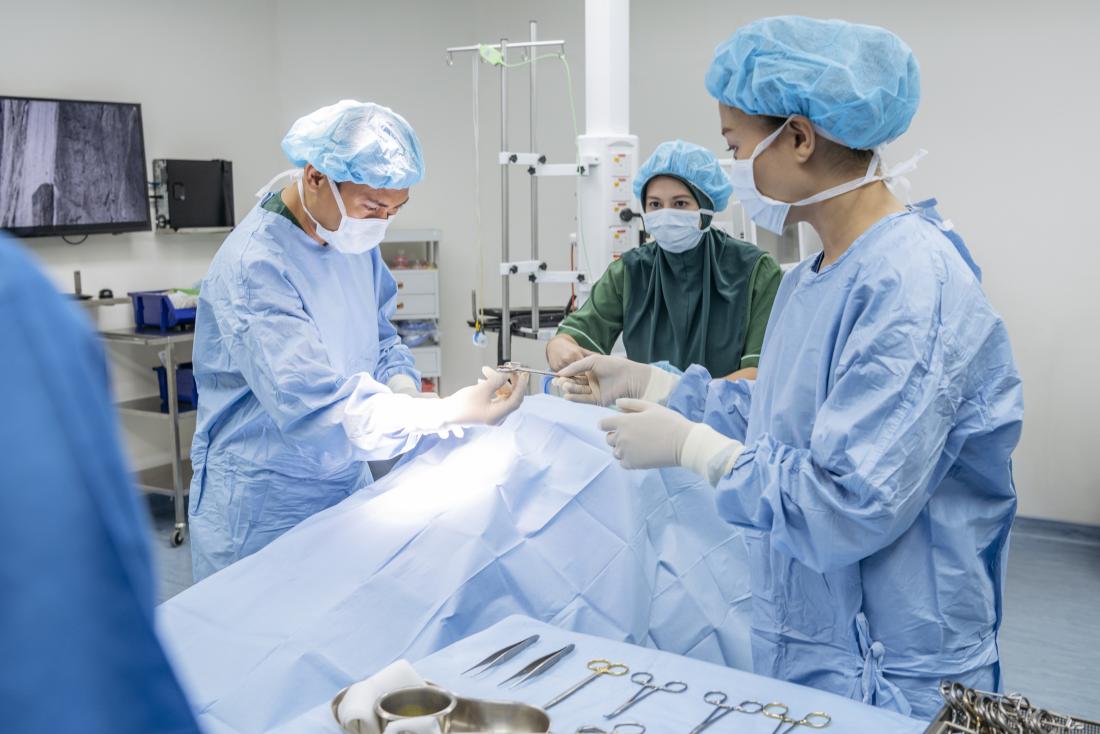
Highlights
- Minimally Invasive Techniques: Various procedures target hemorrhoids by cutting off their blood supply, reducing pain and speeding recovery.
- Procedure Options: Options include traditional excision, laser-assisted approaches, artery ligation techniques, stapled hemorrhoidopexy, and non-surgical banding/sclerotherapy.
- Recovery and Considerations: Post-operative care, recovery times, and individual suitability are key factors in deciding the appropriate treatment.
Understanding Hemorrhoid Microsurgery
Hemorrhoid microsurgery is a surgically oriented set of procedures that focus on treating hemorrhoids—the swollen, inflamed veins near the anus that can cause discomfort, pain, and sometimes significant bleeding. Unlike traditional approaches that may involve large incisions or removal, microsurgical techniques harness precision technology to either excise or reduce the blood supply to the problematic tissue in a minimally invasive manner.
These procedures generally aim to minimize postoperative complications and improve recovery times while providing effective symptom relief. Depending on the type, hemorrhoid microsurgery can be performed under general anesthesia or sometimes local anesthesia, using advanced tools such as lasers, ultrasound guidance, or specialized instrumentation.
Procedure Types and Techniques
Traditional Hemorrhoidectomy
Traditional hemorrhoidectomy remains one of the most common and definitive treatments for severe or persistent hemorrhoids. This surgical approach involves excising the hemorrhoidal tissue using scalpel, scissors, or electrocautery. While effective, it is traditionally associated with a longer recovery period and more postoperative pain relative to other minimally invasive methods.
Minimally Invasive Techniques in Microsurgery
Hemorrhoid microsurgery encompasses several modern, minimally invasive techniques that take advantage of enhanced precision and smaller incisions. These approaches include:
Laser-Assisted Treatments
Laser-assisted hemorrhoid treatments use focused laser energy to cause shrinkage of the hemorrhoidal tissue. This method limits damage to surrounding tissues and often results in less pain and quicker recovery. The concentrated energy effectively seals off blood vessels within the hemorrhoids, reducing bleeding and shrinkage of the tissue.
Hemorrhoidal Artery Ligation (HAL) and Transanal Hemorrhoidal Dearterialization (THD)
One highly effective microsurgical approach involves the ligation of the arteries feeding the hemorrhoids. Using a combination of Doppler ultrasound technology and specialized instruments, the surgeon identifies these arteries and either ties them off or cuts them, leading to reduced blood flow. In particular, the HAL-RAR technique incorporates a miniature Doppler sensor to precisely locate the arteries, which helps in minimizing the extent of tissue damage while ensuring the sustained reduction of hemorrhoid size.
Stapled Hemorrhoidopexy
Stapled hemorrhoidopexy (sometimes known as Longo's procedure) is another option for treating hemorrhoids, particularly external ones. In this procedure, a circular stapling device is used to excise a ring of prolapsed mucosa, effectively resuspending the hemorrhoidal tissue within the anal canal. This method has been shown to have less postoperative pain and a shorter hospital stay; however, some studies suggest a potentially higher risk of prolapse requiring future interventions.
Rubber Band Ligation and Sclerotherapy
For smaller internal hemorrhoids, nonsurgical methods like rubber band ligation and sclerotherapy may also be classified under microsurgical techniques when used with precision instruments. Rubber band ligation involves placing a tight band at the base of the hemorrhoid to cut off blood supply, causing it to shrink and eventually slough off. Sclerotherapy entails the injection of a chemical agent that irritates and ultimately shrinks the hemorrhoidal tissue. Both are typically performed in an outpatient setting and offer the advantage of reduced recovery times.
Advancements in Hemorrhoid Microsurgery
The evolution of hemorrhoid microsurgery has largely been driven by advances in medical imaging, precision instruments, and surgical techniques. Newer procedures, like the use of microcoils for haemorrhoid embolisation, are emerging as effective alternatives for patients with significant bleeding. In such procedures, a catheter is inserted to the radial artery and navigated to the specific arteries supplying the hemorrhoids. Microcoils or particles are then deployed to block the blood flow, causing the hemorrhoids to shrink gradually.
While many of these innovations remain under ongoing study to ascertain long-term outcomes, early results suggest that these minimally invasive methods provide significant advantages in terms of lower postoperative pain, shorter recovery period, and overall patient satisfaction. Nonetheless, not every treatment option is suitable for every patient, and these procedures are typically prescribed after a thorough evaluation by a specialist.
Recovery, Post-Operative Care, and Patient Considerations
Recovery Time and Pain Management
One of the most critical aspects of hemorrhoid microsurgery is the recovery process. Minimally invasive techniques often result in a faster recovery compared to conventional hemorrhoidectomy. Typically, patients experience the greatest level of discomfort during the first 24 hours after surgery, but pain levels tend to decrease significantly within 2-4 weeks. In most cases, patients are able to return to daily activities within a few days to a week, though full recovery might be achieved over a period of 2 to 8 weeks.
Pain management strategies include the use of prescribed analgesics, sitz baths to soothe the affected area, maintaining proper hydration, and consuming a high-fiber diet to prevent constipation. Following the advice of medical professionals is essential during this phase to reduce the risk of complications such as infection or prolonged pain.
Post-Operative Care
Attention to post-operative care can markedly influence the overall success of the procedure. Patients are advised to:
- Take medications as prescribed, particularly pain relievers and stool softeners.
- Maintain excellent hygiene practices, such as regular sitz baths and gentle cleaning of the affected area.
- Ensure a balanced diet high in fiber to promote smooth bowel movements and reduce straining.
- Gradually resume physical activities, avoiding strenuous exercise until cleared by a doctor.
- Monitor for potential complications like excessive bleeding, infection, or difficulty urinating, and seek prompt medical attention if they occur.
In some instances, patients using anticoagulant medications require special consideration, as certain surgical options—such as rubber band ligation—may increase bleeding risk.
Comparative Analysis of Hemorrhoid Microsurgery Options
Comparing the various surgical options available for hemorrhoid treatment can help patients and healthcare providers determine the most appropriate procedure based on individual needs. Below is a comprehensive table summarizing key aspects of the major minimally invasive techniques:
| Procedure | Method | Benefits | Considerations |
|---|---|---|---|
| Traditional Hemorrhoidectomy | Excision of hemorrhoidal tissue via scalpel or electrocautery. | Definitive removal of hemorrhoids. | Longer recovery time; higher postoperative pain. |
| Laser-Assisted Procedures | Utilizes laser energy to shrink hemorrhoidal tissue. | Less damage to surrounding tissue; reduced pain. | Availability of specialized equipment may vary. |
| HAL/THD | Doppler-guided ligation of arteries supplying the hemorrhoids. | Minimally invasive; faster recovery. | May not be suitable for larger hemorrhoids. |
| Stapled Hemorrhoidopexy | Stapling device used to reposition hemorrhoids while excising excess tissue. | Shorter hospital stays; less postoperative pain. | Risk of recurrence or prolapse in some cases. |
| Rubber Band Ligation & Sclerotherapy | Banding or chemical injections to block blood flow to small hemorrhoids. | Efficient for early-stage or internal hemorrhoids; office procedures. | Multiple sessions might be needed; not for patients on blood thinners. |
| Haemorrhoid Embolisation | Catheter-based delivery of microcoils or particles to block feeding arteries. | Minimally invasive; often suitable for patients with bleeding. | Newer method; long-term efficacy under study. |
Factors Influencing Procedure Choice
Severity and Grade of Hemorrhoids
The grade and severity of the hemorrhoids critically determine the selection of a suitable treatment option. In cases of Grade III or IV hemorrhoids, where the prolapse is significant and discomfort is marked, conventional methods such as surgical excision or stapled hemorrhoidopexy may be more reliable, given their definitive nature. Meanwhile, for mild to moderate cases, minimally invasive approaches like laser treatment, artery ligation, or office-based procedures (e.g., rubber band ligation) can be highly effective.
Patient’s Overall Health and Preferences
Individuals considering hemorrhoid microsurgery must also account for their overall health, lifestyle, and any coexisting conditions. For patients prone to complications or those taking anticoagulant medication, less invasive procedures with lower bleeding risks are generally recommended. Furthermore, a detailed consultation with a surgeon helps in understanding the potential risks, expected outcomes, and aligning the choice of procedure with the patient’s expectations and lifestyle requirements.
Post-Surgical Considerations
Post-surgical monitoring and follow-up care are integral to ensuring a smooth recovery. Surgeons often schedule follow-up appointments to monitor the healing process and address any early signs of complications. Adherence to dietary recommendations—such as increasing fiber intake—and proper wound care significantly contribute to successful outcomes. Regular communication with the healthcare team can help alleviate any concerns during the recovery period.
Technological Innovations and Future Directions
The field of hemorrhoid microsurgery continues to evolve with rapid advances in medical technology. Innovations such as enhanced Doppler-guided ligation and real-time imaging are providing surgeons with unprecedented precision, ensuring that only the targeted blood vessels are affected during the procedure. Furthermore, research into novel embolisation techniques and microinvasive tools is opening up new frontiers in the management of hemorrhoids. The promise of reduced complication rates and even more rapid recovery has made these advanced modalities an increasingly attractive option in the realm of proctological surgery.
As more clinical data is accumulated over time, the long-term efficacy of these minimally invasive methods will be better understood, potentially solidifying their position in the standard treatment protocols for hemorrhoids.
Key Considerations for Patients Considering Hemorrhoid Microsurgery
If you are evaluating treatment options for hemorrhoids, consider the following key points:
- Discuss in detail with your surgeon to understand the specifics of the procedure that is likely to be most beneficial, based on your condition.
- Ensure that you have complete information about the recovery process, postoperative care, and potential complications.
- Inquire about how your overall health and any medications you are taking might influence the surgical strategy chosen.
- Compare the benefits and drawbacks of minimally invasive techniques versus more traditional surgeries in terms of recovery time, pain management, and recurrence risks.
References
- Haemorrhoid Treatment - The Microsurgery - The Microsurgery
- Minimally Invasive Procedures for Hemorrhoids - Maher A. Abbas, MD - Dr. Maher Abbas
- Hemorrhoidectomy: Types of Surgeries To Remove Hemorrhoids - WebMD
-
Hemorrhoid Surgery: Recovery & Complications - Cleveland Clinic
- Hemorrhoid Surgery: Types, Aftercare, and More - Healthline
Recommended Related Queries
Last updated March 15, 2025