
Hemorrhoid Microsurgery: Minimally Invasive Approaches
Explore modern techniques for safer, less painful hemorrhoid treatment
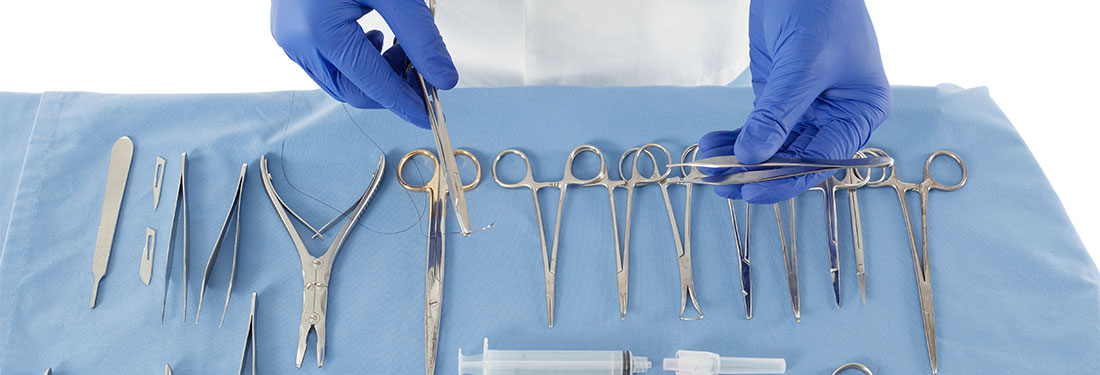
Key Highlights
- Minimally Invasive Techniques: Procedures reduce pain and recovery time.
- Diverse Treatment Options: Options include rubber band ligation, laser treatments, THD, sclerotherapy, and more.
- Patient-Centered Considerations: Proper evaluation and postoperative care are critical.
Overview of Hemorrhoid Microsurgery
Hemorrhoid microsurgery refers to a group of minimally invasive procedures developed to treat hemorrhoids — swollen veins in the rectal and anal regions. These procedures particularly benefit patients who seek rapid recovery and reduced postoperative discomfort compared to traditional hemorrhoidectomy approaches. With advances in technology and surgical techniques, several options are now available for managing hemorrhoids, each tailored to the severity of the condition and the patient's medical history.
What Are Hemorrhoids?
Hemorrhoids are engorged blood vessels located in the anal canal. Depending on their location, they are classified as internal or external. The condition can cause symptoms such as bleeding, pain, itching, and prolapse. While lifestyle modifications like a high-fiber diet are often recommended to alleviate the symptoms, minimally invasive procedures become necessary for advanced or persistent cases.
Minimally Invasive Techniques
Advances in modern medicine have led to several minimally invasive procedures designed to treat hemorrhoids efficiently while ensuring minimal discomfort. The procedures reviewed here capitalize on techniques that either reduce the blood supply to the hemorrhoid, shrink its size through controlled energy delivery, or induce fibrosis to secure the tissue.
Common Minimally Invasive Procedures
Rubber Band Ligation
Rubber band ligation is one of the most popular minimally invasive treatments. In this procedure, a small rubber band is placed around the base of an internal hemorrhoid. The band cuts off the blood supply, leading the hemorrhoid to wither and eventually fall off. This procedure is generally performed in an outpatient setting with minimal recovery time.
Sclerotherapy
Sclerotherapy involves injecting a chemical solution directly into the hemorrhoid. The solution causes the vein to collapse, which results in the shrinkage of the hemorrhoid. This treatment is particularly useful for smaller or less advanced hemorrhoids but might require multiple sessions due to higher recurrence rates in some cases.
Laser Hemorrhoidoplasty
Laser hemorrhoidoplasty uses a focused laser beam to coagulate the blood vessels supplying the hemorrhoid tissue. By effectively reducing blood flow with precision, the procedure minimizes damage to surrounding tissues and results in less tissue trauma and pain as compared to traditional surgery.
Transanal Hemorrhoidal Dearterialization (THD)
Also known as Hemorrhoidal Artery Ligation (HAL), THD is a technique where an ultrasound device is used to locate the arterial blood flow that's feeding the hemorrhoids. The surgeon then places sutures to ligate these arteries, reducing blood flow and causing the hemorrhoids to shrink. Designed for Grades 2 and 3 hemorrhoids, THD is performed under local anesthesia and allows patients to return home the same day.
Hemorrhoid Embolization (Micro Surgery)
A relatively innovative approach, hemorrhoid embolization deploys microcoils using a catheter inserted via a small puncture in the wrist. The coils block the hemorrhoids' blood supply, leading to a reduction in size. This technique is particularly useful when conservative treatments or other minimally invasive methods have been unsuccessful.
Comparative Table of Procedures
The table below provides a comprehensive comparison of the key minimally invasive hemorrhoid treatments, highlighting their mechanisms, advantages, and limitations.
| Procedure | Mechanism | Advantages | Limitations |
|---|---|---|---|
| Rubber Band Ligation | Applies a rubber band to cut off blood supply | Quick, outpatient procedure; minimal pain | May require multiple sessions; not ideal for patients on blood thinners |
| Sclerotherapy | Injection of a sclerosant to collapse vessels | Effective for smaller hemorrhoids; office-based | Potential need for repeated treatments; slightly higher recurrence |
| Laser Hemorrhoidoplasty | Laser coagulation to shrink hemorrhoidal tissue | Precision treatment; reduced tissue injury and postoperative pain | Availability of technology; possibly higher cost |
| Transanal Hemorrhoidal Dearterialization (THD) | Ligation of feeding arteries using ultrasound guidance | Less postoperative pain; can treat Grades 2-3 hemorrhoids | Less effective for very advanced (Grade 4) cases |
| Hemorrhoid Embolization | Catheter-based delivery of microcoils to block blood flow | Minimally invasive; alternative for refractory cases | Relatively new; long-term efficacy still under review |
Patient Considerations and Postoperative Care
Patient selection is critical for the success of any minimally invasive hemorrhoid procedure. Candidates typically include individuals who suffer significant symptoms — bleeding, pain, or prolapse — that have not responded adequately to conservative management strategies like dietary modification or topical treatments.
Evaluating the Severity
Before proceeding with surgery, a thorough evaluation by a colorectal specialist is essential. The grading of hemorrhoids (from Grade 1 to Grade 4) plays a crucial role in determining the appropriate surgical intervention. For example, rubber band ligation and sclerotherapy are best suited for early-stage (Grades 1 and 2) hemorrhoids, whereas more advanced cases (Grade 3) might benefit from THD or laser treatments.
Postoperative Recovery
One of the major advantages of minimally invasive hemorrhoid treatments is the rapid postoperative recovery. Most procedures are performed on an outpatient basis, meaning that patients can generally return home on the same day. Postoperative care might include:
- High-fiber diet to prevent constipation
- Staying hydrated
- Avoiding prolonged sitting or heavy lifting
- Following specific medical advice for sitz baths or topical treatments
Compliance with these recommendations can significantly reduce the risk of recurrence and promote effective healing. Additionally, patients are usually advised to follow up with their healthcare provider to ensure that no complications arise, and to manage or adjust treatment if necessary.
Clinical Experience and Surgeon's Expertise
The technical success and overall outcomes of minimally invasive hemorrhoid treatments depend highly on the expertise of the surgeon performing the procedure. Well-trained surgeons use advanced tools and imaging technologies, such as ultrasound guidance in THD, ensuring accurate targeting of the affected tissues. Consequently, these factors help in reducing intraoperative complications and improving the overall patient experience.
Training and Experience
Given the relative novelty of some techniques, such as hemorrhoid embolization, choosing a surgeon with specialized training in the latest minimally invasive procedures is paramount. Patients are advised to seek care in institutions with established colorectal departments and to gather detailed preoperative consultations to understand the benefits and any potential complications that might arise from these procedures.
Further Considerations and Innovations
Ongoing innovations in the field continue to improve the effectiveness and safety of minimally invasive hemorrhoid treatments. Research into newer modalities and refinement of current techniques aims to further reduce recurrence rates and address the challenges encountered in treating more advanced stages of hemorrhoids. These advancements not only increase patient satisfaction but also potentially lower the overall economic burden by reducing the need for extended hospital stays and repeat procedures.
References
- What Is the Most Minimally Invasive Hemorrhoid Surgery? - Adler MicroMed
- Hemorrhoid Surgery: Types, Aftercare, and More - Healthline
- Minimally Invasive Procedures for Hemorrhoids - Maher A. Abbas, MD
- Types of Surgeries To Treat Hemorrhoids - WebMD
- Gentle Relief: What to Expect from Minimally Invasive Hemorrhoid Surgery - Gregg Shore MD
Recommended Queries for Deeper Insights
Last updated March 15, 2025