
Hemp Leaf in Animal Feed: A Comprehensive Exploration of Potential and Challenges
Unpacking the Nutritional, Health, and Regulatory Landscape of Hemp as Livestock Forage
Key Insights into Hemp Leaf as Animal Feed
- Nutritional Powerhouse: Hemp leaves, along with other parts of the plant like seeds and spent biomass, offer a rich profile of protein, healthy fats (omega-3 and omega-6), fiber, vitamins, and minerals, making them a promising alternative to traditional feedstuffs like alfalfa and soybean meal.
- Potential Health Benefits for Livestock: Early research indicates that feeding industrial hemp to livestock may offer advantages such as improved digestive health, stress reduction, and potential enhancements in meat quality, although more extensive studies are needed to fully confirm these effects.
- Navigating Regulatory Hurdles: Despite its numerous potential benefits, the use of hemp and its byproducts in animal feed faces significant regulatory challenges, primarily due to concerns about the transfer of cannabinoids, especially THC, into animal products (meat, milk, eggs) destined for human consumption. Federal approval is still pending in the United States.
The increasing global demand for sustainable and nutritious animal feed has brought industrial hemp (Cannabis sativa L.) into the spotlight. Traditionally recognized for its fibers and seeds, the entire hemp plant, including its leaves and post-extraction biomass, is now being rigorously investigated for its potential in livestock nutrition. This comprehensive review delves into the multifaceted aspects of incorporating hemp leaf and other hemp byproducts into animal diets, examining their nutritional value, potential health benefits, and the significant regulatory hurdles that must be overcome for widespread adoption.
Hemp's Rich Nutritional Profile for Livestock
A Sustainable Alternative to Conventional Feed Sources
Hemp, particularly its seeds, leaves, and spent biomass, presents a compelling nutritional profile that could revolutionize animal feed. Research highlights its abundance in essential macronutrients and micronutrients, positioning it as a viable substitute for expensive and often unsustainable traditional feed ingredients such as soybean meal and canola meal.
Protein and Amino Acid Richness
Hemp seeds and hempseed cake are excellent sources of protein, often containing between 20-27% dry matter (DM) crude protein in seeds and 29-35% DM in oil meal. This protein content is comparable to, and in some cases, even superior to alfalfa. More importantly, hemp provides a complete protein profile, containing all essential amino acids, which is crucial for animal growth and development across various species, including cattle, sheep, and poultry.
Healthy Fats and Omega Balance
The oil extracted from hemp seeds is particularly rich in essential fatty acids, notably linoleic acid (Omega-6) and linolenic acid (Omega-3), with a favorable omega-6 to omega-3 ratio. These fatty acids are vital for overall animal health, supporting immune function, skin health, and reproductive performance. Studies have shown that incorporating hemp seeds into the diet of laying hens can significantly improve the omega-6/omega-3 ratio in egg yolks, offering potential benefits for human consumers of these animal products.
Fiber, Vitamins, and Minerals
Hemp biomass, especially spent hemp biomass (the leftover material after cannabinoid extraction), is noted for its high fiber content. This can contribute significantly to digestive health in animals, helping to prevent disorders like colic and diarrhea. Beyond macronutrients, hemp also offers a broad spectrum of vitamins (including B vitamins) and essential minerals like iron and calcium, further enhancing its nutritional appeal.
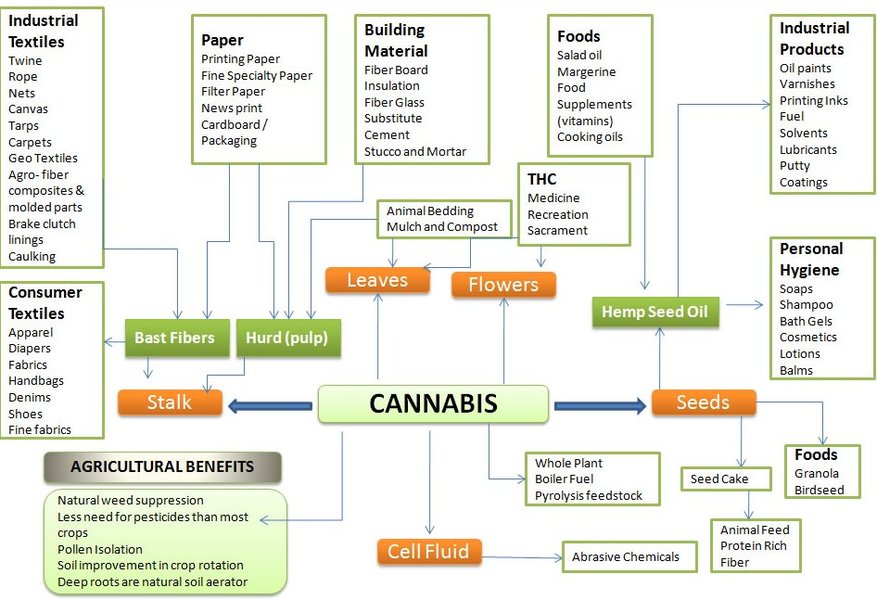
Hemp cultivation offers a sustainable agricultural pathway with diverse applications.
Promising Health Benefits and Performance Impacts
Beyond Nutrition: Exploring the Broader Advantages
Beyond its nutritional composition, early research suggests that industrial hemp may offer several health and performance benefits for livestock, extending from improved well-being to enhanced product quality. These findings, while preliminary, point towards a promising future for hemp in animal agriculture.
Stress Reduction and Behavioral Changes
One notable observation from studies involving cattle fed industrial hemp is a reduction in stress levels. Cattle fed hemp have been observed to lie down more, which aids in rumination and saliva production—both indicators of comfort and digestive well-being. This calming effect is likely attributed to the minor cannabinoid content in hemp, which, despite being low in psychoactive THC, may interact with the animals' endocannabinoid systems.
Kansas State University researchers discuss the benefits of industrial hemp in cattle feed, highlighting its potential to reduce stress.
Digestive Health and Nutrient Utilization
The high fiber content in hemp contributes to better gut motility and overall digestive health. Furthermore, studies on ruminant animals like cattle and sheep indicate that they can efficiently digest hemp's high-cellulose plant material. This breakdown in the rumen converts hemp into various nutrients, highlighting its potential as an easily digestible feedstuff. For monogastric animals like broilers, including hemp seed cake has shown improvements in the lipid stability of breast muscle.
Impact on Meat and Milk Quality
While the primary focus remains on safety and regulatory approval, some studies are exploring the effects of hemp on the quality of animal products. For instance, preliminary research in goats has shown that fresh hemp leaf supplementation can maintain blood metabolites and have minor advantageous effects on meat quality in response to transportation stress. However, concerns persist regarding the transfer of cannabinoids into milk and meat, necessitating further research to ensure consumer safety.
The Complex Regulatory Landscape
Navigating Approval and Addressing Concerns
Despite the promising nutritional and health benefits, the widespread adoption of hemp in animal feed is currently constrained by significant regulatory hurdles. The primary concerns revolve around the presence and transference of cannabinoids, particularly tetrahydrocannabinol (THC), into the food chain.
Current Regulatory Status in the U.S.
In the United States, while industrial hemp production is legal under the 2018 Farm Bill (defined as cannabis with less than 0.3% THC), its use as an animal feed ingredient has not yet received federal approval from the Food and Drug Administration (FDA). The United States Department of Agriculture (USDA) currently prohibits meat products processed from animals fed hemp. Organizations like the Hemp Feed Coalition (HFC) are actively working to gain federal approval by conducting clinical feed trials and nutritional analyses to prove the safety and efficacy of hemp and its byproducts.
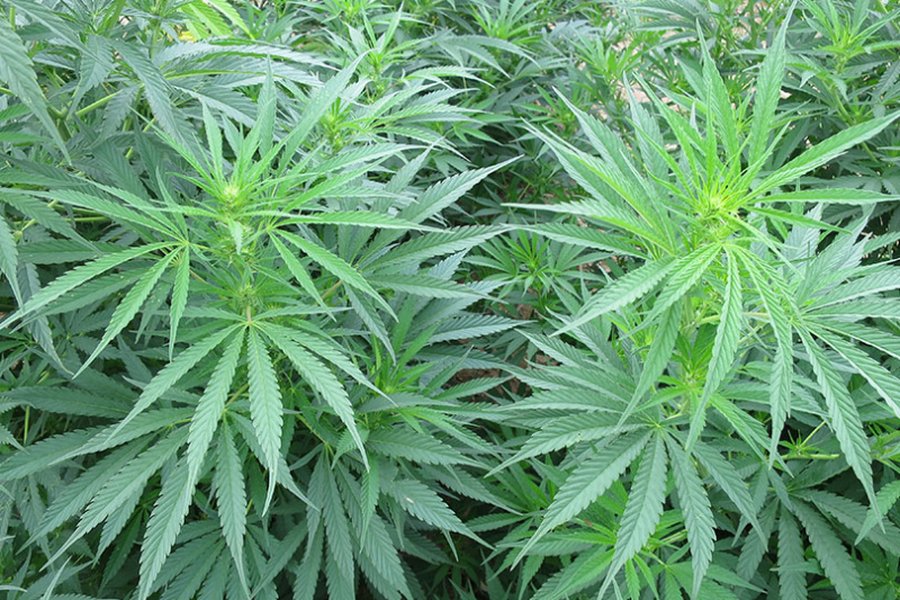
Ongoing research is crucial to establish the safety and benefits of hemp as animal feed.
Cannabinoid Transfer and Consumer Safety
A major area of concern is the potential for cannabinoids to transfer into animal products like milk, meat, and eggs. Studies have shown that when cows consume cannabinoid-rich hemp silage (made from leaves, flowers, and seeds), detectable amounts of Δ9-THC and other cannabinoids can appear in their milk. This raises questions about potential health implications for human consumers, especially children. Regulatory bodies and agricultural organizations are cautious, emphasizing the need for robust scientific research to fully understand the long-term effects of cannabinoid exposure on animals and the extent of transfer into the human food supply.
International Perspectives
In contrast to the U.S., some European countries and Canada have already embraced hemp cultivation for various purposes, including animal feed. The European Food Safety Authority (EFSA), for example, allows the use of hemp seed, hemp expeller, hemp oil, hemp flour, and hemp fiber in the feed of different animal species. This international precedent provides a framework for future regulatory developments in other regions.
Economic and Environmental Implications
Sustainability and Cost-Effectiveness
Beyond nutrition and regulation, the integration of hemp into animal feed systems holds significant economic and environmental promise, aligning with principles of a circular economy and offering new revenue streams for farmers.
Reducing Waste and Promoting Sustainability
Hemp processing, particularly for CBD extraction, generates a substantial amount of spent hemp biomass—a byproduct that often has little market value and becomes a waste management challenge. Utilizing this biomass as animal feed promotes sustainability by reducing agricultural waste and creating a closed-loop system. This approach transforms a nuisance into a valuable resource, potentially minimizing the environmental footprint of both the hemp and livestock industries.
Cost Reduction and Market Potential
For livestock producers, spent hemp biomass can be an inexpensive source of nutritional value. Sourcing this byproduct locally can also minimize transportation costs, leading to a reduction in overall feed expenses. The animal feed market is a multi-billion dollar industry, and the approval of hemp as a feed ingredient could unlock a significant new market for hemp producers, offering an additional source of income and diversifying agricultural revenue streams.
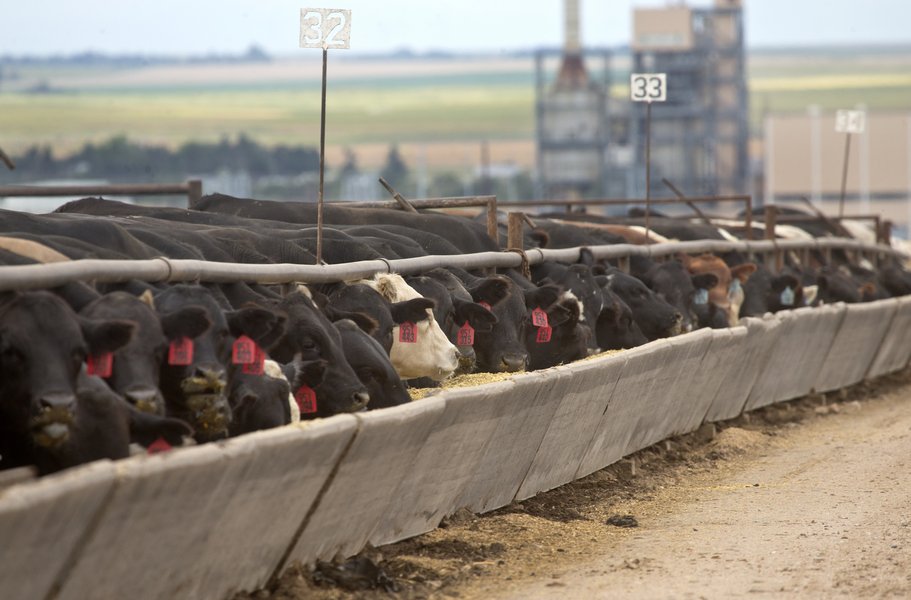
Researchers are studying the practical application of hemp feed in cattle operations.
Comparative Nutritional Analysis: Hemp vs. Traditional Feeds
A Closer Look at the Dietary Value
To better understand the potential of hemp as animal feed, it's useful to compare its nutritional components with commonly used feedstuffs. This table highlights key nutritional aspects across different types of feed, demonstrating where hemp excels and where further research might be beneficial.
| Nutrient Category | Hemp (Leaves, Seeds, Biomass) | Alfalfa (Hay/Meal) | Soybean Meal |
|---|---|---|---|
| Crude Protein | High (20-35% DM, complete amino acid profile) | High (15-22% DM) | Very High (44-48% DM) |
| Fat Content (Omega-3 & Omega-6) | High (Hemp oil is rich, balanced ratio) | Low | Moderate |
| Fiber Content | High (Especially in biomass and stalk) | High | Moderate |
| Vitamins & Minerals | Good profile (B vitamins, Iron, Calcium) | Good profile (Vitamin K, Calcium, Phosphorus) | Good profile (B vitamins, Phosphorus) |
| Cannabinoids (THC, CBD) | Trace to Low (Varies by plant part & processing) | None | None |
| Digestibility (Ruminants) | Good, comparable to alfalfa | Good | Very Good |
Assessing the Overall Impact of Hemp in Animal Diets
A Radar Chart Perspective on Benefits and Challenges
This radar chart illustrates the perceived strengths and challenges of integrating hemp into animal feed, based on current research and industry discussions. It provides a visual summary of how hemp measures up across various critical factors.
Frequently Asked Questions About Hemp in Animal Feed
What parts of the hemp plant can be used for animal feed?
Does feeding hemp make animals "high"?
Is hemp approved as animal feed in the United States?
How does hemp compare nutritionally to traditional feedstuffs like alfalfa?
Recommended Further Exploration
- What is the regulatory pathway for hemp animal feed approval in the U.S.?
- How do cannabinoids transfer into milk and meat from hemp-fed animals?
- What is the economic impact of integrating hemp into the livestock industry?
- Explore the broader sustainability benefits of hemp agriculture beyond animal feed.
References
Last updated May 21, 2025