
Hemp Derived THC Beverage Bans: State Overview
A comprehensive guide to state bans and regulations on hemp-derived THC beverages
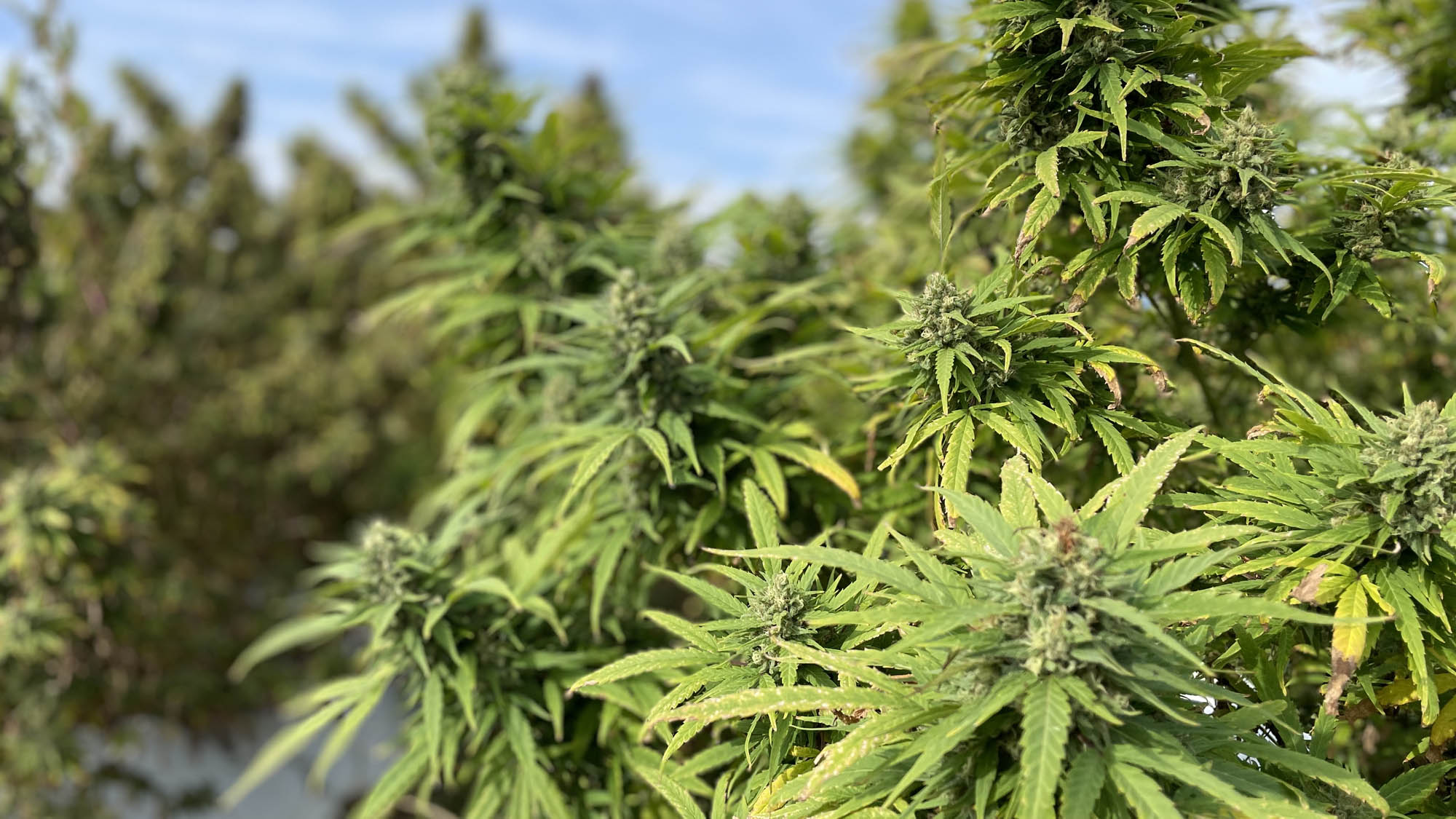
Key Highlights
- Broad Variations: Different states have either banned or strictly regulated hemp-derived THC beverages with diverse thresholds and conditions.
- Legislative Nuances: Some states enforce outright bans, while others have limited thresholds on THC content, reflecting varying approaches to consumer safety.
- Evolving Landscape: Regulatory decisions continue to change, emphasizing the importance of checking with local authorities for the most current legal status.
Detailed Analysis of State Regulations
Hemp-derived THC beverages have garnered significant attention and regulatory scrutiny across the United States. In recent years, state legislatures and regulatory bodies have adopted a wide spectrum of approaches ranging from outright bans on these products to detailed restrictions concerning THC content and packaging requirements. The diversity in regulatory frameworks reflects ongoing debates concerning public safety, potential intoxication, and the broader implications for the hemp and cannabis industries.
Overview of Regulatory Trends
As of March 21, 2025, several states have taken distinct actions in response to hemp-derived THC beverages. A common trend among states is an emphasis on consumer safety due to concerns that even low-level THC might have unintended psychoactive or health effects when incorporated into beverages. While some states have imposed total bans, others have allowed sales with specific restrictions such as maximum THC dosage limits per serving, or packaging size restrictions. These differences are driven by local public health policies, political ideologies, industry lobbying, and consumer protection efforts.
Bans Versus Restrictions
The regulatory approaches can largely be divided into two categories. First, there are states which have banned hemp-derived THC beverages entirely. Such bans often arise from broader prohibitions on any product containing THC, regardless of its concentration. Second, a number of states have opted for regulatory frameworks that allow the sale of these beverages under strict conditions – including limits on THC concentration (often capped at 0.3% or specific milligram thresholds per serving) and mandatory packaging or labeling standards. These restrictions tend to balance the desire for market innovation with the need to control the intoxicating effects of THC.
Notable States with Bans
Several states have explicitly banned the sale of hemp-derived THC beverages. For example, California has taken a firm stand by extending its prohibition to cover any hemp products containing THC. Similarly, states such as Texas have passed laws that remove any leeway, effectively banning all forms of THC, including those derived from hemp. Other states, like Alabama and South Carolina, have enacted bans or provided strong warnings from their state health departments, precluding the sale of THC-infused beverages altogether.
Case Studies in Banning
California: California enforces one of the strictest regulations by prohibiting THC presence in hemp products, making it illegal to market or sell any THC-infused beverages in the state. This move complements their broader regulatory strategy aimed at controlling intoxication risks associated with THC.
Texas: Texas has seen significant legislative action with the passage of Senate Bill 3, which not only affects traditional THC products but also effectively bans THC-infused beverages, irrespective of the source of THC, demonstrating a zero-tolerance policy regarding intoxicating compounds.
South Carolina: South Carolina’s regulatory approach includes explicit warnings from the Department of Health and Environmental Control, highlighting that hemp products, particularly those containing delta-9 THC, are not approved for use in beverages.
States with Specific Restrictions and Conditional Regulations
Aside from outright bans, several states have implemented conditional regulations that govern the sale of hemp-derived THC beverages through specific criteria. For instance, Florida has introduced legislation that restricts any beverage exceeding 5 milligrams of THC per serving. This effort aims to mitigate potential risks while still allowing consumer access to low-dose products.
In other states like Minnesota and Louisiana, the approach is to permit these beverages under well-defined legal frameworks. Minnesota, for instance, allows the sale of hemp-derived THC beverages under regulated conditions, while Louisiana has mandated that such beverages can only be sold in containers of a particular size (for example, prohibiting sale in containers smaller than 12 ounces). These measures illustrate how state regulations have been tailored to address both market demand and safety concerns.
Legal Innovations and Evolving Debates
Legislative bodies across the nation continue to debate and refine the regulatory frameworks governing hemp-derived THC beverages. While some states are in the initial stages of drafting or debating legislation, others have already enacted laws that have significant ramifications for industry stakeholders. For example, South Dakota and Kentucky have seen efforts to introduce bills that not only address bans but also propose thresholds for intoxicating chemicals present in hemp-based beverages. These ongoing debates highlight the dynamic interaction between public policy, industry innovation, and consumer protection.
Furthermore, the evolving legal landscape is reflected in the varying thresholds for THC content which underscores the compromise between market expansion and public health. In states that allow limited THC concentrations, the regulations are typically accompanied by rigorous testing requirements and strict labeling protocols to ensure that consumers are adequately informed about the product's potency.
Comprehensive Table of State Regulations
The table below summarizes the key regulatory stances of several states based on current information as of March 21, 2025:
| State | Regulation Type | Comments |
|---|---|---|
| California | Banned | No hemp-derived THC beverages allowed; any detectable THC is prohibited. |
| Texas | Banned/Strictly Restricted | Senate Bill 3 bans THC in any form, including hemp-derived beverages. |
| South Carolina | Banned | State health warnings specifically bars the use of hemp-derived delta-9 THC in beverages. |
| Florida | Restricted | Legislation currently under consideration aims to cap THC at 5 milligrams per serving. |
| Alabama | Banned/Under Review | Initial legislative actions indicated a ban on hemp-derived THC products. |
| Minnesota | Regulated | Permits sale under established legal criteria, though discussions for more robust regulation are ongoing. |
| Louisiana | Restricted | Implements container-size restrictions with specific packaging requirements. |
| South Dakota | Banned/Restricted | Legislation targets chemically modified hemp products including delta variants. |
| Kentucky | Under Legislative Review | Bill proposed to limit intoxicating chemicals in hemp-based beverages. |
In addition to the states detailed in the table above, other states such as Delaware, Idaho, Iowa, Nebraska, and several Midwestern states have enacted either outright bans or strict limitations (commonly restricting products with THC levels above 0.3%). These states have taken a cautious stance, reflecting concerns about unintended psychoactive effects and potential public health impacts.
Regional Insights and the Future of Regulations
Regional differences have played an essential role in shaping the regulatory landscape. For example, many southern states, including Texas, Alabama, and South Carolina, have opted for more restrictive measures, often citing public safety and the desire to prevent accidental intoxication through beverages. Conversely, states in the Midwest and Northeast have shown tendencies toward regulating rather than outright banning, possibly due to differing local cultural attitudes and the influence of burgeoning cannabis markets.
As regulations continue to develop, businesses involved in the production and distribution of hemp-derived THC beverages are adapting to a highly dynamic legal environment. This includes implementing rigorous lab testing procedures, ensuring proper labeling, and sometimes adjusting product formulations to stay within permissible THC concentration limits. Stakeholders must remain vigilant as new legislative developments could influence both market strategies and broader industry trends.
Implications for Consumers and Industry Stakeholders
For consumers, the patchwork of state laws necessitates an awareness of local regulations, as the legal status of hemp-derived THC beverages can vary greatly. Consumers should verify product labels and consult state-specific guidelines to ensure compliance with local law, particularly when traveling or purchasing products online.
Industry stakeholders, including beverage manufacturers, distributors, and retailers, must navigate this complex legal terrain carefully. The need for compliance with varying state laws has led many companies to work closely with legal experts and regulatory consultants. This ensures that product formulations, labeling, and distribution practices align with local and federal standards. Additionally, many companies have invested in research and development to create products that meet legal thresholds while still delivering the intended consumer experience.
The Role of Ongoing Research and Legislative Revisions
Ongoing research into the health impacts of hemp-derived THC consumption, especially in beverage form, continues to influence legislative actions across states. As more scientific data becomes available, regulators may adjust current restrictions or introduce new regulatory frameworks designed to protect public health without stifling innovation. This iterative process underscores the importance of adaptive regulatory policies that can effectively respond to new evidence and market trends.
References
- Kentucky Legislature News - Courier Journal
- Hemp-Infused Debate in Alabama - AL.com
- Latest at Hemp Regulations in Florida - Florida Phoenix
- Texas THC Ban Bill Passes - Statesman
- State Agencies and Hemp Beverages - Alcohol Law Advisor
Recommended Related Queries
Last updated March 21, 2025