
Herbal Morning Bath Rituals in Ayurveda
Discover the ancient rituals that harmonize body, mind, and spirit
Key Takeaways
- Holistic Health: The morning bath ritual in Ayurveda is designed to balance the doshas, detoxify the body, and rejuvenate the mind and spirit.
- Herbal Infusions: Using carefully selected herbs and oils fosters physical purification, skin nourishment, and mental clarity.
- Intentional Practice: Integrating Ayurveda’s sacred verses and mindful rituals can transform everyday hygiene into a spiritual and therapeutic ceremony.
Introduction
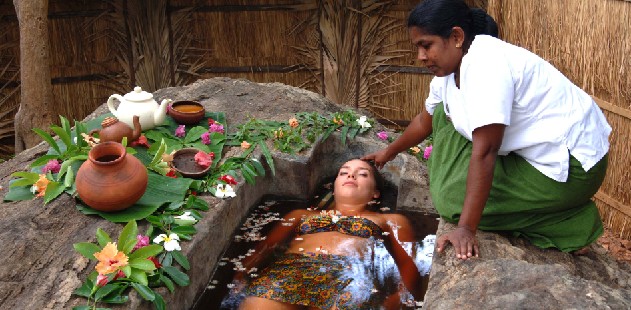
Ayurveda, the ancient Indian system of medicine, views daily routines as sacred opportunities to attune oneself with natural cycles. Among these rituals, the traditional herbal morning bath holds immense significance. More than a mere cleansing process, the practice is a holistic approach to harmonize the body, mind, and spirit. By incorporating select herbs, oils, and meditative intentions, one can transform a simple bath into a rejuvenating experience that supports health, well-being, and spiritual clarity.
Historical and Philosophical Context
In Ayurveda, the morning bath is not regarded merely as a physical act of hygiene, but as a sacred ritual known as Snāna that purifies and revitalizes the entire being. Ancient texts such as the Charaka Samhita, Ashtanga Hridayam, and Vayu Purana emphasize that morning bathing is an essential element of dinacharya, the daily routine that harmonizes internal energies and fosters a balanced lifestyle.
The proven Ayurvedic belief is expressed through Sanskrit verses that have been passed down for centuries. One such verse is:
"स्नानं शरीरस्य विशुद्धिरेव च"
(Snānaṃ śarīrasya viśuddhireva ca)
This can be translated as "Bathing purifies the body," and it emphasizes the profound cleansing effect the practice has—not just physically, but also mentally and spiritually.
Importance of Timing and Dosha Balance
Ayurvedic tradition recommends that the morning bath be taken ideally during the pre-dawn period known as Brahma Muhurta (approximately 4:00–6:00 AM). This time is considered exceptionally auspicious as it aligns with the body’s natural rhythm and the subtle energies of the early morning.
Balancing the tridoshas – Vata, Pitta, and Kapha – is central to Ayurveda. Each individual constitution, or prakriti, will benefit from tailored herbal additives:
- Vata: Benefits from gentle warming ingredients and oil massages to soothe the nervous system.
- Pitta: Requires cooling herbs and lukewarm water to temper internal heat.
- Kapha: Needs invigorating aromas and stimulating herbs to counteract sluggishness.
The Role of Herbal Infusions
The use of herbal additives in the morning bath is a practice that dates back millennia. Herbs such as sandalwood, camphor, tulsi, neem, turmeric, and manjistha not only enhance the sensory experience but also imbue the ritual with distinct therapeutic properties.
Herbal Ingredients and Their Benefits
| Herb/Ingredient | Primary Benefit | Dosha Suitability |
|---|---|---|
| Sandalwood (Chandana) | Cooling, soothes Pitta, calms the mind | Pitta |
| Camphor (Karpura) | Stimulates circulation, invigorating | Kapha |
| Tulsi (Holy Basil) | Antibacterial, anti-inflammatory, purifies chakras | All Doshas |
| Neem | Antiseptic, detoxifies the skin | Kapha |
| Turmeric (Haridra) | Anti-inflammatory, promotes radiant skin | All Doshas (in moderation) |
| Manjistha | Purifies blood, boosts skin health | All Doshas |
The synergistic effect of these ingredients makes each bath a personalized experience. For instance, mixing a herbal paste from green gram powder with the infusion can provide a gentle exfoliation that complements the benefits of the herbal oils.
Steps to an Ayurvedic Herbal Morning Bath
1. Pre-Bath Routine
Prior to entering the bath, it is recommended to perform a self-massage known as Abhyanga. This oil massage helps in softening the tissues and preparing the body for a deeper cleansing experience. Choose an oil that suits your dosha:
- Vata: Sesame oil or almond oil
- Pitta: Coconut oil or sunflower oil
- Kapha: Mustard oil or ginger-infused oil
Massage gently for 5 to 10 minutes, allowing the oil to penetrate the skin. This step not only moisturizes but also improves circulation, setting the tone for the ritual.
2. Preparation of the Herbal Infusion
To create the herbal infusion, choose a blend of herbs that addresses your unique constitution. You can boil the herbs to create an extract or use them in their natural form by steeping in hot water. The infusion process is vital, as it releases the active compounds, enhancing their therapeutic potential.
Consider the following guidelines:
- Allow the herbs to simmer in water for 10-15 minutes.
- Strain the infusion and mix it with bathwater.
- Alternatively, add a few drops of essential herbal oils directly to the water.
3. Setting a Mindful Intention
Ayurveda recognizes that the state of the mind during the bath can dramatically influence its effectiveness. Before stepping into the bath, take a few moments to breathe deeply and set a positive intention for the day. Reciting a Sanskrit verse or a personal mantra can anchor your focus. For example:
"शुद्धकर्मणा प्रातः आरभ्य, आयुरारोग्यं लभेत सुखम्।"
(Śuddhakarmaṇā prātaḥ ārabhya, āyurārogyaṃ labhēt sukham)
This verse translates to "By beginning the day with pure actions, one attains health and happiness," emphasizing that clear intentions amplify the cleansing process.
4. The Bathing Ritual
Fill your bathtub with lukewarm water, as the temperature should reflect your dosha’s needs. During the bath:
- Add your prepared herbal infusion or a few drops of herbal oil to the water.
- Immerse yourself slowly and allow the water and herbs to cleanse away the physical and mental impurities accumulated overnight.
- Use gentle movements or even a light exfoliation using a herbal scrub made from ingredients like chickpea flour or green gram powder to enhance skin rejuvenation.
5. Post-Bath Practices
After the bath, take time to gently pat your skin dry with a soft towel. It is beneficial to follow your bath with another round of light oil massage or hydration to lock in moisture. Ideally, allow your body at least 30 minutes before consuming breakfast so that your internal digestive fire, known as Agni, can rise naturally.
Physiological and Psychological Benefits
The Ayurvedic herbal morning bath ritual offers a myriad of benefits:
Physical Benefits
- Enhanced Circulation: Warm water and herbal infusions dilate blood vessels, ensuring nutrients and oxygen reach tissues effectively.
- Detoxification: Sweating induced by warm water helps eliminate toxins and metabolic waste.
- Skin Health: Regular baths with herbal ingredients promote natural exfoliation, maintain the skin’s moisture barrier, and reduce the incidence of infections.
- Improved Metabolism: The stimulation of circulation and enhanced digestion due to mindful pre-bath rituals contribute to a more robust metabolism.
Psychological and Spiritual Benefits
- Mental Clarity: Combining the sensory elements of aromatic herbs with meditation helps clear mental fog and sharpen concentration.
- Stress Reduction: The holistic approach of the ritual, incorporating self-massage and mindful intention, has been shown to lower cortisol levels and alleviate stress.
- Energy Flow: Traditional beliefs hold that early morning bathing helps open energy channels, promoting a balanced flow of prana.
- Emotional Well-being: The ritualistic setting of the bath creates an environment for introspection, enabling a smoother transition into the day’s activities with renewed positivity.
Integrating Sanskrit Wisdom
Many Ayurvedic practitioners find that the integration of Sanskrit verses into daily rituals reinforces the sacred nature of the practice. In addition to the verses already mentioned, another profound Sanskrit saying is:
"स्नानं परं तीर्थमायुर्वेदस्य"
(Snānaṃ paraṃ tīrtham āyurvedasya)
This phrase suggests that bathing is not merely about physical cleanliness but is considered a supreme ritual for purification in Ayurveda. Embedding these verses in your daily routine can serve as a constant reminder of the interconnectedness of your body, mind, and the universe.
Modern Applications and Global Perspectives
While rooted in ancient practices, the principles behind Ayurvedic herbal morning baths remain relevant today. Modern research supports many of the traditional claims regarding the benefits of hydrotherapy, herbal infusions, and mindfulness. Scientific studies reveal that these practices contribute to enhanced immunity, improved mood, and overall better quality of life.
It is interesting to note that practices resembling the Ayurvedic bath are found in many cultures. The therapeutic heat of Japanese onsens, the communal aspects of ancient Roman baths, and even the invigorating effects of Scandinavian ice baths underscore a universal human appreciation for bathing as a form of renewal and healing.
A Comprehensive Overview: Step-by-Step Summary
Table: Summary of Steps in the Herbal Morning Bath Ritual
| Step | Activity | Key Elements |
|---|---|---|
| 1 | Pre-Bath Ritual | Abhyanga (Oil massage), select dosha-specific oil |
| 2 | Herbal Infusion Preparation | Boiling or steeping herbs like neem, tulsi, sandalwood |
| 3 | Setting Intention | Reciting Sanskrit verses, deep breathing |
| 4 | The Bathing Ritual | Warm water, infusion added, gentle exfoliation |
| 5 | Post-Bath Practices | Pat drying, further oil massage, brief meditation |
Conclusion
The practice of an herbal morning bath in Ayurveda is a holistic tribute to the ancient wisdom that recognizes the body as a temple. Far beyond a simple act of cleansing, the ritual melds herbal remedies, mindful intention, and spiritual recitation to create a restorative experience that sustains physical health and emotional equilibrium. Whether you seek to balance your doshas, rejuvenate your skin, or simply start your day with deliberate mindfulness, this time-honored practice offers a pathway to enhanced well-being and a deeper connection to life’s natural rhythms.
References
-
Morning Bath Rituals in Ayurveda - Amarchandel
- Ayurvedic Baths: Sacred and Healing - Purusha Ayurveda
- How and When to Bathe - Green Space Life
- Dinacharya and Ayurvedic Bathing - Hemaveda
- Bathing the Ayurvedic Way - Zandu Care
More
Last updated February 18, 2025