
Role of Herbal Products in the Prevention of Diabetes Mellitus
Exploring natural solutions to support blood sugar regulation and overall wellness
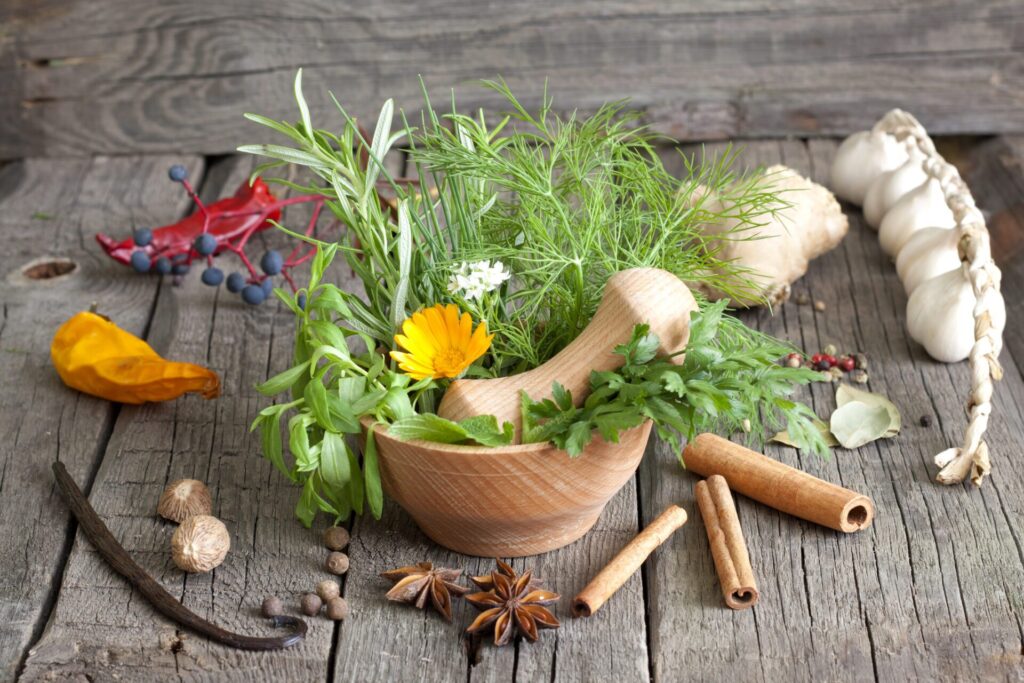
Key Highlights
- Blood Glucose Regulation: Many herbal products demonstrate promising effects in reducing blood sugar levels and improving insulin sensitivity.
- Anti-Inflammatory and Antioxidant Benefits: A number of herbs help combat chronic inflammation and oxidative stress, which are key contributors to diabetes complications.
- Holistic and Cost-Effective Approach: Herbal remedies offer an accessible, affordable adjunct to traditional diabetes prevention strategies when used with proper medical guidance.
Understanding Diabetes Mellitus and the Role of Herbal Products
Diabetes mellitus, particularly type 2 diabetes, is a chronic metabolic disorder characterized by elevated blood glucose levels and impaired insulin function. With growing global prevalence, there is an increasing interest in complementary avenues such as herbal products to prevent or manage this condition. Traditional herbal remedies have long been utilized in various cultures to bolster health and offer metabolic benefits. Modern research, while still evolving, has started to validate the efficacy of certain herbs and natural compounds, providing promising avenues for diabetes prevention.
Herbal Interventions in Diabetes Prevention
Herbal products encompass a diverse range of plants and phytochemicals that offer multiple therapeutic effects. Their multifaceted mechanisms of action include regulating blood glucose, enhancing insulin sensitivity, providing anti-inflammatory and antioxidant benefits, promoting weight management, and supporting overall metabolic balance.
Blood Glucose Regulation
One of the primary roles of many herbal products is their ability to modulate blood glucose levels. Certain herbs contain soluble fiber and active compounds that slow down carbohydrate digestion, thus reducing rapid spikes in blood sugar. For instance:
- Fenugreek (Trigonella foenum-graecum): The seeds are rich in soluble fiber, which slows the absorption of sugars. Studies indicate that regular intake of fenugreek may improve blood sugar control and also assist in positively influencing cholesterol levels.
- Bitter Melon (Momordica charantia): Often referred to as a natural insulin, bitter melon is known for its hypoglycemic effects, reducing blood glucose levels by enhancing insulin sensitivity and modulating carbohydrate metabolism.
- Cinnamon: Research suggests that cinnamon not only reduces fasting blood glucose but also improves insulin resistance. Its role in modulating enzyme activity within the glucose metabolism pathway further contributes to its beneficial effects.
These herbs work by various mechanisms, making them promising adjuncts in the metabolic regulation needed for diabetes prevention.
Enhancing Insulin Sensitivity
Improving insulin sensitivity is another essential aspect of diabetes prevention. When the body's tissues respond better to insulin, glucose uptake into cells becomes more efficient, thus maintaining healthy blood sugar levels. Herbs such as American ginseng and bay leaf have demonstrated potential in this regard:
- American Ginseng (Panax quinquefolium): Known to improve insulin secretion and sensitivity, American ginseng may lower blood glucose by assisting pancreatic function.
- Bay Leaf (Laurus nobilis): Bay leaves have been credited with enhancing the efficiency of insulin usage within the body, helping to stimulate proper glucose uptake.
Such herb-based interventions can be integral to preventive strategies, particularly for individuals predisposed to developing insulin resistance.
Anti-Inflammatory and Antioxidant Properties
Chronic inflammation and oxidative stress are recognized as pivotal factors in the progression of diabetes. The persistent inflammatory state can impair insulin signal transduction, while oxidative stress may lead to cellular damage. A number of herbal products contribute by counteracting these factors:
- Ginger (Zingiber officinale): Known for its potent anti-inflammatory effects, ginger can reduce inflammation, which is crucial in reducing diabetes-related complications.
- Turmeric (with curcumin): Curcumin, the active component in turmeric, possesses significant anti-inflammatory and antioxidant properties that aid in mitigating the processes that exacerbate insulin resistance.
- Milk Thistle: Rich in antioxidants, milk thistle helps protect the pancreas and liver from oxidative damage, thereby promoting overall metabolic health.
By reducing inflammation and oxidative damage, these herbs help create a more conducive environment for proper metabolic function.
Weight Management and Gut Health
Obesity is a major risk factor for type 2 diabetes, and many herbal remedies also contribute to weight management. Green tea extract, for example, has thermogenic properties that boost metabolism, assisting in weight loss. Additionally, there is emerging evidence that some herbs can improve gut health—a factor intimately linked with metabolic regulation:
- Green Tea Extract: Increases metabolic rate and supports fat oxidation, thus serving as an adjunct in weight management strategies.
- Herbal Probiotics: While not as well-known in the mainstream, certain herbs are being studied for their ability to positively influence the gut microbiome, suggesting a role in the prevention of diabetes via improved metabolic profiles.
Maintaining a healthy weight and a balanced gut flora are both critical in reducing the incidence of diabetes, and herbal products can play a supportive role in these areas.
Mechanisms of Action and Efficacy
The mechanisms through which herbal products exert their beneficial effects in diabetes prevention are diverse. Understanding these pathways is essential for appreciating their potential roles:
Key Mechanisms of Herbal Action
Carbohydrate Digestion and Absorption
Some herbal remedies, like fenugreek and bitter melon, contain fibers and bioactive compounds that slow down the digestion and absorption of carbohydrates. This mechanism prevents sudden spikes in blood glucose levels after meals, thereby supporting long-term glucose stability.
Stimulation of Insulin Secretion
Certain herbs such as American ginseng have been found to stimulate insulin secretion from pancreatic cells, directly influencing the body's ability to regulate blood sugar. This action complements conventional treatments and may reduce reliance on synthetic medications.
Modulation of Lipid Metabolism
Herbal compounds like berberine not only lower blood glucose levels but also improve lipid profiles by reducing cholesterol levels. Improved lipid metabolism is strongly associated with a reduced risk of developing diabetes complications.
Anti-Oxidative Defense
Oxidative stress plays a major role in the deterioration of pancreatic cell function and the progression of diabetes. Herbs with high antioxidant capacities—such as milk thistle, garlic, and bitter melon—help mitigate this stress, protecting cells from damage and supporting metabolic balance.
Comprehensive Overview Table
| Herbal Product | Primary Benefits | Mechanism of Action | Notable Considerations |
|---|---|---|---|
| Fenugreek | Blood sugar regulation, lipid improvement | Delays carbohydrate digestion; improves insulin sensitivity | Use with caution if on anticoagulants |
| Bitter Melon | Hypoglycemic effects | Enhances insulin sensitivity; reduces hepatic glucose output | Should complement rather than replace prescribed treatment |
| Cinnamon | Reduction of fasting blood glucose | Improves insulin resistance; lowers postprandial glucose levels | Results in studies are mixed; monitor dosage |
| American Ginseng | Enhanced insulin secretion | Stimulates pancreatic insulin release; improves insulin sensitivity | Monitor for interactions with medications |
| Ginger | Anti-inflammatory benefits | Reduces inflammatory markers; improves metabolic function | Potential gastrointestinal side effects in high doses |
| Milk Thistle | Antioxidant support | Protects liver and pancreas cells against oxidative stress | Consult health providers if using other medications |
| Bay Leaf | Insulin sensitivity improvement | Aids in better insulin use by the body | Usage should be as part of an overall diet plan |
| Berberine | Glucose regulation and lipid metabolism | Decreases hepatic glucose production; similar to metformin | Needs professional guidance on dosage |
Integrating Herbal Products Into a Diabetes Prevention Strategy
While decades of traditional use underpin many herbal remedies, modern evidence-based practices underscore the importance of integrating these natural solutions with established health strategies. Here are several key considerations for safely and effectively incorporating herbal products into a comprehensive diabetes prevention regimen.
Guidelines for Safe Integration
Consultation with Healthcare Professionals
It is imperative that individuals consult their healthcare provider before starting any new herbal supplement regimen. Herbal products can interact with medications and may not be suitable for everyone. A tailored approach, considering existing health conditions and potential drug-herb interactions, ensures safer use and maximizes benefits.
Balanced Diet and Lifestyle Modifications
The use of herbal products should be seen as complementary to other essential lifestyle changes. A balanced diet rich in fruits, vegetables, lean proteins, whole grains, and healthy fats contributes significantly to diabetes prevention. Regular physical activity, proper hydration, stress management, and adequate sleep are all integral components in maintaining healthy blood sugar levels. Herbal remedies can enhance these efforts but are most effective when included in a broader health-conscious lifestyle.
Quality and Source of Herbal Supplements
Given the rising popularity of herbal supplements, consumers must be discerning about product quality. Sourcing herbs from reputable suppliers who adhere to stringent quality control and standardization protocols is crucial. Using certified products minimizes the risks of contamination and ensures the presence of active ingredients in the right concentrations.
Potential Challenges and Considerations
Despite their promising benefits, herbal products are not a blanket solution. The variability in active compound concentrations, differences in individual responses, and limited long-term studies are challenges that necessitate caution. Furthermore, in cases where patients are already receiving conventional diabetes medication, herbal products should be considered as adjunct therapies under strict medical supervision.
Bridging Tradition and Modern Research
The journey of herbal products from traditional use to modern research reveals their growing potential in the realm of diabetes prevention. Many herbs, revered in ancient medicinal systems, are now being revisited as viable components of integrative health strategies. Scientific investigations continue to explore the biochemical pathways affected by these natural compounds. For example, modern studies have explored how the polyphenols in cinnamon and the saponins in fenugreek contribute to improved vascular function and glucose metabolism.
Collaborative research across disciplines ranging from pharmacology to nutraceutical science is gradually providing a more comprehensive understanding of how herbal compounds work in tandem with the human body. This evolving framework not only supports traditional knowledge but also facilitates the development of standardized herbal formulations that can be safely integrated into diabetes prevention protocols.
The Future of Herbal Remedies in Diabetes Care
As research continues to validate the properties of herbal products, the future of diabetes care may include a more pronounced role for these natural remedies. Innovations in extraction techniques, formulation strategies, and clinical trials are paving the way for more reliable and consistent use of herbal supplements. With proper regulation and further validation, they have the potential to become key components of integrative medicine approaches that emphasize both prevention and holistic health.
References
- 12 Best Herbal Remedies for Diabetes - DiabetesMantra
- 8 Powerful Herbs for Diabetes Management (2025) - The Herb Prof
- Type 2 Diabetes: Using Herbs and Supplements - Medical News Today
- Herbs and Supplements for Diabetes - Healthline
- The 11 Best Herbs For Blood Sugar - Botanical Institute
- Herbal Approaches in Managing Diabetes - NCBI Bookshelf
Recommended Further Queries

Last updated March 12, 2025