
Review of Literature on Herbal Tea Formulation
Exploring the Synergistic Potential of Lucas aspera, Mulberry Leaves, and Stevia
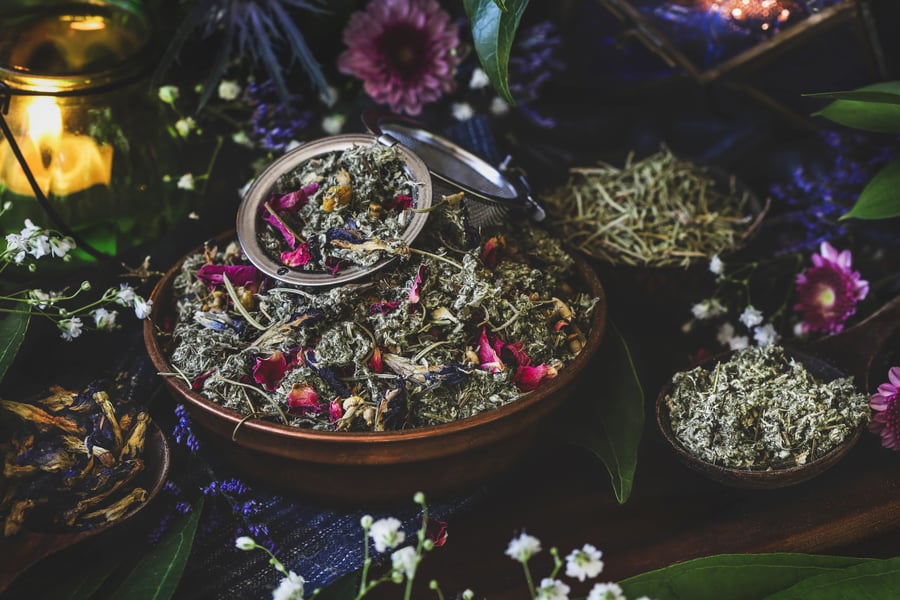
Key Highlights
- Bioactivity and Antioxidant Benefits: Each ingredient contributes unique phytochemicals that offer remarkable antioxidant, antimicrobial, and metabolic benefits.
- Complementary Properties: Lucas aspera (often referenced similarly to Leucas aspera), mulberry leaves, and stevia together balance traditional medicinal effects with natural flavor enhancement and sugar substitution.
- Formulation and Sensory Considerations: Understanding the chemical composition and sensory profiles is vital for producing a palatable and functionally sound herbal tea.
Introduction
Herbal tea formulations using indigenous plants have garnered interest for their potential to offer notable health benefits. This literature review delves into the formulation of an herbal tea using leaves from the indigenous plant Lucas aspera, mulberry leaves, and stevia, highlighting the bioactive compounds, synergistic interactions, and formulation strategies.
Individual Plant Profiles and Their Phytochemical Profiles
Lucas aspera
Lucas aspera, closely related to the well-documented Leucas aspera, is an indigenous plant known for its diverse pharmacological properties. Traditionally, this herb has been used as an antipyretic and insecticide in various cultural practices. The plant is rich in bioactive compounds including flavonoids, terpenoids, triterpenoids, and sterols. These compounds contribute to its:
- Antifungal and antimicrobial actions
- Antioxidant properties that combat oxidative stress
- Potential antinociceptive and cytotoxic effects
Its antioxidant activity particularly holds promise in mitigating degenerative diseases by reducing oxidative stress when incorporated into herbal tea formulations.
Mulberry Leaves (Morus alba)
Mulberry leaves are traditionally used in various medicinal systems, and their inclusion in herbal teas is attributed to their rich nutritional profile. They contain essential vitamins, minerals, and are known for their:
- Antioxidant properties that help scavenge free radicals
- Anti-α-glucosidase and anti-diabetic effects, which support metabolic control
- Constituents such as amino acids and micronutrients that contribute to overall health
The integration of mulberry leaves in herbal teas may enhance metabolic health and contribute to a balanced taste profile by imparting subtle flavors that work well with other herbal ingredients.
Stevia (Stevia rebaudiana)
Stevia, derived from the leaves of Stevia rebaudiana, serves as a natural sweetener in various food formulations. Its properties are particularly attractive in the development of herbal teas because of its ability to:
- Provide sweetness without adding calories
- Stabilize flavor profiles when mixed with other more bitter or earthy herbal ingredients
- Possess potential benefits in glycemic control
The zero-calorie profile of stevia makes it an ideal candidate for individuals seeking a healthier alternative to conventional sweeteners, effectively enhancing the palatability of the final tea product.
Formulation Considerations
Synergistic Effects
Combining Lucas aspera, mulberry leaves, and stevia in a single formulation can yield significant synergistic effects. The natural antioxidants from Lucas aspera and mulberry leaves complement stevia's sweetness, ensuring that the herbal tea not only has health benefits but also appeals to modern palates. Such synergism can result in:
- Enhanced antioxidant capacity beyond the effect of each individual ingredient.
- Improved sensory characteristics by balancing bitter and earthy tones with a natural sweetener.
- Comprehensive metabolic benefits, particularly in controlling blood sugar levels.
Chemical Composition and Extraction
A thorough understanding of the chemical composition of the individual plant ingredients is paramount. Key aspects include:
- Identifying bioactive phytochemicals such as triterpenoids, flavonoids, and sterols.
- Optimizing extraction methods to maximize the yield of active compounds, such as adjusting temperature, solvent type, and extraction time.
- Ensuring compatibility in the final blend to maintain stability and efficacy.
These considerations are central to achieving a high-quality herbal tea that provides the intended health benefits while remaining organoleptically appealing.
Sensory and Stability Evaluations
Sensory evaluation is an integral component of herbal tea formulation. In addition to bioactive efficacy, it is essential to:
- Conduct taste panels to evaluate flavor, aroma, and overall acceptability.
- Assess the stability of the tea blend over time to ensure that the active compounds remain effective and the flavor profile persists.
- Experiment with varying ratios of ingredients to optimize both health benefits and consumer appeal.
Stability studies ensure that the herbal tea maintains its quality during storage and after processing.
Comparative Overview
Summary of Key Attributes of Each Ingredient
| Ingredient | Key Phytochemicals | Primary Health Benefits | Role in Formulation |
|---|---|---|---|
| Lucas aspera | Flavonoids, Terpenoids, Triterpenoids, Sterols | Antioxidant, Antimicrobial, Insecticidal | Enhances antioxidant and antimicrobial properties |
| Mulberry Leaves | Vitamins, Amino Acids, Micronutrients, Polyphenols | Antioxidant, Anti-diabetic, Metabolic Regulation | Supports metabolic health and nutritional balance |
| Stevia | Steviol Glycosides | Natural sweetener, Glycemic control | Improves taste and provides calorie-free sweetness |
Potential Research Directions and Applications
Optimization Studies
Future research should focus on refining the precise ratios of Lucas aspera, mulberry leaves, and stevia to achieve an optimal balance between taste and therapeutic benefits. This could involve:
- Detailed phytochemical analyses to map the concentration of active compounds within different formulation batches.
- Response surface methodology to optimize extraction parameters and ingredient proportions.
- Consumer-based sensory studies to determine acceptance and market potential.
Clinical Validation
Although preliminary studies suggest various health benefits from these herbal ingredients, clinical trials are necessary to validate the therapeutic efficacy of the combined formulation. Specific areas of interest include:
- Assessment of antioxidant biomarkers in populations consuming the herbal tea regularly.
- Evaluation of glycemic control and metabolic health improvements.
- Long-term studies observing the impact of regular intake on oxidative stress and inflammatory markers.
Commercial Development
The formulation holds considerable promise not only as a functional beverage but also as a scalable commercial product. Efforts in this area should explore:
- Standardizing quality control measures for mass production while preserving the natural efficacy of the herbal components.
- Developing processing techniques to maintain the integrity of active compounds during storage and transportation.
- Packaging solutions that are both attractive to consumers and capable of protecting the blend from degradation.
References
- Leucas aspera - Wikipedia
- Development of Antioxidant and Anti-α-glucosidase Mulberry Leaf Tea Recipes - ResearchGate
-
Leucas aspera: A Review - PMC
- Stevia Formulation - SteviaShantanu
-
Exploring Plant-derived Bioactive Substances as Antidiabetic Agents - ScienceDirect
Recommended Related Queries

 foodsafetynews.files.wordpress.com
Last updated March 5, 2025