
Herbs for Allergy Season
Discover natural herbal remedies to ease seasonal allergies
Key Highlights
- Natural Antihistamines: Herbs like stinging nettle and butterbur offer natural antihistamine properties.
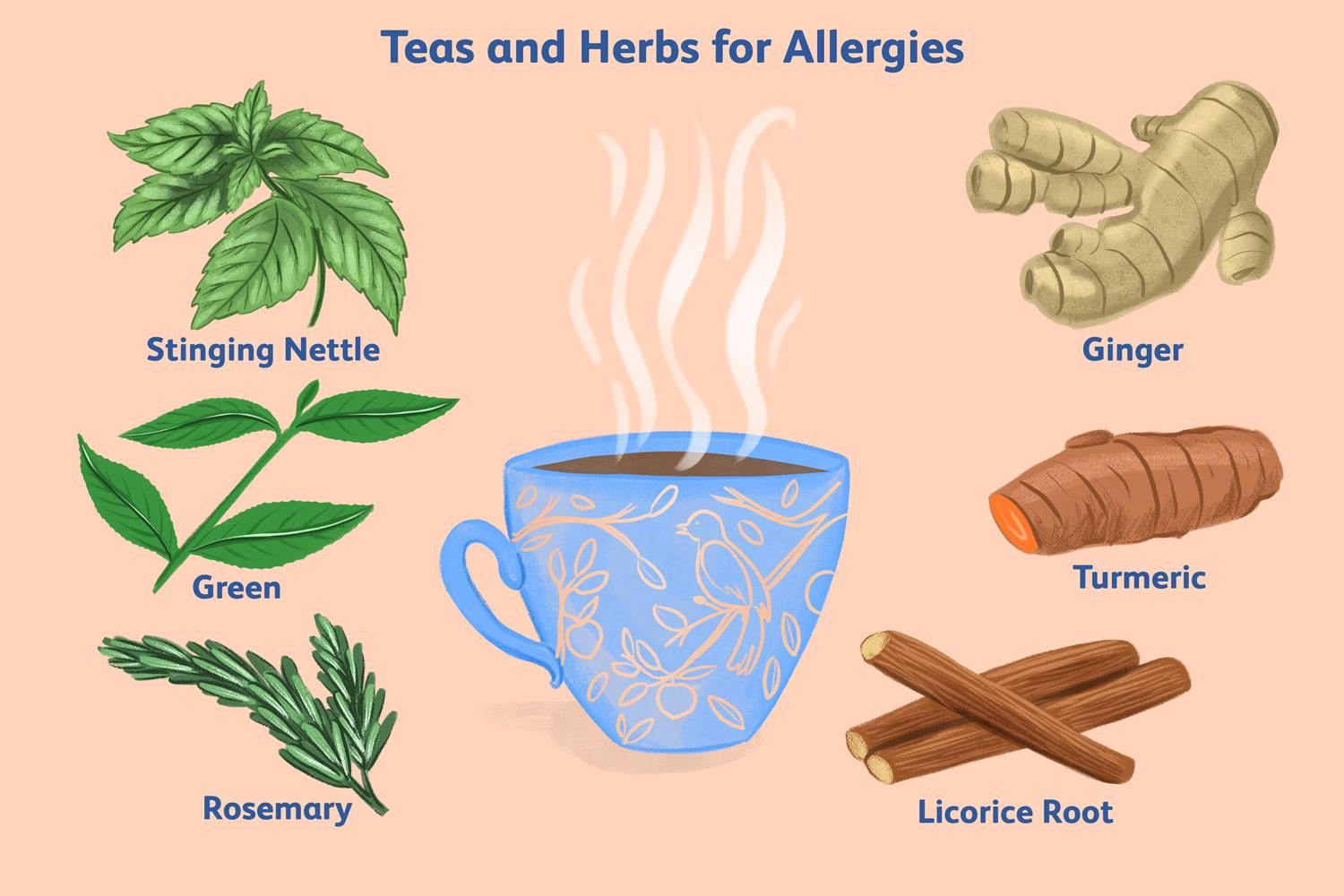
- Anti-inflammatory Support: Many herbs including turmeric, rosemary, and ginger help control inflammation.
- Versatile Application: These herbs can be consumed as teas, supplements, or even added to meals.
Overview
Seasonal allergies often cause bothersome symptoms such as sneezing, congestion, itchy eyes, and a runny nose. Conventional medications like antihistamines can be effective, yet many individuals choose to explore natural remedies to complement or, in some cases, provide relief without the common side effects associated with pharmaceuticals. Herbal remedies have been traditionally used for centuries, and modern research continues to study their effectiveness. However, it is important to consult with a healthcare professional before starting any herbal regimen.
Below is a comprehensive guide to many herbs reputed to assist with allergy symptoms. These herbs can help alleviate symptoms by reducing inflammation, acting as natural antihistamines, supporting the immune system, or reducing congestion. They can be used preventatively by incorporating them into a daily routine starting a month before allergy season or taken as needed during symptomatic periods.
Herbal Remedies and Their Benefits
Stinging Nettle (Urtica dioica)
Benefits and Uses
Stinging nettle is one of the most cited natural remedies for allergies. Rich in essential minerals and bioactive compounds, it is known for its natural antihistamine properties. By inhibiting the release of histamine, stinging nettle can reduce symptoms such as sneezing and itching. It is typically consumed as a tea or infusion, and many users start taking it about a month before the onset of allergy season for prophylactic benefits.
Additional Considerations
Although nettle is commonly well-tolerated, it can have diuretic effects and should be used cautiously by those on medication for blood pressure or diuretics. Additionally, always confirm the correct preparation method to preserve its beneficial properties.
Butterbur (Petasites hybridus)
Antihistamine Qualities
Butterbur possesses potent anti-inflammatory properties and is effective for alleviating symptoms of allergic rhinitis. Research suggests that when extracted properly (using PA-free extracts to avoid toxic pyrrolizidine alkaloids), butterbur can significantly reduce the frequency and severity of allergy symptoms.
Rosemary (Rosmarinus officinalis)
Role of Rosmarinic Acid
The bioactive compound in rosemary, known as rosmarinic acid, has been demonstrated to possess both anti-inflammatory and antioxidant properties. This not only makes rosemary an excellent herb for culinary uses but also a supportive treatment during allergy season. By suppressing inflammatory responses, rosemary may help reduce the overall intensity of allergic reactions.
Turmeric (Curcuma longa)
Curcumin and Inflammation
Turmeric’s most renowned component is curcumin, a compound with robust anti-inflammatory and antioxidant properties. It can help modulate the body’s inflammatory response which is a key factor in allergy symptoms. Turmeric is versatile in its use and may be added to foods, taken as a supplement, or brewed as a tea for its systemic benefits.
Elderberry and Elderflower
Immune Support and Allergy Relief
Elderberry, and its flower counterpart, have been traditionally used to boost the immune system and counter viral infections. While they are more commonly associated with fighting colds and flu, their antioxidant-rich profile can also aid in reducing inflammation and mitigating allergy symptoms.
Goldenrod (Solidago spp.)
Decongestant Properties
Goldenrod is recognized for its anticatarrhal effects. This herb helps the body eliminate excess mucus and congestion, particularly in the sinuses, making it beneficial for those experiencing seasonal allergies accompanied by heavy nasal discharge.
Thyme (Thymus vulgaris)
Respiratory Benefits
Along with its use as a culinary herb, thyme offers distinct medicinal benefits during allergy season. It is believed to help loosen respiratory passages, which can be particularly effective for managing congestion and supporting clearer breathing.
Perilla (Perilla frutescens)
Natural Antihistamine
Perilla is traditionally used in various cultures as an anti-allergenic herb. Its ability to reduce histamine release helps counteract common allergic symptoms such as nasal congestion and irritation of the respiratory tract.
Rooibos (Aspalathus linearis)
Anti-inflammatory and Antioxidant Profile
Typically enjoyed as a tea, rooibos provides soothing relief along with potent anti-inflammatory properties. Its antioxidant content may help minimize the oxidative stress that accompanies allergic inflammation.
Chamomile (Matricaria chamomilla)
Calming and Relieving Effects
Commonly used as a relaxing tea, chamomile not only aids in promoting better sleep but also functions as a natural antihistamine. Its anti-inflammatory properties can help calm irritated tissues during allergy outbreaks.
Quercetin-Rich Herbs
Stabilizing Histamine Release
Quercetin, a flavonoid found in various herbs and foods, helps stabilize mast cells and reduce the release of histamines, which are responsible for many allergy symptoms. Incorporating herbs high in quercetin such as ginkgo biloba, sage, and even certain fruits can provide combined benefits with other herbal treatments.
Echinacea (Echinacea spp.)
Immune Response Enhancement
Known for its immune-boosting properties, echinacea is often used to strengthen the body’s natural defenses during allergy season. Although it works differently from conventional antihistamines, its role in modulating the immune response can complement other anti-allergy herbs.
Ginger (Zingiber officinale)
Soothing Inflamed Tissues
Ginger is another herbal remedy that provides anti-inflammatory benefits. It is effective in soothing a sore throat and reducing congestion associated with allergic reactions. Its warming properties make it a common addition to teas during cold and allergy seasons.
Peppermint (Mentha piperita)
Enhancing Respiratory Flow
Peppermint oil is known to act as a natural decongestant. It may help open blocked airways and reduce sinus pressure, making it easier to breathe during allergy flare-ups. Peppermint can be used in teas, as an infusion, or applied topically in diluted form.
Eucalyptus (Eucalyptus globulus)
Decongestant and Antimicrobial
Eucalyptus oil is widely recognized for its decongestant properties. It assists in relieving sinus congestion and is often used in diffusers or steam inhalation therapies. The antimicrobial action of eucalyptus further helps in keeping respiratory passages clear.
Licorice Root (Glycyrrhiza glabra)
Soothing Irritated Tissues
Licorice root works as an anti-inflammatory agent and is particularly useful in soothing irritated mucous membranes. This can be beneficial for easing the uncomfortable symptoms of a sore throat or persistent cough during allergy season.
Yarrow (Achillea millefolium)
Antihistamine and Anti-inflammatory Effects
Yarrow has a long history of use in traditional medicine for its ability to reduce inflammation and ease allergic reactions. Its antihistaminic properties may help in mitigating a variety of allergy symptoms.
Comparative Overview Table
| Herb | Key Active Components | Primary Benefits | Common Uses |
|---|---|---|---|
| Stinging Nettle | Histamine inhibitors, vitamins, minerals | Natural antihistamine; reduces sneezing and itching | Tea, infusions |
| Butterbur | Petasin and isopetasin (in PA-free form) | Anti-inflammatory; alleviates allergic rhinitis | Supplements, extracts |
| Rosemary | Rosmarinic acid | Antioxidant and anti-inflammatory | Cooking, teas, supplements |
| Turmeric | Curcumin | Powerful anti-inflammatory; immune modulator | Spices, supplements, teas |
| Elderberry/Elderflower | Antioxidants | Immune support; reducing inflammation | Teas, syrups, extracts |
| Goldenrod | Flavonoids | Decongestion; anticatarrhal | Teas, tinctures |
| Thyme | Thymol, carvacrol | Respiratory relief; antimicrobial | Cooking, teas, essential oils |
| Perilla | Essential oils, flavonoids | Antihistamine effects | Teas, extracts |
| Chamomile | Apigenin | Calming, anti-inflammatory | Teas, infusions |
| Echinacea | Alkamides, polysaccharides | Immune booster | Supplements, teas |
| Ginger | Gingerols | Anti-inflammatory; soothes sore throat | Teas, culinary use |
| Peppermint | Menthol | Decongestant; opens airways | Teas, essential oils |
| Eucalyptus | Eucalyptol | Decongestant; antimicrobial | Diffusers, steam inhalation |
| Licorice Root | Glycyrrhizin | Anti-inflammatory; soothes irritation | Teas, extracts |
| Yarrow | Flavonoids | Natural antihistamine; reduces inflammation | Teas, tinctures |
Application and Usage Guidelines
Integrating Herbal Remedies into Your Routine
When considering herbal remedies, it is essential to integrate them carefully into your routine. A proactive approach is to begin herbal supplementation at least one month prior to the onset of allergy season. This helps in building a natural resilience against allergens by gradually modulating the immune response.
Methods of Consumption
Herbal remedies can be consumed in multiple forms based on personal preference:
- Herbal Teas: Steeping herbs like stinging nettle, chamomile, and peppermint in hot water is one of the simplest ways to derive benefits. Regular consumption can maintain consistent levels of active compounds in your system.
- Supplements: Capsules and tinctures offer a concentrated dose of herbal extracts. Butterbur, echinacea, and turmeric are commonly available in supplement form.
- Culinary Uses: Integrating herbs such as rosemary, thyme, and turmeric into your cooking not only enhances flavor but provides systemic benefits as part of a balanced diet.
- Essential Oils: Diffusing oils like eucalyptus and peppermint can help alleviate respiratory congestion. Always dilute essential oils if applying topically.
Dosage and Safety Considerations
While herbs are natural, they are also bioactive substances, which means dosage is critical. Always follow recommended guidelines provided on supplement packaging and consult with a healthcare professional for personalized advice. Factors such as age, existing medical conditions, and interactions with medications need to be carefully considered. Additionally, some herbs may have contraindications during pregnancy or in combination with certain medications.
It is recommended that anyone suffering from severe symptoms or conditions related to allergies seek guidance before starting herbal treatments. This not only ensures safety but also helps in identifying the most beneficial compounds that your body requires precisely.
Integrating Herbal Remedies with Conventional Treatments
Complementary Approaches
In many cases, herbal remedies serve as a complementary approach rather than a complete replacement for conventional medications. For instance, while antihistamines can provide quick relief during severe reaction episodes, herbs work gradually to modulate the immune system and reduce overall inflammation. Integrating both strategies might offer a balanced management plan that addresses both immediate symptoms and long-term wellness.
Creating a Holistic Plan
A holistic plan for managing seasonal allergies may include:
- Using herbal teas like stinging nettle and chamomile to deal with day-to-day symptoms.
- Incorporating supplements such as turmeric and echinacea for their anti-inflammatory and immune-boosting properties.
- Implementing lifestyle changes such as regular exercise, maintaining a balanced diet, and reducing exposure to known allergens.
References
- Herbs for Allergies - The Botanical Institute
- 7 Herbs Scientifically Proven to Fight Allergies Naturally - The Beet
- Natural Allergy Remedies - Verywell Health
- Natural Remedies for Seasonal Allergies - Cigna Healthcare
-
Allergy Relief - Learning Herbs
Recommended Queries for Further Exploration

Last updated March 22, 2025