
Exploring the Heritage and Identity
A deep dive into the traditions of the indigenous people of Nagsincaoan, Cabugao, Ilocos Sur
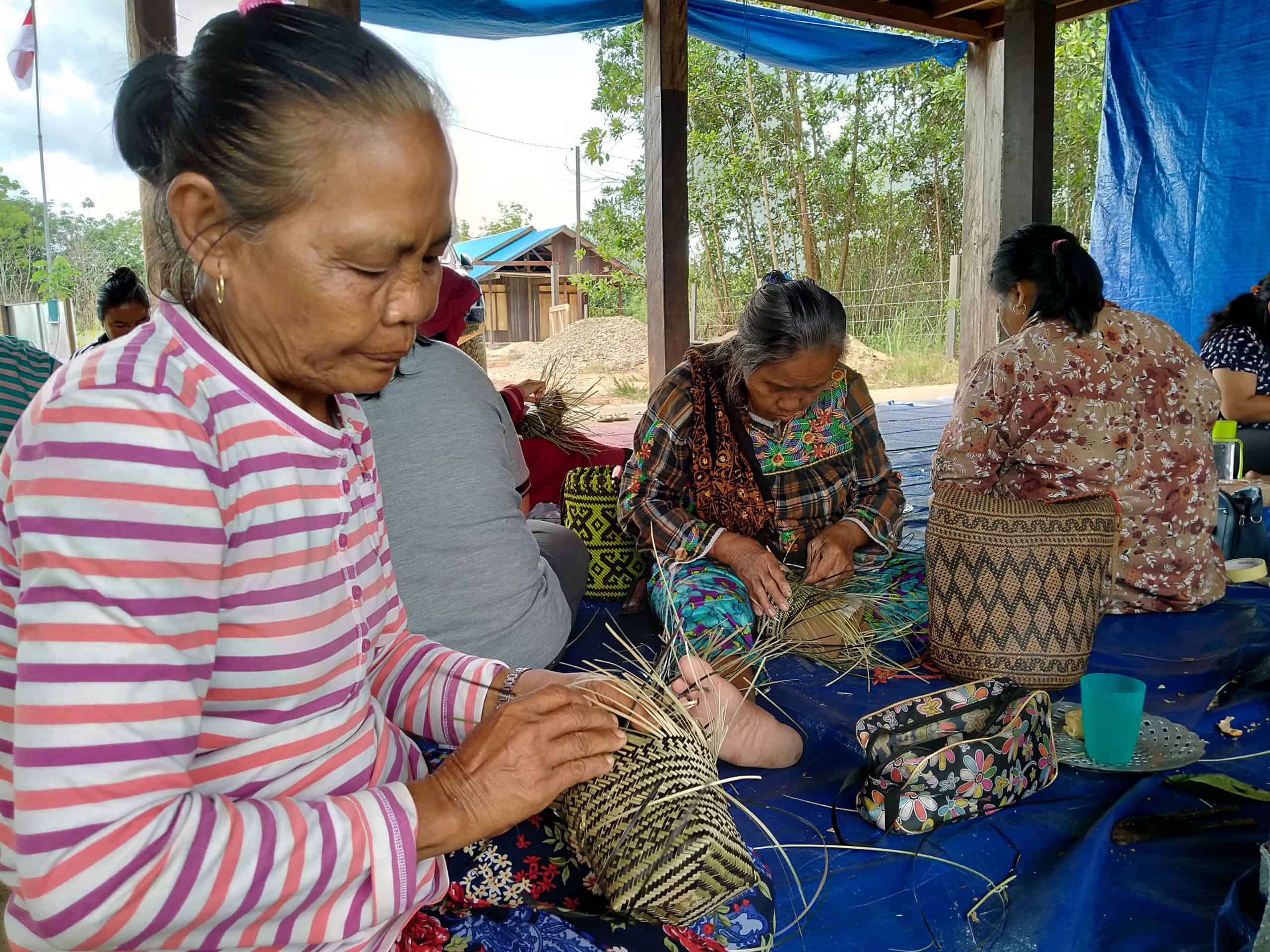
Key Highlights
- Cultural Preservation: Addressing the risk of cultural erosion amid modernization and globalization.
- Community Engagement: Fostering active community participation to sustain traditional practices and intergenerational knowledge transfer.
- Economic and Environmental Factors: Evaluating how traditional crafts support livelihoods while facing modern economic pressures.
Statement of the Problem
The indigenous people of Nagsincaoan, Cabugao, Ilocos Sur represent a culturally vibrant and distinct community whose heritage, traditions, and local identity have evolved over centuries. Their cultural expression is seen in various traditional practices, crafts, dances, and rituals that highlight not only their historical significance but also their adaptability in the face of modern economic and societal challenges. As the pressures of modernization, technological advancements, and external cultural influences increase, there is an urgent need to document, explore, and preserve the intricate cultural practices of this community. These challenges are particularly pronounced in communities where traditional practices, such as the crafting of bamboo handicrafts and the performance of creative dance forms like “Gaynek ta Cabiga-o”, are deeply woven into the fabric of everyday life.
The main problems to be addressed in this exploration include a decline in the transmission of traditional knowledge, the economic challenges that reduce the appeal of indigenous crafts, and the diminished representation of indigenous voices in regional cultural narratives. These issues, if left unaddressed, risk not only the loss of unique cultural markers but also impact the community’s ability to sustain a sense of identity and pride. The preservation of such traditions is crucial not only for cultural continuity but also for providing economic viability and community cohesion through cultural tourism and local craftsmanship.
Cultural and Economic Challenges
Modernization and Cultural Erosion
One of the most pressing issues identified in the indigenous community of Nagsincaoan is cultural erosion. Rapid urbanization, technological advancement, and globalization have introduced alternative lifestyles and modern values that threaten the ongoing practice and transmission of traditional customs. Younger generations, faced with new social paradigms, are at risk of disconnecting from the ancestral practices that once defined their communal identity. This shift leads to a gradual loss of cultural heritage, where traditional practices such as the intricate art of crafting winnowing baskets, a practice deeply embedded within the Itneg tribe, are overshadowed by modern entertainment and communication mediums.
The gradual decline in cultural transmission poses multiple risks. Without consistent intergenerational knowledge transfer, the skills, folklore, language, and rituals that make up the cultural fabric may become relics of the past. As these practices decline, the community risks losing not only the external markers of identity but also the internal mechanisms that foster a sense of belonging and continuity among its members.
Economic Pressures and Livelihood Concerns
Traditional economic activities tied to cultural practices, such as bamboo handicrafts and other artisanal expressions, are critical for local livelihoods. Crafting winnowing baskets, known locally as “panaglaga ti bigao”, is more than a cultural tradition—it is a means of economic sustenance for the indigenous people of Nagsincaoan. However, without adequate market support, these crafts face competition from mass-produced alternatives that are often cheaper and more accessible. This economic imbalance not only diminishes the financial incentive to practice traditional arts but also jeopardizes the sustainability of the artisan practices.
Economic pressures force community members to prioritize immediate financial gains over cultural continuity. As traditional artisan work may not yield comparable income to modern occupations, there is a disabled incentive for the younger generation to learn and carry forward these skills. Additionally, factors such as environmental changes, which impact local agriculture and related crafts, add another layer of complexity to the economic dimension of cultural preservation.
Underrepresentation and Lack of Awareness
In modern cultural narratives, the indigenous peoples often find themselves underrepresented. Their unique language, rituals, and customs are overshadowed by dominant cultural narratives that do not always account for the diversity within regional identities. For the indigenous people of Nagsincaoan, this underrepresentation can lead to a diminished public profile, reducing opportunities for cultural tourism and broader societal acknowledgment.
Raising awareness about the importance of preserving indigenous heritage is essential. When the broader public recognizes the value of these traditions, it opens up avenues for greater support in the form of cultural tourism initiatives, economic incentives for local artisans, and policy measures that protect and celebrate indigenous identity. Without such awareness and advocacy, there is a risk that the encoded cultural practices may remain obscure and erode over time.
The Role of Community Engagement
Effective preservation of cultural heritage relies heavily on the active engagement of the community. In Nagsincaoan, intergenerational dialogue is crucial for the transfer of traditional knowledge. Elders, who are the custodians of cultural practices, play a pivotal role in educating the youth about the significance of their heritage, rituals, and the traditional practices that have defined their community for generations. However, bridging the generational gap requires innovative strategies including educational programs, community workshops, and inclusive cultural events that encourage participation from all age groups.
Community engagement extends beyond the direct transmission of knowledge. It also involves creating platforms for indigenous voices to be heard in local and regional policy-making processes. Such involvement ensures that initiatives aimed at cultural preservation are in tune with the indigenous community's values and specific needs. This empowers the community to protect their cultural identity through self-determined initiatives and shared cultural events that honor their traditional practices, beliefs, and local history.
Exploring Cultural Heritage: The Case of Nagsincaoan
Historical and Cultural Context
The heritage of Nagsincaoan is multifaceted, built upon a history that intertwines agricultural practices, artisanal craftsmanship, and indigenous belief systems. The community’s identity reflects a synthesis of their agricultural past (as evident in the etymological roots of the name “Nagsincaoan”, linked to traditional agricultural tools) and the mastery of craft practices that are celebrated both as art forms and practical means of livelihood. The performance art “Gaynek ta Cabiga-o” has evolved from traditional activities such as bamboo craftsmanship, reflecting both the innovative spirit and the cultural resilience of the Itneg tribe.
Documenting and exploring such cultural heritage provides insights into evolutionary cultural practices that have persisted despite the challenges posed by modernization. It also offers pathways for reintroducing cultural pride within the community, linking historical practices with contemporary expressions of identity. This process includes a detailed examination of local traditions, rituals, and community events that collectively define Nagsincaoan's cultural landscape.
Intergenerational Knowledge Transfer and Educational Initiatives
The decline in intergenerational knowledge transfer is a major concern that affects the sustainability of indigenous traditions. Older generations, who have long been the keepers of cultural wisdom, face the challenge of conveying their deep, experiential understanding of traditional arts, rituals, and community customs to a modern youth that is increasingly oriented towards globalized lifestyles. This gap has led to an observable disconnect where the younger population may feel alienated from heritage practices that were once an everyday part of community life.
Addressing this gap is critical. Strategies include integrating indigenous practices into the local education curriculum, organizing cultural festivals, and setting up community centers that serve as hubs for cultural education and intergenerational dialogues. Such initiatives not only preserve cultural identity but also serve as a source of empowerment and pride for the younger members of the community, ensuring that traditional practices continue to evolve in harmony with modern societal changes.
Documentation and Preservation Methods
A comprehensive documentation project is necessary to preserve the intangible and tangible aspects of the indigenous culture in Nagsincaoan. This includes detailed recording of traditional crafts, dance forms, rituals, and oral histories that have defined the community for generations. Utilizing modern techniques in digital archiving along with traditional oral documentation methods will provide a rich, multi-layered archive that can serve both academic purposes and community education.
Efforts to document these traditions must be inclusive and participatory, enabling community members to take ownership of their heritage. Digital storytelling, video recordings of traditional performances, and the creation of interactive online archives have all been identified as effective strategies. Additionally, collaborative projects involving local government units, academic institutions, and cultural organizations can enhance the scope and reach of preservation initiatives while ensuring that the cultural narrative is not lost to future generations.
Challenges and Strategies: A Comprehensive Overview
Primary Challenges
| Challenge | Description |
|---|---|
| Cultural Erosion | The diminishing transmission of traditional practices and customs due to modern influences. |
| Economic Pressures | Competition with mass-produced alternatives affects the economic viability of traditional crafts. |
| Intergenerational Disconnect | Lack of effective mechanisms for transferring traditional knowledge from elders to youth. |
| Underrepresentation | Lesser visibility in broader cultural narratives, reducing the scope for advocacy and tourism. |
| Environmental Impacts | Changes in agricultural practices and environmental challenges affect traditional livelihoods. |
Proposed Strategies for Preservation
| Strategy | Description |
|---|---|
| Community Workshops | Organize trainings and workshops to engage both elders and youth in traditional crafts and rituals. |
| Digital Archiving | Employ modern digital platforms to record and disseminate indigenous practices and oral histories. |
| Educational Integration | Include indigenous cultural heritage in local school curricula and community educational programs. |
| Cultural Tourism | Develop tourism initiatives to showcase traditional practices, ensuring economic benefits to artisans. |
| Policy Advocacy | Collaborate with local governments and cultural agencies to support policies that protect indigenous identity. |
Community Engagement and Local Identity Enhancement
Strengthening Indigenous Voices
A major component of preserving the heritage of Nagsincaoan lies in amplifying the voices of the indigenous people themselves. Local narratives, when expressed by community members, provide an authentic account of heritage, struggles, and triumphs. Promoting platforms for traditional storytelling, dance performances, and local art exhibitions serves to both educate outsiders and reinforce community pride among indigenous members.
A participatory approach, wherein community members are actively involved in the decision-making process regarding cultural initiatives, is crucial. This includes workshops where local voices can direct the creation of cultural documentation projects, the planning of traditional festivals, and the development of cultural policies that reflect the community’s aspirations.
Integrating Economic Support with Cultural Preservation
Integrating economic support with cultural preservation offers a dual pathway for sustainable development. When traditional crafts such as bamboo handicrafts and winnowing basket making are recognized as both artistic expressions and viable economic activities, they become central to community renewal. Initiatives might include cooperative marketing, fair-trade exhibitions, and collaboration with local enterprises to promote these indigenous arts.
Moreover, economic initiatives that draw attention to indigenous culture can further highlight the importance of preserving heritage. Successful programs not only generate income but also inspire younger members to take up traditional crafts, thereby strengthening the cycle of cultural transmission. This integrated approach builds resilience by linking heritage to everyday livelihood and long-term community development.
Bridging the Past and Present
The essence of exploring the heritage, traditions, and local identity of the indigenous people of Nagsincaoan lies in understanding the dynamic relationship between past and present. The artistic expressions, agricultural practices, and communal rituals narrate a history that continues to influence the modern identity of the community. Recognizing this continuum is pivotal to any effort that seeks to document and reinvigorate traditional practices in a rapidly changing world.
Scholars, cultural enthusiasts, and local historians are increasingly exploring how traditional practices such as “Gaynek ta Cabiga-o” can be reinterpreted in a modern context without losing their essence. This exploration not only reinforces the historical roots of the community but also offers creative avenues for expressing and preserving cultural identity.
Documentation, Research, and Policy Implications
The Imperative of Detailed Documentation
Comprehensive documentation is critical for ensuring that the heritage of Nagsincaoan is preserved for future generations. In-depth research projects, archival initiatives, and community-based documentation programs have been identified as essential components of this effort. By recording oral histories, cataloging artifacts, and documenting rituals, researchers can create a rich resource that provides insights into the nuanced cultural landscape of the indigenous people.
Such documentation not only serves academic and archival purposes but also offers the community a repository of their cultural heritage, accessible for educational, tourism, and policy-driven initiatives. Developing thorough research frameworks can also help in articulating the unique challenges faced by the community, thereby influencing policies that cater specifically to the needs of indigenous groups.
Policy and Advocacy
Cultural heritage is intrinsically linked to individual identity and community vitality. As such, effective policy frameworks are needed to protect indigenous cultural practices against the tide of modernization without stifling economic development. By engaging with government agencies, cultural institutions, and non-governmental organizations, advocates can formulate policies that support community-driven cultural preservation initiatives.
The development of policies should be informed by detailed research and inclusive dialogue with community members. This approach ensures that the measures implemented are contextually relevant and have the support of those who will be most directly affected. Furthermore, policy advocacy can help secure funding, technical assistance, and broader recognition for the cultural contributions of indigenous groups.
Research Questions and Objectives
Core Research Questions
The exploration of the heritage, traditions, and local identity of the indigenous people of Nagsincaoan is guided by several key research questions:
- How do the indigenous people perceive and value their cultural heritage in the context of modern influences?
- What are the primary challenges encountered in preserving traditional practices such as indigenous dances, crafts, and rituals?
- How is economic viability intertwined with the continuation of traditional crafts and artisanal practices?
- What strategies are most effective for bridging the generational gap in cultural knowledge transfer?
- How can policy initiatives support sustainable cultural tourism and community-driven heritage projects?
Research Objectives
- To document and analyze the rich cultural practices of the indigenous people of Nagsincaoan, highlighting their historical origins and contemporary relevance.
- To identify and understand the multifaceted challenges—economic, social, and environmental—that impact the preservation of traditional crafts and rituals.
- To propose practical strategies for effective intergenerational knowledge transfer, ensuring that traditional wisdom is retained and adapted for future generations.
- To examine the role of community engagement in safeguarding indigenous identities, including active participation in cultural events and advocacy for indigenous rights.
- To develop comprehensive policy recommendations that integrate cultural preservation with economic development and sustainable tourism initiatives.
Implications for Broader Cultural Preservation
Local Identity as a Catalyst for Change
In the broader narrative of cultural preservation across regions, the case of Nagsincaoan serves as an important exemplar. The indigenous practices of this community, rooted in their long-standing agricultural and artisanal traditions, provide insights into how local identity can be both resilient and adaptable. By embracing a detailed documentation process and integrating modern preservation strategies, communities like Nagsincaoan not only safeguard their heritage but also inspire similar initiatives in other regions.
The interplay of cultural preservation and economic viability in Nagsincaoan underlines the potential for economic development driven by tourism and local craftsmanship. This, in turn, can serve as a model for other indigenous communities facing similar challenges. The shared themes of economic pressure, cultural erosion, and generational disconnect are common across many regions worldwide, making the experiences of Nagsincaoan particularly valuable for comparative cultural studies.
Promoting Cultural Tourism
Cultural tourism emerges as a significant opportunity for communities aiming to preserve and celebrate their heritage. By emphasizing unique cultural practices such as the “Gaynek ta Cabiga-o” dance and traditional basketry, the area can attract visitors who are keen to experience authentic indigenous culture. This influx not only provides economic benefits but also reinforces the community's pride in its heritage.
Tourism initiatives must be sensitive to the preservation of indigenous customs; they should aim to educate visitors about the deep historical roots and contemporary relevance of local practices. Properly managed, such initiatives can serve to validate the importance of cultural preservation, thus ensuring that indigenous identities continue to thrive within the modern economic framework.
References
- Gaynek ta Cabiga-o - Vector UP
- Nagsincaoan Profile - PhilAtlas
- Cabugao Overview - Wikipedia
- Cultural Dance Development - ResearchGate
- Indigenous Cultural Communities - Ilocos Sur MIS
Recommended Queries
 lgucabugao.blogspot.com
 iandavecortezpaet.blogspot.com
lgucabugao.blogspot.com
iandavecortezpaet.blogspot.com
lgucabugao.blogspot.com
Last updated March 5, 2025