
Understanding Hibiscus Tee
A comprehensive look at hibiscus tea and hibiscus-themed apparel
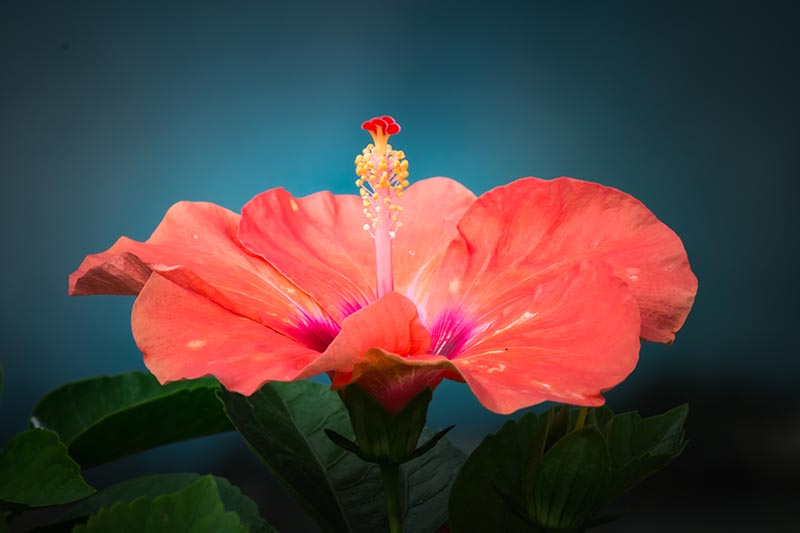
Highlights
- Dual Identity: The term "hibiscus tee" can refer to both an herbal beverage made from hibiscus flowers and fashion items like t-shirts adorned with hibiscus designs.
- Health and Cultural Benefits: Hibiscus tea is celebrated for its potential health benefits, including antioxidant, cardiovascular, and weight management properties, while its cultural significance spans many regions.
- Fashion Appeal: Hibiscus-themed t-shirts combine vibrant design with comfort, drawing on the tropical aesthetic and symbolizing relaxed, stylish living.
Introduction
The term “hibiscus tee” is a versatile phrase that can evoke two entirely different yet equally intriguing items. On one hand, it refers to the herbal infusion commonly known as hibiscus tea; on the other, it is a colloquial term for t-shirts featuring hibiscus designs. In this comprehensive analysis, we will delve into both facets—unpacking the characteristics, benefits, cultural significance, preparation, and potential side effects of hibiscus tea, as well as exploring the design inspirations, quality, and market trends of hibiscus-themed apparel.
Section 1: Hibiscus Tea
Overview and Characteristics
Hibiscus tea is a vibrant herbal beverage famed for its deep ruby red hue and tart, cranberry-like flavor. Made from the dried calyces of the Hibiscus sabdariffa flower, this caffeine-free drink is enjoyed both hot and cold. Its distinctive taste profile is complemented by its potential health-promoting properties, making it a popular choice across various cultures.
Preparation and Serving Suggestions
Preparing hibiscus tea is a straightforward process. The typical method involves steeping dried hibiscus flowers in boiling water for 5-15 minutes, depending on the desired concentration and flavor intensity. For a more embellished taste, some recipes include additional ingredients such as lime juice, mint, ginger, or sweeteners. While traditional preparations often serve the tea hot, it is equally popular as a refreshing iced beverage, particularly during warmer weather.
A common recipe entails using about 1-2 teaspoons of dried hibiscus flowers per cup of boiling water. After letting the mixture steep, strain the infusion to remove the floral elements. Experimenting with steeping times allows for customization of the flavor, as over-steeping might lead to a slightly bitter taste.
Nutritional and Health Benefits
Hibiscus tea is celebrated not only for its delightful taste but also for its impressive array of health benefits. Key benefits include:
- Antioxidant Properties: Rich in potent antioxidants such as polyphenols and anthocyanins, hibiscus tea helps counteract free radicals and reduce oxidative stress, potentially lowering the risks of chronic diseases.
- Cardiovascular Health: Scientific studies have shown that regular consumption of hibiscus tea may contribute to lower blood pressure levels due to its diuretic properties. It is also linked to reduced levels of low-density lipoprotein (LDL) or "bad" cholesterol, thereby supporting heart health.
- Weight Management: Preliminary research suggests that hibiscus tea might aid in weight management by reducing body fat and lowering blood glucose absorption, which can be beneficial for individuals looking to control their weight.
- Blood Sugar Regulation: For those managing diabetes or pre-diabetic conditions, the tea has been noted to assist in moderating blood sugar levels, thereby helping reduce post-meal glycemic spikes.
- Digestive Health: Its natural diuretic effects can assist in alleviating minor digestive discomfort and promoting healthy digestive processes.
- Immune System Support: With nutrients like copper, potassium, and vitamin C, hibiscus tea supports immune function, contributing to overall vitality and wellness.
Potential Side Effects and Cautions
Although hibiscus tea is generally recognized as safe, certain individuals should exercise caution:
- Allergic Reactions: Some users may experience allergic reactions or sensitivities to hibiscus, leading to symptoms such as upset stomach, gas, or headaches.
- Blood Pressure Concerns: Since hibiscus tea can lower blood pressure, those who already have normal or low blood pressure should consume it in moderation to avoid hypotension.
- Pregnancy Considerations: Pregnant women are advised to consult healthcare professionals before consuming hibiscus tea, as it may pose risks related to uterine contractions.
- Interactions with Medications: Individuals on medication, especially those related to blood pressure or diabetes, should seek medical advice to prevent potential interactions.
Cultural Significance and Variations
Across the globe, hibiscus tea is embraced in various cultural contexts. In regions of Africa, Latin America, and parts of Asia, it is not only a popular drink but also an integral part of traditional practices. Known by different names—such as “bissap” in Senegal, “sobolo” in Ghana, and “zobo” in Nigeria—this tea is often accompanied by unique local ingredients. The variations in its preparation and flavor underscore its cultural adaptability and widespread appeal.
Section 2: Hibiscus-Themed Apparel
Design Inspirations and Cultural Impact
The term “hibiscus tee” can also refer to t-shirts that sport designs inspired by the beautiful hibiscus flower. These garments are popular for their vibrant and tropical aesthetics, mirroring the striking appearance of the hibiscus in nature. Fashion designers often incorporate hibiscus motifs to evoke feelings of warmth, tropical escapism, and a carefree lifestyle.
Hibiscus designs are utilized in various apparel styles, from casual wear to more artistic and graphic renditions. The colorful and eye-catching imagery resonates with many, symbolizing the vibrant culture and natural beauty of tropical regions.
Quality, Fit, and Market Trends
Hibiscus-themed t-shirts are crafted with attention to detail, often using high-quality materials such as 100% cotton to ensure comfort and durability. The fit can range from classic and relaxed to more modern, cropped, or fitted styles tailored to current fashion trends.
In addition to aesthetics and comfort, sustainability and eco-friendliness have become significant considerations within the fashion industry. Many brands that feature hibiscus designs are also increasingly adopting ethical manufacturing practices and using sustainable fabrics, which appeals to environmentally conscious consumers.
Market Comparison Table: Hibiscus Tea vs. Hibiscus-Themed Apparel
| Aspect | Hibiscus Tea | Hibiscus-Themed Apparel |
|---|---|---|
| Origin | Derived from the dried petals of Hibiscus sabdariffa | Inspired by the natural aesthetics of hibiscus flowers |
| Usage | Beverage consumed hot or cold | Casual wear, often as a t-shirt |
| Health Benefits | Antioxidant properties; supports cardiovascular, digestive, and immune health | No direct health benefits, but can promote a positive, tropical lifestyle image |
| Cultural Significance | Integral to various traditional beverages across regions | Symbolizes a relaxed, vibrant, and tropical aesthetic |
| Customization | Easily flavored with additional ingredients like mint or ginger | Varies by design, fit, and material quality |
| Market Trends | Growing interest due to documented health benefits and cultural heritage | Rising popularity in casual and sustainable fashion circles |
Section 3: Integrating Both Worlds
Lifestyle and Consumer Choices
The dual nature of the term “hibiscus tee” reflects the growing convergence of health, wellness, and fashion among contemporary consumers. Many individuals who are passionate about natural and holistic lifestyles often gravitate towards products—be it beverages or apparel—that promote their personal well-being and style. Hibiscus tea, with its myriad health benefits, offers a tangible benefit to physical health, whereas hibiscus-themed t-shirts serve as an expression of personal identity, incorporating elements of nature and cultural symbolism into everyday wear.
In lifestyle branding, the hibiscus serves as a symbol of vibrancy and positive energy. Whether sipping a cup of hibiscus tea or wearing a t-shirt adorned with a hibiscus print, consumers are connecting with a broader narrative of natural beauty, cultural richness, and mindful living. This integration of aesthetic appeal and health consciousness encourages choices that reflect a balanced, holistic approach to life.
The Role of Consumer Education
As interest in natural products and sustainable fashion continues to rise, consumer education plays a critical role. Informative labeling and digital content about the health benefits of hibiscus tea help consumers make informed decisions about their dietary choices. Similarly, detailed product descriptions, fabric sourcing information, and sustainable production practices in the apparel sector enable buyers to align their purchases with their ethical values.
Retailers and brands are thus encouraged to provide comprehensive insights into the benefits and origins of their products, using storytelling to connect on an emotional level. For instance, a hibiscus tee might come with a tag that explains the cultural significance of the hibiscus flower, while hibiscus tea packaging often highlights its historical background and natural benefits.
Conclusion and Final Thoughts
In conclusion, the term “hibiscus tee” represents more than just a beverage or a piece of clothing—it symbolizes a holistic lifestyle that bridges the world of natural health and trendy fashion. On one hand, hibiscus tea is a potent herbal infusion celebrated for its beneficial effects on cardiovascular health, antioxidant status, and weight management, besides being a comforting and refreshing drink enjoyed around the globe. On the other hand, hibiscus-themed t-shirts are a fashionable expression, drawing inspiration from the vibrant, exotic appeal of the hibiscus flower, and have become favorites among those who appreciate tropical and sustainable aesthetics.
Both interpretations of “hibiscus tee” carry cultural significance and play a role in shaping consumer choices. Whether you are intrigued by the health benefits of the tea or the stylish appeal of hibiscus-inspired apparel, it is clear that this dual concept encapsulates the essence of vitality, tradition, and modern lifestyle trends. As modern consumers pivot towards a balanced approach to well-being—where care for physical health harmonizes with personal style—products such as hibiscus tea and hibiscus t-shirts stand as testament to the power of nature in influencing our daily choices.
Ultimately, embracing either or both aspects of the hibiscus tee phenomenon provides an opportunity to explore the intersection of health, culture, and fashion in meaningful ways. Whether preparing a relaxing cup of tea or selecting an eye-catching t-shirt, consumers are empowered to integrate natural beauty into every facet of their lives.
References
- Hibiscus tea benefits - Medical News Today
- Health Benefits of Hibiscus Tea - Healthline
- Benefits of Hibiscus - Cleveland Clinic
- Hibiscus Tea: Is It Good for You? - WebMD
- Hibiscus Tea Benefits - Health.com
Recommended
Last updated February 26, 2025