
Unlock Peak Focus: Master Your Mind with High-Leverage Metacognition Questions
Discover a powerful framework to silence mental noise and drive purposeful, high-impact actions.
In today's fast-paced world, maintaining focus and taking meaningful action can feel like a constant battle against distractions and mental clutter. This is where metacognition – the ability to think about your own thinking – becomes a superpower. By asking yourself specific, high-leverage questions, you can consciously direct your attention, filter out the "noise," and empower yourself to take actions that truly matter – what we call "high-agency actions."
This guide explores these powerful questions and introduces a custom framework designed to help you systematically reduce distractions and cultivate a state of focused, intentional action.
Essential Insights: Key Takeaways
- Filter the Static: High-leverage metacognitive questions act as mental filters, compelling you to clarify goals, assess relevance, and consciously discard distracting thoughts or tasks, effectively reducing mental "noise."
- Empower Your Actions: By focusing on concrete, controllable steps you can take *right now*, these questions shift your mindset from reactive overwhelm to proactive control, fostering a strong sense of personal agency.
- Structure Your Focus: Utilizing a systematic framework, like the 'FOCUS & FLOW' model detailed below, provides a repeatable process for applying metacognitive questioning, making noise reduction and high-agency action a consistent practice.
Understanding the Core Concepts
Before diving into the framework, let's clarify the key terms:
Metacognition
Often described as "thinking about thinking," metacognition is your awareness and understanding of your own thought processes. It involves actively planning, monitoring, evaluating, and regulating your learning, problem-solving, and decision-making strategies.
High-Leverage Metacognitive Questions
These are specific, impactful questions designed to trigger deep self-reflection and self-regulation. They provide the most "leverage" by efficiently guiding your focus toward greater clarity and more effective action, often aligning with proven strategies like educational High-Leverage Practices (HLPs) that promote independence.
"Noise"
In this context, noise refers to anything that distracts you from your goals or clutters your thinking. This can be external (like environmental sounds or interruptions) or internal (like irrelevant thoughts, worries, cognitive overload, or unproductive mental loops).
High-Agency Actions
These are actions characterized by intentionality, self-direction, and effectiveness. When you take high-agency actions, you feel a sense of control, believe you can influence outcomes, and act proactively towards your goals rather than simply reacting to circumstances.
The Power of Asking the Right Questions
Why are questions so effective? High-leverage metacognitive questions force your brain to pause its automatic processing and engage in more deliberate thought. They shift you from a passive recipient of stimuli to an active director of your mental resources.
Filtering the Noise
Questions like, "What is demanding my attention right now, and how much of it truly aligns with my core priorities?" compel you to evaluate incoming information and internal thoughts critically. This conscious evaluation process helps you identify and mentally set aside low-value tasks, worries, or distractions that constitute "noise," thereby freeing up cognitive bandwidth.
Activating Agency
Questions focused on action, especially controllable steps, combat feelings of helplessness or overwhelm. Asking, "What is the very next concrete step I can take that is entirely within my control?" breaks down large goals into manageable actions. This focus on what *can* be done immediately builds momentum and reinforces your sense of agency – your capacity to act and make a difference.
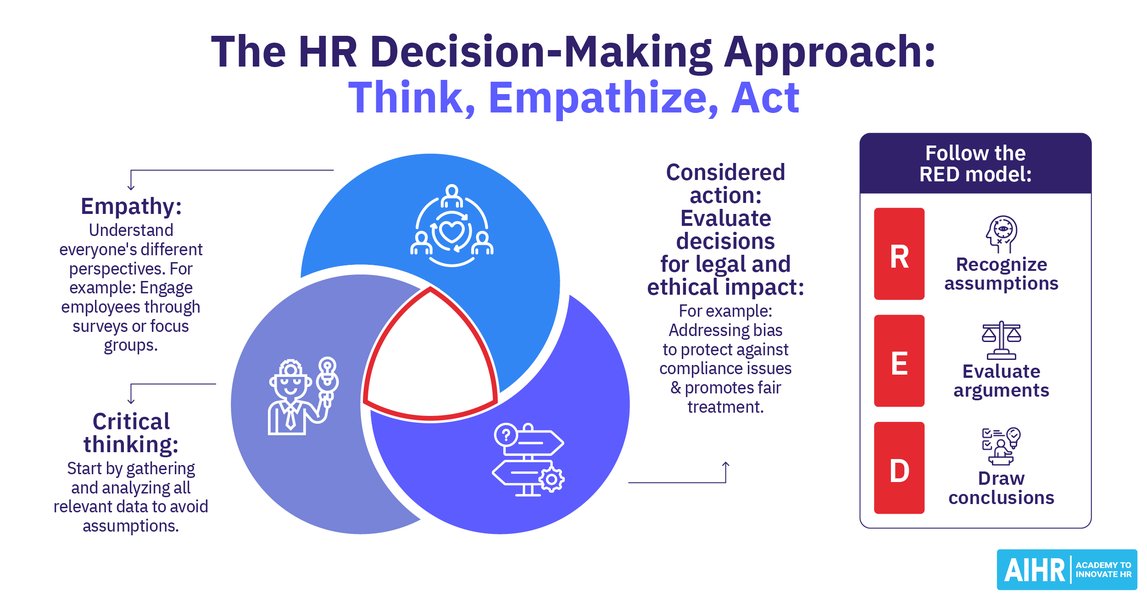
Metacognitive questioning builds crucial decision-making skills by enhancing clarity and promoting intentional action.
The Custom 'FOCUS & FLOW' Metacognition Framework
To help you consistently apply these principles, here is a custom framework called FOCUS & FLOW (Filter, Orient, Control, Understand, Sustain). It's a cyclical process designed to guide you through identifying noise, clarifying goals, planning actionable steps, and reflecting for continuous improvement.
Phase 1: Filter & Orient (Identify Noise, Clarify Goals)
This initial phase is about clearing the mental landscape and setting a clear direction. You assess the current situation, identify distractions, and define what truly matters.
Key Questions for Phase 1:
- What is demanding my attention right now (tasks, thoughts, worries)?
- Which of these demands are genuinely important and aligned with my core values or current primary goal?
- What is the specific, desired outcome I want to achieve in this situation or timeframe? What does success look like?
- What internal or external factors are creating the most "noise" or mental clutter for me?
- What can I consciously decide to eliminate, delegate, postpone, or ignore right now to reduce this noise?
Phase 2: Control & Act (Plan High-Agency Actions)
With clarity established, this phase focuses on planning and taking intentional steps within your control. It involves assessing resources, anticipating challenges, and choosing specific actions.
Key Questions for Phase 2:
- What is the single, most impactful, concrete step I can take *right now* towards my desired outcome? (Must be within my control).
- How can I break down the larger goal or task into smaller, more manageable steps?
- What internal resources (skills, knowledge, energy) and external resources (tools, support) do I have available for this action?
- What potential obstacles or challenges might I encounter, and how can I proactively prepare for or mitigate them?
- What specific strategy or approach will I use for this action? Is it a strategy that has worked well for me before in similar situations?
- What is my current mental and emotional state? Do I have the capacity for focused work, or do I need to regulate my state first (e.g., take a break, manage stress)?
Phase 3: Understand & Sustain (Monitor, Reflect, Adapt)
This final phase involves executing the planned actions while monitoring progress and effectiveness. It emphasizes learning from the experience to refine future actions and build sustainable habits.
Key Questions for Phase 3:
- Am I currently executing the planned action, or have I been pulled back into noise/distraction?
- How effectively is this action moving me towards my desired outcome? What evidence shows this?
- What did I learn from taking this action (or from the difficulty in taking it)? What worked well, and what didn't?
- Were there any unexpected challenges or outcomes? How did I respond?
- Based on my reflection, what adjustments should I make to my plan or strategy?
- What is the *next* high-agency action I should take?
- What habits, routines, or environmental adjustments can help me consistently reduce noise and maintain focus in the long term?
Visualizing the FOCUS & FLOW Framework
This mindmap provides a visual overview of the FOCUS & FLOW framework, illustrating the cyclical relationship between filtering noise, orienting towards goals, taking controlled action, and understanding through reflection to sustain momentum.
(Reduce Noise, Boost Agency)"] id1["Phase 1: Filter & Orient"] id1a["Identify Demands & Noise"] id1b["Clarify Goals & Values"] id1c["Define Desired Outcome"] id1d["Eliminate Non-Essentials"] id2["Phase 2: Control & Act"] id2a["Identify Next Controllable Step"] id2b["Break Down Tasks"] id2c["Assess Resources (Internal/External)"] id2d["Plan for Obstacles"] id2e["Select Strategy"] id2f["Check Mental/Emotional State"] id3["Phase 3: Understand & Sustain"] id3a["Monitor Action & Focus"] id3b["Evaluate Effectiveness"] id3c["Reflect & Learn"] id3d["Adapt & Adjust Plan"] id3e["Determine Next Action"] id3f["Build Sustainable Habits"]
Applying the Framework: A Practical Example
Imagine Alex, a student trying to study for a major exam in a busy household:
- Phase 1: Filter & Orient
- Noise? Phone notifications, family chatter, feeling overwhelmed by the amount of material.
- Goal? Understand and memorize concepts from Chapters 3-5.
- Outcome? Feel confident explaining the key concepts from each chapter.
- Eliminate? Turn off phone notifications, ask family for quiet time, focus only on Chapter 3 first.
- Phase 2: Control & Act
- Next Step? Read the summary section of Chapter 3.
- Breakdown? Read summary, review key terms, attempt practice questions for Chapter 3.
- Resources? Textbook, notes, quiet corner, 90 minutes available.
- Obstacles? Might get bored or distracted. Plan: Use Pomodoro technique (25 min focus, 5 min break).
- State? Feeling a bit anxious but motivated. Deep breaths before starting.
- Phase 3: Understand & Sustain
- Monitor? Completed summary reading but got distracted during terms review.
- Evaluate? Reading was effective, but need better focus for memorization.
- Learn? The 25-minute timer helped maintain focus during reading. Need to actively self-quiz for terms.
- Adapt? Use flashcards or self-testing for key terms in the next block.
- Next Action? Create flashcards for Chapter 3 key terms and review them.
- Sustain? Schedule specific study blocks, use noise-canceling headphones if needed, stick to the Pomodoro method.
Visualizing Progress: Impact of Metacognitive Practice
This chart illustrates the potential impact of consistently applying a metacognitive framework like FOCUS & FLOW. It compares perceived levels of focus and agency *before* regular practice with the potential improvements *after* integrating these techniques. The scores are illustrative, representing a shift towards greater control and clarity.
As shown, deliberate metacognitive practice can significantly enhance your ability to define goals, filter distractions, plan effectively, monitor your progress, adapt to challenges, manage your internal state, and ultimately feel a greater sense of control over your actions and outcomes.
Deep Dive: Triggering Metacognitive Reflection
Understanding how questions trigger self-reflection is key to mastering metacognition. The right questions act as prompts, guiding your mind towards self-awareness and strategic thinking. This video explores how teachers can use questioning techniques to foster these skills in students, principles that are equally applicable to personal self-management for reducing noise and enhancing agency.
Learn more about how questioning fosters metacognitive reflection and self-regulated learning.
Key Question Types and Their Purpose
This table summarizes different categories of high-leverage metacognitive questions and clarifies whether their primary purpose is to reduce noise, boost agency, or both.
| Question Category | Primary Purpose: Reduce Noise | Primary Purpose: Boost Agency | Example Questions |
|---|---|---|---|
| Goal Clarification | Yes (Filters out irrelevant tasks) | Yes (Provides clear direction) | What is the most important outcome? What does success look like for this specific task? Am I clear on my objective? |
| Noise Identification | Yes (Directly targets distractions) | Yes (Frees cognitive resources) | What is demanding my attention right now? What is causing mental clutter or stress? What distractions am I noticing? |
| Prioritization | Yes (Focuses effort on essentials) | Yes (Ensures actions are high-impact) | Which demands are truly important and aligned with my goals? What can I eliminate, delegate, or postpone? |
| Action Planning | No (Focus is on agency) | Yes (Breaks goals into manageable steps) | What's the very next concrete, controllable step? How can I break this down? What specific actions will I take? |
| Resource Assessment | No | Yes (Builds confidence and feasibility) | What internal skills/energy do I have? What external tools/support are available? Do I have what I need? |
| Obstacle Planning | Yes (Prevents getting derailed by predictable issues) | Yes (Increases resilience and likelihood of success) | What potential obstacles might I face? How can I proactively address them? What could go wrong? |
| State Evaluation | Yes (Reduces internal noise like stress/anxiety) | Yes (Optimizes conditions for effective action) | What's my current mental/emotional capacity? How am I feeling? How can I regulate my mindset for focus? |
| Self-Monitoring | Yes (Catches drift back into noise) | Yes (Ensures actions stay on track and effective) | Am I taking the planned action? Is this action contributing to my goal? Am I staying focused? |
| Reflection & Learning | Yes (Identifies ineffective patterns/habits) | Yes (Refines future strategies for better results) | What did I learn? What worked/didn't work? How can I improve next time? What mistakes provide insight? |
Frequently Asked Questions (FAQ)
What exactly is "noise" in this context?
"Noise" refers to any internal or external factor that distracts you from your intended focus or goal. Examples include:
- External Noise: Physical sounds, interruptions from colleagues or family, visual clutter, excessive notifications.
- Internal Noise: Irrelevant thoughts, worries, anxieties, mental fatigue, cognitive biases, multitasking attempts, unclear priorities, ruminating on past events or future fears.
How often should I use the FOCUS & FLOW framework?
The frequency depends on your needs and context. You might use it:
- Daily: At the start of your workday to plan priorities and anticipate challenges.
- Task-Based: Before starting a complex or important task to ensure clarity and focus.
- Situationally: Whenever you feel overwhelmed, distracted, or stuck.
- Weekly/Regularly: For reflecting on progress towards larger goals and planning upcoming actions.
Can this framework be adapted for teams?
Absolutely. The core principles can be adapted for group work. Teams can collectively ask versions of these questions during planning meetings, project kick-offs, or retrospectives:
- Filter & Orient: "What is our primary objective for this project/sprint? What are the potential distractions or 'noise' for the team? What information is essential vs. non-essential?"
- Control & Act: "What are the key next steps we need to take? Who is responsible for which action? What resources do we need? What are potential roadblocks for the team?"
- Understand & Sustain: "Are we making progress towards our team goal? What's working well in our process? What challenges are we facing? What did we learn from the last phase/project?"
What if I find it hard to identify "high-agency" actions?
Feeling stuck or unsure about controllable actions is common, especially when facing complex problems or feeling overwhelmed. Try these tips:
- Focus on "Control": Ask yourself, "What aspect of this situation, no matter how small, do I have direct control over?" It might be your attitude, your next small physical action (like opening a document or making a phone call), or how you manage your time for the next 30 minutes.
- Shrink the Scope: If the overall goal feels too big, break it down relentlessly. What's the absolute smallest step forward? Sometimes the most high-agency action is simply deciding *how* to approach the problem (e.g., "My next step is to research potential solutions for 15 minutes").
- Focus on Process, Not Just Outcome: Agency isn't just about achieving the final result; it's also about controlling your *process*. Deciding to follow a specific study method or problem-solving technique is a high-agency action.
- Seek Information: If you don't know the next step, a high-agency action could be "Ask [person] for clarification" or "Search for information on [topic]."
Is metacognition the same as mindfulness?
While related and complementary, they aren't the same.
- Mindfulness is primarily about non-judgmental awareness of the present moment – noticing thoughts, feelings, and sensations as they arise without getting carried away by them. It's about *being aware*.
- Metacognition is more active and strategic. It involves not just awareness of thoughts (like mindfulness) but also *analyzing* those thoughts, *evaluating* learning processes, *planning* strategies, and *regulating* cognition to achieve specific goals. It's about *thinking about and directing your thinking*.
Recommended Further Exploration
- How can I apply metacognitive strategies specifically to improve my study habits?
- What are the differences between cognitive and metacognitive learning strategies?
- Explore techniques for managing cognitive overload in high-pressure environments.
- Discover how mindfulness practices can complement metacognitive awareness for better focus.
References
Last updated May 4, 2025