
Crafting Your Optimal High-Protein Meal Plan for Health and Vitality
Unlock the Power of Protein: A Comprehensive Guide to Fueling Your Body
Key Insights for a Protein-Rich Lifestyle
- Tailored Protein Intake: Your ideal protein intake varies based on age, weight, activity level, and health goals, typically ranging from 1.2 to 2 grams per kilogram of body weight.
- Diverse Protein Sources: Incorporate a variety of both animal and plant-based proteins, including lean meats, fish, eggs, dairy, legumes, nuts, and certain vegetables, to ensure a balanced intake of essential nutrients.
- Strategic Meal Planning: Distribute protein consistently across all meals and snacks throughout the day to maximize satiety, support muscle maintenance, and optimize overall energy levels.
Embarking on a high-protein meal plan can be a transformative step towards enhancing your health, managing weight, and boosting overall vitality. Protein, one of the three core macronutrients, plays a crucial role in countless bodily functions, from muscle repair and growth to hormone regulation and immune system support. This comprehensive guide will equip you with the knowledge and practical strategies to seamlessly integrate more protein into your daily diet, offering diverse meal ideas and expert insights.
Understanding the "High-Protein" Standard
Defining Your Protein Needs
The term "high-protein diet" generally refers to an eating pattern where protein contributes more than 20% of your total daily calories, and can go up to 50% for some specific approaches. While the recommended daily allowance (RDA) for a sedentary adult is around 0.8 grams of protein per kilogram of body weight (approximately 54 grams for a 150-pound individual), a high-protein diet typically aims for significantly more.
For those seeking weight loss or improved athletic performance, a common recommendation is to consume between 1.2 to 2 grams of protein per kilogram of body weight (or 0.6 to 0.9 grams per pound of body weight). It's important to remember that individual needs can vary greatly based on factors such as age, sex, weight, exercise level, and specific health objectives. Consulting with a registered dietitian or nutritionist is always recommended for personalized guidance.
The Benefits of a Protein-Rich Diet
High-protein diets offer a multitude of benefits, contributing to both weight management and overall health:
- Enhanced Satiety: Protein is renowned for its ability to keep you feeling fuller for longer, which can significantly help in managing appetite and reducing overall calorie intake. This satiety effect is a key reason why high-protein diets are often effective for weight loss.
- Muscle Preservation and Growth: Adequate protein intake is vital for maintaining existing muscle mass, especially during periods of weight loss, and for supporting muscle growth for those engaged in strength training.
- Increased Metabolic Rate: Protein has a higher thermic effect of food (TEF) compared to carbohydrates and fats, meaning your body expends more energy to digest and metabolize protein. This can slightly boost your calorie burn.
- Blood Sugar Stabilization: High-protein diets can help stabilize blood sugar levels, which is particularly beneficial for individuals with type 2 diabetes or those looking to prevent energy crashes.
- Improved Bone Health: Protein plays a role in maintaining bone density and strength, contributing to long-term skeletal health.
Core Components of a High-Protein Meal Plan
Diverse Protein Sources for Every Palate
To ensure a balanced intake of all essential amino acids and a variety of nutrients, it's crucial to diversify your protein sources. Here's a breakdown of excellent options:
Animal-Based Proteins:
- Lean Meats: Chicken breast, turkey, lean beef, and pork are excellent sources of complete protein.
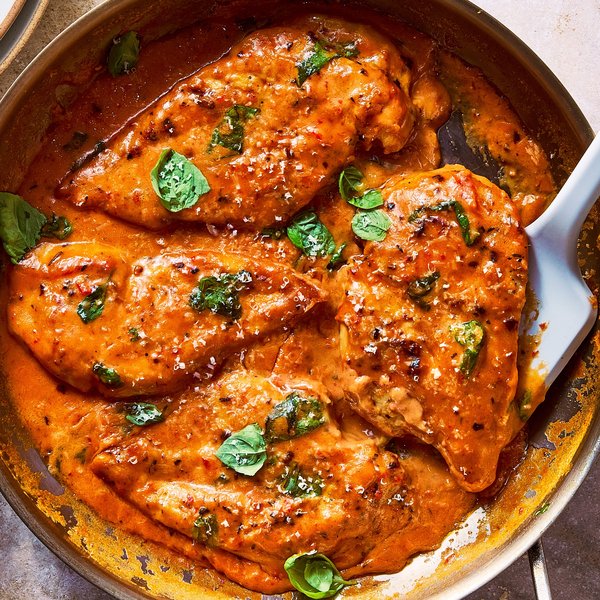
Delicious High-Protein Marry Me Chicken, an excellent lean meat option.
- Fish and Seafood: Salmon (rich in Omega-3s), cod, shrimp, and tuna offer high-quality protein and often healthy fats.
- Eggs: A versatile and complete protein source, eggs are quick, easy, and can contribute to satiety.
- Dairy Products: Greek yogurt, cottage cheese, milk, and certain cheeses are packed with protein. Icelandic yogurt, for instance, is noted for its high protein-to-calorie ratio.
Plant-Based Proteins:
- Legumes: Lentils, chickpeas, black beans, and other beans are fantastic sources of protein and fiber.
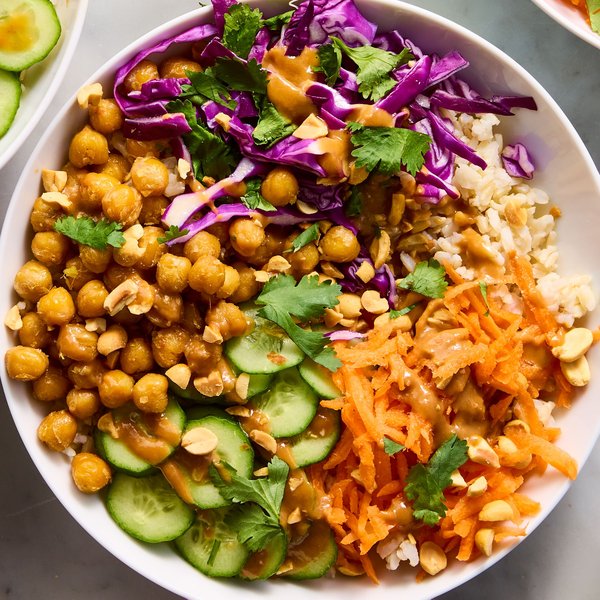
Flavorful Peanut Chickpea Protein Bowls, showcasing the versatility of plant-based protein.
- Nuts and Seeds: Almonds, peanuts, chia seeds, and flax seeds provide protein, healthy fats, and fiber.
- Tofu and Tempeh: Soy-based products are excellent complete protein sources for vegetarians and vegans.
- Quinoa: One of the few plant-based complete proteins, quinoa is a great addition to meals.
- Certain Vegetables: While lower in protein than other sources, vegetables like Brussels sprouts, corn, and spinach contribute to overall protein intake, alongside essential vitamins and fiber.
Balancing Macronutrients
While the focus is on protein, a truly healthy high-protein diet must still be balanced. This means:
- Carbohydrates: Opt for complex carbohydrates like whole grains (oats, brown rice, whole-wheat bread), fruits, and vegetables. These provide essential fiber and nutrients, and help sustain energy. Avoid refined carbs and high-sugar foods.
- Fats: Include healthy unsaturated fats from sources like avocados, oily fish, nuts, seeds, and olive oil. Fats are crucial for hormone function, nutrient absorption, and overall health.
Sample High-Protein Meal Plan Ideas
Here's a sample 7-day high-protein meal plan designed for beginners, focusing on diverse and easy-to-prepare recipes. This plan aims for roughly 100 grams of protein per day, distributed across three meals and a couple of snacks.
A Week of Protein-Powered Meals
| Meal Type | Monday | Tuesday | Wednesday | Thursday | Friday | Saturday | Sunday |
|---|---|---|---|---|---|---|---|
| Breakfast | Greek yogurt with berries and a sprinkle of nuts | Scrambled eggs with spinach and whole-grain toast | Cottage cheese with sliced avocado and cherry tomatoes | Protein pancakes with a dollop of Greek yogurt and fruit | Tofu scramble with mixed vegetables | Breakfast burrito with eggs, black beans, and salsa | Oatmeal with protein powder, chia seeds, and fruit |
| Lunch | Grilled chicken salad with mixed greens and a light vinaigrette | Lentil soup with a side of whole-grain crackers | Tuna salad (made with Greek yogurt) on whole-wheat bread with cucumber slices | Leftover chicken and vegetable stir-fry | Chickpea salad sandwich (vegan) | Quinoa salad with roasted vegetables and feta cheese | Lean beef and bean chili |
| Dinner | Baked salmon with roasted asparagus and quinoa | Lean ground turkey and vegetable stir-fry with brown rice | Chicken breast with sweet potato and steamed broccoli | Skillet pork chops and beans with a side salad | Shrimp lettuce wraps with a peanut sauce | Homemade fish fingers with chilli-flecked rice | Beef Burgundy with whole-wheat pasta |
| Snacks (Optional) | Hard-boiled eggs, small handful of almonds, string cheese, protein shake, cottage cheese, Greek yogurt. Aim for 10-20g of protein per snack. | ||||||
Meal Prep and Practical Tips
To make a high-protein diet more manageable, especially for beginners or those with busy schedules, meal prepping is invaluable:
- Batch Cooking: Prepare larger quantities of protein sources like grilled chicken, roasted vegetables, or cooked lentils at the beginning of the week.
- Pre-Portioning: Divide cooked meals into individual containers for easy grab-and-go lunches and dinners.
- Simple Ingredients: Focus on recipes with simple ingredient lists and minimal cooking steps. One-pot and sheet-pan dinners are excellent for easy cleanup.
- Smart Swaps: Incorporate protein boosters into existing dishes, such as adding protein powder to oatmeal or smoothies, or choosing Greek yogurt over regular yogurt.
- Hydration: Don't forget to drink plenty of water throughout the day.

An organized meal prep layout for a high-protein week.
The Science Behind Protein's Impact
How Protein Influences Your Body
Protein's influence extends far beyond just building muscle. It's a fundamental macronutrient involved in virtually every cellular process. When you consume protein, your body breaks it down into amino acids, which are then reassembled to form new proteins needed for various functions. This constant synthesis and breakdown are essential for maintaining bodily integrity and function.
For instance, protein is integral to enzyme production, which catalyzes biochemical reactions, and to hormone synthesis, regulating everything from metabolism to mood. Moreover, components of your immune system, like antibodies, are made of protein, highlighting its role in disease defense.
Optimizing Protein Absorption and Utilization
While consuming sufficient protein is important, optimizing its absorption and utilization can further enhance its benefits. Distributing protein intake throughout the day, rather than consuming it all in one large meal, is often recommended. This approach ensures a steady supply of amino acids, which can be particularly beneficial for muscle protein synthesis.
The quality of protein also matters. Complete proteins, found in animal sources like meat, eggs, and dairy, as well as some plant sources like soy and quinoa, contain all nine essential amino acids that your body cannot produce on its own. Combining different plant protein sources throughout the day (e.g., beans and rice) can also ensure a complete amino acid profile.
Assessing Your High-Protein Diet Profile
To give you a better understanding of how a high-protein diet might align with various health and lifestyle considerations, here's a radar chart illustrating key aspects. These are qualitative assessments based on general dietary principles and are not a substitute for professional medical or nutritional advice.
A radar chart visualizing key aspects of a high-protein diet, considering its balance and impact on various health factors.
This chart illustrates that while a high-protein diet excels in satiety and muscle support, a balanced general diet may offer broader nutrient density and long-term sustainability due to its wider inclusion of diverse food groups without strict macronutrient ratios. The "Digestive Comfort" axis highlights that while protein is good, excessive amounts without enough fiber from fruits, vegetables, and whole grains can sometimes lead to digestive issues for some individuals. The key is finding a personalized balance that caters to your unique needs.
Visualizing Protein-Rich Meal Ideas
To further inspire your high-protein meal planning, here's a video featuring quick and easy protein-packed dinners. Visualizing these recipes can help you understand the preparation process and discover new favorites that align with your protein goals and busy schedule.
A compilation of five easy high-protein dinner recipes perfect for busy weeknights, offering practical visual guidance for meal preparation.
This video provides concrete examples of how to combine various protein sources with other healthy ingredients to create satisfying and nutritious meals. From chicken and fish dishes to vegetarian options, these recipes demonstrate that a high-protein diet doesn't mean sacrificing flavor or variety.
Considerations and Potential Downsides
While beneficial for many, high-protein diets are not without considerations:
- Kidney Strain: Excessive protein intake over prolonged periods could potentially strain the kidneys, especially in individuals with pre-existing kidney conditions. Always consult a doctor before making significant dietary changes.
- Nutrient Imbalance: If not well-planned, a high-protein diet might inadvertently lead to an inadequate intake of essential nutrients from carbohydrates (especially whole grains) and healthy fats if these are overly restricted.
- Processed Meats: It's crucial to choose nutrient-rich protein sources and avoid processed meats, which can be high in unhealthy fats and sodium. Focus on lean meats, fish, eggs, legumes, and nuts.
- Cost: Certain protein sources can be more expensive. Budget-friendly options like eggs, lentils, beans, and canned fish can help keep costs down while still providing ample protein.
Frequently Asked Questions (FAQ)
What is considered a high-protein diet?
How much protein do I need on a high-protein diet?
Can a high-protein diet help with weight loss?
What are the best sources of protein for a high-protein diet?
Are there any risks to a high-protein diet?
Conclusion
Adopting a high-protein meal plan can be a highly effective strategy for achieving various health and fitness goals, from weight management and muscle building to improved satiety and stable energy levels. The key to success lies in choosing a wide array of high-quality protein sources, balancing your meals with complex carbohydrates and healthy fats, and customizing your intake to your individual needs and lifestyle. By focusing on nutrient-dense foods and smart meal preparation, you can enjoy a delicious and sustainable high-protein diet that fuels your body and supports your well-being.
Recommended Searches
- Explore plant-based options for a high-protein diet.
- Discover efficient strategies for preparing high-protein meals in advance.
- Delve deeper into the scientific evidence supporting and cautioning against high-protein eating.
- Understand how to calculate your specific protein requirements based on activity level.