
Illuminating Minds: Engaging High Schoolers with On-Site Solar Power
Transforming Your School's Solar Installation into a Living Laboratory
Key Highlights for Your Solar Energy Program
- Hands-on learning opportunities abound, from building solar ovens to designing and analyzing the school's own solar array.
- Understanding the science behind solar power, including photovoltaic cells and energy conversion, is crucial for project success.
- Numerous resources and existing lesson plans are available to support the development of engaging solar energy activities for high school students.
Leveraging your high school's rooftop solar panel installation offers a unique and powerful opportunity to create engaging, project-based learning experiences for your students. This on-site resource can transform abstract concepts about renewable energy into tangible, real-world applications, fostering deeper understanding and inspiring future innovators. This response will guide you through resources for learning the basics of solar power installations and provide examples of impactful projects and activities tailored for high school students.
Understanding the Fundamentals of Solar Power Systems
Before diving into projects, it's essential to have a solid grasp of how solar power systems work. Solar panels, also known as photovoltaic (PV) panels, are the core component. They are comprised of smaller units called solar cells. These cells are like tiny power generators that convert sunlight directly into electricity through a process involving semiconductor materials, typically silicon. When sunlight hits the silicon, it knocks electrons free from atoms, creating a flow of electricity.
A complete solar power system involves more than just the panels. Key components include:
Solar Panels (PV Modules)
These collect sunlight and convert it into direct current (DC) electricity. The efficiency of these panels is a crucial factor in how much energy is generated.
Inverter
Solar panels produce DC electricity, but most buildings and the electrical grid use alternating current (AC) electricity. The inverter converts the DC power from the panels into usable AC power.
Mounting System
This secures the solar panels to the roof or ground, often at an angle to optimize sun exposure. The angle and orientation significantly impact energy production.

Installing solar panels on a roof.
Wiring and Electrical Connections
These connect the solar panels to each other, to the inverter, and to the electrical panel of the building.
Monitoring System
Many modern solar installations include monitoring systems that track energy production and system performance. This data can be invaluable for educational projects.
Resources for Learning Solar Power Basics
Several online resources provide accessible introductions to solar power systems. These are excellent starting points for both educators and students:
- Solar - Energy Kids: U.S. Energy Information Administration (EIA): Offers a simple explanation of how solar PV devices work.
- How does solar power work? | Solar energy explained - National Grid: Provides a clear overview of the two forms of solar energy generation (electricity and heat).
- Solar energy (video) | Khan Academy: A video explanation of how photovoltaic solar cells convert light energy into electrical energy.
- Solar Energy Basics | Coursera: An introductory course covering the fundamentals of solar power systems and installations.
Understanding the science at a slightly more detailed level, including the function of p-type and n-type silicon in solar cells, can enhance project possibilities. Resources like the American Chemical Society's explanation (How a Solar Cell Works - American Chemical Society) can be helpful for advanced students.
Engaging High School Projects and Activities
With the school's solar installation as a backdrop, you can design a variety of projects that connect theory to practice. Here are some ideas, categorized by focus area:
Analyzing the School's Solar Performance
The most direct way to utilize the on-site installation is to involve students in monitoring and analyzing its performance. This can lead to projects focused on data analysis and optimization.
Monitoring and Interpreting Solar Energy Dashboards
Many solar systems have dashboards that display real-time and historical data on energy production. Students can learn to access, interpret, and present this data. Projects could involve:
- Tracking daily, weekly, or monthly energy production.
- Comparing energy production under different weather conditions.
- Calculating the amount of greenhouse gas emissions avoided by using solar power.
- Creating presentations or reports summarizing the system's impact.
Resources like For Students – Empowering learning: student activities highlight the value of interpreting solar energy dashboards.
Calculating System Efficiency
Students can learn to calculate the efficiency of the solar panels based on factors like sunlight intensity and temperature. This can involve understanding concepts like irrandiance and the impact of environmental factors on performance.
Designing and Building Solar Devices
Hands-on projects where students build their own solar-powered devices solidify their understanding of energy conversion and circuit design.
Building a Solar Oven
A classic and accessible project, building a solar oven demonstrates the principles of using solar thermal energy to heat. Students can experiment with different designs and materials to optimize heat absorption.
A simple solar oven made from a pizza box.
Resources like Five Easy Solar Power Experiments for Kids | STEAM | solar4STEM and 8 Fun Activities to Teach Kids About Solar Energy - QM Cell Dots provide instructions for building pizza box solar ovens.
Creating Simple Solar Circuits
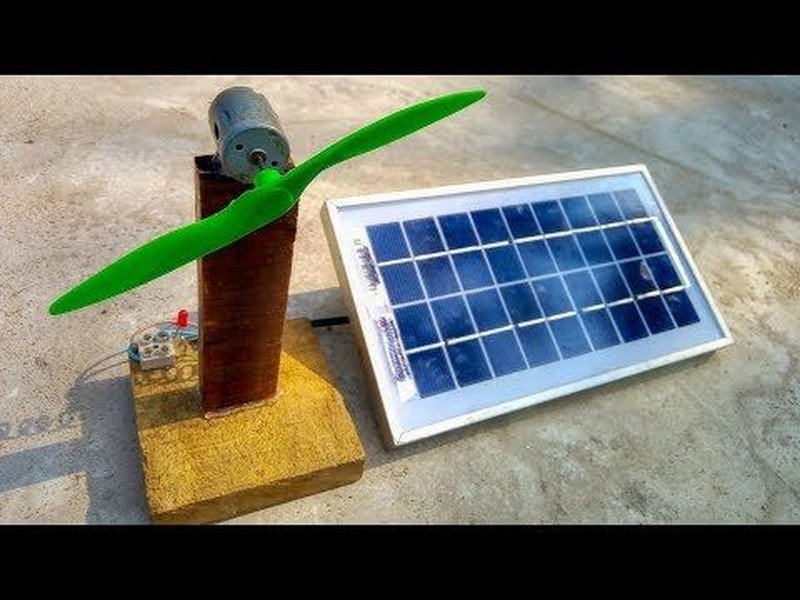
Using small solar cells, students can build simple circuits to power small motors, LEDs, or buzzers. This introduces them to basic electrical concepts like voltage, current, and wattage.
The Solar Cell Classroom Set is a resource specifically designed for hands-on explorations with solar power and electricity.
Designing a Solar-Heated Home Model
Students can design and build model homes that utilize passive solar heating principles, investigating the thermal storage properties of different materials.
The activity described in Solar Power - Activity - TeachEngineering focuses on this concept.
Building a Solar-Powered Car
Designing and building a small solar-powered vehicle allows students to explore the relationship between solar panel size, motor efficiency, and vehicle movement. This can be a competitive and engaging project.
Investigating Solar Energy Applications and Impact
These projects encourage students to think more broadly about the role of solar energy in society and its environmental impact.
Researching Different Types of Solar Technology
Students can research and compare different types of solar panels (e.g., monocrystalline, polycrystalline, thin-film) and other solar technologies like concentrated solar power.
Analyzing the Environmental Benefits of Solar Power
Projects can focus on the reduction of carbon emissions and other pollutants by using solar energy compared to fossil fuels. Students can research the impact of solar farms and the lifecycle of solar panels.
Designing a Solar Power System for a Specific Need
Inspired by real-world problems, students can design solar power systems for scenarios like powering a remote village, a water pump for agriculture, or even a mobile classroom for disaster relief.
The lesson plan Solar-Powered Classroom | Lesson Plan - Science Buddies is an excellent example of this type of project.
Exploring the History of Solar Energy
Students can research the historical development of solar technology and the key figures who contributed to its advancement.
Integrating Solar Energy into the Curriculum
Solar energy can be integrated into various subjects beyond physics and environmental science.
Math and Data Analysis
Students can use mathematical concepts to calculate energy production, system size requirements, and cost savings.
Chemistry
Exploring the chemical processes within solar cells can be a relevant topic for chemistry classes.
Social Studies and Economics
Discussing energy policy, the economics of renewable energy, and the global impact of solar power can be incorporated into social studies or economics lessons.
Structuring Project-Based Learning
When implementing project-based learning with your school's solar installation, consider the following steps:
Define Clear Learning Objectives
What do you want students to understand or be able to do by the end of the project?
Provide Background Information
Ensure students have a foundational understanding of solar energy basics before starting the project.
Offer Project Choices
Allowing students to choose from a few project options can increase engagement and cater to different interests.
Provide Necessary Materials and Resources
Ensure students have access to the tools, materials, and information they need to complete their projects.
Facilitate and Guide
Act as a facilitator, guiding students through the process and providing support as needed.
Include a Presentation or Sharing Component
Having students present their findings or projects to their classmates or a wider audience enhances their communication and presentation skills.
Students presenting their solar energy projects.
Additional Resources and Support
Beyond the specific project ideas, several organizations and websites offer comprehensive resources and lesson plans for teaching solar energy at the high school level:
- Solar Power & Projects for Kids & Teens | LetsGoSolar.com
- High School, Use Solar Energy Science Projects | Science Buddies
- Renewable Energy Lesson Plans & Teaching Materials - CREATE
- Solar in the Schools Outreach Program - Solar Energy International (SEI): Solar Training for Clean Energy Careers
Here is a table summarizing some of the key project types and their learning objectives:
| Project Type | Description | Learning Objectives |
|---|---|---|
| Analyzing Solar Performance | Monitoring and interpreting data from the school's solar dashboard. | Data analysis, understanding system performance, recognizing environmental impact. |
| Building Solar Devices | Constructing functional devices powered by solar energy (e.g., solar oven, solar car). | Energy conversion, circuit design, engineering principles, problem-solving. |
| Investigating Solar Applications | Researching different solar technologies and their societal impact. | Research skills, critical thinking, understanding renewable energy's role. |
| Solar System Design | Designing a solar power system for a hypothetical or real-world scenario. | System thinking, application of knowledge, problem-solving, design thinking. |
Integrating the school's solar installation into your curriculum provides a dynamic and relevant context for teaching about renewable energy, science, technology, engineering, and math. By offering hands-on projects and opportunities for real-world analysis, you can empower your students to become informed and engaged participants in the transition to a sustainable future.
Frequently Asked Questions About Solar Energy Projects for High Schools
What safety precautions are necessary for solar energy projects?
Safety is paramount. When working with electrical components, even low-voltage ones, proper supervision is essential. Ensure students understand how to handle solar cells and wiring safely. For projects involving heat, like solar ovens, emphasize safe handling of hot materials. If the project involves any interaction with the school's main solar installation, strict protocols and expert supervision are required. Simple projects using small, low-power solar cells are generally safe for classroom environments.
How can I adapt projects for different student skill levels?
Many solar energy projects can be adapted in complexity. For students new to the topic, start with basic concepts like how a solar cell converts light to electricity and simple circuit building. More advanced students can delve into calculating efficiency, analyzing data from the school's system, designing more complex systems, or researching the physics behind photovoltaic technology. Offering tiered projects or opportunities for extension activities can cater to diverse abilities.
What materials are typically needed for these projects?
Material needs vary depending on the project. Simple projects like solar ovens can use readily available materials like cardboard boxes, aluminum foil, and plastic wrap. Basic circuit projects require small solar cells, wires, connectors, and low-voltage components like LEDs or small motors. More advanced design projects might involve software or access to data from the school's system. Many educational suppliers offer solar energy kits specifically designed for classroom use.
How can I connect these projects to career opportunities?
Highlight the growing field of renewable energy and the diverse career paths available in the solar industry, including solar panel installation, system design, manufacturing, and research. Discuss how the skills learned in these projects, such as problem-solving, data analysis, and hands-on building, are valuable in many STEM fields.
Are there grants or funding available for school solar projects?
Yes, there are often grants and funding opportunities available for schools looking to implement renewable energy education programs or expand their solar installations. Check with local and national energy organizations, educational foundations, and government programs. Resources like the Environmental Protection Agency’s Clean School Bus Rebates Program, mentioned in some sources, indicate available funding for clean energy initiatives in schools.
Can these projects be done indoors if sunlight is limited?
While direct sunlight is ideal for many solar energy experiments, some concepts can be explored indoors using artificial light sources, although the energy generated will be significantly less. Projects focused on system design, data analysis, or researching solar technology are not dependent on direct sunlight and can be conducted indoors. Consider supplementing hands-on outdoor activities with indoor research and design components.
References
Last updated April 23, 2025