
Minimum Temperature for Hiking: Guidelines and Safety Considerations
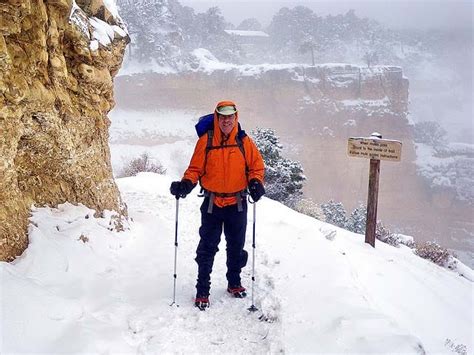
Understanding Minimum Hiking Temperatures
Comfort Levels and Personal Tolerance
The minimum temperature comfortable for hiking varies significantly among individuals, largely influenced by personal tolerance to cold. While some hikers may find temperatures as low as 30°F (-1°C) manageable with appropriate gear, others might prefer starting hikes when temperatures are above 50°F (10°C). Personal comfort plays a crucial role in determining the feasibility of hiking in cooler conditions.
Impact of Weather Conditions
Weather conditions such as wind, precipitation, and humidity greatly affect how cold temperatures feel during a hike. Wind chill can make the actual temperature feel significantly colder, increasing the risk of hypothermia and frostbite. Precipitation like rain or snow not only lowers the temperature but can also lead to slippery and hazardous trail conditions. Therefore, it's essential to consider these factors alongside the ambient temperature when planning a hike.
Elevation Effects
Temperature decreases with altitude, meaning that higher elevations will be colder than lower ones. Hikers should account for the elevation of their hiking trail, as temperatures at higher altitudes may fall below what they are accustomed to at sea level. This elevation-related temperature drop necessitates additional preparation and appropriate gear to ensure safety and comfort.
Clothing and Gear for Cold Weather Hiking
Layering System
Adopting a proper layering system is fundamental for maintaining body warmth while hiking in cold temperatures. The layering system typically consists of three layers:
- Base Layer: Made of moisture-wicking materials, this layer keeps sweat away from the skin.
- Insulating Mid-Layer: Provides warmth by trapping body heat. Fleece or down jackets are common choices.
- Outer Layer: Waterproof and windproof, this layer protects against external elements like rain, snow, and wind.
Essential Equipment
In addition to clothing layers, several pieces of equipment are essential for cold weather hiking:
- Insulated Footwear: Waterproof and insulated boots help keep feet dry and warm.
- Accessories: Gloves, hats, and neck gaiters protect extremities from cold exposure.
- Backpack Gear: Extra layers, emergency blankets, and heating packs can provide additional warmth if needed.
Specialized Gear for Extreme Cold
For hikes in extremely cold temperatures (below 20°F or -6°C), specialized gear becomes necessary:
- Advanced Insulation: High-quality down jackets and thermal base layers offer superior warmth.
- Snow Gear: Traction devices like crampons and gaiters prevent slips and keep snow out of boots.
- Navigation Tools: Reliable maps, GPS devices, and compasses are crucial in case of unexpected weather changes.
Safety Considerations
Hypothermia and Frostbite Prevention
Exposure to cold temperatures poses significant risks such as hypothermia and frostbite. Hypothermia occurs when the body loses heat faster than it can produce it, leading to symptoms like shivering, confusion, slurred speech, and loss of coordination. Frostbite, on the other hand, is the freezing of body tissues, typically affecting extremities like fingers, toes, ears, and nose. To prevent these conditions:
- Dress in layers to maintain body heat.
- Stay dry by wearing waterproof and moisture-wicking clothing.
- Monitor your physical condition and take breaks to warm up as needed.
- Avoid excessive exertion that can lead to sweating, which increases heat loss.
Emergency Preparedness
Preparation for emergencies is vital when hiking in cold conditions. This includes:
- First Aid Kit: Carry a comprehensive first aid kit that includes supplies for treating cold-related injuries.
- Emergency Shelter: Portable tents or emergency blankets can provide warmth if you need to take shelter unexpectedly.
- Communication Devices: Carry a fully charged mobile phone or a satellite communicator to call for help if necessary.
Hiking with Companions
Hiking with others enhances safety, especially in cold weather. Companions can provide assistance in case of injury or sudden weather changes. It's advisable to hike with at least one other person and inform someone about your hiking plans, including your route and expected return time.
Planning and Preparation
Checking Weather Forecasts
Before embarking on a hike, thoroughly check the weather forecast for the planned area. Pay attention to:
- Temperature: Understand the expected range and how it might fluctuate during the hike.
- Wind Chill: Calculate the wind chill factor, which can make temperatures feel significantly colder.
- Precipitation: Anticipate rain, snow, or other forms of precipitation that could impact trail conditions and dressing strategies.
Informing Others of Your Plans
Always inform a friend or family member about your hiking plans. Provide details such as:
- Your intended route and trail difficulty.
- Start and expected end times of your hike.
- Emergency contact information.
In case of unexpected delays or emergencies, having someone aware of your plans can expedite rescue efforts.
Adjusting Hike Intensity and Duration
Adjust the intensity and duration of your hike based on the temperature and your physical condition. In colder weather:
- Allow for more frequent breaks to warm up.
- Shorten the length of your hike if necessary.
- Consider starting earlier to take advantage of warmer morning temperatures.
Best Practices for Cold Weather Hiking
Layering Techniques
Effective layering is critical for adapting to changing temperatures and exertion levels:
- Base Layer: Choose materials like merino wool or synthetic fibers that wick moisture away from the skin.
- Mid Layer: Opt for insulating materials such as fleece or down to trap body heat.
- Outer Layer: Select a waterproof and windproof jacket to shield against the elements.
Hydration and Nutrition
Maintaining hydration and energy levels is essential, even in cold weather. Carry ample water and high-energy snacks:
- Use insulated water bottles or hydration systems to prevent freezing.
- Consume carbohydrates and proteins to sustain energy.
- Monitor your hydration status, as dehydration can impair body heat regulation.
Foot Care
Cold weather can increase the risk of foot injuries and frostbite. To protect your feet:
-
Wear moisture-wicking socks and insulated, waterproof boots.
-
Ensure proper fitting of footwear to prevent blisters and cold spots.
-
Keep feet dry by changing socks when necessary.
Recommended Resources and Further Reading
For more detailed information on preparing for cold weather hikes, consider the following resources:
Summary
Determining the minimum temperature for hiking involves considering multiple factors, including personal tolerance, weather conditions, elevation, and the appropriateness of clothing and gear. While there is no universal minimum temperature, temperatures below 50°F (10°C) present increased challenges that require careful preparation. For winter hiking, temperatures can drop below freezing, but with the right equipment and precautions, hiking can be safely undertaken in temperatures as low as 20°F (-7°C). Prioritizing safety by checking weather forecasts, dressing in layers, staying hydrated, and being prepared for emergencies are essential practices for hiking in colder temperatures. Always err on the side of caution and adjust your plans based on current conditions and personal readiness.
Last updated January 5, 2025