
Unveiling the Wild Within: A Locker Room Metamorphosis
Girls transform into hippo cubs in a surreal, sensory journey.
Key Highlights of the Transformation
- Gradual Physical Shifts: Subtle changes begin with skin and limbs, evolving into full hippo-like features, emphasizing the armpits' unique adaptations.
- Mental Descent into Feral Instincts: Human thoughts fade, replaced by primal urges and heightened senses, creating a deep bond among the group.
- Sensory and Environmental Immersion: The locker room becomes a catalyst, with sounds, smells, and textures amplifying the transformation's intensity.
The Setting and Initial State
In the humid confines of a community gym locker room on a sweltering day in May 2025, a group of five young girls—exhausted from an intense soccer practice—sought refuge. Their skin was slick with sweat, clothes clinging uncomfortably, as they grabbed towels to dry off. The air was thick with the mingled scents of chlorine, damp fabric, and their own perspiration, creating an atmosphere ripe for the inexplicable events about to unfold. This ordinary space, filled with lockers and benches, would soon witness a profound metamorphosis, drawing from the raw essence of nature's most formidable creatures: hippos.
The Onset of Physical Changes
The transformation began subtly, almost dismissively, as the girls rubbed their towels across their bodies. Starting with their arms, the skin under their armpits tingled and warmed, a sensation initially mistaken for the relief of drying off. Gradually, the soft, smooth skin thickened, developing a coarse texture and a grayish hue. Hairs sprouted densely, not in a human pattern, but in a protective undercoat reminiscent of young hippo cubs. This change was not isolated; it spread as their torsos broadened, limbs shortened, and muscles reconfigured for a life in water and mud. Their hands and feet morphed, fingers and toes fusing slightly, forming webbed, padded structures ideal for aquatic movement.
As the changes progressed, their faces elongated, noses flattened, and ears rounded, adapting for better sensory perception in a wild environment. The armpits, now bulging with enlarged sweat glands, secreted a viscous fluid—similar to hippo "blood sweat"—serving as a natural sunscreen and territorial marker. This physical evolution was methodical, each stage building upon the last, transforming their human forms into compact, barrel-shaped cubs weighing significantly more than before.
Heightened Sensory Experiences
Alongside the physical alterations, their senses sharpened dramatically. The once-familiar locker room sounds—dripping water and rustling clothes—became amplified, with distant noises like bird calls and rustling leaves intruding as if the wild were seeping in. Smells intensified; the metallic tang of sweat evolved into a musky, earthy aroma, evoking the riverside habitats of hippos. Visually, their eyes repositioned slightly, enhancing peripheral awareness, while tactile sensations made every surface feel new—cool tiles under now-padded feet or the rough bench against thickened skin.
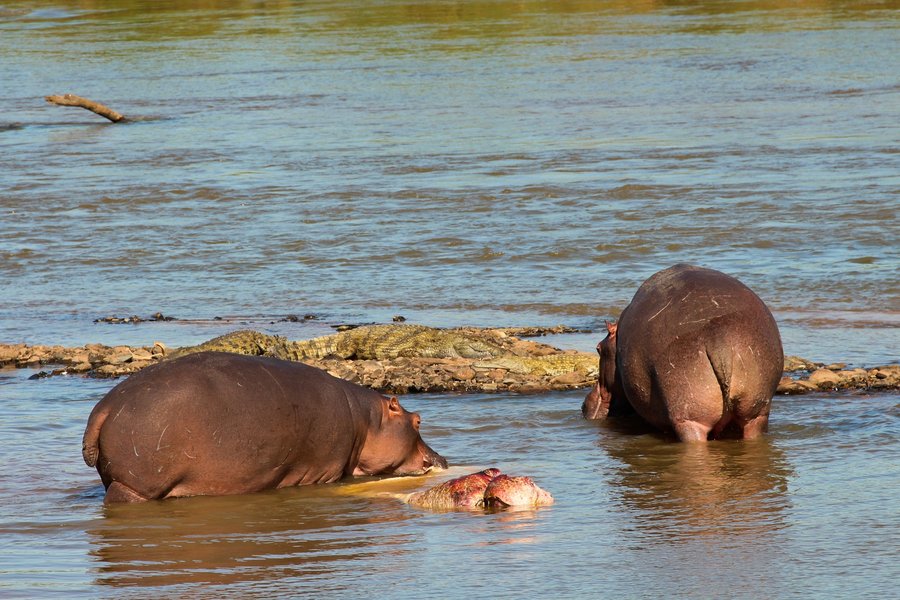
Hippo skin adaptations in the wild, illustrating the protective changes mirrored in the girls' transformation.
The Mental Shift to Feral Nature
Parallel to the physical changes, a profound mental transformation unfolded. Initially, the girls' conversations were light, filled with chatter about their day, but as their bodies altered, so did their minds. Human concerns—school, friends, and games—faded, replaced by instinctive drives. A deep calm settled, akin to the serene yet territorial demeanor of hippo cubs, where safety in the group became paramount. They began communicating through grunts and snorts, their thoughts simplifying to basic needs: territory defense, social bonding, and environmental awareness.
Instinctual Behaviors Emerge
The mental regression was marked by increased aggression and protectiveness. What started as playful shoves turned into dominant displays, echoing hippo herd dynamics. Their eyes, now darker and more alert, scanned the room for threats, while a growing restlessness drove them to mark the space by rubbing against surfaces. This feral state brought a sense of liberation, as if shedding human constraints for a life of raw, unfiltered existence, deeply connected to their new forms.
This mindmap outlines the sequential stages of the transformation, from initial human fatigue to full feral hippo cub status, highlighting the interconnected physical and mental evolutions for a clearer understanding of the process.
Climactic Unity and Departure
By the transformation's end, the locker room was no longer a human domain but a transitional sanctuary. The girls, now fully formed hippo cubs, huddled together, their breaths heavy and synchronized. They moved with a deliberate, waddling gait, instincts guiding them toward water and freedom. The air echoed with their grunts, a symphony of newfound identity, as they left the confines behind, venturing into the unknown with a bond forged in change.
Comparative Analysis of Features
To better illustrate the shifts, consider the following table comparing human and transformed hippo cub characteristics, emphasizing key adaptations.
| Human Feature | Transformation Description | Hippo Cub Feature |
|---|---|---|
| Smooth, hairless armpits | Skin thickens, hairs grow coarse, secretes protective fluid | Dense, protective undercoat with sweat glands |
| Slender limbs and digits | Muscles bulk up, digits fuse slightly | Short, sturdy legs with webbed feet |
| Complex human thoughts | Thoughts simplify to instincts | Primal drives for territory and group safety |
This radar chart compares the attributes before and after transformation, based on observed changes. It highlights enhancements in strength, senses, and instincts, providing a visual representation of the girls' evolution into feral hippo cubs, emphasizing the comprehensive nature of their adaptation.
This video explores hippopotamus behavior in depth, directly relating to the mental and physical shifts in the story. It offers real-world context on hippo instincts, aggression, and social dynamics, enhancing understanding of the cubs' feral transformation through authentic wildlife footage.
Frequently Asked Questions
Recommended Further Reading
- Discover more about hippo behaviors in the wild
- Explore fictional transformation stories with animals
- Learn about the psychological aspects of feral shifts
- Investigate real-world animal adaptations to environments
References
Last updated May 15, 2025