
Historical Context and Depictions of the Sirens
From Bird-Women to Mermaids: The Evolution of Mythical Temptresses
Key Takeaways
- Origins rooted in ancient Greek and Near Eastern mythology
- Evolving representations in art reflecting cultural shifts
- Enduring symbolism of temptation and danger in modern culture
Origins and Mythological Role
Mythological Foundations
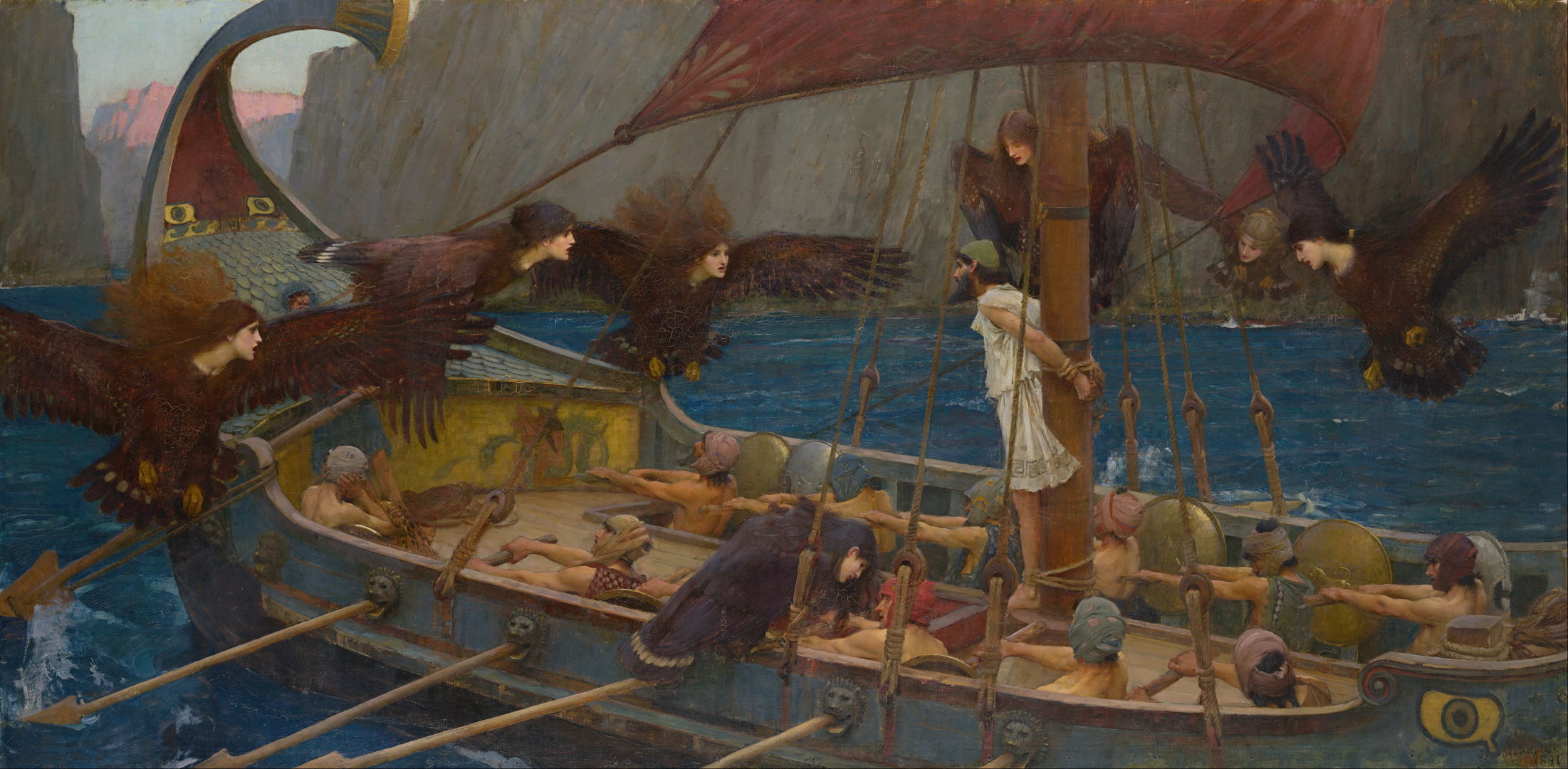
The Sirens are prominent figures in Greek mythology, renowned for their mesmerizing voices and the perilous allure they exert over sailors. Originating as hybrid creatures with the bodies of birds and the heads of women, their earliest appearances can be traced back to ancient Greek oral traditions and literary works, particularly Homer's Odyssey.
In the Odyssey, Sirens inhabit an island between Aeaea and Scylla, using their enchanting songs to lure sailors to their doom. This narrative underscores their role as embodiments of temptation and the inherent dangers associated with succumbing to alluring but destructive forces. The Sirens are often depicted as daughters of the river god Achelous and a Muse, varying in parentage across different sources, which highlights the fluidity of their mythological origins.
Symbolically, the Sirens represent the treacherous allure of the unknown and the perils of exploration without caution. Their ability to calm winds with their music signifies their control over natural and supernatural elements, making them formidable obstacles in heroic quests.
Cultural and Symbolic Significance
The Sirens have been interpreted as multifaceted symbols throughout history. They embody the dangers of temptation and the consequences of reckless desire, serving as cautionary figures against hubris and overreaching ambition. Additionally, they represent the femme fatale archetype, embodying the perceived dangers inherent in female beauty and seduction.
Cross-cultural parallels with figures like the Slavic Rusalki and the Germanic Lorelei suggest a universal fascination with the theme of alluring yet perilous beings. This recurring motif underscores the human intrigue with the balance between attraction and danger.
Depictions in Ancient Greek Art
Early Representations
In the early Greek period (8th-7th centuries BCE), Sirens were depicted as hybrid creatures with the body of a bird and the head of a woman. Influenced by Near Eastern art, these portrayals emphasized their otherworldly and menacing nature. Ceramic artifacts from this era frequently showcase Sirens holding musical instruments like lyres, highlighting their role as enchantresses.
Classical and Hellenistic Periods
During the Classical and Hellenistic periods, artistic depictions of Sirens began to incorporate more human-like features. Their bird-like lower bodies remained, but upper bodies became more feminine and human, reflecting a shift towards portraying them as embodiments of seductive beauty. This evolution aligns with the broader artistic trends of idealizing the human form and exploring complex character traits in mythological figures.
Funerary Art and Symbolism
Sirens frequently appeared in ancient Greek funerary art, symbolizing mourning and the transition between life and death. Their presence in such art forms underscores their role as intermediaries between the mortal world and the supernatural realm. This association with death further reinforces their depiction as entities of both allure and danger.
Transformations During Roman, Medieval, and Renaissance Periods
Roman Adaptations
The Roman era saw the adoption and adaptation of Sirens within a broader moralistic framework. Roman art portrayed them with more elaborate and vivid compositions, often within maritime-themed decorations. The emphasis shifted towards using Sirens as warnings against indulgence, excess, and moral decay, integrating them into the societal norms and values of the time.
Medieval Interpretations
With the rise of Christianity, Sirens transformed into symbols of sin and spiritual peril. Medieval bestiaries often depicted them as part-bird, part-mermaid creatures, embodying the duality of their nature as both aerial enchantresses and aquatic beings. This dual imagery reinforced their association with navigation dangers and moral transgressions.
Renaissance Revivals
The Renaissance period revived classical motifs of the Sirens, portraying them predominantly as beautiful women rather than hybrids. Artists like John William Waterhouse and Gustave Moreau reimagined Sirens as figures of sensual beauty and inherent danger, aligning with the era's fascination with humanism and the idealization of the human form. These depictions emphasized the tension between allure and destruction, embodying the femme fatale trope.
Modern Interpretations in Literature and Popular Culture
Literary Reimaginings
In modern literature, Sirens are often reinterpreted through feminist lenses, portraying their enchanting voices as expressions of repressed agency or desire. Contemporary authors explore the Sirens' struggle between their predatory instincts and a yearning for freedom or redemption, adding layers of complexity to their characters. Additionally, Sirens serve as metaphors for the seductive dangers of art and creativity, highlighting the fine line between inspiration and obsession.
Visual and Popular Media
Popular culture frequently portrays Sirens as mermaid-like creatures, emphasizing their connection to the ocean and navigation. Films, television shows, and contemporary art present Sirens as multifaceted characters, often depicting their internal conflicts and complex motivations. This shift from purely malevolent beings to more nuanced characters reflects modern storytelling's focus on character depth and moral ambiguity.
Symbolism and Cultural Significance
The Sirens embody several enduring themes across different eras:
Temptation and Desire
Sirens symbolize the destructive potential of unchecked longing and the dangers of succumbing to alluring but harmful influences. Their ability to enchant and lead sailors to their demise serves as a metaphor for the perils of temptation in various aspects of life.
Femininity and Danger
As representations of the femme fatale archetype, Sirens embody the duality of beauty and danger inherent in certain feminine archetypes. This portrayal reflects societal views on the perceived risks associated with female allure and seduction.
Mortality and Transcendence
Sirens act as mediators between life and death, symbolizing the boundary between the mortal world and the supernatural. Their presence in funerary art and mythological narratives underscores their role in themes of mortality and the unknown.
Art and Beauty
The paradoxical power of beauty to both inspire and destroy is a central theme embodied by Sirens. Their enchanting appearances and captivating songs highlight the complex relationship between aesthetic allure and inherent danger.
Evolution of Siren Depictions Over Time
| Period | Depiction | Symbolism | Notable Features |
|---|---|---|---|
| Ancient Greek (8th-7th centuries BCE) | Bird-women hybrids | Dangers of temptation and exploration | Holding musical instruments, fierce appearance |
| Classical and Hellenistic | More human upper bodies with bird-like lower bodies | Embodiment of seductive beauty | Human features become more pronounced |
| Roman Period | Elaborate and vivid compositions | Warnings against indulgence and moral decay | Maritime-themed decorations, moralistic themes |
| Medieval | Part-bird, part-mermaid creatures | Symbols of sin and spiritual peril | Dual imagery of aerial and aquatic traits |
| Renaissance | Beautiful women, less hybrid | Sensual beauty and inherent danger | Idealized human forms, blending with mermaid traits |
| Modern | Mermaid-like with complex characters | Temptation, danger, and internal conflict | Nuanced portrayals in literature and media |
Conclusion
The Sirens have undergone significant transformations from their origins in ancient Greek mythology to their modern interpretations in literature and popular culture. Their evolution from bird-women hybrids to mermaid-like figures reflects broader cultural and artistic shifts, while their enduring symbolism of temptation, danger, and the complex nature of allure remains a powerful narrative across generations.
References
Last updated January 23, 2025