
Historical Disaster Analysis in Cusco Districts
Discover insights into seismic events, floods, and urban resilience in Cusco
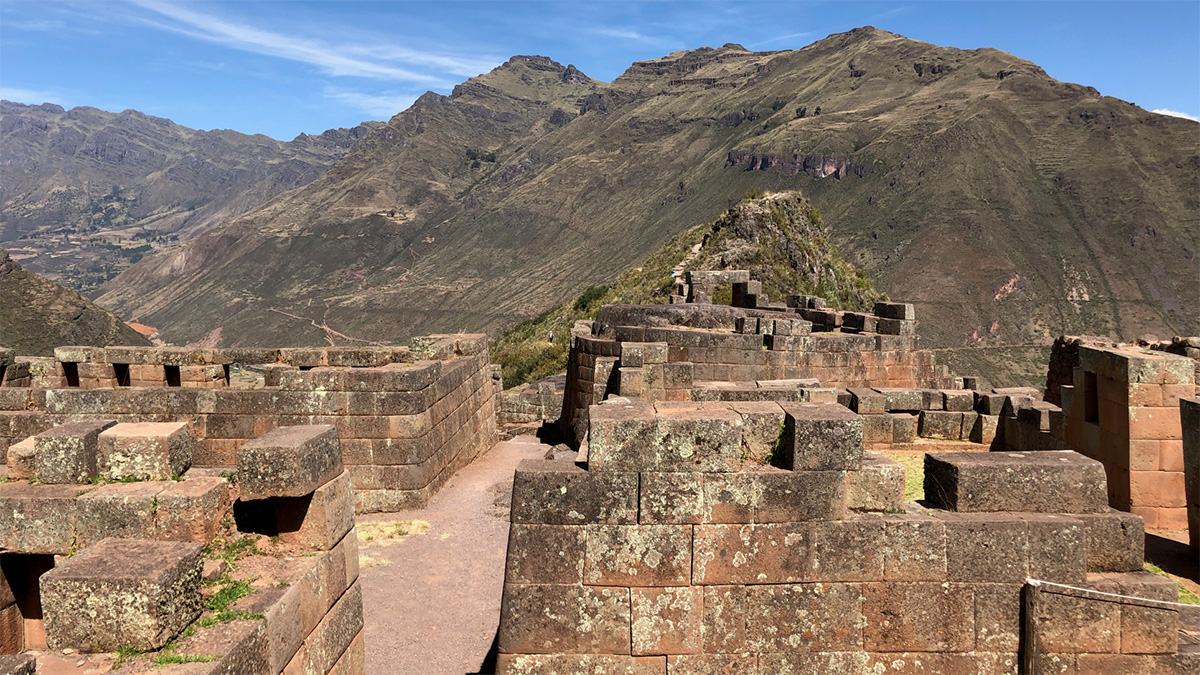
Key Insights
- Significant seismic events shaping historical narratives
- Recurring floods, landslides, and climatic challenges
- Urban vulnerability driving enhanced disaster management efforts
Introduction
The Cusco region, renowned for its rich cultural past and as the heartland of the Inca Empire, has experienced a multitude of natural disasters throughout its history. These events have molded its structural evolution and urban planning strategies over the centuries. The recurring seismic, climatic, and geological phenomena have not only redefined the architectural landscape but have also influenced the socio-economic fabric of the districts within Cusco.
A closer examination of historical disaster analysis in Cusco reveals the profound interplay between natural hazards and the local resilience mechanisms. This document integrates findings from various scholarly sources and historical records, offering a detailed overview of the region’s vulnerabilities, past disaster events, and the resulting shift in disaster management policies.
Geological and Seismic Impacts
Historical Earthquakes of Cusco
Cusco's seismic activity is a fundamental element in its historical narrative. The region has experienced several powerful earthquakes over the centuries. Notably, the earthquake of 1650 is remembered as one of the most destructive events in the pre-colonial era, severely impacting both the built environment and the cultural heritage of the Inca civilization. Another landmark event occurred in 1950 when a major earthquake struck the area, damaging over half of the buildings in Cusco and significantly altering its urban layout.
Additional research indicates that seismic events dating back to the Inca period have left discernible marks on the city’s architecture, revealing vulnerabilities in traditional construction materials such as adobe. Structural analyses have shown that these historical earthquakes often exceeded intensity levels of VII on the Modified Mercalli Intensity scale, challenging the durability of local infrastructure.
Geological Considerations and Active Faults
Geological studies have uncovered key features underlying the disaster risks in Cusco. Among these is the presence of active faults, including the Tambomachay Fault, which runs beneath the city's historic core. Researchers have identified a strong geological discontinuity in the area, which contributes to the amplification of seismic waves during an earthquake. The existence of soft sediment layers further intensifies the city’s vulnerability by causing localized amplification of ground shaking.
Such geological complexities have prompted detailed seismic hazard assessments. These exercises, often conducted in collaboration with universities and international organizations, employ space-temporal analyses to map out potential risk zones. The identification of these hazard-prone areas is essential not only for immediate disaster response but also for long-term urban planning and construction guidelines.
Climatic Disasters and Hydrological Challenges
Floods and Mudslides
Beyond the seismic challenges, Cusco's geography renders it particularly susceptible to flooding and mudslides. The interplay of heavy seasonal rains and the region’s steep topography often triggers landslides and sudden flooding episodes. Historical records underscore severe events, such as those occurring in February 2021 and during recent heavy rainfall episodes. These hydrological disasters have not only led to loss of life and property damage but have also disrupted the vital tourism sector by affecting infrastructures including bridges and roads.
The Vilcanota and Huatanay rivers, coursing through the region, further exacerbate flooding risks. Low-lying areas near these rivers are highly vulnerable, with recurrent inundations that influence local agricultural practices and community safety. Improved monitoring and early warning systems are gradually being instituted, aiming to mitigate future impacts.
Influence of Climate Change and El Niño
Climate change has emerged as a critical factor in the exacerbation of natural disasters in Cusco. The increased frequency of heavy rainfall, in tandem with the influence of El Niño events, has altered historical weather patterns, resulting in more frequent and intense flooding and landslides. While traditional climatic variability has always posed risks, the current trends suggest an amplification of these hazards.
Studies indicate that the region’s climatic conditions are progressively unstable, which further stresses the need for resilient agricultural practices and modernized disaster preparedness measures. This change in climate dynamics calls for proactive policy implementation and capacity-building initiatives at both the community and municipal levels.
Urban Vulnerability and Infrastructure
Impact on Urban Fabric
The historical disasters in Cusco have left a notable impact on the urban fabric of its districts. The recurrent nature of seismic events and climatic adversities has made it imperative to rethink and modernize infrastructure, particularly in the historic center where traditional adobe buildings are prevalent. These structures, while emblematic of Cusco’s heritage, are especially prone to damage during earthquakes.
Urban planning now faces the dual challenge of maintaining cultural authenticity and ensuring adequate structural safety. Past earthquakes, most notably those in 1650 and 1950, have spurred corrective measures that include retrofitting historic buildings and revising construction methodologies. Disaster risk assessments now incorporate both modern engineering principles and preservation techniques to safeguard these irreplaceable landmarks.
Integrative Risk Management Strategies
The vulnerable urban landscape of Cusco has driven the evolution of comprehensive risk management strategies aimed at reducing disaster impacts. These strategies encompass:
- Development of early warning systems for seismic and hydrological events
- Disaster preparedness education tailored for local communities
- Integration of modern construction standards with the preservation of historical structures
- Collaboration between local authorities, international agencies, and scholars for continuous risk assessments
The integration of these approaches has fostered a more resilient urban environment, where risk management plans are regularly updated in response to emerging data and climatic trends.
A Summary Table of Major Disasters in Cusco
| Disaster Type | Key Historical Events | Impact | Relevant Time Periods |
|---|---|---|---|
| Earthquake | 1650 Earthquake, 1950 Earthquake | Extensive damage to buildings, alteration of urban design, loss of cultural heritage | Pre-Colonial Era, Mid-20th Century |
| Flooding/Mudslides | Feb 2021 Floods, January 2024 Heavy Rains | Damage to infrastructure, loss of life, disruption to transportation and tourism | 21st Century |
| Climatic Shifts | El Niño influences, altered rainfall patterns | Escalation of flood and landslide risks, necessitating policy changes | Ongoing |
Response, Preparedness, and Future Directions
Emergency Response and Policy Implementation
The historical experiences from catastrophic events in Cusco have significantly influenced local emergency response protocols. Government agencies, in collaboration with international organizations, have deployed rapid response teams during periods of crisis, ensuring efficient evacuation and medical assistance. Such measures have evolved from lessons learned over centuries and are continuously refined to address modern-day challenges.
Disaster management strategies have increasingly emphasized the importance of not only immediate relief but also long-term reconstruction and infrastructural reinforcement. The restoration of historical sites and reinforcement of public infrastructures, such as bridges and roads, are prioritized to reduce future risks.
Advancements in Disaster Preparedness
With emerging technology, Cusco has seen the incorporation of advanced monitoring systems and risk assessment models into its disaster preparedness plans. Sensors and satellite data now provide real-time information on seismic activity and weather patterns. This advanced early warning capability is especially crucial in a region where every minute counts.
Educational programs aimed at enhancing community resilience are also gaining momentum. These initiatives focus on training local residents in basic emergency response skills, facilitating community drills, and disseminating vital information on disaster preparedness. Such proactive measures ensure that the population is well-informed and better prepared to face natural adversities.
Long-term Strategies for Urban Resilience
The necessity to balance historical preservation with the improved safety of urban areas drives future-oriented strategies for the Cusco region. Urban planners and policymakers are increasing investments in robust infrastructure designed to resist seismic and climatic forces. Simultaneously, there is a focus on preserving significant historical architectures, which bear cultural importance and contribute to the city’s distinctive character.
Integrated risk management frameworks ensure that future developments incorporate both modern engineering solutions and traditional building techniques. Collaborative efforts between local governments, academic institutions, and international disaster management agencies are pivotal in pursuing sustainable urban growth while mitigating future hazards.
References
- Written in Stone: Inca Buildings Remember Ancient Earthquakes - EOS
- Cusco - Wikipedia
- Peru Floods & Mudslides - FloodList
- Severe Weather & Landslides in Peru - ReliefWeb
- Cusco Disaster Vulnerability Analysis - PDC
- The 1950 Cusco Earthquake - GeoScience
-
Seismic Hazard Analysis in Cusco - SINIA
Recommended Explorations
Last updated March 6, 2025