
The Ultimate Showdown: Hitting a 95mph Fastball vs. Guarding Justin Jefferson
A deep dive into two of the most challenging tasks in professional sports
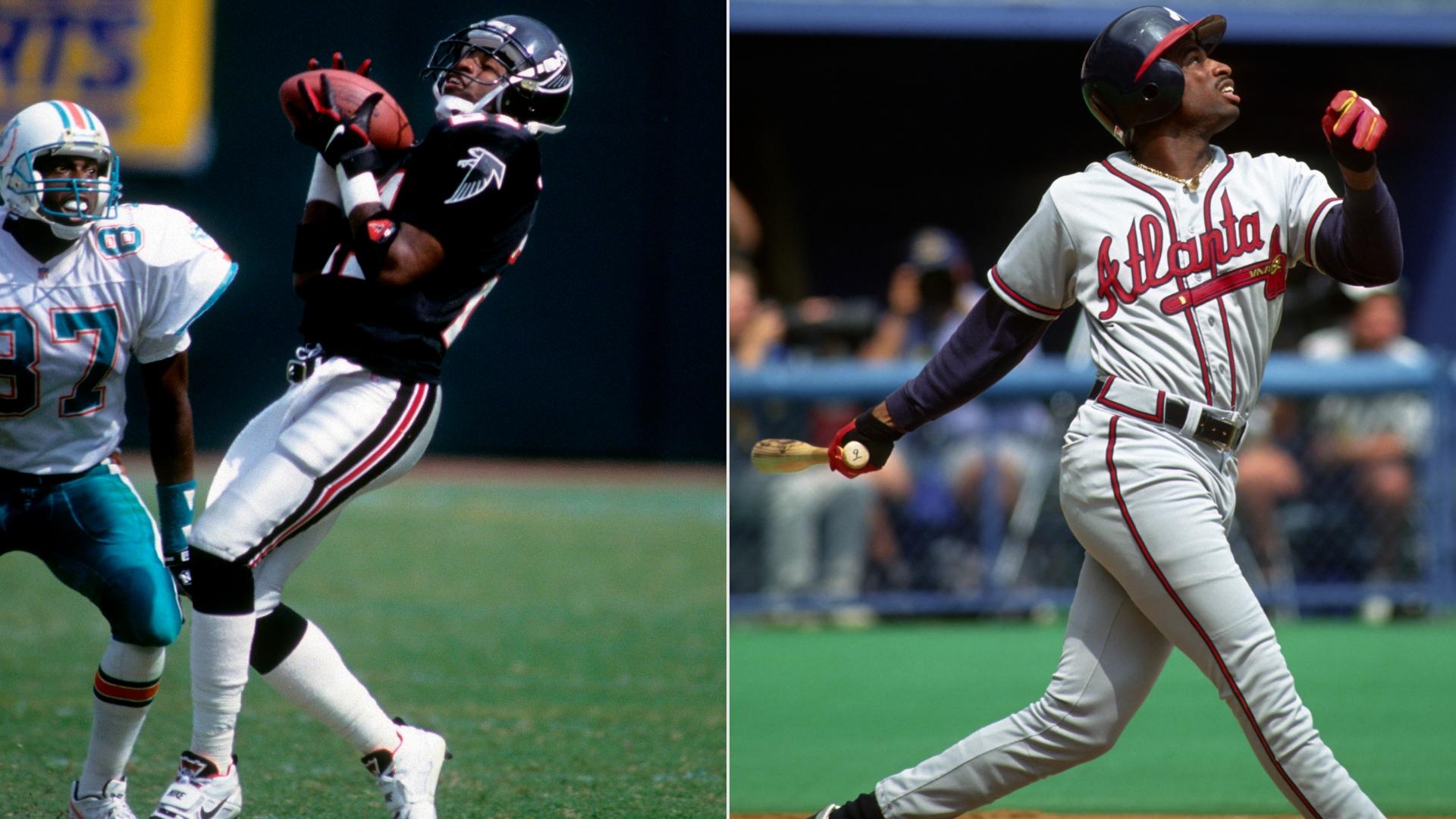
Key Takeaways
- Precision vs. Endurance: Hitting a high-velocity pitch demands extreme precision in a split second, while guarding Jefferson requires sustained physical and mental endurance throughout the game.
- Reaction Time: Both tasks involve minimal reaction times, but the nature of these reactions differs significantly between the two sports.
- Skill Sets: The skills required for each task are highly specialized, with hitting focusing on hand-eye coordination and mechanics, and cornerback play emphasizing agility, strategic thinking, and adaptability.
Introduction
In the realm of professional sports, few challenges stand out as being as equally demanding as hitting a 95mph fastball in Major League Baseball (MLB) and playing cornerback against an elite NFL wide receiver like Justin Jefferson. Both tasks require exceptional skill, physical prowess, and mental fortitude. This comprehensive analysis delves into the intricacies of each challenge, comparing their unique demands and determining which might be considered more difficult.
Hitting a 95mph Fastball in MLB
Physical Demands
Hitting a 95mph fastball is often cited as one of the most challenging tasks in all of sports. The physical demands are immense, requiring exceptional hand-eye coordination, precise timing, and flawless bat control. A batter must react to a pitch traveling at such high speed, covering the distance from the pitcher's release point to home plate in approximately 0.4 seconds. Within this fleeting moment, the batter must decide whether to swing, determine the trajectory of the ball, and execute a swing with impeccable mechanics to make contact.
Mental Pressure
The psychological aspect of hitting a 95mph fastball cannot be understated. Batters face immense pressure each time they approach the plate, knowing that their performance directly impacts the game's outcome. The split-second decision-making required demands intense concentration and the ability to stay composed under extreme stress. The margin for error is razor-thin; even slight miscalculations can result in a swing and a miss, making consistency a significant challenge.
Technical Precision
The technical aspects of hitting a high-velocity pitch involve mastering the swing mechanics to align with the ball's trajectory. The "sweet spot" on a bat is only about 2 inches wide, emphasizing the need for precise contact. Additionally, pitchers often vary their pitch types, introducing elements like backspin, sinking, or rising effects, which add layers of complexity to the batter's task. Successful hitters spend years refining their techniques to improve their chances of making solid contact against such formidable pitches.
Statistical Challenges
Even the most accomplished MLB hitters face a low success rate when attempting to hit a 95mph fastball. A typical successful connection with a fastball occurs roughly in 30% of at-bats. This statistic highlights the inherent difficulty of the task, where even elite hitters must endure numerous failures before achieving consistent success.
Guarding Justin Jefferson as a Cornerback
Physical and Athletic Requirements
Playing cornerback against Justin Jefferson necessitates an exceptional blend of speed, agility, and endurance. Jefferson is renowned for his elite route running, combining sharp cuts with long strides that make him a formidable opponent. The cornerback must maintain top-end sprinting capabilities to keep pace with Jefferson’s accelerated routes, often requiring rapid lateral movements and bursts of speed to close gaps or prevent separation.
Strategic and Mental Acuity
Guarding an elite receiver like Jefferson involves complex strategic thinking. The cornerback must anticipate Jefferson's routes, read the quarterback's intentions, and adjust coverage schemes on the fly. This requires a high level of football intelligence, as the cornerback must process multiple variables simultaneously, including offensive formations, quarterback behavior, and Jefferson’s specific tendencies. The mental game is relentless, as a single oversight can lead to significant gains or touchdowns for the opposing team.
Sustained Performance Over a Game
Unlike the momentary challenge of hitting a fastball, defending against Jefferson is a marathon that spans the entirety of the game. This sustained effort demands extraordinary stamina and consistency. The cornerback must remain locked in for dozens of plays, each with its unique challenges and variations. Fatigue, both physical and mental, can accumulate over the course of the game, increasing the likelihood of mistakes as time progresses.
Physical Contact and Resilience
Football, by its nature, involves significant physical contact. Cornerbacks frequently engage in physical battles with wide receivers, necessitating strength and resilience to absorb hits while maintaining tight coverage. Managing this physicality without committing penalties, such as pass interference, adds another layer of complexity to the defender’s role.
Comparative Analysis
Precision vs. Endurance
Hitting a 95mph fastball is a precision task executed within a split second, requiring flawless mechanics and reaction time. In contrast, guarding Justin Jefferson demands sustained athletic performance and strategic endurance over the course of an entire game. Both tasks prioritize different aspects of athleticism, making direct comparisons challenging.
Reaction Time and Decision Making
Both activities involve minimal reaction times but in distinct contexts. Batters must quickly decide to swing based on the pitch's speed and trajectory, while cornerbacks must continuously adapt to the receiver’s movements and the quarterback’s decisions. The instantaneous nature of hitting versus the ongoing adaptability required in defense highlights the different types of reactionary demands placed on athletes.
Skill Specialization
The skill sets required for each task are highly specialized. Hitting focuses on hand-eye coordination, timing, and mechanical precision, whereas cornerback play emphasizes agility, strategic thinking, and the ability to read and react to complex offensive schemes. This specialization underscores the varied nature of difficulty inherent in each challenge.
Statistical and Performance Metrics
Evaluating success rates provides another avenue for comparison. The relatively low probability of making contact with a fastball suggests a high failure rate for hitters. Conversely, while a cornerback may have a higher opportunity to defend against Jefferson’s routes throughout a game, the cumulative pressure of maintaining performance can lead to increased chances of errors over time.
Conclusion
Determining which task is harder—hitting a 95mph fastball or guarding Justin Jefferson—depends largely on the criteria used for comparison. Hitting a fastball demands extreme precision and flawless execution in a fleeting moment, making it incredibly challenging on a technical and mechanical level. On the other hand, covering an elite receiver like Jefferson is a prolonged challenge that tests sustained athleticism, strategic intelligence, and mental resilience over the course of an entire game.
While some might argue that the precision required to hit a fastball edges it out as a more difficult feat, others may contend that the relentless and multifaceted demands of playing cornerback against Jefferson make it the tougher task. Ultimately, both challenges are pinnacle tests within their respective sports, highlighting the diverse nature of athletic excellence required to succeed at the highest levels.
Comparative Overview
| Aspect | Hitting a 95mph Fastball | Guarding Justin Jefferson |
|---|---|---|
| Reaction Time | Approximately 0.395 seconds to respond to pitch | Continuous reaction to receiver’s movements throughout the game |
| Physical Requirements | Hand-eye coordination, precise timing, bat mechanics | Speed, agility, endurance, physical resilience |
| Mental Demands | Instant decision-making, focus under pressure | Strategic planning, anticipation, adaptability |
| Duration of Challenge | Momentary, per at-bat | Sustained, over an entire game |
| Consistency and Pressure | High stakes per at-bat, low margin for error | Continuous pressure to perform consistently over time |
| Success Metrics | Approximately 30% success rate per at-bat | Defensive effectiveness throughout the game |
Recap
Both hitting a 95mph fastball and guarding Justin Jefferson represent the pinnacle of difficulty in their respective sports, each embodying a unique set of challenges. While hitting emphasizes split-second precision and mechanical perfection, covering Jefferson demands sustained athleticism, strategic intelligence, and relentless mental focus. The comparison ultimately highlights the diverse nature of athletic challenges, where different skill sets and mental attributes are tested to their limits.
References
- Complex Sports - Hardest Positions in Sports
- JustBats - The Hardest Position in Baseball
- CoachUp - Ranking Football Positions by Difficulty
- GQ - Can an Average Guy Hit a 95 MPH Fastball?
- Sanzeri Baseball - How to Hit a 90+ MPH Fastball
- PSU.edu - Is Hitting a Baseball the Hardest Thing to Do in Sports?
- Sports Illustrated - Giants Hope to Slow Down Justin Jefferson
- Minnesota Sports Fan - Justin Jefferson Coverage
- MLive.com - Cornerback Stops Justin Jefferson
- YouTube - High Velocity Pitching Explained
Last updated January 28, 2025