
Proposal for the HOKLAS Program on Pull-Out Test and Welding Test
A comprehensive framework for quality and safety in construction testing
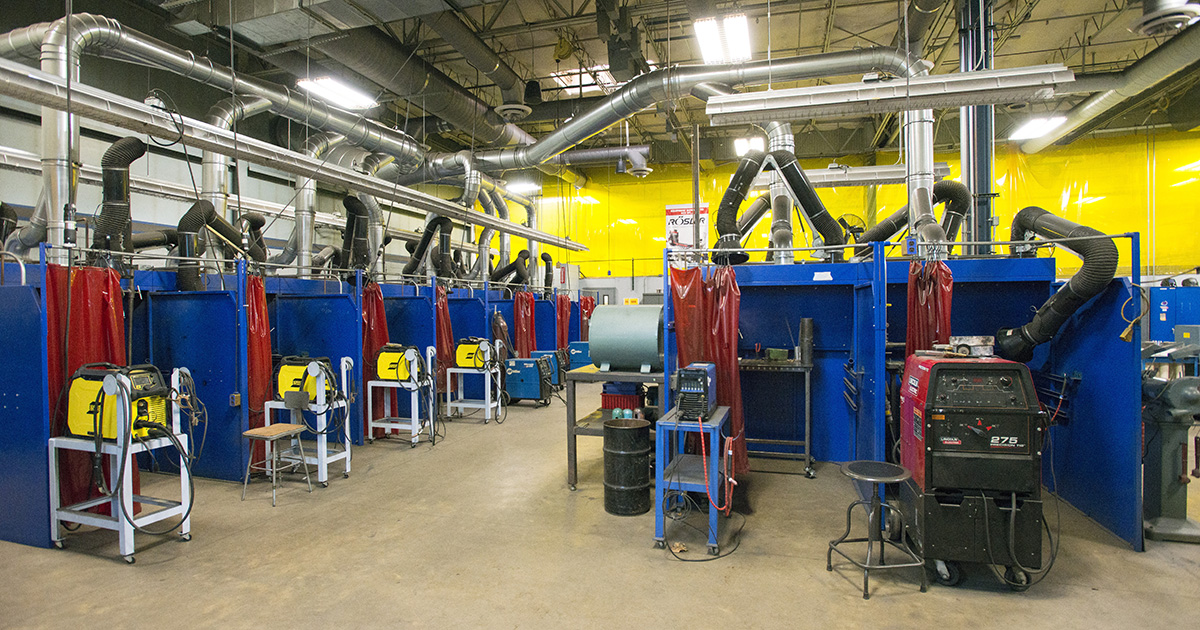
Key Highlights
- Robust Testing Protocols: Detailed procedures and state-of-the-art equipment for pull-out tests and welding assessments.
- Accreditation Compliance: Alignment with ISO/IEC 17025 and HOKLAS supplementary criteria ensuring global acceptance.
- Quality Assurance Measures: Comprehensive documentation, proficiency testing programs, and certified personnel.
Introduction
The Hong Kong Laboratory Accreditation Scheme (HOKLAS) plays a crucial role in ensuring the quality, safety, and reliability of materials used in construction. With the increasing demand for rigorous testing protocols, this proposal outlines a comprehensive program focused on two key testing procedures: the pull-out test and the welding test. This program aims to standardize testing processes, ensure adherence to international standards, and provide confidence in the structural integrity of construction components.
Proposal Outline
1. Background and Objectives
Background
HOKLAS accreditation is essential for laboratories involved in various testing activities. In the realm of construction, pull-out tests are performed to assess the tensile strength and mechanical reliability of fixings such as post-installed rebar and anchor bolts. Similarly, welding tests evaluate the quality and structural integrity of welds through both destructive and non-destructive methodologies.
Objectives
The primary objectives of this HOKLAS program are:
- Establishing a standardized protocol for pull-out and welding tests, aligning with international standards.
- Ensuring laboratories are accredited with ISO/IEC 17025 requirements and meet HOKLAS supplementary criteria.
- Improving the reliability and credibility of testing results for structural applications in construction.
- Enhancing personnel competency through certification programs and continuous proficiency testing.
Technical Requirements and Methodology
Pull-Out Test Procedures
Equipment and Calibration
Laboratories conducting pull-out tests must ensure that all testing equipment is calibrated according to internationally recognized standards. Regular calibration routines should be established to maintain precision, with equipment such as load frames and anchors being meticulously checked against known benchmarks.
Testing Procedure
The pull-out test involves several key stages:
- Sample Preparation: Prepare test samples using standardized materials and mounting procedures.
- Test Setup: Install samples in controlled environments ensuring consistent application of load.
- Load Application: Apply tensile forces gradually while monitoring the displacement and force metrics.
- Data Recording: Capture detailed readings to analyze joint performance and the mechanical strength of the fixtures.
Welding Test Procedures
Non-Destructive Testing Methods
Welding tests incorporate both visual and advanced non-destructive testing (NDT) methods. Effective evaluation techniques include:
- Visual Inspection: Initial assessment of weld quality focusing on surface appearance and consistency.
- Ultrasonic Testing (UT): Detects internal flaws and ensures adequate fusion of welds.
- Magnetic Particle Testing (MT): Identifies surface and near-surface discontinuities.
- Liquid Penetrant Testing (PT): Exposes tiny cracks and imperfections on the weld surface.
Testing Procedure and Personnel Certification
Detailed test procedures should be followed to deliver consistent results. Laboratories are required to document every stage of the welding test, from sample preparation to final reporting. In addition, technicians must be duly certified, for example, at Level 2 or 3, by recognized bodies such as the American Society for Nondestructive Testing (ASNT) or those with an equivalent competency in the field.
Quality Assurance and Compliance
Compliance with Standards
Maintaining HOKLAS accreditation necessitates strict adherence to ISO/IEC 17025 standards along with HOKLAS supplementary criteria (e.g., HOKLAS SC-15). Laboratories must participate in regular audits and proficiency testing programs to validate continual compliance. Detailed documentation should be prepared for each test, including calibration certificates, test protocols, recorded data, and final evaluation reports.
Implementation and Resource Allocation
Timeline and Budget Estimation
The implementation plan should include:
- Establishing a timeline with milestones for obtaining accreditation, including trial runs and training sessions.
- Budget allocation for advanced testing equipment, regular maintenance, and staff certification programs.
- Setting up documentation systems for regular quality checks and audit trails.
Resource Requirements
The essential resources include:
- Testing Machines: Load frames for pull-out tests, ultrasonic testers, magnetic particle testing devices, etc.
- Safety Equipment: Protective gear and safety protocols during testing.
- Personnel: Certified technicians and quality control experts with experience in HOKLAS standards.
- Facilities: Adequate laboratory space with controlled environmental conditions for accurate test results.
Comparative Overview of Pull-Out and Welding Tests
| Test Type | Purpose | Methodology | Quality Controls |
|---|---|---|---|
| Pull-Out Test | Assess tensile strength and mechanical retention of fixings. |
|
|
| Welding Test | Evaluate weld integrity and detect defects. |
|
|
Documentation and Reporting Requirements
Test Documentation
Each test conducted under the HOKLAS program should be accompanied by detailed documentation that includes:
- Identification details of test items and specimens.
- Calibration certificates for testing equipment.
- Step-by-step recordings of the test procedures and conditions.
- Final test reports with data analysis and assessments.
Audit and Certification
Regular internal audits ensure strict conformity with established standards. Additionally, periodic external audits contribute to maintaining certification and public trust. Accurate and timely documentation allows for a transparent review of results and supports improvements in testing protocols.
Training and Personnel Certification
Personnel Training Programs
To maintain a high level of competence, it is imperative that all testing personnel undergo continuous training. This includes:
- Formal courses on ISO/IEC 17025 and HOKLAS-specific procedures.
- Hands-on training with the latest testing equipment.
- Periodic refresher courses to update on new standards and technological advancements.
Certifications and Competency
Accredited certification for technicians ensures that only qualified professionals perform and supervise tests. The program may mandate certifications from recognized bodies such as the American Society for Nondestructive Testing (ASNT), or equivalent, to validate the competency and adherence to high testing standards.
References
- Post-installed Rebar - Product Qualification [Part 3] - HILTI
- Welding Inspection Hong Kong - Stanger Asia Ltd.
- HOKLAS Supplementary Criteria No. 15
-
Hong Kong Testing - HOKLAS Accreditation Test Order Form
- Quality Assurance of High Strength Steel
Recommended Further Queries
Last updated March 14, 2025