
The Comprehensive Guide to Home Brewing
Dive into the art, process, and cost benefits of brewing your own beer
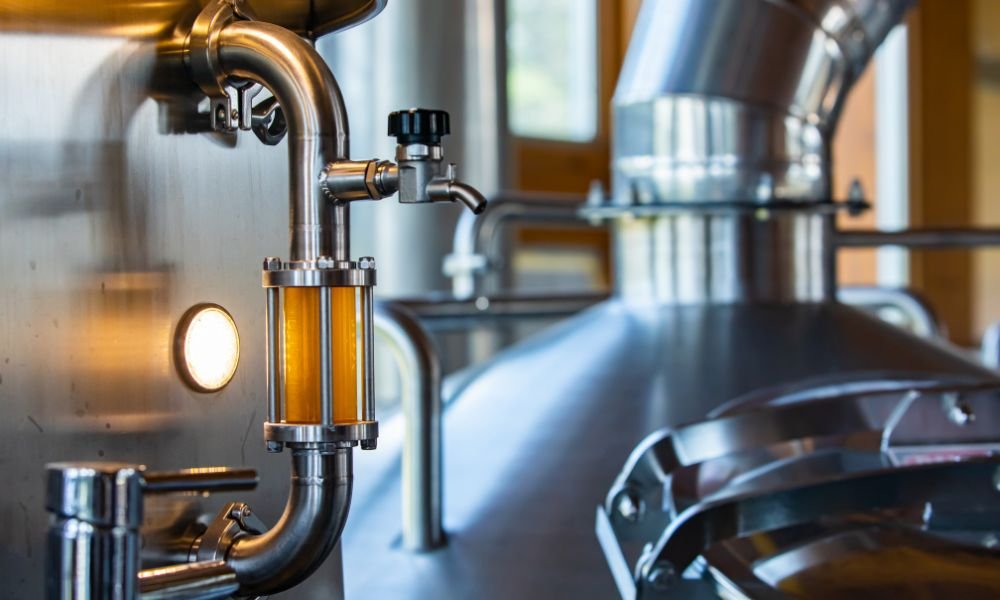
Highlights
- Essential Equipment: Understanding the key tools and their cost ranges is pivotal for a successful setup.
- The Brewing Process: Detailed steps from mashing or steeping to bottling that ensure a quality homebrew.
- Cost Comparison: A side-by-side analysis shows how home brewed beer can offer significant savings over store-bought alternatives.
Introduction to Home Brewing
Home brewing is a hobby that has captivated many enthusiasts around the world, granting them the opportunity to craft their own beer, cider, mead, and other alcoholic beverages from scratch. It encapsulates both an art and a science, uniting creativity with precise processes and equipment management. The practice not only provides the satisfaction of drinking a brew that is truly personal but also opens up avenues for experimentation with flavors, recipes, and styles that may not be available commercially.
Home brewing is appealing because it transforms basic ingredients such as malted grains, hops, yeast, and water into a complex and delightful beverage. Additionally, it provides control over the ingredients used, allowing brewers to tweak recipes for better taste, reduce additives, and even cater to dietary needs. Whether you aim for a crisp lager, a robust stout, or an innovative craft ale, understanding the necessary steps and proper equipment is vital for success.
The Home Brewing Process: Step-by-Step
The process of home brewing can be segmented into several stages, each demanding attention to detail and proper equipment. Each step contributes to shaping the taste, aroma, and overall quality of the final product.
Step 1: Preparation and Sanitation
The foundation of any successful brew lies in impeccable sanitation. Before even beginning the brewing process, all equipment that will come into contact with the wort or fermented beer must be thoroughly cleaned to avoid contamination from bacteria or unwanted wild yeast. Sanitizers, such as Star San or bleach solutions, are essential tools for maintaining an uncontaminated environment.
Step 2: Mashing or Steeping
Depending on the type of beer being brewed, this step can vary. For all-grain brewing, the process starts with mashing—steeping crushed grains (typically barley) in hot water at controlled temperatures (often between 148°F and 158°F). This process, which lasts about 60 to 90 minutes, extracts fermentable sugars from the grains. In contrast, extract brewing skips the mashing step altogether by using malt extract, which is already processed, thus simplifying the process.
Additionally, specialty grains are often steeped for a shorter period (around 20 minutes) in water to draw out flavors and colors without extracting too many tannins.
Step 3: Boiling the Wort
Once the grains or extract have been processed, the next important phase involves bringing the liquid – now called wort – to a vigorous boil in a brew kettle. The boiling phase typically lasts between 60 to 90 minutes, during which hops are added at strategic intervals. Early hop additions contribute bitterness, while later additions enhance flavor and aroma. During the boil, proteins coagulate and are then removed through a process known as the “hot break.” This coagulation helps with later clarification of the beer.
Step 4: Cooling the Wort
Rapid cooling of the wort is critical to ensure that it reaches the ideal temperature for yeast pitching (usually around 68°F or slightly higher depending on the style). A fast cool reduces the risk of bacterial contamination. Brewers often utilize a wort chiller—either an immersion chiller made of copper or stainless steel or a plate chiller—to expedite this phase.
Step 5: Fermentation
After cooling, the wort is transferred to a fermenter—a container specifically designed for the fermentation process. At this stage, yeast is added to begin the conversion of fermentable sugars into alcohol and carbon dioxide. Fermentation typically takes one to two weeks and can be carried out in a primary and sometimes secondary fermentation stage, where the latter helps in clarifying the beer and refining the flavors.
Controlling fermentation temperature is crucial. For example, ale yeast thrives at temperatures ranging from 65°F to 75°F (18°C to 24°C), while lager yeast requires cooler conditions.
Step 6: Packaging and Bottling
Once fermentation is complete and the desired flavor profile is achieved, the beer is ready for packaging. Homebrewers usually bottle their beer by first transferring it to a bottling bucket and then adding priming sugar. This priming sugar is used to naturally carbonate the beer during bottle conditioning. Alternatively, many choose kegging, which, while requiring additional equipment such as CO2 tanks and regulators, allows for immediate consumption and controlled carbonation.
Step 7: Conditioning and Enjoyment
The final stage involves allowing the bottled beer to condition. While the beer is ready to drink after a few weeks, many enthusiasts advocate for a longer conditioning period to improve flavor complexity and carbonation. The result is a personalized brew that reflects the brewer’s choices and handiwork.
Essential Equipment for Home Brewing
To embark on your home brewing journey, an array of equipment is required. The scope and quality of the tools you choose can have a significant impact on both the process and the final product. Below is an overview of key equipment required for a successful brewing operation.
Brewing Kettle
The brewing kettle is indispensable for boiling the wort. Typically recommended sizes range from 5 to 10 gallons, with a 5-7 gallon capacity often favored due to ease of handling and sufficient volume for batch brewing. Stainless steel or enamel-coated stock pots are preferred because of their durability and ease of cleaning. The price range for a quality brew kettle can vary between $30 and $100.
Fermenter
Fermentation vessels come in various forms, such as food-grade plastic buckets, glass carboys, or stainless steel fermenters. During fermentation, these vessels are equipped with an airlock and bung, which allow the release of carbon dioxide while preventing the entry of contaminants. A typical fermenter used in home brewing is within the 5 to 6.5-gallon capacity range. The cost for fermenters often tends to range from $20 to $50.
Wort Chiller
Rapid cooling of the wort is essential after the boil. Using an immersion or plate chiller significantly reduces the cooling time, safeguarding the wort from potential contamination and ensuring the health of the yeast during fermentation. Depending on the model and material (copper versus stainless steel), wort chillers can cost between $25 and $70.
Hydrometer and Thermometer
A hydrometer is a vital instrument that measures the specific gravity of the wort, which in turn helps determine the fermentation progress and the potential alcohol content of the beer. Meanwhile, a thermometer is essential to monitor temperatures at various brewing stages, including mashing, boiling, and fermentation. Typically, these instruments cost anywhere from $10 to $40 each, depending on their precision and build quality.
Airlocks and Bungs
Airlocks are small devices that allow carbon dioxide to escape from the fermenter while blocking contaminants from entering during fermentation. They are used in conjunction with bungs (or stoppers) to seal the fermenter securely. These are usually inexpensive but play a crucial role in maintaining the brew's integrity.
Siphoning and Bottling Equipment
Once fermentation is complete, the beer must be transferred for packaging. A siphon or auto-siphon is used to transfer the beer from the fermenter to either a bottling bucket or secondary container, minimizing exposure to oxygen. Bottling equipment includes bottles (which could be either reusable or disposable), bottle caps, and a capper. A complete bottling kit may range from $30 to $60.
Sanitizers and Cleaning Supplies
Thorough cleaning and sanitation are non-negotiable to avert infections and off-flavors in your homebrew. Using sanitizers, such as Star San or other food-grade solutions, in addition to cleaning agents like PBW (Powdered Brewery Wash), forms the backbone of a successful brew. These supplies usually run anywhere from $10 to $20 for a supply that lasts multiple batches.
Additional Tools
Additional indispensable tools include:
- A malt mill, particularly important for brewers using whole grains for an all-grain brew.
- Measuring cups and stirring implements for accurately preparing the mash and mixing ingredients.
- Optional tools, such as specialized pH meters or temperature control devices (like fermentation chambers), can also enhance the brewing process.
Investments in additional tools can vary, with combined costs ranging from $20 to $50, but they contribute greatly to fine-tuning your beer to perfection.
Cost Analysis: Home Brewed Beer vs. Store-Bought Beer
One of the most appealing aspects of home brewing is cost savings. While the initial outlay for equipment may appear daunting, the long-term benefits are considerable. The price benefits of home brewing can be evaluated on several dimensions:
Initial Investment vs. Ongoing Costs
The upfront cost of home brewing equipment can generally range from about $150 for a minimal extract brewing setup to over $500 for a more comprehensive system that includes options like kegging. However, these costs are typically one-time purchases as the equipment can be used repeatedly over many brewing cycles.
Once the equipment is established, the per-batch costs are primarily driven by ingredients and minor expendables like sanitizers. For a typical 5-gallon batch (which can yield roughly 50 to 53 servings depending on bottle size), ingredient costs generally run between $20 to $50. This means that after the first batch—which might seem expensive on a per-beer basis due to amortized equipment costs—the cost per serving can drop to around $0.70 to $1.10.
Comparative Price Points
In contrast, store-bought beers have a wide price range depending on whether the beer is mass-produced, craft, or imported. Here are some typical cost comparisons:
| Category | Cost per Serving | Additional Notes |
|---|---|---|
| Home Brewed Beer (Initial Batch) | Approximately $4.90 per beer* | *Includes initial equipment costs amortized |
| Home Brewed Beer (Subsequent Batches) | $0.70 to $1.10 per beer | Cost-effective once setup is complete |
| Macro-Brewed Commercial Beer | $0.63 per bottle (approx.) | Economies of scale are applied |
| Craft/Imported Beer | $1.38 to $4.00+ per bottle | Varies by brand and specialty factors |
As can be seen from the table, although the first batch of home brewed beer might appear expensive, the ongoing cost efficiency becomes evident as you produce more batches. Some analyses suggest that after brewing roughly 261 beers, home brewing is unequivocally more cost-effective compared to buying commercial beer.
Cost Savings Over Time
Taking a look at an annual perspective, consider a scenario where someone consumes beer daily. Store-bought beer might cost around $3.00 per day, leading to an annual expenditure in excess of $1,095. Conversely, with home brewing, especially once the equipment has been purchased, the daily production cost could average around $2.50, resulting in annual savings up to $274 or more. Additionally, home brewers often enjoy the intangible benefits of customizing flavors and experimenting, which adds further value beyond just monetary savings.
Integrated Process and Detailed Equipment Investment
For a more detailed accounting of the integrated process and investment, the overall home brewing workflow can be broken down as follows:
1. Equipment Setup and Investment Breakdown
Establishing your home brewery involves initial investment in equipment, which you can amortize over numerous batches:
- Brew Kettle: $30 - $100 – A critical piece for boiling a 5-7 gallon batch
- Fermenter: $20 - $50 – Essential container with an airlock for primary fermentation
- Wort Chiller: $25 - $70 – Accelerates the cooling phase efficiently
- Hydrometer and Thermometer: $10 - $40 each – Tools for precise monitoring
- Bottling Equipment: $30 - $60 – Includes bottles, caps, and capper
- Sanitizers and Cleaning Supplies: $10 - $20 per supply cycle – Prevents microbial contamination
- Additional Tools (Malt Mill, pH meter, etc.): $20 - $50 – Enhances process control
In total, a beginner’s starter kit for extract brewing can cost between $150 and $300. Amateurs who choose all-grain brewing or advanced keg systems may require an investment upward of $400 to $1000. However, this initial overhead is offset by multi-year usage and the reduced cost per serving in subsequent batches.
2. Process Control and Quality Assurance
Beyond the financial aspects, home brewing requires constant monitoring and quality control. Instruments such as hydrometers enable brewers to track the fermentation process by measuring specific gravity changes. Similarly, thermometers help adjust the brewing environment to optimal conditions during both mashing and fermentation. With careful monitoring and adherence to sanitation, home brewers can consistently produce beer of high quality that rivals or even surpasses some commercial options.
The satisfaction of personalizing the flavor profile, while also ensuring that the cost per serving drops dramatically after the initial investment, makes home brewing both an economically sound and creatively fulfilling hobby.
3. Economic Analysis Summary
When juxtaposing the ongoing ingredient and operational costs of home brewing with the retail price of beer, the benefits become more pronounced. An initial high cost is common, but once the equipment is fully amortized, the production cost of home brew may fall below the price of many commercially available craft beers. Not only does this offer savings, but it also fosters a sense of pride in the craft and encourages further experimentation.
Conclusion and Final Thoughts
Home brewing stands as a fascinating blend of craft, chemistry, and cost efficiency. The process, from meticulous sanitation through stages of mashing, boiling, cooling, fermentation, and bottling, is not only a technical journey but also an avenue for creative expression. The equipment required – ranging from a brew kettle and fermenter to essential tools like hydrometers, thermometers, and wort chillers – forms the backbone of any successful setup.
Though the initial costs of home brewing equipment might seem high, particularly for newcomers, the savings achieved over time coupled with the satisfaction of producing custom, high-quality beer can be significant. On average, while store-bought beer can cost anywhere from $1 to over $4 per serving, home brewed beer often transitions to a cost-effective production model that is notably cheaper per serving after the break-even point is reached—often estimated to be after around 261 beers.
In addition to falling costs, home brewing offers unparalleled control over flavors and recipes, linking you to a rich community of enthusiasts who value both the craft and its economic advantages. By investing in quality equipment and dedicating time to learning the brewing process, hobbyists are rewarded not only with savings but also with the pride of having crafted something uniquely their own.
Ultimately, whether you view home brewing as a cost-saving measure, a creative outlet, or a combination of both, the journey into the world of beer creation is both enriching and economically sensible. For those with a passion for beer and a desire to experiment, the home brewing process exemplifies a rewarding hobby that melds tradition, innovation, and fiscal efficiency.
References
- A Comprehensive Guide to Home Brewing Equipment: From Fermenters to Professional Systems - SaveOnBrew
- Homebrewing Equipment - Homebrew Academy
- Best Home Beer Brewing System: Ultimate Guide - SKE Equipment
- Essential Home Brewing Equipment: A Beginner's Guide - Homebrewing Expert
- Homebrewing Made Easy: The Ultimate Guide to Beer Brewing Equipment - MicetCraft
- Is Homebrewing Cheaper than Store-Bought Beer? - Homebrewers Association
- Is Brewing Your Own Beer Cheaper Than Buying? Yes, After 261 Beers - BudgetsAreSexy
- Is Home Brew Beer Cheaper? A Cost Comparison Analysis - Yeast Platform Australia
-
Is Homebrewing Cheaper Than Buying Beer? - ShunBeer
- Is it Cheaper to Brew Your Own Beer? Real Cost of Homebrewing - BrewingWay
Recommended
Last updated February 20, 2025