
Viability of a Home Defense Against Flash Flood Business
Exploring Market Opportunities, Trends, and Competitive Landscape
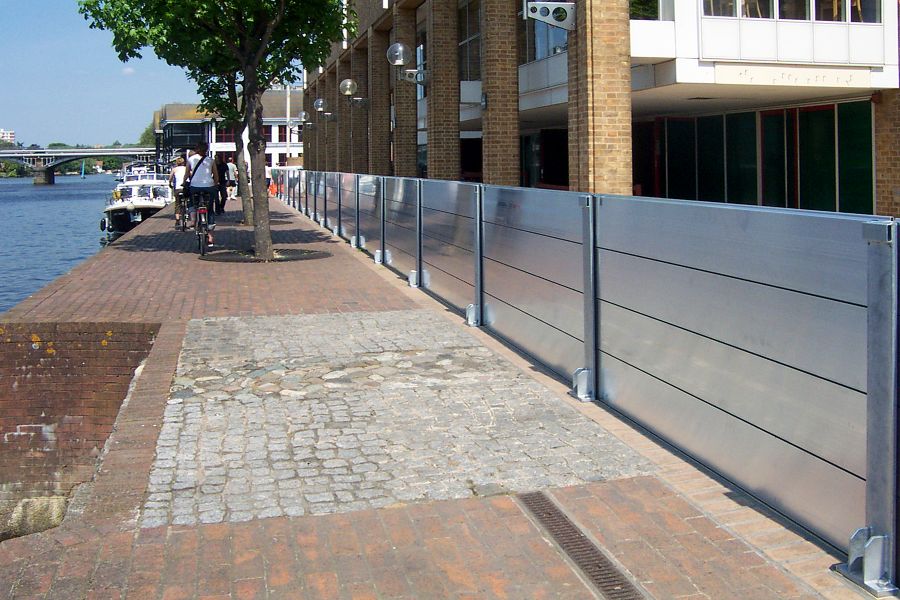
Key Highlights
- Market Growth and Demand: The flood protection market is experiencing robust growth driven by climate change, urbanization, and heightened awareness of flood risks.
- Innovation and Technological Advancements: New, easy-to-deploy, and sustainable flood barrier solutions are emerging, carving out competitive advantages.
- Competition and Strategic Positioning: While several established players exist, opportunities remain to differentiate through advanced technology and customer-centric strategies.
Introduction
The increasing prevalence of flash floods, exacerbated by climate change and rapid urbanization, has sharply amplified the need for reliable home defense solutions. As extreme weather events become more frequent and severe, homeowners and communities are becoming increasingly aware of the vulnerabilities associated with inadequate flood protection. Consequently, a business focused on home defense against flash floods presents a promising opportunity. This comprehensive deep-dive explores market trends, competitive landscapes, technological innovation, and business viability, outlining strategic considerations for entering this dynamic market segment.
Market Analysis and Growth Trends
Current Market Situation
The flood barrier and flood protection market has demonstrated resilient growth over recent years. Valued at approximately $1.72 billion in 2024, projections indicate a rise to around $1.85 billion in 2025. This steady increase in market size reflects a compound annual growth rate (CAGR) ranging from 7.7% to over 11% in some forecasts, emphasizing the critical role of flood protection as an essential home defense solution.
Drivers of Market Growth
A myriad of factors underpin the growth in this market segment:
- Climate Change and Extreme Weather: The increasing frequency of flash floods and other extreme weather events have spurred demand for effective flood defense solutions.
- Urbanization: Densely populated urban areas face heightened risks due to poor drainage infrastructures and increased impermeable surfaces, making flood protection a priority for homeowners and municipal agencies alike.
- Rising Sea Levels: Coastal properties are increasingly vulnerable as rising sea levels amplify flood risk, thereby driving investments in resilient flood barrier systems.
- Heightened Awareness: The realization that standard homeowner insurance often excludes flood damage further incentivizes homeowners to invest in aftermarket solutions and dedicated flood insurance policies.
- Government and Regulatory Initiatives: Regulatory bodies such as FEMA, along with changes in mortgage lending standards considering flood risk premiums, push for proactive flood mitigation strategies.
Market Projections
Industry forecasts suggest that nearly 11.2 million homes in high flood risk areas in the United States could benefit from advancements in flood defense technologies. Home values in these regions are currently estimated at 12.2% of the national total, making potential property losses in the trillions if flood risks are not adequately managed. With various forecasts projecting market values between $2.05 billion and $3.25 billion over the next few years (by 2032), the long-term commercial opportunity in this field remains substantial.
Competitor Landscape and Product Innovation
Current Competitors
The market for flood defense solutions is segmented, with participants spanning from specialized flood barrier companies to comprehensive insurance providers. Established competitors have set benchmarks with innovative products and high reliability. Prominent players include companies specializing in:
- Flood Barriers and Defense Systems: Companies such as the Flood Defense Group, AquaFence, and FloodShield offer products ranging from deployable home flood barriers to modular systems that can protect doors, windows, and entire properties.
- Sandbag Alternatives and Innovative Solutions: Enterprises like TrapBag have developed alternatives to traditional sandbags, which are easier to deploy and offer greater safety factors.
- Rapid Deployment Systems: Innovations such as water barrier socks, exemplified by products like Quick Dam, have become highly popular due to their fast response capability and ease of installation.
- Advanced and Inflatable Solutions: New technologies, such as the FLOWSTOP system showcased in major technology conferences like CES 2025, highlight the move toward systems that deploy quickly and guarantee efficient protection with minimal manual intervention.
Comparative Analysis of Key Competitors
Below is a table summarizing some key aspects of leading competitors and product innovations relevant to home defense against flash floods:
| Company/Product | Main Features | Competitive Edge |
|---|---|---|
| Flood Defense Group | Comprehensive flood defense systems, tailored residential solutions | Proven reliability and long-standing industry presence |
| TrapBag | Cost-effective trap bag solutions; rapid deployment | Easy installation and affordability |
| Quick Dam | Flood barrier socks; quick deployment | Fastest growing device in North America with strong retail partnerships |
| AquaFence | Innovative, multi-industry solutions | Wide range of scalable flood mitigation systems |
| FLOWSTOP | Inflatable flood barrier system | Cutting-edge technology with ease of use; showcased at CES 2025 |
Emerging Product Innovation and Trends
Technological advancements are facilitating the development of a suite of innovative products that stand apart from traditional solutions. Emerging trends include:
- Inflatable and Quick Deployment Systems: New products are designed to rapidly inflate when flood risks are detected, ensuring immediate protection. This technology is particularly valuable in scenarios where every minute of response time is critical.
- Modular and Interlocking Barriers: Modular systems like floodblocks consist of interlocking elements that can be scaled to protect a range of property sizes. Their design allows for easy assembly and high customization based on specific site needs.
- Sustainable Materials and Eco-Friendly Designs: With environmental consciousness on the rise, some companies are focusing on flood barriers made from sustainable materials, appealing to eco-aware consumers. By integrating eco-friendly production methods, these products not only protect homes but also appeal to the market segment that prioritizes green technology.
- Integration with Smart Home Systems: Advanced flood barrier systems are beginning to integrate with smart home ecosystems, enabling homeowners to monitor barrier status remotely and receive real-time alerts in the event of flood threats.
Strategic Considerations for New Entrants
Market Entry Strategies
For a business looking to capitalize on the rising demand for home defense against flash floods, a clear strategic approach is essential. The following strategies can help new entrants secure a position in this competitive market:
- Identify Niche Markets: Concentrate on areas with high flood risks but limited access to advanced flood defenses. Customizing solutions to cater specifically to these communities can provide a competitive advantage.
- Emphasize Technological Superiority: Investing in R&D to develop user-friendly, easily deployable, and technologically advanced products can differentiate offerings from conventional flood barriers.
- Form Strategic Partnerships: Collaborating with local governments, insurance companies, and home improvement retailers may enable better distribution networks and integrated service offerings. For instance, bundling flood protection solutions with specialized flood insurance policies could enhance market penetration.
- Focus on Education and Customer Awareness: Marketing campaigns should not only showcase product benefits but also educate potential customers on flood risks and long-term cost benefits. Demonstrating how flood defense systems mitigate both property damage and financial losses builds customer trust.
- Adopt a Scalable and Flexible Business Model: Building a product line that caters to both residential and commercial sectors broadens the target market. Offering scalable solutions that can adapt to differing property sizes and risk levels is key to sustainable growth.
Risk Management and Regulatory Challenges
Any venture in this field must acknowledge and manage several risks and regulatory challenges:
- Competition: With several established players dominating parts of the market, a new entrant must provide clear, demonstrable benefits such as improved deployment speed, enhanced durability, or lower cost without compromising quality.
- Compliance: Flood defense solutions must meet rigorous regulatory standards and local building codes. Ensuring that products align with evolving policies, including those regarding flood insurance premiums and building safety, is critical.
- Cost Management: The cost of advanced materials and research into innovative technology could be high. Effective financial planning and risk management, including insurance partnerships, are essential to mitigate potential losses and sustain long-term business growth.
Financial and Economic Considerations
Revenue Streams
Given the multi-dimensional nature of flood risk management, businesses in this sector can capitalize on various revenue streams:
- Product Sales: Direct sales of flood barrier systems, including modular barriers, inflatable systems, and sandbag alternatives.
- Installation and Maintenance Services: Offering value-added services such as installation, regular maintenance, and system upgrades can enhance customer reliance and recurring revenue.
- Partnerships with Insurance Providers: Collaboration with insurance companies to offer bundled packages enhances product appeal while offsetting potential financial risks.
- Consulting and Risk Assessment: Providing expert services in flood risk assessment and customized flood defense solutions can position a business as a comprehensive provider in the domain of home safety.
Investment and Return Potential
Financial models indicate that businesses can expect significant returns on investment given the persistent demand for effective flood solutions and the high potential for market expansion. With a growing emphasis on sustainable investment, companies that position themselves as both technologically advanced and environmentally responsible are likely to benefit from favorable investor sentiment. In addition, partnerships with local governments and insurance companies can provide stable revenue streams and reduce operational risks in the long run.
Case Study: Strategic Implementation in a High-Risk Region
Scenario Overview
Consider a coastal city facing increased flood risks due to rising sea levels and intensified storm activity. Homeowners in such areas are increasingly reliant on advanced flood defense systems not just for property protection but for maintaining property values. A business entering this market can start by offering scalable flood protection products customized to the specific environmental challenges of the region.
Implementation Strategy
The following steps outline how a new entrant might approach market penetration:
- Local Risk Assessment and Testing: Partner with local government agencies to conduct detailed flood risk assessments in targeted neighborhoods.
- Customized Product Deployment: Develop modular flood barriers tailored to the specific topography and risk profiles of the region.
- Education Campaigns: Work with local media and community organizations to highlight the benefits of proactive flood defense, including case studies and product demonstrations.
- Financing Options: Collaborate with financial institutions to offer attractive financing plans or insurance premium discounts for early adopters.
Expected Outcomes
A focused approach in high-risk areas can lead to increased market penetration and customer loyalty. As homeowner risk awareness grows, the business can further expand its product line to include solutions for both permanent installations and temporary emergency responses, ensuring a diversified revenue model and robust market presence.
Conclusion and Final Thoughts
The viability of a business centering on home defense against flash floods is strongly supported by current market dynamics. With environmental threats escalating due to climate change and urbanization, the demand for reliable and technologically advanced flood protection systems is higher than ever. The market not only offers robust growth projections but also accommodates diversified revenue streams—ranging from product sales and installation services to strategic partnerships with insurance providers and governmental agencies.
For new industry entrants, the key to success lies in balancing innovative product development with strategic market positioning. A focus on scalable, customizable solutions that integrate modern technology, such as smart home connectivity and rapid response systems, can help differentiate offerings from established competitors. Coupled with effective customer education and strategic collaborations, businesses can establish a competitive edge in high-risk flood areas.
While challenges exist in the form of stiff competition, regulatory compliance, and cost management, these are counteracted by the pressing need for proactive flood protection measures. Sustainable practices and eco-friendly product designs further enhance market appeal, particularly among environmentally-conscious consumers. In conclusion, the robust market growth, coupled with a dynamic competitive landscape, makes a business focused on home defense against flash floods not only viable but potentially lucrative in the coming years.
References
- Flood Barrier Global Market Report - The Business Research Company
- Flood Protection Barrier Market - Markwideresearch
- Best Flood Barriers 2025 - Popular Mechanics
-
FEMA 2025 Reinsurance Placement - FEMA
- Flood Insurance Reform - Carnegie Endowment
- FLOWSTOP at CES 2025 - WJBF
- Flood Defense Group
- FloodShield Home Flood Protection
- TrapBag Residential Home Flood Solutions
- AquaFence Flood Mitigation
- Innovative Flood Prevention Products - Design 1st
Recommended Further Queries
Last updated February 26, 2025