
The Unseen Architect: How Homeostasis Orchestrates Life's Delicate Balance
Unraveling the body's remarkable ability to maintain stability amidst constant internal and external shifts.

- 1.Highlights of Homeostasis: The Body's Master Regulator
- 2.Understanding Homeostasis: A Symphony of Stability
- 3.Key Examples of Homeostasis in Action
- 4.The Mechanisms of Homeostatic Control
- 5.Integrated Systems: A Collaborative Effort
- 6.The Profound Importance of Homeostasis for Health
- 7.Comparative Impact of Homeostatic Disruptions
- 8.The Significance of Homeostasis: Why It Matters So Much
- 9.Frequently Asked Questions About Homeostasis
- 10.Conclusion: The Ever-Vigilant Sentinel of Life
- 11.Recommended Further Exploration
- 12.Referenced Search Results
Highlights of Homeostasis: The Body's Master Regulator
- Dynamic Equilibrium: Homeostasis isn't about rigid constancy, but a flexible, self-regulating process that keeps vital internal conditions within a narrow, life-supporting range, constantly adapting to internal and external challenges.
- Integrated Systems: The nervous, endocrine, respiratory, and excretory systems work in sophisticated harmony, utilizing complex feedback loops to detect deviations and initiate corrective actions, ensuring optimal cellular and organ function.
- Foundation of Health: Disruptions to homeostatic mechanisms, whether due to stress, disease, environmental factors, or aging, can lead to significant health issues, underscoring its critical role in survival and overall well-being.
Deep within the intricate machinery of the human body, an extraordinary process tirelessly works to maintain order and stability. This fundamental biological principle, known as homeostasis, is the body's inherent capacity to preserve a relatively constant internal environment, even in the face of continuous fluctuations from the outside world. Far from being a static state, homeostasis is a dynamic and adaptive process, constantly making minute adjustments to keep essential physiological variables within optimal, life-sustaining limits. It is the invisible guardian that ensures our survival, allowing us to thrive in diverse and ever-changing conditions.
Understanding Homeostasis: A Symphony of Stability
The term "homeostasis" originates from Greek words meaning "similar standing" or "steady state," aptly describing the body's objective. First proposed by French physiologist Claude Bernard in the 19th century and later formalized by American physiologist Walter Cannon in 1926, this concept underpins virtually every aspect of human physiology. It's the reason our body temperature remains around 37 °C (98.6 °F), our blood glucose levels stay regulated, and our pH balance is meticulously maintained. Without this precise regulation, our cells would be unable to function correctly, leading to illness and ultimately, the cessation of life.
Defining the Dynamic Balance
Homeostasis doesn't imply an unvarying, static internal state. Instead, it signifies a dynamic equilibrium where internal conditions are permitted to fluctuate slightly around a set point. These minor variations are normal and, in fact, essential. The body's brilliance lies in its ability to quickly detect any significant deviation from this optimal range and initiate corrective measures before the deviation becomes detrimental. This continuous monitoring and adjustment allow the body to adapt to various stresses, whether they are physical activities, dietary changes, or environmental shifts.
This radar chart illustrates the perceived efficiency and vulnerability of various homeostatic mechanisms in the human body. Higher efficiency scores indicate robust regulation, while lower vulnerability scores suggest resilience to disruption.
Key Examples of Homeostasis in Action
The human body showcases numerous impressive examples of homeostatic regulation, each vital for maintaining optimal health and function. These mechanisms are often imperceptible, working constantly behind the scenes to keep us functioning.
Regulating Body Temperature (Thermoregulation)
One of the most widely recognized examples is thermoregulation, the process by which the body maintains a core temperature of approximately 37 °C (98.6 °F). When external temperatures rise, the body responds by increasing blood flow to the skin and initiating sweating. Evaporation of sweat cools the skin, releasing excess heat. Conversely, when exposed to cold, the body constricts blood vessels to reduce heat loss and induces shivering, muscle contractions that generate heat. These precise adjustments ensure that cellular enzymes, which are highly sensitive to temperature, can operate effectively.
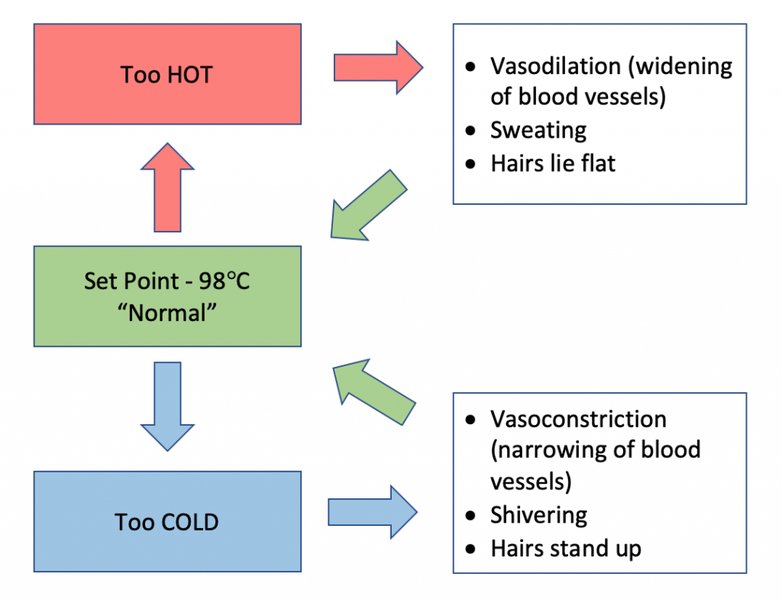
Diagram illustrating the negative feedback loop involved in thermoregulation, showcasing how the body responds to deviations in temperature.
Controlling Blood Glucose Levels
Another crucial homeostatic process is the regulation of blood glucose. After a meal, blood glucose levels rise. The pancreas detects this change and releases insulin, a hormone that facilitates the uptake of glucose by cells for energy or storage as glycogen in the liver and muscles. When blood glucose levels drop (e.g., during fasting), the pancreas releases glucagon, which signals the liver to convert stored glycogen back into glucose and release it into the bloodstream. This intricate dance ensures a consistent energy supply for all bodily functions, highlighting the importance of homeostatic balance, particularly in conditions like diabetes where this mechanism is impaired.
Maintaining Blood Pressure
Blood pressure regulation is equally vital. Specialized baroreceptors in blood vessels constantly monitor blood pressure. If it deviates from the set point, the nervous system and endocrine system coordinate responses. For instance, if blood pressure drops, the heart rate may increase, and blood vessels may constrict to raise pressure. Conversely, if it's too high, mechanisms will work to lower it. This continuous adjustment prevents damage to organs and ensures adequate blood flow throughout the body.
Fluid and Electrolyte Balance (Osmoregulation)
The body also meticulously regulates its fluid volume and the concentration of electrolytes (ions like sodium, potassium, and calcium). The kidneys play a central role in osmoregulation, filtering waste products while reabsorbing essential substances and water. This balance is critical for cellular function, nerve impulses, and muscle contractions. Dehydration or excessive hydration can severely disrupt these delicate balances, leading to serious health complications.
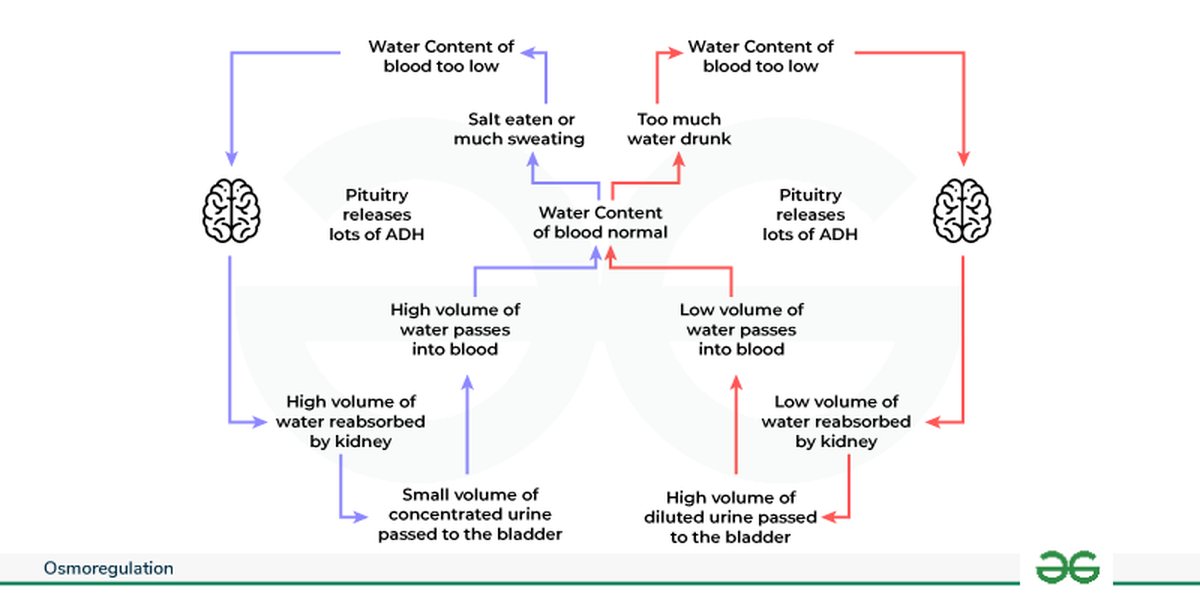
Visual representation of osmoregulation, highlighting the kidneys' role in maintaining water and solute balance.
The Mechanisms of Homeostatic Control
Homeostasis is primarily achieved through feedback mechanisms, predominantly negative feedback loops, though positive feedback also plays a specialized role.
Negative Feedback: The Body's Self-Correcting System
Negative feedback is the cornerstone of most homeostatic controls. It works to counteract any deviation from the set point, bringing the variable back to its normal range. The process typically involves:
- Stimulus: A change occurs in the internal or external environment.
- Receptors: Sensory organs or cells detect the deviation from the set point.
- Control Center: Often the brain (e.g., hypothalamus) or an endocrine gland, processes the information from the receptors and determines the appropriate response.
- Effectors: Muscles or glands receive signals from the control center and carry out the corrective action.
- Response: The physiological change that opposes the initial stimulus, restoring equilibrium.
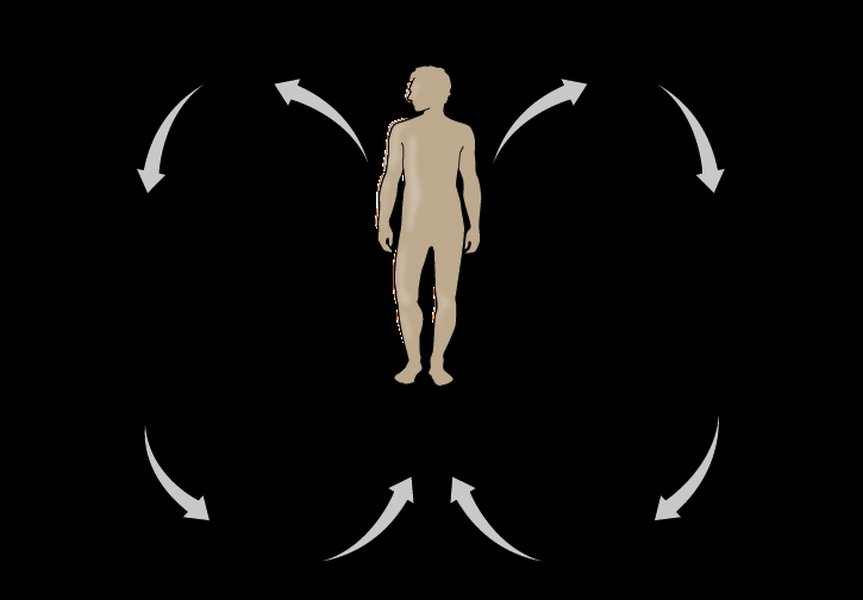
An illustration depicting a general negative feedback loop, a common mechanism in homeostatic regulation.
For example, in thermoregulation, if body temperature rises (stimulus), thermoreceptors detect this (receptors), sending signals to the hypothalamus (control center). The hypothalamus then activates sweat glands (effectors) to produce sweat, leading to cooling (response), which counteracts the initial rise in temperature.
Positive Feedback: Amplifying Change
While less common in maintaining continuous equilibrium, positive feedback loops amplify an initial change, pushing the system further in the same direction until a specific event occurs. A classic example is childbirth: uterine contractions stimulate the release of oxytocin, which in turn intensifies contractions, creating a self-amplifying cycle until the baby is delivered. Another example is blood clotting, where platelets activate more platelets to form a clot.
Integrated Systems: A Collaborative Effort
The maintenance of homeostasis is not the task of a single organ or system but rather a highly coordinated effort involving multiple physiological systems.
The Nervous System: Rapid Coordination
The nervous system acts as the body's rapid communication network. It detects changes through sensory receptors, processes information in the brain and spinal cord, and sends immediate commands to effectors (muscles and glands) to elicit quick responses. The hypothalamus, a region in the brain, is particularly crucial as a control center for many homeostatic functions, including temperature, thirst, and hunger.
The Endocrine System: Hormonal Regulation
Working in conjunction with the nervous system, the endocrine system uses hormones as chemical messengers. Hormones are secreted by glands and travel through the bloodstream to target cells, where they induce slower, but often longer-lasting, changes. Examples include insulin and glucagon for blood glucose regulation, and various hormones involved in stress response and fluid balance.
Other Contributing Systems
- Respiratory System: Regulates blood pH and oxygen/carbon dioxide levels.
- Urinary System: (Kidneys) Crucial for fluid, electrolyte, and waste balance.
- Digestive System: Breaks down food for nutrient absorption, contributing to energy balance.
- Cardiovascular System: Circulates blood, delivering oxygen and nutrients, and removing waste, while also regulating blood pressure.
This mindmap visually organizes the multifaceted concept of homeostasis, detailing its importance, regulated factors, mechanisms, involved systems, and potential disruptions.
The Profound Importance of Homeostasis for Health
The ability to maintain homeostasis is fundamentally intertwined with an organism's health and survival. When these finely tuned regulatory systems falter, the consequences can range from mild discomfort to life-threatening conditions.
Preventing Disease
Many diseases are direct results of homeostatic imbalance. For instance, diabetes arises from a dysfunction in blood glucose regulation. Hypertension (high blood pressure) signifies a breakdown in cardiovascular homeostasis. Even seemingly minor deviations, if prolonged, can contribute to chronic conditions and general ill health.
Adaptation and Resilience
Homeostasis allows the human body to exhibit remarkable adaptability. It enables us to survive in varied climates, engage in strenuous physical activity, and withstand periods of scarcity or abundance. This resilience is a testament to the dynamic nature of homeostatic controls, constantly adjusting to maintain internal consistency despite external variability.
Cellular Integrity and Function
At the most basic level, every cell in the human body depends on a stable internal environment. Optimal temperature, pH, nutrient supply, and waste removal are critical for cellular metabolic processes, protein synthesis, and overall function. Without homeostasis, cells cannot perform their specialized roles, leading to tissue and organ dysfunction.
Factors Threatening Homeostasis
Despite its robustness, homeostasis can be overwhelmed by various factors:
- Stress: Prolonged physical or psychological stress can disrupt hormonal balance and nervous system regulation.
- Disease and Infection: Pathogens and illnesses can directly interfere with organ function and trigger inflammatory responses that challenge homeostatic controls.
- Environmental Extremes: Exposure to severe heat, cold, or toxins can push the body's adaptive limits.
- Aging: As we age, the efficiency of homeostatic mechanisms can decline, making individuals more susceptible to imbalances and diseases.
Comparative Impact of Homeostatic Disruptions
To further illustrate the critical role of homeostasis, let's consider the comparative impact of disruptions in key physiological areas:
| Physiological Variable | Normal Homeostatic Range | Impact of Minor Disruption | Impact of Severe Disruption | Regulating Systems |
|---|---|---|---|---|
| Body Temperature | 36.5–37.5 °C (97.7–99.5 °F) | Mild discomfort, reduced efficiency | Hypothermia/Hyperthermia, organ damage, death | Nervous (Hypothalamus), Integumentary (Sweat Glands), Muscular (Shivering) |
| Blood Glucose | 70–100 mg/dL (fasting) | Fatigue, mood changes | Diabetes (hyper/hypoglycemia), coma, organ damage | Endocrine (Pancreas - Insulin/Glucagon), Liver |
| Blood Pressure | 120/80 mmHg (average) | Dizziness, reduced organ perfusion | Hypertension/Hypotension, stroke, heart attack, shock | Nervous, Endocrine, Cardiovascular, Renal |
| Blood pH | 7.35–7.45 | Minor metabolic disturbances | Acidosis/Alkalosis, enzyme dysfunction, coma, death | Respiratory (Lungs), Renal (Kidneys), Blood Buffers |
| Water Balance | Maintained by thirst, urine output | Mild dehydration, fatigue | Severe dehydration/Overhydration, electrolyte imbalance, brain swelling, death | Nervous (Hypothalamus), Endocrine (ADH), Renal |
This table provides a snapshot of critical physiological variables regulated by homeostasis, illustrating the consequences of even minor disruptions and the complex interplay of systems involved in their control.
The Significance of Homeostasis: Why It Matters So Much
The continuous efforts of homeostasis are what allow us to maintain a stable internal environment, forming the very foundation of life. Without it, the delicate chemical reactions necessary for survival could not occur. It ensures that cells receive the correct nutrients and oxygen while waste products are efficiently removed, preserving the integrity of tissues and organs.
This bar chart quantifies the perceived importance of homeostasis across various aspects of human well-being, demonstrating its foundational role from basic cellular function to overall long-term health.
Understanding homeostasis not only provides insight into the remarkable complexity of the human body but also highlights the importance of maintaining a healthy lifestyle. Factors like proper nutrition, adequate sleep, regular exercise, and stress management all contribute to supporting the body's intrinsic ability to maintain its vital balance. When we nurture our bodies, we empower these sophisticated homeostatic mechanisms to work optimally, ensuring robust health and resilience against the many challenges of life.
Frequently Asked Questions About Homeostasis
What is the primary goal of homeostasis?
Is homeostasis a static state?
What are some examples of positive feedback in the human body?
How does aging affect homeostasis?
Can lifestyle choices impact homeostasis?
Conclusion: The Ever-Vigilant Sentinel of Life
Homeostasis stands as a testament to the evolutionary marvel of biological systems. It is the sophisticated, self-regulating process that meticulously orchestrates the delicate balance within our bodies, ensuring that all vital parameters remain within life-sustaining limits. From regulating temperature and blood sugar to maintaining fluid and electrolyte balance, an intricate network of systems—primarily the nervous and endocrine systems—works in seamless concert through feedback loops to detect and correct deviations. This dynamic equilibrium is not merely a state of existence but an active, continuous process that underpins our health, resilience, and capacity to adapt to an ever-changing world. Understanding its profound importance is key to appreciating the fragility and wonder of human physiology and recognizing how deeply our well-being is tied to this unseen, ever-vigilant sentinel of life.
Recommended Further Exploration
- Explore the detailed mechanisms of negative feedback loops in biological systems.
- Investigate the profound impact of chronic stress on endocrine system homeostasis.
- Delve into specific homeostatic imbalances and their associated diseases, such as diabetes or hypertension.
- Examine the central role of the hypothalamus in coordinating various homeostatic functions.