
Worker Injured on Your Property: Who Foots the Bill When Hazards Lurk?
Navigating homeowner liability when a contractor gets hurt due to property disrepair.
When a worker like Ravi, an electrician, is injured while performing repairs on private property like Paul's old house, determining legal responsibility involves untangling concepts like negligence, the homeowner's duty of care, the worker's own responsibilities, and specific property conditions. This analysis delves into the factors determining liability in such complex situations.
Key Considerations in This Scenario
- Homeowner's Duty: Paul, as the property owner, had a legal duty to maintain his property in a reasonably safe condition or adequately warn Ravi of known, non-obvious dangers.
- Shared Responsibility: Liability isn't always clear-cut. Both Paul's failure to address the rotten ledge and Ravi's decision to use it despite warnings and visible damage could lead to shared fault (comparative negligence).
- Pre-existing Conditions: Ravi's prior leg injury worsening the break doesn't absolve Paul of potential liability; under the "eggshell plaintiff" rule, a negligent party is responsible for the full extent of the harm caused, even if the victim was unusually vulnerable.
Understanding Premises Liability and Negligence
The core legal principle governing this situation is premises liability. This means property owners generally have a legal obligation to ensure their property is reasonably safe for people they invite onto it, like contractors or guests. Failure to meet this obligation, resulting in injury, can lead to a finding of negligence.
Paul's Duty as a Homeowner
The Duty to Maintain or Warn
As the owner of the property, Paul owed Ravi, an invited contractor (an "invitee" in legal terms), a specific duty of care. This duty generally requires homeowners to:
- Maintain the property in a reasonably safe condition.
- Inspect the property to discover potentially dangerous conditions.
- Repair known hazards, block access to them, or provide specific warnings about dangers that aren't immediately obvious.
In this case, the rotten wooden ledge constituted a dangerous condition. Paul knew the house was generally "not in good repair," which might imply he had, or should have had, "constructive notice" of specific hazards like rotten wood through reasonable inspection. Simply stating the house was old and needed care might not fulfill the duty if the specific danger of the ledge was known or easily discoverable.
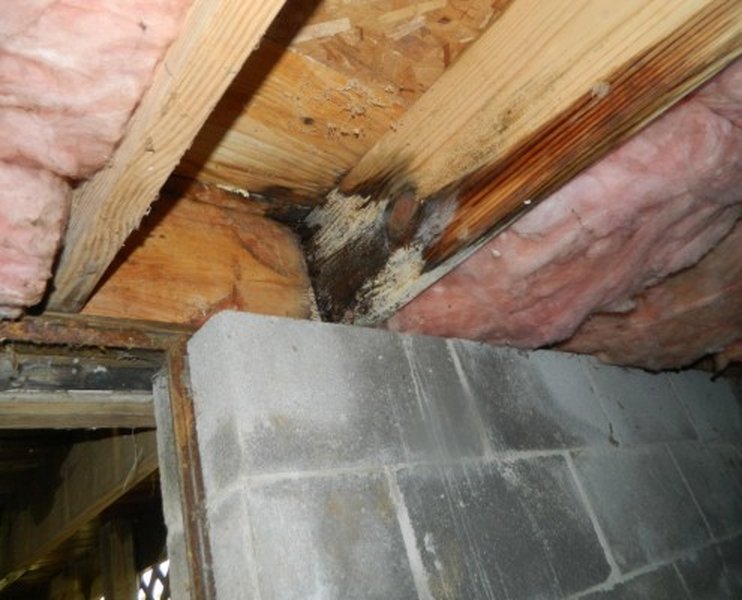
Example of rotten wood posing a structural hazard on a property.
The Effectiveness of Paul's Warning
Paul did warn Ravi that the house wasn't in good repair and to "take care." While warnings are important, a general warning may not be legally sufficient to absolve a homeowner of liability, especially regarding a serious structural hazard like a rotten ledge. The law often requires warnings to be specific enough to allow the visitor to understand and avoid the particular risk. If Paul knew or should have known the ledge itself was compromised, a more specific warning or action (like explicitly forbidding its use or providing alternative access) might have been necessary.
Ravi's Actions and Comparative Negligence
Ravi's choices and professional status also play a critical role in determining liability.
Professional Responsibility and Assumption of Risk
As a professional electrician, Ravi is expected to possess a certain level of skill and awareness regarding workplace safety. This includes identifying potential hazards associated with accessing work areas, especially in older structures. Courts often consider that skilled workers assume certain risks inherent to their job.
Observing the Hazard
Crucially, Ravi observed that the ledge was "damaged" before deciding to stand on it. This knowledge is significant. By proceeding despite recognizing the damage and receiving a general warning about the property's condition, Ravi may be found to have contributed to his own injury.
The Doctrine of Comparative Negligence
Most jurisdictions, including California as mentioned in one source, follow a system of comparative negligence (rather than the older, harsher rule of contributory negligence which would bar any recovery if the injured party was even slightly at fault). Under comparative negligence:
- A court or jury assesses the degree of fault of each party (Paul and Ravi).
- Any damages awarded to Ravi would be reduced by the percentage of his own fault.
- For example, if Paul was found 70% negligent for not repairing or specifically warning about the rotten ledge, and Ravi was found 30% negligent for using the visibly damaged ledge, Ravi would only be able to recover 70% of his total damages from Paul.
Therefore, Ravi's decision to use the ledge he knew was damaged, especially after a general warning, significantly impacts the potential outcome and suggests shared liability.
Analyzing the Causal Link and Damages
Causation: Linking Negligence to Injury
For Paul to be liable, his negligence (e.g., failure to repair or adequately warn) must be proven to be a direct cause (proximate cause) of Ravi's injury. Here, the collapsing rotten ledge directly caused the fall and the broken ankle. A fall from a rotten structure on a poorly maintained property is generally considered a foreseeable risk.
The "Eggshell Plaintiff" Rule and Pre-existing Injuries
Ravi's situation is complicated by his prior football injury, which made his broken ankle worse. This brings the "eggshell plaintiff" rule (or "take your victim as you find them" principle) into play. This legal doctrine means that if Paul is found negligent, he is liable for the full extent of the injuries caused by his negligence, even if those injuries were unexpectedly severe due to Ravi's pre-existing vulnerability. Paul cannot argue that he should pay less simply because someone without the prior injury might have suffered a less severe break. He is responsible for the actual harm Ravi suffered as a result of the fall, including the aggravation of the old injury.
Potential Damages
If Paul is found liable (even partially), Ravi could potentially claim damages covering:
- Medical expenses (emergency treatment, surgery, physical therapy, etc.)
- Lost wages and loss of future earning capacity if the injury causes long-term impairment.
- Pain and suffering.
- Other related costs.
Visualizing Liability Factors
The determination of liability involves weighing several factors related to both Paul's and Ravi's actions and the property's condition. The radar chart below illustrates the potential strength of various arguments influencing liability, based on the scenario described. A higher score suggests a factor weighs more heavily towards assigning liability to that party (or indicates a stronger element in the case).
This chart suggests a complex interplay where factors support liability arguments for both sides, reinforcing the likelihood of a comparative negligence assessment.
Mapping the Legal Landscape
The following mindmap provides a visual overview of the key legal concepts and relationships involved in determining liability in this scenario:
(Maintain/Warn)"] id2a2["Knowledge
(Actual/Constructive)"] id2a3["Actions
(General Warning)"] id2b["Ravi (Electrician)"] id2b1["Status (Invitee/Professional)"] id2b2["Actions
(Used Damaged Ledge)"] id2b3["Knowledge
(Saw Damage)"] id2b4["Pre-existing Injury"] id3["Key Factors"] id3a["Property Condition
(Rotten Ledge)"] id3b["Warning Provided
(General vs. Specific)"] id3c["Worker's Skill/Observation"] id3d["Causation (Direct Link)"] id3e["Foreseeability of Injury"] id4["Potential Outcomes"] id4a["Paul Found Negligent"] id4b["Ravi Found Comparatively Negligent"] id4c["Shared Liability (Reduced Damages)"] id4d["Assessment of Damages
(Medical, Lost Wages, Pain/Suffering)"]
This mindmap helps illustrate how the duties of the homeowner, the actions of the worker, the condition of the property, and established legal principles all interact to determine the final outcome.
Homeowners Insurance Considerations
Homeowners insurance policies typically include liability coverage designed to protect the homeowner if someone is injured on their property due to the homeowner's negligence. If Paul is sued by Ravi and found liable, this coverage (up to the policy limits, often $100,000-$300,000 or more) could potentially cover Ravi's damages.
Some policies also include Medical Payments coverage (Med-Pay), which pays for medical bills for guests injured on the property, regardless of who was at fault. This coverage usually has lower limits (e.g., $1,000-$5,000) but can provide quick payment for initial medical costs.
The video below discusses how homeowners insurance might cover injuries sustained on the property.
Whether Paul's insurance applies would depend on the specific policy terms and a finding of negligence on Paul's part. Ravi's status as a worker (potentially an independent contractor) can also affect coverage details, and whether Ravi carries his own insurance (like workers' compensation, although independent contractors often don't) is another factor.
Summary Table: Legal Concepts Applied
This table summarizes the key legal concepts and how they apply to Paul and Ravi's situation:
| Legal Concept | Application to Paul (Homeowner) | Application to Ravi (Electrician) |
|---|---|---|
| Duty of Care | Owed a duty to Ravi to keep property reasonably safe or warn of known, non-obvious hazards. Knew property was in disrepair. | Owed a duty to exercise reasonable care for his own safety, consistent with his professional skills. |
| Breach of Duty (Negligence) | Potential breach by failing to repair/secure/specifically warn about the rotten ledge, despite general knowledge of disrepair. | Potential breach (comparative negligence) by choosing to stand on a visibly damaged ledge after a general warning. |
| Causation | Paul's potential negligence (failure to address ledge) could be a direct cause of the fall. | Ravi's decision to use the ledge was a direct factor leading to the fall. |
| Knowledge/Notice | Had general notice of disrepair; potentially constructive notice of the specific hazard (rotten ledge). | Had actual notice (observed damage) of the ledge's condition before using it. Received general warning. |
| Damages/"Eggshell Plaintiff" | If found negligent, potentially liable for all of Ravi's damages resulting from the fall, including the worsened injury due to the prior condition. | Entitled to damages (medical, lost wages, pain/suffering) if Paul is liable, but potentially reduced by his percentage of fault. Pre-existing condition affects severity, not liability itself. |
| Assumption of Risk | Less applicable to Paul directly, relates more to Ravi's awareness. | As a professional, assumes some inherent job risks. Using a visibly damaged structure strengthens arguments for assumption of risk or comparative fault. |
Frequently Asked Questions (FAQ)
Does Paul's warning automatically protect him from liability?
Not necessarily. A general warning like "the house is not in good repair, take care" might not be legally sufficient if Paul knew, or reasonably should have known, about the specific danger posed by the rotten ledge. Property owners often have a duty to address known hazards or provide specific warnings, not just general cautions. The effectiveness of the warning depends on whether it adequately informed Ravi of the actual risk involved.
Does Ravi's status as a professional electrician mean he's solely responsible?
No, not solely responsible, but his professional status is a factor. Electricians are expected to recognize and manage workplace hazards. However, this doesn't eliminate the homeowner's duty to provide a reasonably safe environment or warn of known dangers. Ravi's expertise and his decision to use the damaged ledge contribute to comparative negligence, likely reducing Paul's liability, but probably not eliminating it entirely if Paul was also negligent.
How does Ravi's pre-existing leg injury affect the case?
It primarily affects the amount of damages, not the question of liability itself. According to the "eggshell plaintiff" rule, if Paul is found negligent, he is responsible for the full extent of the harm caused by the fall, even if Ravi's prior injury made the consequences (the broken ankle) more severe than they might have been for someone else. Paul cannot argue for lower liability just because Ravi was more vulnerable.
What should Paul have done differently to avoid liability?
Ideally, Paul should have inspected his property for specific hazards, especially knowing it was in poor repair. Discovering the rotten ledge, he should have either repaired it before allowing work, blocked access to it entirely, or provided a very specific warning about the ledge's condition and prohibited its use, perhaps suggesting or providing a safer means of access like a ladder or lift.
Recommended Further Exploration
- What are the specific premises liability laws in my state for contractor injuries?
- How does homeowners insurance liability coverage work when an independent contractor is injured?
- Explain comparative negligence vs contributory negligence in personal injury cases.
- What are a homeowner's responsibilities for maintaining safe conditions during home repairs?
References
Last updated May 5, 2025