
Examples of Vietnamese Horror Festival Legends
Engaging A1 Level Paragraphs about Spooky Vietnamese Festivals
Highlights
- Ghost Festival Traditions: Simple stories about lanterns, food offerings, and ghost visits.
- Vu Lan Festival Legends: Traditional rituals and ghostly encounters described in clear English.
- Mythical Elements: Combining myth and history in age-appropriate language for young learners.
Introduction
Vietnamese culture is rich with traditional festivals and legends that mix ancient rituals with supernatural myths. In many of these festivals, there are elements that some might call "horror" or "scary," especially when it comes to ghost stories and mysterious rites. This article presents several examples of short paragraphs written in A1 level English that describe horror-themed festivals and legends in Vietnam. The key is to keep the language simple and accessible while still preserving the mystery and richness of the tradition.
These examples focus on events such as the Ghost Festival, known in Vietnam as part of the broader celebration that includes the Vu Lan Festival. They describe myths about wandering spirits, the importance of offerings, and notable stories like the legend of Cuoi the man on the moon. In addition to these ghostly stories, we also explore other cultural traditions which include legendary figures and mysterious practices. Although some elements may seem spooky, they are an important part of Vietnamese heritage and are celebrated with respect and care.
Detailed Examples of A1 Level Paragraphs
Example 1: The Ghost Festival
A Chilling Tradition
In Vietnam, there is a festival called the Ghost Festival. This festival happens in the seventh month of the lunar calendar. People believe that during the Ghost Festival, ghosts and spirits come back to visit their families. At home, small offerings of food are prepared for these roaming souls. Many people put food and gifts outside their homes to make the ghosts happy.
During this festival, the streets can be quiet and dark at night. People may feel a little scared because they think unseen spirits are moving around. Yet, the festival is a way to honor ancestors and support the idea that family bonds continue even after death. This simple tradition teaches respect for old customs and reminds people to remember their family members who are no longer with them.
The Ghost Festival is written in easy English, using short sentences and familiar vocabulary. For learners at the A1 level, this description is clear and simple. It shows a mix of belief in the supernatural with traditional acts of respect and remembrance.
Example 2: The Vu Lan Festival
A Day for Wandering Souls
Another famous festival in Vietnam is the Vu Lan Festival. This day is also known as Wandering Souls Day. It is celebrated during the Ghost Month, when many believe that the living and the dead meet. On this festival day, families go to temples to pray and make offerings.
In simple English, people write that during Vu Lan Festival, the doors of the underworld open. This means all the spirits can come into the world of the living. Families put food and money on altars to help the spirits find peace. Sometimes, people use red and white flowers; red means a living parent, and white means a parent who has passed away.
The Vu Lan Festival combines respect and a little bit of mystery. The language used is direct and full of simple actions. For example, one sentence might say: "People give food to the spirits." This helps young learners understand the basic idea without overwhelming them with complicated words.
Example 3: The Mid-Autumn Festival with a Twist
Mystery on the Moon
The Mid-Autumn Festival in Vietnam is mostly a joyful time for children, but it also has a hint of mystery. At night, children carry bright lanterns and look up at the full moon. One of the legends tells the story of a man named Cuoi who lives on the moon. He is a mysterious figure who adds an element of magic and a little bit of fear.
In simple English, the paragraph might say, "There is a man on the moon. He is named Cuoi. He lives with a magic tree. When he looks at us, we feel a small chill." This simple sentence structure makes it easy for learners to understand even complex folklore.
Although many people enjoy the Mid-Autumn Festival for its fun activities, the legends give it a unique twist. The story of Cuoi is passed down through generations, and even young learners can appreciate the blend of celebration and mystery.
Example 4: The Hungry Ghost Festival
Night of Quiet and Shadows
A related festival is the Hungry Ghost Festival. This festival is famous in Vietnam for its spooky mood. It occurs in the seventh lunar month when people believe that hungry ghosts roam the streets. They come from another world and look for food and attention.
In a simple A1 English paragraph, one might say, "The Hungry Ghost Festival is a time of quiet nights. People put food outside their houses. They believe the ghosts eat the food. At night, the streets are dark, and many feel a bit scared." With simple vocabulary and short sentences, the text is easy for learners to read and appreciate.
This festival teaches people about the importance of generosity and respect for the unseen world. It also makes young readers think about the differences between the world of the living and the world of ghosts.
Extended Details on Horror and Legend in Vietnamese Festivals
Understanding the Spirit of the Festival
Cultural Significance
In every Vietnamese festival that touches on the supernatural or ghostly elements, respect is a key theme. While some festivals may have scary stories, the main purpose of these celebrations is to honor ancestors or to bring a sense of unity among family members and communities. Each festival has its special way of marking the passing of time and the changing of seasons. The ghost-related festivals remind people of the thin boundary between the living and the dead.
People learn about old traditions, ghost stories, and the important act of remembrance. By telling these stories in a simple way, educators help young learners explore complex ideas in a gentle and understandable manner. The narratives also provide a glimpse into how traditions can mix joy, sorrow, and mystery.
Language and Learning
The language level used in these festival descriptions is A1, which means short words and simple sentences are used. This makes it easier for new English speakers, especially children, to learn new vocabulary and understand cultural stories. The sentence structure and vocabulary are carefully chosen so that the legends sound both exciting and accessible.
By reading these paragraphs, learners not only practice English but also gain insight into a culture that has centuries of history. The simple narrative style is intentionally used to describe both the joyful and the mysterious aspects of these festivals. It is a way for language learners to immerse themselves in cultural heritage while improving their language skills.
Comparison Table of Vietnamese Horror Festivals
| Festival Name | Details | Month (Lunar) |
|---|---|---|
| Ghost Festival | Spirits visit families with food offerings. Streets are quiet and dark at night. | 7th Month |
| Vu Lan Festival | Ancestral spirits visit. Families pray at temples and use red and white flowers to symbolise life and death. | Middle of Ghost Month |
| Mid-Autumn Festival | Children carry lanterns and admire the full moon. Legends of Cuoi, the man on the moon, add mystery. | 8th Month |
| Hungry Ghost Festival | Ghosts search for food. Offerings are made to appease these wandering spirits. | 7th Month |
More Narrative Examples
Example 5: A Blend of Celebration and Mystery
An Evening of Remembrance
On a cool evening during the seventh lunar month, families gather around small altars at home. In this simple A1 narrative, the paragraph explains that the lights are soft and few people are outside because it is a time of respect for the unseen. The air is filled with a mix of sadness and calm. Some say that if you listen carefully, you might hear quiet footsteps in the distance.
The story continues by explaining that children sometimes feel a little scared, but they learn that these stories are part of an important tradition. These young ones are told by their grandparents that they should always be kind to any spirit they meet. The narrative is simple: "We do not fear, we respect."
This example helps show that even in a festival full of ghostly legends, the focus is on respect and unity. It keeps the language soft and appropriate for A1 learners, while still conveying the mysterious nature of the festival.
Example 6: The Magic Tree Legend
A Tale from the Mid-Autumn Festival
In some villages, there is a legend about a magic tree that appears during the Mid-Autumn Festival. The simple story tells children that this tree is special and grows only at night under the full moon. People believe that the tree is a home for small, kind ghosts who help protect the village.
The A1 level paragraph might continue: "The tree shines under the moon. It gives light to the dark night. Children sing and laugh as they walk past the tree. They believe the ghosts will bring good luck." The story is easy with short sentences and common words.
This tale combines elements of wonder and slight spookiness. It shows that not all ghost stories are meant to scare; some are meant to instill a sense of wonder and protectiveness towards the community. These narratives are designed to teach values such as bravery and community togetherness.
Analysis of the Language and Style
Simple Vocabulary and Structure
Why A1 Level is Effective
The A1 English language level is ideal for beginners because it uses simple vocabulary and short sentences that are easy to understand. Stories written at this level about Vietnamese horror festivals use familiar words like "ghost," "food," "night," and "family." This makes the text accessible for young readers or those new to English.
The halls of these narratives are built upon clear and direct sentence structures. This clarity ensures that even when telling a story with supernatural or mysterious themes, the language remains friendly and non-intimidating. It also helps in teaching simple verb forms and everyday expressions.
Cultural Elements in the Text
Cultural elements in these narratives include offerings of food, the use of flowers to signify relationships, prayers at temples, and even legends of mysterious characters like Cuoi, the man on the moon. These elements add a unique flavor to the stories, making them both educational and engaging.
By integrating cultural details with simple language, A1 stories not only improve language skills but also encourage an interest in Vietnamese traditions. This approach helps learners appreciate the rich folklore and the ancient customs practiced during these festivals.
Additional Creative Ideas for A1 Level Descriptions
Incorporating Sensory Details
Describing Sights and Sounds
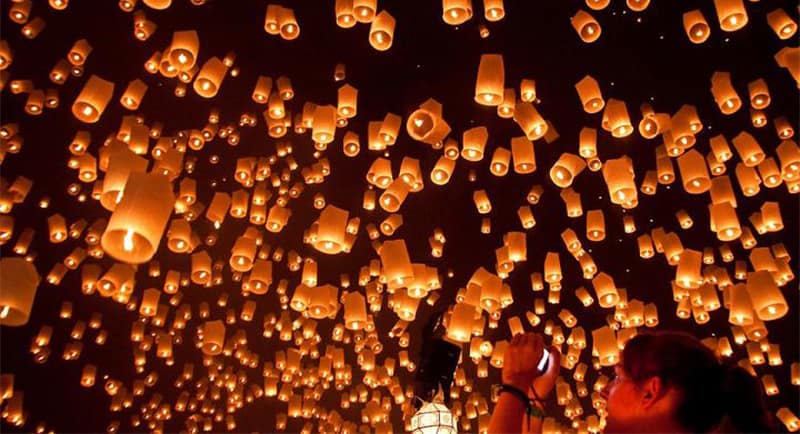
To make the horror festival narratives more vivid, it is helpful to include sensory details. For instance, describing the shimmering lights of lanterns, the soft rustle of wind in the trees, or the gentle murmur of prayers can create an immersive experience. A sentence may go like this: "The lanterns glow softly, and the night is filled with a quiet sound."
These descriptions help to evoke images in the reader's mind. By using simple adjectives and adverbs, these details make the stories come alive without complicating the language. The goal is to assist language learners in connecting abstract ideas with concrete imagery.
Building a Narrative Timeline
Sequencing Events
The narratives often follow a simple timeline. First, families prepare for the festival by creating altars or gathering at a temple. Then, as the night falls, the mysterious events begin. Finally, the festival ends with feelings of calm and respect. Each step in this timeline can be explained with simple verbs such as "go," "prepare," "watch," and "listen."
For example, an A1 paragraph might say: "At the start of the night, families gather. They light lanterns and wait. Soon, the ghosts come. People give food to the ghosts. At the end, everyone feels calm." This clear sequence helps learners understand both the event and the progression of actions.
Summary and Reflection
Learning Through Storytelling
Bridging Education and Culture
In summary, using A1 level English to describe Vietnamese horror festivals is a powerful tool for education and cultural exploration. These paragraphs use simple, clear language to convey stories and traditions that have been passed down through generations. The unique combination of ghost stories, family rituals, and legends creates a rich cultural tapestry that is both engaging and educational.
This method of storytelling is especially beneficial for young English learners. It provides them with a glimpse into the world of Vietnamese traditions, making abstract cultural concepts tangible through familiar language structures and straightforward narratives. By reading these texts, learners become more interested in cultural lore, which in turn helps them improve their language skills.
Combining Tradition with Simplicity
Future Insights for Learners
As learners become more comfortable with A1 level texts, they can progress to deeper and more complex narratives. However, even in these early stages, the integration of cultural content such as ghost festivals and legends helps build a foundation of understanding for more advanced language and cultural studies later on.
The detailed examples and careful structure of these texts ensure that every paragraph is accessible, yet rich in cultural meaning. With elements like offering rituals, family gatherings, and legendary figures described simply, learners are introduced to the beauty of Vietnamese folklore in a manner that is both engaging and easy to follow.
Conclusion
In conclusion, the examples provided in this guide offer accessible and engaging narratives about Vietnamese horror festivals and legends. Each paragraph is designed for A1 level English learners, using simple text and clear descriptions that make traditional ghost stories and cultural rituals easy to understand. Whether it is the Ghost Festival with its food offerings and quiet streets, the Vu Lan Festival with its ancestral prayers, or the mysterious Mid-Autumn Festival featuring the legend of Cuoi, these texts provide a gateway into the rich tapestry of Vietnamese culture.
The simplicity of the language is paired with culturally significant themes, enabling learners to gain both language skills and cultural insights. This method of blending folklore with educational language practice proves effective in broadening students’ understanding of history, myth, and tradition in a gentle yet compelling way. As learners progress, these foundational stories can lead them to explore more complex narratives in Vietnamese culture. The structured explanations, sensory details, and straightforward narrative timelines all contribute to creating a comprehensive resource for anyone interested in horror and legendary festivals of Vietnam.
References
- [page_title] - Holafly Travel Tips
- [page_title] - Vietnam Travel
- [page_title] - Vietnam Is Awesome
- [page_title] - Syracuse University Arts and Sciences
- [page_title] - Hoi An Now
Recommended

Last updated February 26, 2025