
Essential Questions for Trends and Room Service Packaging in Delhi NCR Hotels
A detailed guide to formulating inquiries on sustainability, technology, and guest experience
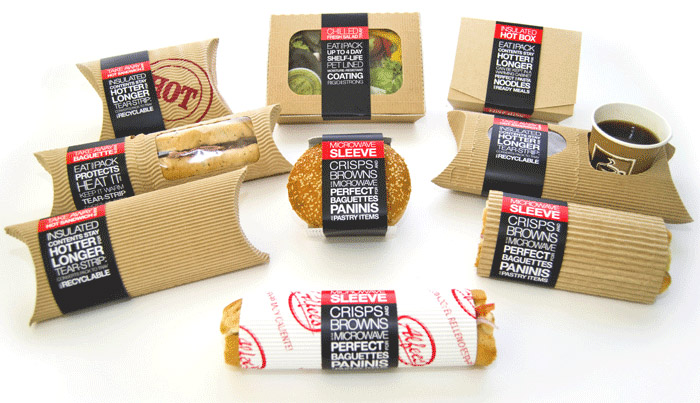
Key Highlights
- Sustainability Initiatives: Questions focus on eco-friendly materials, biodegradable options, and zero-waste strategies.
- Technological Integration: Inquiries about digital ordering systems and personalization methods driven by advanced analytics.
- Guest Experience & Innovation: Exploration of design, branding, and performance metrics of room service packaging strategies.
Introduction
The hotel industry in Delhi NCR is rapidly adjusting to contemporary trends that integrate sustainability and technology into room service packaging. In a competitive hospitality market, hotels are increasingly mindful about creating innovative, sustainable packaging solutions that not only reduce environmental impact but also elevate the guest experience.
As the sector faces new regulatory demands and evolving guest preferences in 2025, formulating the right questions is central to understanding these trends and implementing best practices. This document provides a comprehensive set of questions, organized and categorized into themes such as sustainability, technological advancement, and marketing strategy, to help stakeholders dig deeper into the current and future state of room service packaging in Delhi NCR.
Thematic Areas of Inquiry
Sustainability & Eco-Friendly Packaging
Sustainability has become a pivotal aspect of the hospitality industry. With increasing awareness about environmental impacts, hotels are actively seeking methods to reduce waste, lower plastic usage, and integrate biodegradable materials into their room service packaging. The following questions are designed to explore the sustainability initiatives currently being implemented.
Detailed Questions on Sustainability
- How are hotels in Delhi NCR reevaluating their packaging materials to prioritize sustainable and biodegradable options for room service?
- What types of eco-friendly materials are being increasingly adopted, and how do they compare in terms of efficacy to traditional packaging solutions?
- In what ways is the commitment to sustainability reflected in the design and branding of room service packaging in local hotels?
- How are local regulations and environmental policies in Delhi NCR driving the adoption of sustainable packaging practices?
- Are there specific case studies or success stories where hotels have reduced their environmental footprint through innovative packaging solutions?
- What challenges are encountered when transitioning from conventional packaging to biodegradable alternatives, especially concerning cost and supply chain logistics?
- To what extent are hotels partnering with local suppliers to access sustainable packaging materials and ensure a lower carbon footprint?
- How do hotels measure and report the environmental impact of their packaging initiatives, and are there standardized benchmarks being used?
These questions aim to unearth insights not only into the types of materials used but also into the strategic rationale behind their implementation. By understanding operational constraints and market influences, stakeholders can gain a complete picture of how sustainability is shaping room service packaging.
Technology and Personalization in Guest Experience
Technological advancements are reshaping the hospitality landscape, transforming how room service is conceptualized, ordered, and delivered. With an increased reliance on digital interfaces, hotels are incorporating technology into every aspect of the service, including packaging design and personalization. The questions below target the interface between technology and guest experience in room service packaging.
Innovative Questions on Technological Integration
- How are modern digital tools, such as mobile applications and digital kiosks, being used to streamline the ordering and delivery of room service in Delhi NCR hotels?
- What role do smart packaging solutions (for instance, packaging that can display QR codes or contactless features) play in enhancing operational efficiency and guest safety?
- In what ways do advanced analytics and data-driven insights influence the design and customization of room service packaging?
- Are hotels integrating feedback mechanisms through technology that enable real-time adjustments to packaging designs based on guest preferences?
- How do innovations like augmented reality or interactive packaging contribute to the overall guest experience and brand perception?
- What examples exist of personalized packaging designs that cater to specific demographics or individual guest profiles, and how is this personalization achieved?
- How do digital order management systems impact the operational logistics of room service, and in what ways do they integrate with sustainable packaging plans?
- What challenges do hotels face in balancing technological investments with the need for sustainable and eco-friendly packaging?
Integrating technology into room service packaging not only enhances efficiency and safety but also offers opportunities for personalization that can drive brand loyalty. These questions serve as a foundation for exploring these intertwined aspects of hotel service innovation.
Guest Experience and Branding through Packaging Innovation
Packaging is a subtle yet powerful tool in crafting the overall guest experience. Thoughtfully designed room service packaging can elevate the visual appeal, enhance functional convenience, and even reinforce brand identity. Questions that probe into these domains can help hotels refine their strategies and offer a cohesive, memorable experience.
Focused Questions on Guest Experience
- In what ways does the design and quality of room service packaging influence guest perceptions and overall satisfaction?
- How does the aesthetic appeal of packaging contribute to a hotel’s brand image and marketing efforts in a competitive market like Delhi NCR?
- What innovative packaging designs have emerged that specifically address the demands of the grab-and-go consumer in today’s fast-paced environment?
- How are hotels balancing the dual needs of aesthetic sophistication and functional practicality in their room service packaging?
- To what degree are hotels incorporating feedback related to packaging into their operations to continuously evolve and improve the guest experience?
- How are hotels using social media and digital marketing strategies to highlight their innovative packaging practices and attract tech-savvy travelers?
- What role does packaging play in aligning with broader wellness trends, such as stress-free dining or a seamless in-room experience?
- Have hotels implemented any loyalty programs or incentives tied to eco-friendly and innovative packaging choices?
These questions prompt a detailed investigation into the multifaceted benefits of innovative packaging. By striking the right balance between form and function, hotels can not only appeal visually but also provide practical solutions that meet the demands of modern guests and elevate the hospitality experience.
Cost-Effectiveness and Operational Challenges
While striving for innovation in room service packaging, hotels must also navigate significant cost considerations and operational challenges. A thorough inquiry into these areas can help identify strategies that allow the balancing of high-quality packaging solutions with financial sustainability.
Critical Questions on Cost and Operations
- How are hotels in Delhi NCR addressing the cost pressures associated with using high-quality, sustainable packaging materials?
- What operational challenges do hotels face when integrating new packaging technologies and sustainable materials into their existing service workflows?
- In what ways are hotels leveraging economies of scale or strategic partnerships to maintain cost-effectiveness while pursuing environmentally friendly packaging options?
- How are the challenges of supply chain disruptions and fluctuating raw material costs being managed in the adoption of innovative packaging solutions?
- What metrics are employed to monitor and evaluate the return on investment for new packaging designs and technologies?
- How do logistical issues, such as packaging storage and handling, influence the overall strategic decisions made by hotel management?
- Are there case examples where hotels have succeeded in reducing costs while still offering premium room service packaging?
- How does the regulatory environment influence cost considerations and what compliance challenges are being faced during implementation?
These operational and cost-related questions highlight the importance of creating a balance between innovation and economic viability. By addressing these key areas in detail, stakeholders can develop robust strategies to implement sustainable and technologically advanced room service packaging within budget constraints.
Regulatory Environment and Market Benchmarks
Government policies and industry benchmarks play a crucial role in shaping the trends in room service packaging. Local regulations often dictate the materials that can be used and the standards that must be met, while market benchmarks provide insight into best practices and performance metrics.
Pertinent Questions on Regulation and Benchmarks
- What are the current regulatory requirements in Delhi NCR that hotels must adhere to in selecting room service packaging materials?
- How do regulations impact the adoption of biodegradable and eco-friendly packaging strategies in the hotel industry?
- What industry benchmarks or performance metrics are used by hotels to measure the effectiveness and sustainability of their packaging solutions?
- How do hotels align their packaging strategies with anticipated changes in environmental and safety regulations?
- Are there collaborative initiatives between the government, hospitality industry, and packaging manufacturers to drive innovation and compliance?
- How does the regulatory environment in Delhi NCR compare with other regions regarding standards for room service packaging?
These inquiries focus on understanding the broader regulatory and market context that influences hotel packaging strategies. Analyzing these elements can provide actionable insights into how hotels can not only achieve compliance but also exceed industry standards for sustainability and guest satisfaction.
Future Trends and Innovation Forecast
Looking forward, the dynamic nature of the hospitality industry promises further evolution in room service packaging and overall service strategies. Forward-looking questions can guide stakeholders in anticipating future innovations and preparing for the challenges ahead.
Futuristic Questions for Trend Forecasting
- What emerging trends in room service packaging might become standard practice in Delhi NCR hotels over the next five years?
- How can hotels proactively integrate next-generation materials and design innovations to future-proof their room service offerings?
- What role will continuous technological advancements play in refining and enhancing room service packaging solutions?
- Are there any anticipated shifts in consumer expectations that will necessitate further innovation in packaging, such as aesthetically customizable packaging or integrated smart features?
- How might global trends in sustainability and technology spur new developments in the local market, and what lessons can Delhi NCR hotels learn from international best practices?
- What research and development investments are necessary for hotels to sustain innovation in room service packaging?
- In what ways are hotels planning to engage with emerging materials science innovations that could revolutionize packaging sustainability and functionality?
- How can insights from other industries be adapted to enhance room service packaging and guest experiences in the hospitality sector?
These forward-looking inquiries encourage exploration of uncharted territories in hotel service innovations. Anticipating future trends is crucial for staying ahead in a competitive market, and these questions guide research, investment, and strategic planning in room service packaging.
Comprehensive Comparison Table
To provide a clear and structured overview, the table below compares the major themes associated with room service packaging trends in Delhi NCR and outlines the related questions:
| S.No. | Theme | Key Questions |
|---|---|---|
| 1 | Sustainability |
|
| 2 | Technology Integration |
|
| 3 | Guest Experience & Branding |
|
| 4 | Cost and Operations |
|
| 5 | Regulatory and Future Trends |
|
Final Thoughts on Key Questions
Formulating comprehensive questions about trends and room service packaging in Delhi NCR is the first step toward gaining deep insights into an evolving industry. Whether it is the push for sustainable, eco-friendly solutions or the integration of advanced technological systems to create personalized guest experiences, these detailed inquiries are designed to cover every aspect of innovation and operational management. In an era where guest expectations are continuously evolving, the adoption of innovative packaging strategies not only sets a hotel apart from its competition but also cements its commitment to environmental sustainability and modern service protocols.
The series of questions provided can serve multiple stakeholders: hotel managers striving to enhance service quality, sustainability officers looking to implement eco-friendly initiatives, and business strategists analyzing market trends to make informed decisions. They address pressing concerns such as how to incorporate biodegradable materials without compromising on functionality, the role of smart packaging in a contactless service environment, and the measurable impacts on guest satisfaction and loyalty.
Additionally, these inquiries invite exploration into how regulatory frameworks in Delhi NCR are shaping industry maneuvers. The interplay between government policies and innovative hotel practices forces service providers to stay agile and adaptive. By consistently measuring performance through feedback mechanisms, hotels can iteratively refine their packaging solutions and ultimately contribute to a greener, more tech-enabled hospitality ecosystem.
In summary, the questions developed not only challenge the status quo but also empower stakeholders to envision a future where sustainability, technology, and guest-centric design coalesce in room service packaging. The inherent complexity of balancing cost, environmental impact, and guest expectations necessitates a multi-dimensional approach, as outlined in the questions above.
Conclusion and Final Thoughts
The inquiry into room service packaging and trends in Delhi NCR hotels reveals a vibrant interplay between sustainability, technological innovation, and strategic branding. Crafting well-rounded questions across these themes helps create a conduit for research, operational improvements, and future growth within the competitive hospitality market. By addressing eco-friendly material usage, technological integrations for enhanced guest experiences, operational challenges surrounding costs, and regulatory influences, the comprehensive set of questions provided serves as an essential toolkit for any stakeholder in the hotel industry.
The approach is designed to inspire critical thinking and guide actionable insights that can drive sustainable practices while meeting the heightened expectations of modern travelers. These questions, when answered through industry research and analysis, will undoubtedly lead to better guest experiences, optimized operational efficiency, and a stronger alignment with the global push for eco-conscious practices. They also set the stage for future innovations that could redefine room service packaging on a global scale.
References
- Top Hospitality Industry Trends in India for 2025 - Revnomix
- Hotel Trends - ADA Cosmetics
- Hotel Trends to Watch for in 2025: Innovation Meets Sustainability - LeLior
- Hotel Trends for 2025: Insights from Industry Experts - GuestCentric
- 8 Ways Hotel Room Service is Changing - Entrepreneur
Recommended Queries for Further Exploration
Last updated February 23, 2025