
Historic Houses of Tibidabo
Discover the elegant legacy of early 20th-century architecture atop Tibidabo, Barcelona
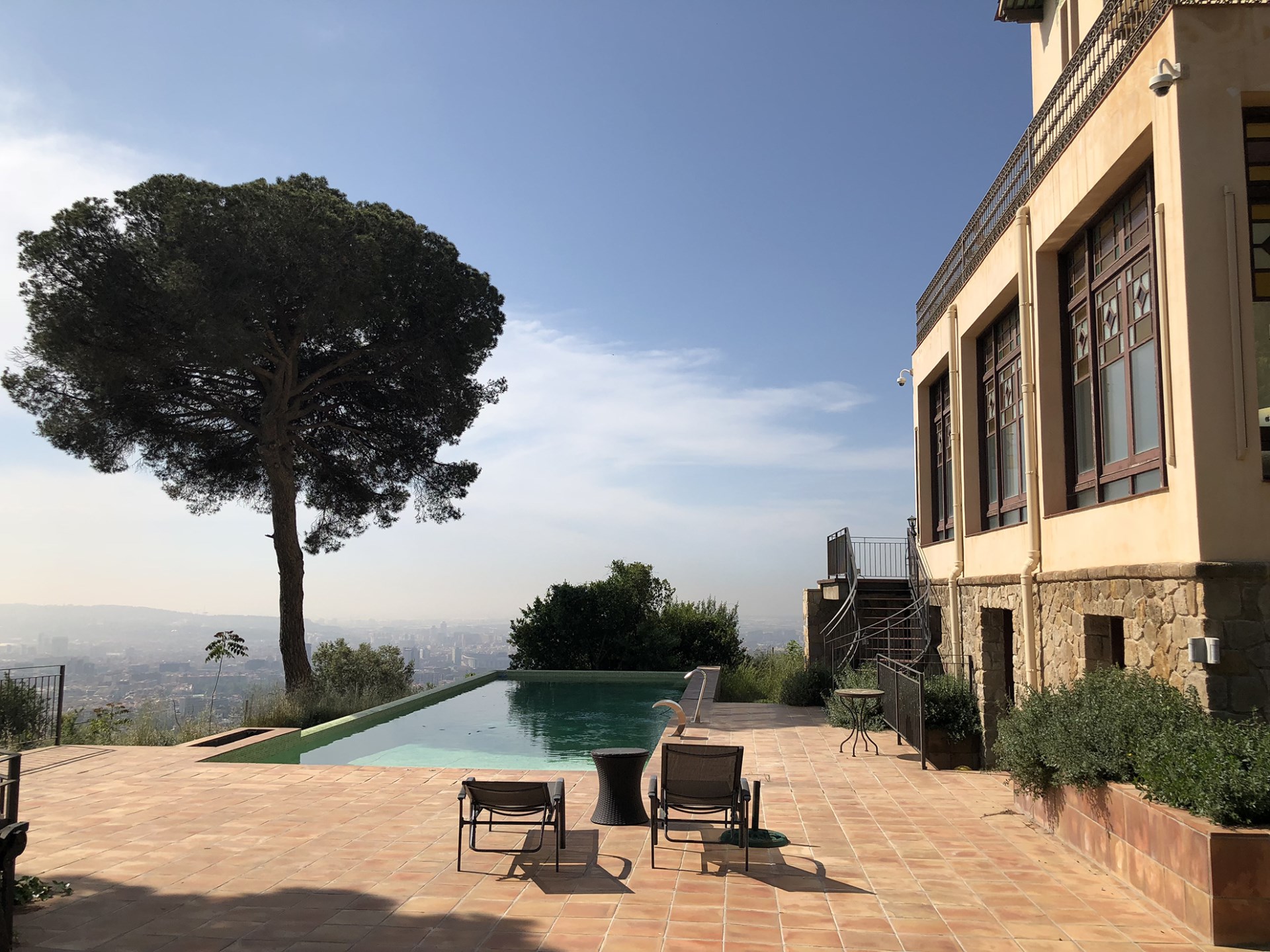
Key Highlights
- Architectural Diversity: The houses exhibit a blend of Modernisme, Neo-Mudéjar, Noucentisme, and medievalist influences.
- Elite Retreat: Constructed for Barcelona’s affluent families, these residences provided an escape from the industrial city bustle.
- Cultural & Heritage Value: Today, many of these properties have been repurposed into cultural institutions, consulates, and tourist attractions while preserving their historic charm.
Overview of Tibidabo's Historic Development
Situated on the stunning Tibidabo mountain overlooking Barcelona, the houses built at the beginning of the 20th century epitomize a fascinating era of architectural innovation. As the city experienced the pressures of rapid industrialization, Barcelona’s elite sought refuge in the serene heights of Tibidabo. This transformation created an exclusive residential area that was inspired by the grandeur of Parisian boulevards. The visionary Dr. Salvador Andreu played a crucial role in promoting Avinguda del Tibidabo as a rural escape, complete with elegant villas, expansive gardens, and wide avenues.
Over a span of a few decades, a series of magnificent houses were erected, each showcasing a unique interplay of various artistic styles. Designed by prominent architects such as Joan Rubió, Enric Sagnier, and Albert Juan Torner, these mansions not only provided luxurious accommodations but also transformed the architectural landscape of Barcelona. Their eclectic features include intricate stone carvings, ornamental ironwork, vibrant ceramic tiles, and a harmonious blend of historical motifs.
Architectural Styles and Notable Structures
The early 20th century was a time of bold artistic experimentation, and the houses on Tibidabo vividly represent this period through their diverse architectural styles:
Modernisme & Neo-Mudéjar
One of the defining features of these residences is the Modernista style, characterized by organic lines, fluid decorative elements, and a profound attention to detail. Modernisme in Barcelona is not just an architectural style, but a cultural statement. Among the noteworthy examples stand:
Villa Tibidabo
Designed by Albert Juan Torner, this villa is celebrated for its modernist aesthetics and panoramic views over the city. Its intricate ornamentation and balanced proportions embody the innovative spirit of the era.
Casa Roviralta
Also known as Frare Blanc, this building designed by Joan Rubió between 1903 and 1913, showcases the Neo-Mudéjar style. Employing decorative influences reminiscent of Moorish architecture, the building features detailed brickwork and ornamental arches, reflecting the era's affinity for historical references.
Medievalist and Noucentista Influences
In addition to Modernisme, several of Tibidabo’s structures integrate elements from Medievalist and Noucentista styles. These influences are seen in the combination of robust medieval forms, decorative ironworks, and classical proportions:
Casa Fornells and Casa Coll
Casa Fornells, designed by Joan Rubió i Bellver in 1903, offers a mix of robust, medievalist themes combined with oriental interior design cues. Meanwhile, Casa Coll manifests a refined style appreciated for its simplicity and integration with surrounding landscapes.
Architectural Innovation Beyond the Residences
Beyond residential homes, the top of Tibidabo also features other architectural landmarks that enrich the cultural landscape:
Temple of the Sacred Heart of Jesus
Initiated in 1902 and helmed by Enric Sagnier, the Temple of the Sacred Heart is a blend of Romanesque, Gothic, and Neo-Byzantine elements. It not only serves as a place of worship but also as a visual accent in the mountainous landscape and a testament to the era’s eclectic architectural tastes.
Villa Paula
Located on Tibidabo mountain and designed by Jerome Granell Manresa in 1912, Villa Paula represents another facet of this architectural diversity. The villa accentuates the fusion of residential luxury with thoughtful integration into its natural surroundings.
The Historical and Cultural Context
During the early 20th century, Barcelona was undergoing an era of industrial prosperity which, paradoxically, led to an outgrowth of urban congestion and industrial pollution in the city center. The construction of lavish villas on Tibidabo provided a vital escape to fresh air, expansive gardens, and breathtaking panoramic views. This migration of the bourgeoisie from downtown areas to the hillside epitomized both a social and urban transformation.
The architects and urban planners of the time sought to reconstruct the city's spatial identity while embracing modernity. Inspired by European trends, especially the grand boulevards and landscaped gardens of Paris, Tibidabo’s development was a blend of functionality and aesthetic appeal. The houses were meticulously designed to reflect the social aspirations, cultural pride, and innovative spirit of Barcelona’s elite.
As the years passed, many of these houses have been repurposed while maintaining their historical integrity. Some were transformed into universities, consulates, and even boutique restaurants. These adaptive reuses have allowed them to remain relevant as living monuments, continually drawing interest from architectural historians, cultural enthusiasts, and tourists.
A Comprehensive Table of Notable Houses
| House/Structure | Architectural Style(s) | Key Architect/Designer | Notable Features |
|---|---|---|---|
| Villa Tibidabo | Modernisme | Albert Juan Torner | Panoramic views, intricate ornamentation |
| Casa Roviralta (Frare Blanc) | Neo-Mudéjar / Modernisme | Joan Rubió | Decorative brickwork, ornamental arches |
| Casa Fornells | Medievalist / Modernisme | Joan Rubió i Bellver | Oriental interior touches, medieval design |
| Casa Coll | Modernisme / Noucentisme | Various prominent figures | Simplistic elegance, integration with natural landscape |
| Temple of the Sacred Heart of Jesus | Romanesque, Gothic, Neo-Byzantine | Enric Sagnier i Villavecchia | Eclectic mix of styles, religious significance |
| Villa Paula | Early 20th Century Residential | Jerome Granell Manresa | Private villa with expansive garden |
Impact and Current Usage
The architectural gems atop Tibidabo continue to influence both local culture and urban planning in Barcelona. These houses, originally built as luxurious retreats for affluent families, have undergone significant transformations in their usage over the past century. Many of them have been restored and repurposed to serve modern needs while retaining their historical essence.
For instance, several residences now function as educational institutions, private consulates, and even cultural venues. This adaptive reuse has allowed them to remain accessible and functional in a modern urban context, ensuring that current and future generations can appreciate both their architectural splendor and historical relevance.
Additionally, the preservation of these buildings contributes to Barcelona’s image as a city that cherishes its rich cultural heritage. Efforts by local historians, conservationists, and public institutions have secured the status of many structures as protected historical monuments, sparking interest from tourists and architecture aficionados worldwide.
Cultural and Social Significance
The houses of Tibidabo are more than just architectural masterpieces; they are symbols of a transformative period in Barcelona’s history. Their construction reflects a societal shift—a desire to escape the urban taint of industrialization, to indulge in the pleasures of natural landscapes, and to celebrate refined living in a modern age.
As pilgrimage sites for cultural enthusiasts and historians, these structures also serve as narrative pieces in the ongoing story of Barcelona’s evolution. Their eclectic styles and adaptive reuses highlight a continuity of heritage, intertwining local identity with broader European architectural trends.
Restoration and Preservation Efforts
Recognizing the intrinsic value of these historic edifices, various restoration projects and conservation initiatives have been undertaken. Organizations, alongside municipal authorities, have devoted substantial resources to preserving both the exterior facades and the distinct decorative details that mark these structures as treasures of architectural history.
In doing so, the preservation efforts provide a dual benefit: they protect the physical heritage for educational and touristic purposes while serving as a permanent reminder of an era defined by elegance, innovation, and cultural aspiration.
References
- Avinguda Tibidabo - Barcelona Travel Hacks
- Modernista Masterpieces - SH Barcelona
- Historic Avenue Insight - Meet Barcelona
- Modernist House Overview - Forbes Global Properties
-
Casa Ignasi Coll Portabella - Arquitectura Catalana
Recommended Further Exploration
 redescubriendomibarcelona.blogspot.com
Last updated March 17, 2025