
Unlock Global Freedom: Your Comprehensive Guide to Becoming a Digital Nomad in 2025
Combine work and travel seamlessly with this step-by-step blueprint for location independence.
Essential Insights for Aspiring Nomads
- Secure Remote Income First: The cornerstone of digital nomadism is a reliable income source (remote job, freelancing, or online business) established before you travel.
- Plan Meticulously: Success requires thorough research into destinations, visas, finances (aim for 3-6 months of savings), insurance, and technology.
- Embrace Community & Adaptability: Connect with fellow nomads online and offline, cultivate flexibility, and prioritize mental well-being to navigate the unique challenges and rewards.
Understanding the Digital Nomad Lifestyle in 2025
Becoming a digital nomad means embracing a lifestyle where work isn't tied to a specific location. Fueled by advancements in technology, increasingly flexible work policies, and a growing global infrastructure catering to remote professionals, 2025 presents exciting opportunities. It's a path offering unparalleled freedom to explore diverse cultures and environments while maintaining and growing your career. However, this journey requires careful planning, discipline, and adaptability.
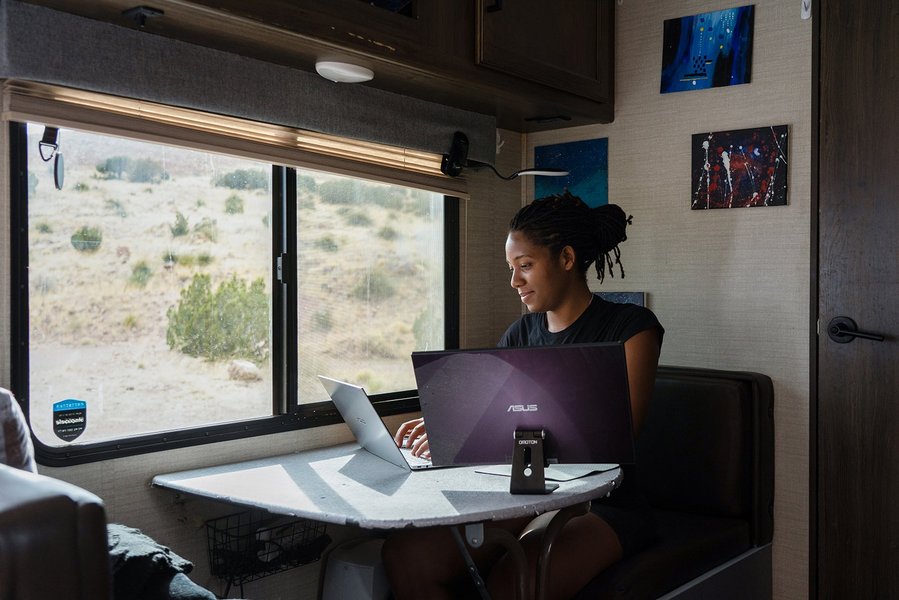
The digital nomad lifestyle allows working from inspiring locations.
Step 1: Assess Your Skills & Secure Remote Work
Finding Your Remote-Compatible Path
The absolute foundation of becoming a digital nomad is securing an income stream that can be managed remotely. Not all jobs translate well to this lifestyle, so the first step is a realistic assessment.
Evaluate Your Current Situation
Can your current job be performed entirely online? Discuss remote work possibilities with your employer. Many companies have become more open to flexible arrangements. If your role isn't suitable, consider transitioning within your company or seeking a new, remote-friendly position.
Identify In-Demand Remote Skills
If a career change is necessary, focus on skills readily marketable in the remote landscape. Common fields include:
- Software Development & IT
- Digital Marketing (SEO, SEM, Social Media Management)
- Content Creation (Writing, Editing, Videography)
- Graphic Design & Web Design
- Virtual Assistance & Customer Support
- Online Teaching & Tutoring
- Consulting
- Project Management
- E-commerce & Dropshipping
Platforms like Coursera, Udemy, LinkedIn Learning, and even YouTube offer resources to acquire or enhance these skills.
Explore Freelancing and Entrepreneurship
Many digital nomads are freelancers or run their own online businesses. Freelancing platforms (like Upwork, Fiverr) can help you find initial clients, but building a strong portfolio and professional brand is key for long-term success. Entrepreneurship offers maximum autonomy but requires significant planning and business acumen. Consider starting small, perhaps as a side hustle, before fully committing.
Comparing Remote Work Options
Understanding the different paths to remote income is crucial. Each has its own set of benefits and challenges:
| Work Type | Pros | Cons | Best For |
|---|---|---|---|
| Remote Employee | Stable income, benefits (sometimes), company structure, potential for career growth within the company. | Less flexibility in work hours/location (depending on company policy), potential for time zone conflicts, company dependency. | Those seeking stability, benefits, and a traditional career path adapted for remote work. |
| Freelancer | High flexibility in choosing projects, clients, hours, and location; diverse work experiences. | Income instability, need for constant client acquisition, responsible for own taxes/benefits/insurance, self-discipline required. | Individuals with specific marketable skills seeking maximum autonomy and variety. |
| Online Entrepreneur | Full control over business direction, potentially high earning potential, ultimate location independence. | High risk, significant upfront investment (time/money), responsible for all business aspects, income can be highly variable initially. | Risk-takers with a strong business idea, high self-motivation, and a long-term vision. |
It's essential to have reliable work lined up before you start traveling to minimize financial stress.
Step 2: Financial Planning & Budgeting
Building a Solid Financial Foundation
Financial stability is non-negotiable. Before you even book a flight, get your finances in order.
Savings Buffer
Experts strongly recommend saving at least 3-6 months' worth of living expenses before starting your journey. This buffer provides security during income fluctuations, covers unexpected costs (medical emergencies, flight changes), and allows you time to settle into new locations without financial panic.
Cost of Living Research
The cost of living varies dramatically across the globe. Research potential destinations thoroughly. Websites like Nomad List or city-specific guides can provide estimates for accommodation, food, transportation, and internet. Factor these costs into your budget realistically.
Budgeting Tools and Practices
Create a detailed budget and track your expenses diligently. Use budgeting apps like Mint, YNAB (You Need A Budget), or simple spreadsheets. Account for:
- Accommodation (monthly rentals, Airbnb, coliving)
- Food (groceries, dining out)
- Transportation (flights, local transit)
- Internet & Mobile Data
- Coworking Space Fees (if applicable)
- Travel Insurance & Health Insurance
- Visa Costs
- Business Expenses
- Entertainment & Activities
- Emergency Fund Contributions
International Banking & Taxes
Set up banking solutions that minimize foreign transaction fees and offer easy international access. Consider banks with global partnerships or fintech services like Wise (formerly TransferWise) or Revolut for better exchange rates and low-fee transfers. Understand your tax obligations – you may owe taxes in your home country and potentially in countries where you spend significant time. Consulting with a tax professional specializing in expatriate or digital nomad taxation is highly recommended.
Step 3: Handle Legalities & Visas
Navigating Regulations for Global Work
Working and living abroad involves navigating legal requirements, primarily visas.
Understanding Visa Options
Simply traveling on a tourist visa while working remotely can be legally grey or outright prohibited in many countries. Fortunately, the rise of digital nomadism has led many nations to introduce specific Digital Nomad Visas (DNVisas). These visas typically allow stays ranging from 6 months to several years, specifically permitting remote work for foreign companies or clients.
Countries with popular DNV programs include:
- Portugal
- Estonia
- Spain
- Croatia
- Costa Rica
- United Arab Emirates (Dubai)
- Indonesia (Bali - Second Home Visa)
- Greece
- Mexico (Temporary Resident Visa often used)
Each DNV has specific requirements, often including proof of income (e.g., minimum monthly earnings), health insurance, and a clean criminal record. Research the exact requirements for your target destinations well in advance, as application processes can take time.
Insurance is Essential
Standard travel insurance may not cover you adequately if you're living and working abroad long-term, especially for medical needs. Look for comprehensive health insurance plans designed for digital nomads or expatriates. These often cover emergency medical care, routine check-ups, and sometimes even evacuation, across multiple countries. SafetyWing and World Nomads are popular options among the nomad community.
Step 4: Choose Your Destinations Wisely
Finding Your Ideal Nomad Hubs
Selecting where to live and work is a major part of the digital nomad appeal. Consider these factors:
Key Destination Criteria
- Cost of Living: Aligns with your budget.
- Internet Speed & Reliability: Crucial for remote work. Check average speeds and availability (fiber optic, reliable mobile data).
- Safety & Stability: Research crime rates and political stability.
- Visa Requirements: Availability and ease of obtaining a suitable visa.
- Community: Presence of other digital nomads, expats, coworking spaces, and events.
- Climate & Environment: Personal preference for weather and surroundings (beach, city, mountains).
- Time Zone: Compatibility with your work hours or client locations.
- Healthcare Access & Quality: Availability of good medical facilities.
- Culture & Language: Openness to foreigners and ease of communication.
Popular & Emerging Destinations (2025)
While classics remain popular, new hubs emerge constantly. Some top contenders for 2025 include:
- Lisbon, Portugal: Great weather, vibrant culture, strong nomad community, DNV available.
- Chiang Mai, Thailand: Very affordable, established nomad hub, excellent food, cultural richness (visa runs often required).
- Medellin, Colombia: "City of Eternal Spring," affordable, growing tech scene, friendly locals.
- Bali, Indonesia: Beautiful scenery, strong wellness culture, relatively low cost (new visa options improving longer stays).
- Cape Town, South Africa: Stunning natural beauty, urban sophistication, favorable exchange rate (consider safety precautions).
- Buenos Aires, Argentina: European feel, vibrant culture, very affordable (economic instability can be a factor).
- Warsaw, Poland: Affordable European base, modern infrastructure, historical significance.
- Brasília, Brazil: Noted for safety, affordability, and welcoming visa policies.
Destination Comparison Radar Chart
Choosing a destination involves balancing various factors. This chart provides a subjective comparison of several popular digital nomad hubs based on key criteria important to remote workers. Scores are relative estimates (1=Low, 10=High) for illustrative purposes.
Test Runs Recommended
Before committing to a long-term stay or selling your belongings, consider a shorter "test run" trip of a few weeks or months. This allows you to experience the reality of working remotely in a specific location, assess its suitability for your needs, and refine your setup without major upheaval.
Step 5: Set Up Your Logistics & Technology
Equipping Yourself for Productivity on the Go
Your ability to work effectively hinges on having the right tools and logistical arrangements.
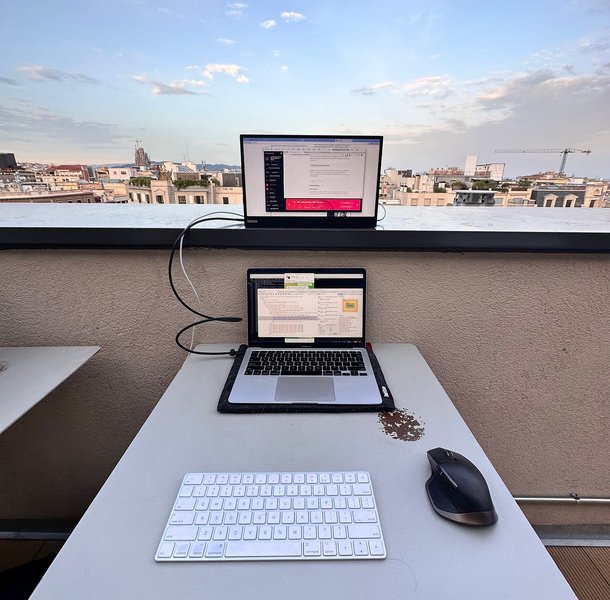
A reliable and portable tech setup is crucial for digital nomads.
Essential Tech Gear
- Reliable Laptop: Lightweight yet powerful enough for your work needs.
- Noise-Canceling Headphones: Essential for focus in noisy environments (cafes, airports).
- Portable Monitor: Can significantly boost productivity for many tasks.
- Universal Power Adapter & Power Bank: Keep your devices charged anywhere.
- Portable Wi-Fi Hotspot / Mobile Data Plan: Backup internet is crucial. Research local SIM card options upon arrival for better rates and coverage.
- VPN (Virtual Private Network): Protects your data security, especially on public Wi-Fi, and can bypass geo-restrictions.
- Cloud Storage: Services like Google Drive, Dropbox, or OneDrive for backing up files and accessing them anywhere.
Accommodation Strategy
Options vary based on budget and preference:
- Short-Term Rentals (Airbnb, Booking.com): Flexible, good for initial stays or shorter trips.
- Long-Term Rentals: More cost-effective for stays of several months; often found through local agents or Facebook groups.
- Coliving Spaces: Combine accommodation with workspace and community. Great for networking and combating loneliness.
- Hostels: Budget-friendly, good for meeting other travelers, but can be less conducive to focused work.
Connectivity Plan
Don't assume Wi-Fi will always be perfect. Have multiple options: rely on accommodation Wi-Fi, utilize coworking spaces known for good internet, purchase local SIM cards with generous data plans, and carry a portable hotspot device as a backup.
Step 6: Establish Routines & Prioritize Well-being
Balancing Work, Travel, and Health
The freedom of the digital nomad lifestyle can be deceptive; structure and self-care are vital for sustainability.
Create a Work Routine
While you have flexibility, establishing a consistent work schedule helps maintain productivity and prevents work from bleeding into exploration time (and vice-versa). Determine your most productive hours and try to stick to them, adjusting for time zone differences if necessary. Designate a specific workspace, even if it changes daily.
Set Boundaries for Work-Life Balance
It's easy to either overwork or get distracted by the allure of a new place. Set clear start and end times for your workday. Communicate your availability clearly to clients or colleagues. Schedule time specifically for exploring, socializing, and relaxing.
Prioritize Physical and Mental Health
Constant travel and adaptation can be taxing. Maintain healthy habits:
- Exercise: Find ways to stay active (gym, running, yoga, hiking).
- Diet: Enjoy local cuisine, but maintain a balanced diet.
- Sleep: Ensure adequate rest, especially when adjusting to new time zones.
- Mental Health: Acknowledge potential loneliness or stress. Stay connected with family and friends back home. Practice mindfulness or meditation. Don't hesitate to seek professional help if needed (online therapy options are available).
Step 7: Build Community & Network
Connecting with Others on the Road
Digital nomadism doesn't have to be a solitary journey. Building a support network is crucial for both personal well-being and professional growth.
Online Communities
Engage with established digital nomad communities online:
- Reddit (e.g., r/digitalnomad)
- Facebook Groups (search for "digital nomads in [city name]")
- Dedicated nomad platforms and forums
These are great resources for asking questions, sharing experiences, and finding local tips.
Offline Connections
- Coworking Spaces: Natural hubs for meeting other remote workers.
- Coliving Spaces: Offer built-in community and social events.
- Meetups & Events: Look for local nomad meetups, workshops, or larger events like the Athens Nomad Fest or Nomad Cruise (check schedules for 2025).
- Local Activities: Join classes, sports clubs, or volunteer groups to meet locals and expats beyond the nomad bubble.
Networking can lead to friendships, collaborations, and even job opportunities.
Digital Nomad Journey Mindmap
Visualizing the Path to Location Independence
This mindmap outlines the core stages and considerations involved in transitioning to a digital nomad lifestyle. It serves as a visual checklist for your planning process.
(Remote Employee, Freelancer, Entrepreneur)"] id1a3["Skill Development"] id1b["Secure Remote Income"] id1b1["Find Job/Clients"] id1b2["Build Portfolio"] id1b3["Diversify Income (Optional)"] id1c["Financial Planning"] id1c1["Save Emergency Fund (3-6 months)"] id1c2["Budgeting (Expenses, Income)"] id1c3["International Banking"] id1c4["Tax Planning"] id1d["Legal & Logistics"] id1d1["Research Visas (DNVs)"] id1d2["Obtain Health/Travel Insurance"] id1d3["Plan Initial Accommodation"] id2["Phase 2: Transition & Travel"] id2a["Choose Destination(s)"] id2a1["Research Criteria
(Cost, Internet, Safety, Community)"] id2a2["Consider Test Runs"] id2b["Set Up Tech"] id2b1["Essential Gear (Laptop, Hotspot)"] id2b2["Software & Security (VPN, Cloud)"] id2c["Travel & Settle In"] id2c1["Book Flights/Transport"] id2c2["Arrange Initial Stay"] id2c3["Get Local SIM/Connectivity"] id3["Phase 3: Sustainable Nomading"] id3a["Establish Routines"] id3a1["Work Schedule"] id3a2["Designated Workspace"] id3b["Maintain Well-being"] id3b1["Physical Health (Exercise, Diet)"] id3b2["Mental Health (Combat Loneliness)"] id3b3["Work-Life Balance"] id3c["Build Community"] id3c1["Join Online Groups"] id3c2["Attend Meetups/Events"] id3c3["Use Coworking/Coliving Spaces"] id3d["Adapt & Grow"] id3d1["Stay Flexible"] id3d2["Continuous Learning"] id3d3["Monitor Global Trends"]
Insights from a Digital Nomad Journey
Watch: How to Become a Digital Nomad in 2025
Hearing personal stories can provide valuable context and inspiration. This video shares a journey into the digital nomad lifestyle, offering practical tips and insights relevant for those planning their transition in 2025. It covers key aspects like building income streams and choosing the right tools, aligning with the steps outlined in this guide.
Frequently Asked Questions (FAQ)
How much money do I realistically need to start?
While it varies greatly depending on your destination and lifestyle, a common recommendation is to have at least 3-6 months of living expenses saved as an emergency fund before you leave. This doesn't include initial setup costs like flights, visas, or tech gear. You also need a reliable source of remote income that meets or exceeds your projected monthly expenses in your chosen location(s). Research the cost of living thoroughly for your target destinations.
What are the best jobs for digital nomads?
Any job that can be done 100% remotely with a laptop and internet connection can work. Popular fields include software development, web design, graphic design, digital marketing, content writing/editing, virtual assistance, customer support, online teaching, translation, consulting, and running an e-commerce business. Freelancing in these areas is very common.
How do taxes work for digital nomads?
Tax situations for digital nomads can be complex and depend on your citizenship, residency status, where you earn income, and how long you stay in each country. You might owe taxes in your home country, and potentially in foreign countries where you spend significant time (often >183 days, but rules vary). Many digital nomad visas have specific tax regulations, sometimes offering exemptions or flat rates. It is highly recommended to consult a tax professional familiar with international and digital nomad tax laws.
Is the digital nomad lifestyle lonely?
It can be, especially when frequently moving locations and leaving behind established social circles. However, it doesn't have to be. Proactively seeking community through coworking spaces, coliving, online groups, local meetups, and nomad events is key. Maintaining connections with friends and family back home via video calls also helps. Building meaningful connections requires conscious effort.
Recommended Further Exploration
- Compare digital nomad visas for Portugal vs Spain.
- What are the best health insurance options for long-term digital nomads?
- How can I find reliable and affordable accommodation as a digital nomad?
- Explore the tax implications for US citizens working remotely abroad.
References
Last updated May 4, 2025