
Embrace the Wanderlust: Your Comprehensive Guide to Becoming a Digital Nomad in 2025
Unlock the Freedom of Location-Independent Work and Travel
The digital nomad lifestyle, once a niche concept, has blossomed into a thriving global movement in 2025. Fueled by technological advancements, increasing employer flexibility, and a desire for a more balanced and adventurous life, working remotely while exploring the world is more accessible than ever. This guide will walk you through the essential steps to becoming a successful digital nomad, from identifying suitable work opportunities to managing your life on the road.
Key Highlights of the Digital Nomad Lifestyle
- Diverse Job Opportunities: A wide range of professions, particularly in the tech and creative sectors, are well-suited for remote work and the digital nomad lifestyle.
- Planning and Preparation are Crucial: Success as a digital nomad requires careful planning, including securing remote work, managing finances, and researching destinations.
- Balancing Work and Travel: While offering immense freedom, maintaining productivity and finding a work-life balance is essential for long-term sustainability.
Defining the Digital Nomad
A digital nomad is an individual who leverages technology to work remotely, allowing them to live an independent and nomadic lifestyle. This differs from traditional remote work in its emphasis on travel and location independence. Digital nomads can work from virtually anywhere with a reliable internet connection, whether it's a bustling city cafe, a tranquil beach bungalow, or a co-working space in a foreign country.
The core idea is to decouple work from a fixed physical location, enabling a lifestyle that combines professional pursuits with the exploration of new cultures and environments.
Finding Your Path: Identifying Digital Nomad Jobs
One of the fundamental steps to becoming a digital nomad is securing a remote job that aligns with your skills and interests. The good news is that the range of digital nomad-friendly professions is constantly expanding. Many roles that were traditionally office-bound can now be performed effectively from afar.
Popular Digital Nomad Professions
Numerous fields offer excellent opportunities for aspiring digital nomads. These often involve skills that are in high demand in the digital economy:
- Software and Web Development: This is a highly sought-after skill set that is inherently remote-friendly. Developers can work on projects from anywhere with an internet connection.
- UX/UI Design and Graphic Design: Creative roles like design are well-suited for remote work, allowing professionals to collaborate with clients and teams online.
- Digital Marketing: This broad field includes roles such as SEO specialists, social media managers, content marketers, and paid advertising specialists, all of which can be done remotely.
- Writing and Editing: Copywriters, editors, proofreaders, and freelance journalists can find ample remote work opportunities.
- Virtual Assistant: Providing administrative, technical, or creative assistance to clients remotely is a flexible entry point into the digital nomad lifestyle.
- Data Analysis: Professionals who can analyze and interpret data are in demand and can often work remotely.
- E-commerce Business Owner: Running an online store allows for location independence, managing the business from anywhere.
- Translation and Transcription: Language skills are valuable for remote work in translation and transcription services.
While tech-related jobs are prevalent, it's important to note that the digital nomad lifestyle isn't limited to this sector. Many individuals leverage existing skills from non-tech fields to find remote work or start their own location-independent businesses.
Strategies for Securing Remote Work
Once you've identified potential job types, the next step is finding remote positions. Several strategies can help in your job search:
- Remote Job Boards: Websites dedicated to remote work listings are excellent resources. Examples include Working Nomads, We Work Remotely, FlexJobs, and Remote.co.
- Leveraging Existing Skills: Consider how your current skills can be applied to remote roles or freelance opportunities. Many people transition by convincing their current employer to allow remote work.
- Networking: Connect with other digital nomads and remote workers online and in person to learn about opportunities and gain insights.
- Building a Portfolio: For creative and technical roles, showcasing your work through a strong portfolio is crucial.
- Tailoring Your Resume and Applications: Highlight your remote work readiness, including your ability to work independently, communicate effectively online, and manage your time.
Planning Your Nomadic Journey
Transitioning to a digital nomad lifestyle requires more than just finding a remote job. Careful planning and preparation are essential for a smooth and sustainable experience.
Financial Preparedness
Financial stability is paramount for digital nomads. Consider the following:
- Saving an Emergency Fund: Have sufficient savings to cover unexpected expenses or periods without income.
- Budgeting for Travel and Living Costs: Research the cost of living in potential destinations and create a realistic budget.
- Managing Taxes and Banking: Understand the tax implications of working remotely and explore banking solutions that are convenient for international travel.
Choosing Your Destinations
Selecting the right places to live and work is a key aspect of the digital nomad lifestyle. Factors to consider include:
- Cost of Living: Some destinations are significantly more affordable than others, impacting your budget and sustainability.
- Internet Speed and Reliability: A stable internet connection is crucial for most remote jobs. Research the internet infrastructure in potential locations.
- Visa Requirements: Understand the visa regulations for your nationality in the countries you plan to visit. Some countries offer specific digital nomad visas.
- Safety and Quality of Life: Consider the safety, healthcare, and overall quality of life in potential destinations.
- Community: Some cities have established digital nomad communities, offering networking opportunities and social support.
Resources like Nomad List and Numbeo can help compare the cost of living and other factors across different cities.

Embracing the freedom to work from anywhere.
Logistics and Practicalities
Several practical aspects need to be addressed before and during your digital nomad journey:
- Accommodation: Research options for short-term and long-term accommodation, such as rentals, co-living spaces, or hotels.
- Travel Insurance: Comprehensive travel insurance is essential to cover medical emergencies, travel disruptions, and lost belongings.
- Setting Up a Mobile Office: Ensure you have the necessary equipment, including a reliable laptop, charger, and potentially a portable monitor or other accessories.
- Staying Organized: Develop systems for managing your work, finances, and travel arrangements while on the move.
Life on the Road: Thriving as a Digital Nomad
Once you've embarked on your digital nomad adventure, there are ongoing aspects to manage to ensure a fulfilling and productive experience.
Maintaining Productivity and Work-Life Balance
Working remotely while traveling requires discipline and the ability to create a structure for your workday. Tips for success include:
- Establishing a Dedicated Workspace: Even in temporary locations, try to create a designated area for work to minimize distractions.
- Adhering to a Routine: While flexibility is a perk, having a general routine can help maintain productivity.
- Setting Boundaries: Clearly define work hours and communicate them to clients or colleagues. Avoid the temptation to be "always on."
- Taking Breaks: Step away from your work to explore your surroundings and avoid burnout.
Connecting and Building Community
While solo travel can be enriching, connecting with others is important for well-being. Digital nomad communities are growing worldwide, offering opportunities to meet like-minded individuals:
- Co-working Spaces: These provide a dedicated workspace and opportunities to connect with other remote workers.
- Online Communities: Join online forums, social media groups, and platforms for digital nomads to share experiences and advice.
- Attending Events: Look for digital nomad meetups, conferences, and workshops in your current location.
This video offers a full tutorial for beginners looking to become digital nomads, providing essential steps and tips.
Navigating Challenges
The digital nomad lifestyle has its challenges, including:
-
Loneliness and Isolation: Being in new places frequently can sometimes lead to feelings of loneliness. Actively seeking community can help.
-
Time Zone Differences: Coordinating with clients or teams in different time zones can be challenging.
-
Maintaining Healthy Habits: Staying fit and eating well while traveling requires conscious effort.
-
Dealing with Bureaucracy: Navigating visas, taxes, and other administrative tasks in foreign countries can be complex.
Digital Nomad Job Examples and Requirements
To provide a clearer picture, here is a table outlining some common digital nomad jobs, typical requirements, and potential income ranges:
| Job Title | Typical Requirements | Potential Income Range (USD) |
|---|---|---|
| Software Developer | Programming skills (e.g., Python, JavaScript), understanding of software development life cycle, problem-solving abilities. | $50,000 - $120,000+ per year (depending on experience and specialization) |
| Digital Marketing Specialist | Knowledge of SEO, social media marketing, content marketing, analytics tools, strong communication skills. | $40,000 - $80,000+ per year (depending on specialization and experience) |
| Content Writer/Copywriter | Excellent writing, editing, and grammar skills, ability to research and adapt writing style to different audiences. | $30 - $100+ per hour or project-based (depending on experience and niche) |
| Virtual Assistant | Strong organizational and administrative skills, proficiency in office software, good communication and time management. | $15 - $30+ per hour (depending on tasks and experience) |
| Graphic Designer | Proficiency in design software (e.g., Adobe Creative Suite), understanding of design principles, creativity, portfolio. | $40,000 - $70,000+ per year or project-based |
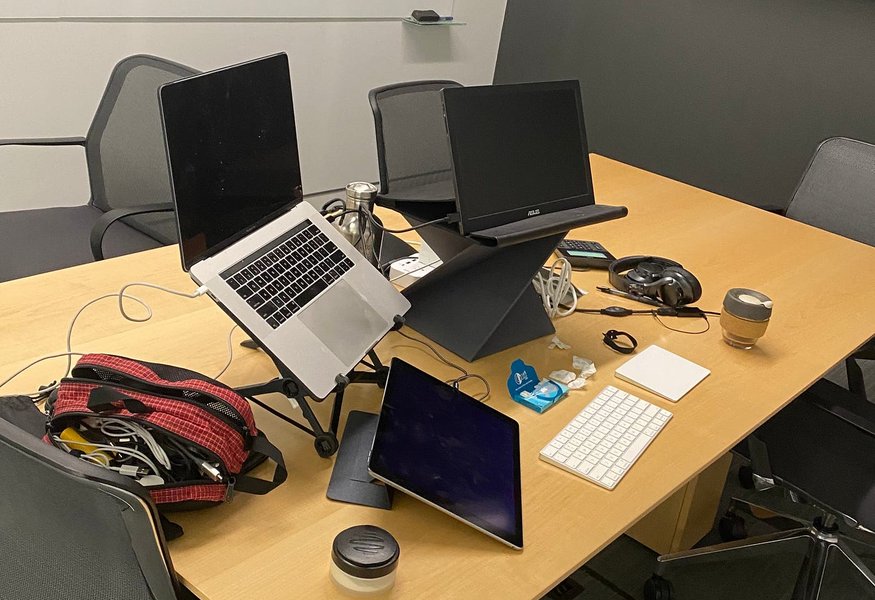
Setting up a mobile office in a cafe.
Frequently Asked Questions About Becoming a Digital Nomad
Do I need specific skills to become a digital nomad?
While many digital nomads work in tech or creative fields, a wide range of skills can be leveraged for remote work. The key is to have skills that are in demand and can be performed effectively without being physically present in an office. This could include administrative skills, customer support, sales, or even specialized consulting.
How do I find remote jobs?
There are several avenues for finding remote work. Dedicated remote job boards are a great starting point. You can also network within your industry, explore freelance platforms, or discuss remote work possibilities with your current employer. Tailoring your resume to highlight remote-friendly skills is also important.
What are the biggest challenges of being a digital nomad?
Common challenges include maintaining work-life balance, dealing with potential loneliness, navigating different time zones, managing finances and taxes across borders, and handling visa requirements. Planning and building a support network can help mitigate these challenges.
How do digital nomads handle visas and legal requirements?
Visa requirements vary greatly depending on your nationality and the countries you plan to visit. Some countries offer specific digital nomad visas, while others may require you to utilize tourist visas and adhere to their limitations. Researching visa regulations for your intended destinations is crucial. Managing taxes also requires understanding the tax laws in your home country and the countries where you earn income.
Is the digital nomad lifestyle right for everyone?
The digital nomad lifestyle offers incredible freedom and opportunities, but it's not for everyone. It requires adaptability, self-discipline, the ability to work independently, and a tolerance for uncertainty. It's a significant lifestyle change that should be carefully considered, perhaps by starting with shorter remote work trips.
References
Last updated May 9, 2025