
Unmasking the Shadows: How Are Spies Really Caught?
Explore the intricate world of counterintelligence and learn the methods used to identify and neutralize espionage threats.
Catching a spy isn't just the stuff of movies; it's a critical aspect of national security and corporate protection, known as counterintelligence. It involves a complex interplay of observation, analysis, technology, and human intuition. Whether dealing with foreign agents seeking state secrets or corporate spies after trade secrets, the methods employed require vigilance, expertise, and often, a systematic approach. Understanding these techniques can provide insight into how governments and organizations protect sensitive information.
Highlights: Unveiling Espionage Tactics
- Behavioral Analysis is Key: Spies often exhibit subtle inconsistencies in their background, finances, or knowledge that can raise red flags. Persistent, probing questions about sensitive topics are a common indicator.
- Technology Plays a Dual Role: Espionage utilizes sophisticated surveillance tools, but counterintelligence leverages advanced detection equipment (like RF scanners) and digital forensics to uncover hidden devices and spyware.
- Counterintelligence is a Professional Discipline: While awareness is useful, catching spies is primarily the domain of trained professionals (like the FBI domestically in the US, or CIA abroad) who use established protocols, surveillance, and legal frameworks.
Understanding the Spy Profile: Beyond the Stereotypes
What Traits and Behaviors Might Signal Espionage?
Identifying a potential spy often begins with recognizing deviations from normal behavior and inconsistencies in their presented persona. While not definitive proof, certain patterns warrant closer attention, especially in sensitive environments.
Personal and Professional Inconsistencies
Spies often construct elaborate covers, but cracks can appear:
- Financial Anomalies: Displaying wealth inconsistent with a stated low-paying or non-existent job can be a significant indicator.
- Vague Backgrounds: Reluctance or inability to provide verifiable details about their past, education, or family history. They might offer generic or misleading information.
- Unusual Knowledge or Skills: Possessing expert-level knowledge of specific foreign languages (especially strategically important ones like Arabic, Farsi, Turkish, Russian, or Chinese) or niche technical fields without a clear explanation.
- Questionable Job Descriptions: Sometimes spies adopt mundane, low-level bureaucratic roles as cover, hoping to appear uninteresting and avoid scrutiny.
Suspicious Social Interactions
How a person interacts can also reveal clues:
- Probing Questions: Persistently asking detailed questions about your work, projects, colleagues, or access levels, particularly concerning classified or proprietary information.
- "Bumps" and Coincidences: Seemingly accidental encounters or frequent, unplanned appearances in various locations you frequent. These might be orchestrated to establish contact or conduct surveillance.
- Listening More Than Speaking: Carefully observing conversations and interactions while revealing little about themselves.
- Unexplained Absences: Sudden, unexplained disappearances or changes in routine that could align with covert activities.
Detecting Technical Surveillance: The Gadgets of Espionage
Identifying Hidden Cameras, Microphones, and Spyware
Modern espionage heavily relies on technology for covert surveillance. Detecting these hidden devices and malicious software is a crucial part of counterintelligence.
Finding Hidden Physical Devices
Spy cameras and listening devices can be concealed in everyday objects. Detection involves both manual inspection and specialized tools:
- Visual Inspection: Carefully examine rooms for out-of-place objects, unusual holes in walls or furniture, or modifications to electronics (e.g., smoke detectors, clocks, power outlets, USB chargers).
- RF Scanners: Radio frequency (RF) detectors can pick up wireless signals transmitted by hidden cameras or bugs.
- Infrared Scanners/Lens Detectors: These devices can help locate hidden camera lenses, which reflect light differently.
- Thermal Imagers: Some electronic devices emit heat and can potentially be spotted with thermal cameras.
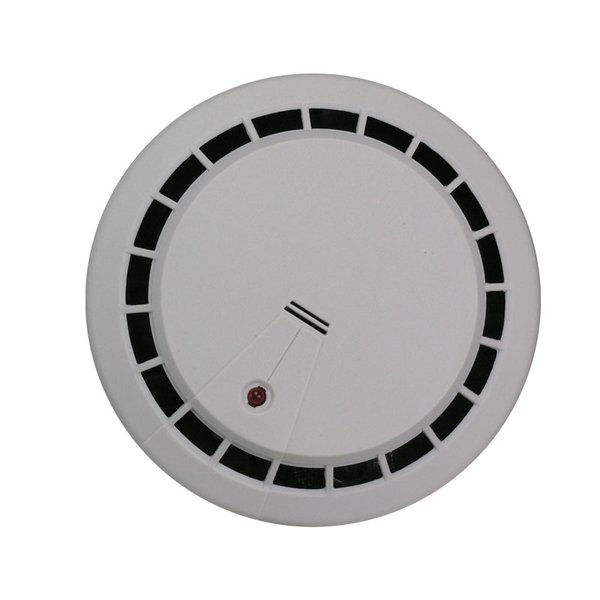
Hidden cameras can be disguised in common objects like smoke detectors.

USB chargers are another common disguise for covert recording devices.
Identifying Digital Spying (Spyware)
Spyware installed on smartphones or computers can monitor communications, track location, and steal data. Signs include:
- Increased Data Usage: Unexplained spikes in mobile data consumption, as spyware transmits information back to its operator.
- Rapid Battery Drain: Spyware running in the background can consume significant power.
- Unexpected Behavior: Frequent restarts, strange pop-ups, unusual noises during calls, or apps appearing that you didn't install.
- Slow Performance: Devices may become sluggish due to the resources used by spyware.
Using reputable anti-malware software and keeping operating systems and apps updated are essential preventative measures. Regularly reviewing app permissions is also advisable.
Counter-Surveillance Techniques: Staying Aware
Methods Used by Professionals to Detect Physical Surveillance
Counterintelligence professionals are trained to detect if they are being followed or watched. While primarily used by experts, understanding these techniques enhances general awareness.
- Route Variation: Deliberately changing travel routes, times, and methods of transportation makes it harder for surveillants to predict movements and easier to spot followers.
- Surveillance Detection Routes (SDRs): Planning routes with specific points designed to reveal surveillance, such as making sudden U-turns, stopping unexpectedly, entering buildings with multiple exits, or using reflective surfaces (windows) to check behind.
- Observational Awareness: Paying close attention to surroundings, noting recurring individuals, vehicles, or unusual patterns. Looking for people who seem out of place or who try to avoid direct eye contact.
- Checking for Followers: Making abrupt turns or crossing streets to see if anyone mimics the maneuver. Boarding and immediately disembarking public transport can also reveal tails.
This video features insights from a counterintelligence agent discussing how spies are identified and caught, offering a glimpse into the professional perspective.
Spy Detection Factors Radar Chart
Comparing Aspects of Identifying Espionage Activities
Catching a spy involves evaluating various factors, from technical skills to behavioral observation. This radar chart provides a conceptual comparison of the relative importance and difficulty associated with different aspects of spy detection, based on synthesized insights rather than precise data. It highlights the multifaceted nature of counterintelligence.
This chart illustrates that while behavioral analysis is highly important, technical detection and HUMINT skills often require greater specialized expertise. Information analysis forms the core of piecing evidence together, while resource intensity and legal constraints represent significant operational challenges.
Mapping the Spy Catching Process
A Mindmap Overview of Counterintelligence Activities
The process of identifying and catching a spy is complex and layered. This mindmap provides a visual overview of the key components involved, from initial suspicion to potential neutralization, highlighting the interconnected nature of behavioral observation, technical detection, analysis, and response.
(HUMINT, SIGINT, OSINT)"] id1c["Targets (Govt Secrets, Corporate IP)"] id2["Detection Methods"] id2a["Behavioral Indicators"] id2a1["Inconsistencies (Finance, Background)"] id2a2["Suspicious Questions/Interactions"] id2a3["Unusual Language/Cultural Knowledge"] id2b["Technical Surveillance Detection"] id2b1["Physical Device Sweeps (Cameras, Bugs)"] id2b2["Digital Forensics (Spyware)"] id2b3["Network Monitoring"] id2c["Counter-Surveillance Techniques"] id2c1["Surveillance Detection Routes (SDRs)"] id2c2["Observational Awareness"] id3["Investigation & Analysis"] id3a["Information Gathering & Documentation"] id3b["Evidence Analysis"] id3c["Collaboration (Inter-agency, Security Teams)"] id4["Action & Response"] id4a["Reporting to Authorities (FBI, Police)"] id4b["Neutralization (Arrest, Expulsion, Deception)"] id4c["Damage Assessment & Mitigation"] id4d["Professional Counterintelligence Operations"] id5["Prevention"] id5a["Security Awareness Training"] id5b["Access Controls & Background Checks"] id5c["Secure Communication Protocols"]
This mindmap illustrates that catching a spy isn't a single action but a structured process involving threat assessment, multi-faceted detection, careful investigation, coordinated action, and ongoing prevention efforts.
Key Indicators and Countermeasures Summary
A Quick Reference Table
This table summarizes common indicators associated with espionage activities and potential countermeasures or detection methods discussed. It serves as a quick reference but remember that these signs are not definitive proof and require professional assessment.
| Indicator Category | Potential Signs of Espionage | Possible Detection/Countermeasure |
|---|---|---|
| Behavioral | Unusual wealth vs. job; vague background; probing questions about sensitive info; expert foreign language skills (unexplained); frequent "accidental" encounters. | Observe inconsistencies; note suspicious interactions; background checks (if applicable); awareness training. |
| Physical Surveillance | Being followed; repeated sightings of unknown individuals/vehicles; feeling watched. | Vary routines; use Surveillance Detection Routes (SDRs); heightened situational awareness. |
| Technical Surveillance (Devices) | Discovery of hidden cameras/microphones; unusual objects in environment; strange noises/interference on electronics. | Physical inspection of space; use RF detectors, lens finders; professional Technical Surveillance Countermeasures (TSCM) sweeps. |
| Technical Surveillance (Digital) | Sudden increase in data usage; rapid battery drain; unexpected device restarts/pop-ups; strange apps installed; slow performance. | Monitor data usage/battery life; use anti-spyware/malware tools; keep OS/apps updated; review app permissions; factory reset (extreme cases). |
| Information Handling | Attempts to access restricted data; copying files without authorization; unusual interest in colleagues' work; mishandling classified/sensitive documents. | Implement strict access controls; monitor network activity; enforce secure data handling policies; conduct audits. |
Remember, suspicion should lead to caution and reporting to appropriate authorities or security personnel, not direct confrontation, which can be dangerous.
Frequently Asked Questions (FAQ)
Common Queries About Spy Detection
How realistic is it for an ordinary person to catch a spy? ▼
While ordinary citizens can become aware of suspicious behavior or potential surveillance, actually "catching" a spy in the operational sense is extremely difficult and dangerous. Espionage is conducted by trained professionals, and counterintelligence is handled by specialized government agencies (like the FBI in the U.S.) with the resources, legal authority, and expertise to investigate and neutralize threats. If you suspect espionage, the correct action is to report your concerns to the authorities or your organization's security department, not to attempt investigation or confrontation yourself.
What are the most common mistakes spies make that lead to their capture? ▼
Spies can be caught due to various errors, including poor tradecraft (e.g., predictable routines, sloppy communication security), underestimating counterintelligence capabilities, becoming complacent, developing personal vulnerabilities (e.g., financial issues, affairs) that can be exploited, making technical mistakes (leaving digital footprints), or being betrayed by sources or defectors. Sometimes, simple greed or ego can lead them to take unnecessary risks.
Are spy gadgets like in the movies real? ▼
Yes and no. While Hollywood often exaggerates, real intelligence agencies do develop and use sophisticated covert devices for surveillance and communication. These include miniaturized cameras and microphones hidden in everyday objects (pens, buttons, chargers), secure communication devices, tracking tools, and specialized equipment for bypassing security systems. However, the fantastical gadgets seen in spy fiction are often just that – fiction. Real spy tech focuses on practicality, concealability, and reliability.

Examples of real-world spy gadgets used for surveillance and covert operations.
What's the difference between counterintelligence and espionage? ▼
Espionage is the act of spying – secretly gathering confidential information (political, military, economic, industrial) without the permission of the information holder. Counterintelligence is the practice of preventing and neutralizing espionage conducted by others. Essentially, espionage is the offense (stealing secrets), and counterintelligence is the defense (protecting secrets and catching spies).
Recommended Further Exploration
Dive Deeper into Related Topics
- What are common techniques used in corporate espionage?
- How does the FBI conduct counterintelligence investigations?
- What is Technical Surveillance Counter-Measures (TSCM)?
- Famous historical cases of spies being caught.
References
Sources Used for This Analysis
 amazon.com
Last updated May 1, 2025