
How to Eat Pudding Correctly
Master the Art of Enjoying Pudding with Proper Etiquette and Techniques
Key Takeaways
- Choose the right utensils based on pudding type for optimal enjoyment.
- Adopt proper eating techniques and maintain portion control to savor each bite.
- Follow etiquette guidelines to display good manners during meals.
Introduction
Pudding, a beloved dessert across various cultures, comes in numerous forms ranging from rich, creamy concoctions to savory accompaniments to main courses. Eating pudding correctly involves not only understanding the appropriate utensils and techniques but also adhering to proper dining etiquette. This comprehensive guide will explore the nuances of enjoying different types of pudding, ensuring that each bite is as delightful as intended.
Types of Pudding
1. Traditional Dessert Pudding
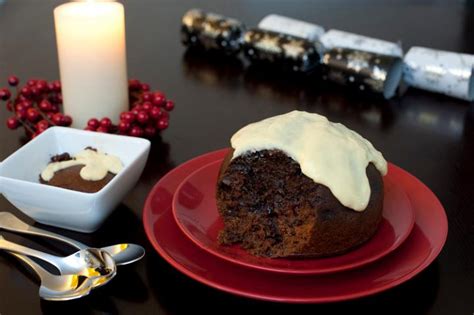
Traditional dessert puddings encompass a variety of sweet treats, often characterized by their creamy or custard-like textures. Examples include chocolate pudding, vanilla custard, bread pudding, and sticky toffee pudding. These desserts are typically served chilled or at room temperature and may be garnished with toppings such as whipped cream, fruit, or sauces.
2. Savory Puddings
Contrary to their sweet counterparts, savory puddings like Yorkshire pudding play a significant role in main courses. Yorkshire pudding, a staple in British cuisine, is often served alongside roast meats and gravy, particularly during Sunday Roasts. Its versatility allows it to be used as a base for fillings, transforming it into a hearty dish.
Choosing the Right Utensils
1. Utensils for Traditional Dessert Puddings
For soft and creamy dessert puddings, a standard dessert spoon or a small spoon is ideal. This allows for easy scooping and tasting of each bite without overwhelming the palate. When puddings are garnished with toppings like whipped cream or berries, the spoon should be used to incorporate these elements evenly into each mouthful.
2. Utensils for Savory Puddings
Savory puddings such as Yorkshire pudding often require a combination of utensils. A fork and knife are typically used, especially if the pudding is served as part of a larger meal with roast meat. The fork aids in holding the pudding steady, while the knife assists in cutting or portioning it. For larger, plate-sized puddings filled with accompaniments, specialized utensils may be used to navigate the fillings effectively.
3. Specialized Utensils
In some cases, specialized utensils may enhance the dining experience. For instance, a dessert fork can be paired with a dessert spoon when consuming more structured or layered puddings. This combination allows diners to enjoy the different textures and layers without mixing utensils unnecessarily.
Eating Techniques
1. Scooping and Portion Control
For creamy and soft puddings, gently scoop from the edge of the bowl or plate to maintain structure and achieve balanced bites. Taking small, manageable portions prevents overloading the mouth, promotes savoring the flavors, and aligns with good etiquette practices. Avoiding large spoonfuls ensures that the flavors are fully appreciated and reduces the risk of spillage.
2. Cutting and Scooping for Firmer Puddings
Firmer puddings, such as bread pudding or sticky toffee pudding, benefit from a methodical approach. Utilize a fork to stabilize and cut portions into manageable pieces before scooping with a spoon. This technique minimizes crumbling and helps maintain the presentation's integrity, especially when garnishes or accompaniments are involved.
3. Avoiding Slurping and Making Noises
Proper eating etiquette discourages making slurping sounds or any noises that might distract from the dining experience. Placing the spoon gracefully into the mouth and swallowing without rushing reinforces politeness and respect for fellow diners.
Temperature Considerations
1. Serving Temperature
Different types of puddings are best enjoyed at specific temperatures. Cold puddings like chocolate mousse or custard should be served chilled to enhance their creamy texture and flavor. In contrast, warm puddings such as bread pudding or Yorkshire pudding are best enjoyed while still warm, allowing the flavors to be rich and comforting.
2. Adjusting Temperature to Taste
Personal preference plays a significant role in the ideal serving temperature. Some individuals may prefer their puddings slightly chilled even if traditionally served warm, or vice versa. Adjusting the temperature can enhance the overall enjoyment of the pudding, making it more tailored to individual tastes.
3. Ensuring Safety
When serving warm puddings, it's important to allow them to cool slightly to a safe eating temperature. This prevents burns and makes the pudding easier to handle, especially when using utensils.
Accompaniments and Garnishes
1. Incorporating Accompaniments
When pudding is served with accompaniments such as whipped cream, fruit, or sauces, it's essential to incorporate these elements into each spoonful. This ensures a balanced flavor profile and a harmonious combination of textures. Using the spoon to scoop both the pudding and its garnishes together enhances the overall eating experience.
2. Avoiding Separation of Components
Unless the presentation specifically dictates otherwise, diners should avoid separating the pudding from its accompaniments. This maintains the intended flavor balance and prevents the garnishes from becoming clumped or losing their texture.
3. Creative Variations
For those interested in modern culinary variations, puddings can be paired with innovative fillings or toppings. For example, Yorkshire pudding can be filled with chili or stew, transforming it into a unique and hearty main course. Such creativity can elevate the traditional pudding experience while maintaining proper eating techniques.
Serving Vessel and Presentation
1. Individual vs. Shared Dishes
Serving puddings in individual bowls or plates allows for personal portion control and presentation aesthetics. When puddings are served in shared dishes, it's courteous to transfer a portion to one's own plate before eating. This practice maintains hygiene and ensures each diner can customize their serving.
2. Aesthetic Presentation
An appealing presentation enhances the dining experience. Arranging puddings with garnishes symmetrically, using appropriate serving dishes, and ensuring clean plating can make the dessert more inviting and enjoyable.
3. Practical Considerations
Ensure that the serving vessel is conducive to the type of pudding being served. For example, deeper bowls are suitable for puddings with liquid components, while flatter plates work well for more structured or solid puddings.
Etiquette Tips
1. Napkin Use
Keep a napkin handy to gently dab the mouth as needed. Avoid using the napkin to wipe utensils, as this is considered improper. Maintaining a clean appearance while eating reflects good manners.
2. Spoon and Fork Placement When Finished
After finishing the pudding, place the utensils on the plate in the "six-thirty" position, with the handles pointing at six and thirty minutes on a clock face. This signals to others that you have finished your serving, maintaining orderly dining experiences.
3. Avoiding Mopping
Refrain from using bread or other items to mop up leftover pudding or sauce. Instead, aim to enjoy the entire serving without excess disposal, or discreetly leave any unavoidable remnants on the plate without aggressively trying to clean it.
4. Handling Utensils Properly
Hold utensils correctly, ensuring that knives and forks are used for their intended purposes. Proper utensil handling not only aids in efficient eating but also portrays a polished and respectful demeanor at the dining table.
Personal Preferences
1. Temperature Preferences
Individuals may have varying preferences regarding the temperature of their pudding. While some may enjoy the chill of a refrigerated dessert, others might prefer the comforting warmth of a freshly prepared pudding. It's essential to adjust the serving temperature to personal tastes to maximize enjoyment.
2. Toppings and Garnishes
When puddings are served with toppings like whipped cream, fruits, or sauces, ensure that each bite includes a balanced mix of these elements. This practice enhances the flavor profile and provides a satisfying texture combination.
3. Texture Adjustments
Depending on the pudding type, some may prefer it more gelatinous, while others enjoy a smoother consistency. Adjusting texture through preparation methods or selecting specific recipes can tailor the pudding to individual preferences.
Cultural Variations
1. British vs. American Puddings
In British cuisine, "pudding" often refers to both sweet and savory dishes, such as Yorkshire pudding or sticky toffee pudding. In contrast, American pudding typically denotes a sweet, creamy dessert similar to custard. Understanding these cultural differences is crucial for appropriate utensil selection and eating techniques.
2. Global Perspectives
Different cultures may have unique takes on puddings, incorporating local ingredients and culinary traditions. For example, Caribbean castaway pudding or Asian rice puddings each bring distinct flavors and textures, requiring tailored eating approaches to fully appreciate their uniqueness.
3. Adapting Etiquette to Cultural Contexts
When dining in diverse cultural settings, adapting to local pudding consumption etiquette demonstrates respect and appreciation for culinary traditions. Familiarizing oneself with regional practices ensures a harmonious and enjoyable dining experience.
Conclusion
Eating pudding correctly is more than just the act of consuming a dessert; it's an amalgamation of understanding the right utensils, adopting proper techniques, adhering to etiquette, and respecting personal and cultural preferences. By following the guidelines outlined in this comprehensive guide, diners can enhance their pudding-eating experience, ensuring that each spoonful is both delightful and dignified. Whether indulging in a traditional creamy dessert or savoring a savory Yorkshire pudding, the principles of mindful eating and respectful manners remain paramount.
References
Last updated January 18, 2025