
Unlock Your Power: Practical Steps to Help Heal Our Planet
Discover actionable ways, big and small, to contribute to a healthier Earth starting today.
Feeling concerned about the state of our planet and wondering how you, as an individual, can make a real difference? It's a valid question, and the good news is that collective action starts with individual commitment. There are numerous effective ways to contribute to environmental preservation, combat climate change, and promote sustainability. This guide synthesizes expert advice and practical tips to empower you on your journey towards a greener lifestyle.
Essential Insights: Your Quick Guide to Impact
- Mindful Consumption is Key: Reducing waste (especially single-use plastics and food), conserving energy and water, and choosing sustainable products significantly lessen your environmental footprint.
- Lifestyle Shifts Matter: Embracing sustainable transportation, adopting a more plant-forward diet, and making conscious choices about what you buy and support can drive substantial change.
- Collective Action Amplifies Impact: Engaging in community efforts, advocating for environmental policies, and educating others transforms individual actions into powerful movements.
Mastering the 3 R's: Reduce, Reuse, Recycle
Minimizing Waste for Maximum Benefit
One of the most direct ways to help the planet is by tackling waste. Every item produced requires resources like energy, water, and raw materials. By reducing what we consume and discard, we conserve these precious resources and decrease pollution.
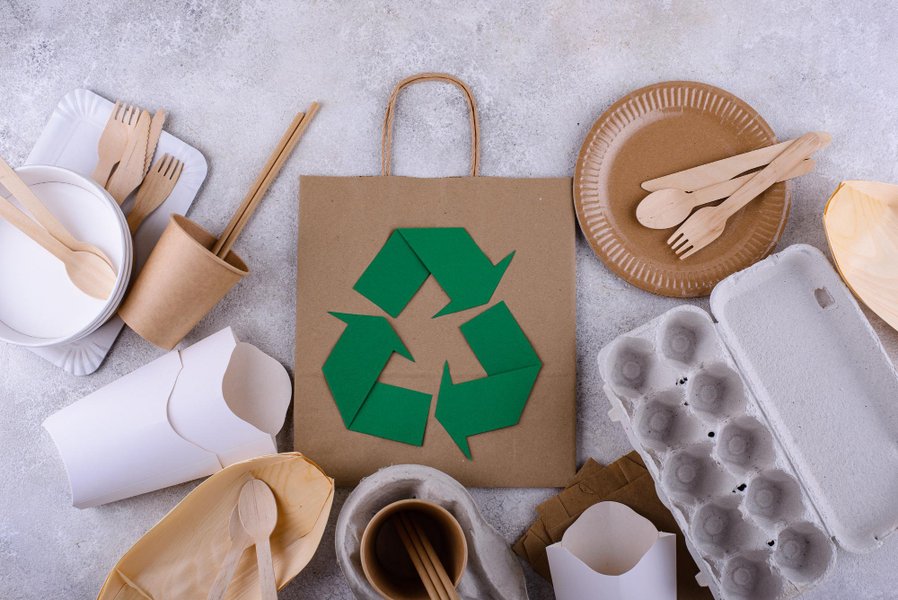
Opting for reusable packaging reduces plastic waste significantly.
Reduce Your Consumption
The first step is simply consuming less. Before buying something new, ask yourself if you truly need it. Pay special attention to single-use items:
- Say No to Single-Use Plastics: Avoid plastic bags, straws, disposable cutlery, and water bottles. Carry reusable alternatives like cloth bags, metal straws, bamboo utensils, and a refillable water bottle.
- Minimize Packaging: Choose products with minimal or recyclable packaging. Buying in bulk or selecting loose items (like fruits, vegetables, or even tea leaves with an infuser instead of bagged tea) can drastically cut down packaging waste.
- Food Waste Reduction: Plan your meals to avoid overbuying, store food correctly to prolong its life, use leftovers creatively, and compost food scraps. Food waste in landfills generates methane, a potent greenhouse gas.
Reuse and Repurpose
Extend the lifespan of items you already own:
- Repair, Don't Replace: Fix broken appliances, mend clothes, or repair furniture instead of discarding them.
- Upcycle: Get creative and give old items new life. Turn glass jars into storage containers, old t-shirts into cleaning rags, or wooden pallets into garden planters.
- Buy Secondhand: Opt for used clothing, furniture, books, and electronics. This reduces the demand for new manufacturing and saves items from landfills.
Recycle Properly
When items can no longer be reduced or reused, recycling is the next best option. Ensure you follow local guidelines:
- Know Your Local Rules: Understand what materials are accepted in your local recycling program.
- Clean and Sort: Rinse containers and sort materials correctly to avoid contaminating recycling batches.
- Beyond the Bin: Look for programs that recycle harder-to-recycle items like electronics, batteries, and textiles.
Conserving Essential Resources: Energy and Water
Reducing Your Footprint at Home
Our homes are significant consumers of energy and water. Making conscious efforts to conserve these resources not only helps the planet by reducing emissions and preserving ecosystems but can also lower your utility bills.
Slash Your Energy Consumption
- Lights Out: Turn off lights when leaving a room and unplug electronics (or use power strips) to combat "phantom load" energy drain.
- Efficient Appliances: Switch to LED light bulbs and choose appliances with high energy-efficiency ratings (like Energy Star).
- Heating and Cooling: Properly insulate your home, seal air leaks, and use programmable thermostats. Consider alternatives like fans before resorting to air conditioning.
- Renewable Energy: If possible, switch to an energy provider that sources from renewables, or investigate installing solar panels on your home.
- Laundry Habits: Wash clothes in cold water whenever possible and air-dry them instead of using an energy-intensive dryer.
Use Water Wisely
- Fix Leaks Promptly: Even small drips can waste significant amounts of water over time.
- Efficient Fixtures: Install low-flow showerheads, faucet aerators, and dual-flush toilets.
- Mindful Habits: Take shorter showers (showers generally use less water than baths, but length matters), turn off the tap while brushing teeth or washing dishes.
- Outdoor Conservation: Water your garden during cooler parts of the day, use drought-resistant native plants, and consider installing a rainwater harvesting system.
Greener Journeys: Sustainable Transportation
Choosing Eco-Friendly Ways to Move
Transportation accounts for a substantial portion of global greenhouse gas emissions, primarily from burning fossil fuels. Rethinking how you travel can significantly reduce your carbon footprint and improve air quality.
Prioritize Active and Public Transport
- Walk or Bike: For shorter distances, choose human-powered transport. It's emission-free and great for your health.
- Use Public Transit: Buses, trains, and subways move many people efficiently, reducing the number of individual cars on the road.
- Carpool or Ride-Share: Share rides with colleagues, friends, or neighbors to minimize the number of vehicles used.
Optimize Vehicle Use
- Combine Errands: Plan your trips to accomplish multiple tasks in one outing, reducing overall driving distance.
- Maintain Your Vehicle: Regular maintenance, including proper tire inflation, ensures your car runs efficiently and minimizes emissions.
- Consider Electric or Hybrid: If purchasing a vehicle, explore electric (EV) or hybrid options, which produce fewer or no tailpipe emissions.
Conscious Consumption: Diet, Shopping, and Digital Life
Making Planet-Friendly Choices Every Day
Our daily choices as consumers—what we eat, what we buy, and even how we use technology—have far-reaching environmental consequences.

Simple swaps, like using a reusable bottle, contribute to a greener lifestyle.
Sustainable Eating Habits
- Embrace Plant-Forward Diets: Reducing consumption of meat (especially beef and lamb) and dairy products significantly lowers greenhouse gas emissions, water usage, and land degradation associated with animal agriculture. Try incorporating more plant-based meals into your week.
- Eat Local and Seasonal: Choosing food grown closer to home reduces transportation emissions ("food miles"). Seasonal produce often requires less energy-intensive cultivation methods.
- Minimize Food Waste: As mentioned earlier, preventing food waste is crucial. Plan meals, store food properly, and compost scraps.
Shop Sustainably
- Quality Over Quantity: Invest in durable, well-made products that last longer, reducing the need for replacements. This applies to clothing, electronics, and household goods.
- Choose Eco-Conscious Brands: Support companies committed to sustainable sourcing, ethical production, and minimal environmental impact. Look for certifications like Fair Trade, FSC (Forest Stewardship Council), or organic labels.
- Avoid Harmful Chemicals: Opt for natural cleaning products (like vinegar and baking soda) and personal care items free from microplastics and harmful chemicals that pollute waterways.
- Consider Sustainable Finance: Investigate sustainable pension funds or banking options that prioritize environmental responsibility.
Mind Your Digital Footprint
Even our online activities have an environmental cost. Data centers powering the internet and cloud services consume vast amounts of electricity, often generated from fossil fuels. Training and running AI models also requires significant energy.
- Clean Up Cloud Storage: Regularly delete unused files, emails, and photos stored in the cloud.
- Stream Mindfully: Downloading content instead of streaming repeatedly can sometimes save energy, especially for frequently accessed media.
- Limit Unnecessary Emails: Avoid sending emails with large attachments or replying-all unnecessarily.
Visualizing Your Impact: Comparing Environmental Actions
A Radar Chart Perspective
Making changes can feel overwhelming. This chart offers a perspective on different common actions, comparing their potential individual environmental impact, ease of implementation for most people, potential for cost savings, and influence on broader community change. Remember, these are general estimations, and the best actions for you depend on your circumstances. The goal is progress, not perfection. Scales are 1 (Lowest) to 10 (Highest).
Branching Out: Connecting Ideas for Planetary Health
A Mindmap Overview
Saving the planet involves interconnected actions across various aspects of life. This mindmap provides a visual summary of the key areas where individuals can make a difference, branching out from the central goal to specific, actionable steps.
(Lights, Appliances)"] id2b["Improve Home Insulation"] id2c["Switch to LEDs"] id2d["Consider Renewables
(Solar, Green Providers)"] id2e["Energy-Efficient Habits
(Cold Wash, Air Dry)"] id3["Water Conservation"] id3a["Fix Leaks"] id3b["Shorter Showers"] id3c["Water-Saving Fixtures"] id3d["Rainwater Harvesting"] id3e["Drought-Tolerant Landscaping"] id4["Sustainable Transport"] id4a["Walk or Bike More"] id4b["Use Public Transit"] id4c["Carpool / Ride-Share"] id4d["Electric/Hybrid Vehicles"] id4e["Combine Trips"] id5["Food & Diet"] id5a["Eat More Plants"] id5b["Reduce Meat/Dairy"] id5c["Buy Local & Seasonal"] id5d["Avoid Food Waste"] id6["Conscious Consumption"] id6a["Buy Less, Choose Durability"] id6b["Shop Secondhand"] id6c["Support Sustainable Brands"] id6d["Avoid Harmful Chemicals"] id6e["Reduce Digital Footprint"] id7["Advocacy & Education"] id7a["Stay Informed"] id7b["Volunteer for Causes"] id7c["Support Green Policies"] id7d["Educate Others"] id7e["Join Environmental Groups"] id8["Home & Nature"] id8a["Plant Native Species"] id8b["Create Wildlife Habitats"] id8c["Avoid Pesticides/Herbicides"] id8d["Grow Some Food (if possible)"]
A Call to Action: Insights on Saving Our Planet
Guidance from Sir David Attenborough
Understanding the bigger picture and the urgency of the situation can be a powerful motivator. This short film featuring Sir David Attenborough offers a compelling overview of the challenges we face and emphasizes the crucial role humans play in shaping a sustainable future. It highlights how interconnected ecosystems are and how our actions directly impact the planet's health, reinforcing the importance of the individual and collective steps discussed here.
The video serves as a poignant reminder that preserving biodiversity, stabilizing the climate, and ensuring the health of our oceans and forests are not just environmental issues, but are fundamental to human survival and well-being. It underscores the message that while the challenges are immense, solutions exist, and proactive change is within our grasp.
Actionable Steps Summarized
Key Areas and Their Environmental Benefits
To help consolidate the information, the table below outlines the major action areas discussed, provides specific examples, and highlights the primary environmental benefits associated with each.
| Action Area | Specific Examples | Key Environmental Benefit |
|---|---|---|
| Waste Reduction | Reduce single-use items, reuse/repair, recycle properly, compost food scraps. | Conserves natural resources, reduces landfill burden, lowers pollution, decreases methane emissions. |
| Energy Conservation | Switch off unused electronics, use LED bulbs, improve insulation, opt for renewable energy sources. | Reduces greenhouse gas emissions from fossil fuels, lowers air pollution, conserves non-renewable resources. |
| Water Conservation | Fix leaks, take shorter showers, install efficient fixtures, collect rainwater. | Protects freshwater ecosystems, saves energy used for water treatment/pumping, ensures water availability. |
| Sustainable Transportation | Walk, bike, use public transport, carpool, choose electric/hybrid vehicles. | Lowers greenhouse gas emissions, improves air quality, reduces traffic congestion. |
| Dietary Changes | Eat more plant-based meals, reduce meat/dairy intake, buy local/seasonal, minimize food waste. | Reduces emissions from agriculture, conserves water and land, lessens deforestation pressure. |
| Conscious Consumption | Buy less, choose durable/secondhand items, support sustainable brands, avoid harmful chemicals. | Reduces manufacturing footprint, minimizes pollution, encourages ethical production, lessens resource depletion. |
| Advocacy & Nature | Volunteer, support green policies, educate others, plant native species, create habitats. | Amplifies individual impact, promotes systemic change, protects biodiversity, enhances local ecosystems. |
Frequently Asked Questions (FAQ)
▸ Does one person's actions really make a difference?
Absolutely. While systemic change is crucial, individual actions create a cumulative effect. They signal demand for sustainable products and policies, inspire others, and contribute directly to reducing resource consumption and pollution. Think of it like voting – one vote might seem small, but collectively, votes determine outcomes. Your choices matter and contribute to a larger shift.
▸ What's the single most impactful thing I can do?
Impact varies depending on individual circumstances and lifestyle. However, studies often point to areas with large carbon footprints. Significantly reducing meat and dairy consumption, switching to renewable energy sources for your home, avoiding air travel (especially long-haul flights), and choosing sustainable transportation (like cycling, walking, or EVs over fossil-fuel cars) are often cited as having very high potential impact. Advocacy for systemic change is also incredibly powerful.
▸ Is it expensive to live sustainably?
Not necessarily. While some sustainable choices might have a higher upfront cost (like solar panels or an electric vehicle), many sustainable practices save money in the long run. Conserving energy and water reduces utility bills. Reducing consumption, buying secondhand, repairing items, and minimizing food waste directly cut expenses. Walking or cycling saves on fuel and vehicle maintenance. Often, the most sustainable choice is simply using less.
▸ How can I reduce my digital carbon footprint?
You can reduce your digital footprint by being mindful of data usage. Regularly delete unnecessary files from cloud storage and email accounts. Reduce video streaming quality when high definition isn't needed. Unsubscribe from email newsletters you don't read. Consider keeping devices longer rather than upgrading frequently, as manufacturing electronics has a significant environmental impact.
Recommended Reading
- What are the biggest threats to the planet's health right now?
- How does climate change directly impact biodiversity and ecosystems?
- Explore the latest technologies helping to fight climate change.
- How can local communities effectively organize for environmental action and policy change?
References
Last updated May 5, 2025