
Unlock Your Cognitive Potential: Practical Strategies to Enhance Your Intelligence
Discover evidence-based techniques to boost brain function and potentially improve your IQ score through targeted lifestyle changes and mental exercises.
Highlights: Key Insights
- Embrace Lifelong Learning: Continuously acquiring new knowledge and skills, such as reading widely or learning a musical instrument, actively builds and strengthens neural connections essential for cognitive growth.
- Prioritize Brain-Healthy Habits: Regular physical exercise, a nutrient-rich diet focusing on brain-boosting foods, and sufficient quality sleep form the foundation for optimal cognitive function and resilience.
- Engage in Cognitive Training: Deliberately challenge your mind with activities like puzzles, strategy games, memory exercises, and visuospatial tasks to enhance specific cognitive abilities like reasoning, problem-solving, and mental flexibility.
Understanding IQ and Its Malleability
Can Intelligence Really Be Increased?
Intelligence Quotient (IQ) is a score derived from standardized tests designed to assess human intelligence, encompassing areas like logical reasoning, problem-solving, verbal comprehension, and spatial awareness. Historically, IQ was often considered a relatively stable trait, largely determined by genetics and early life environment. However, research up to 2025 suggests that while there's a significant genetic component, intelligence isn't entirely fixed.
Certain cognitive skills measured by IQ tests can be enhanced through targeted training, lifestyle adjustments, and environmental factors. While dramatically increasing your inherent intellectual capacity might be debated, engaging in specific activities can demonstrably improve performance on cognitive tasks, sharpen mental agility, and potentially lead to higher scores on IQ tests. The focus should be on cultivating cognitive abilities rather than solely chasing a number. A holistic approach, consistently applied, offers the best potential for cognitive enhancement.
Cultivating a Learning Mindset: The Foundation of Growth
Embrace Continuous Learning and Novelty
One of the most effective ways to stimulate your brain is through continuous learning and exposure to new experiences. This actively forms new neural pathways and strengthens existing ones, enhancing cognitive flexibility and processing capacity.
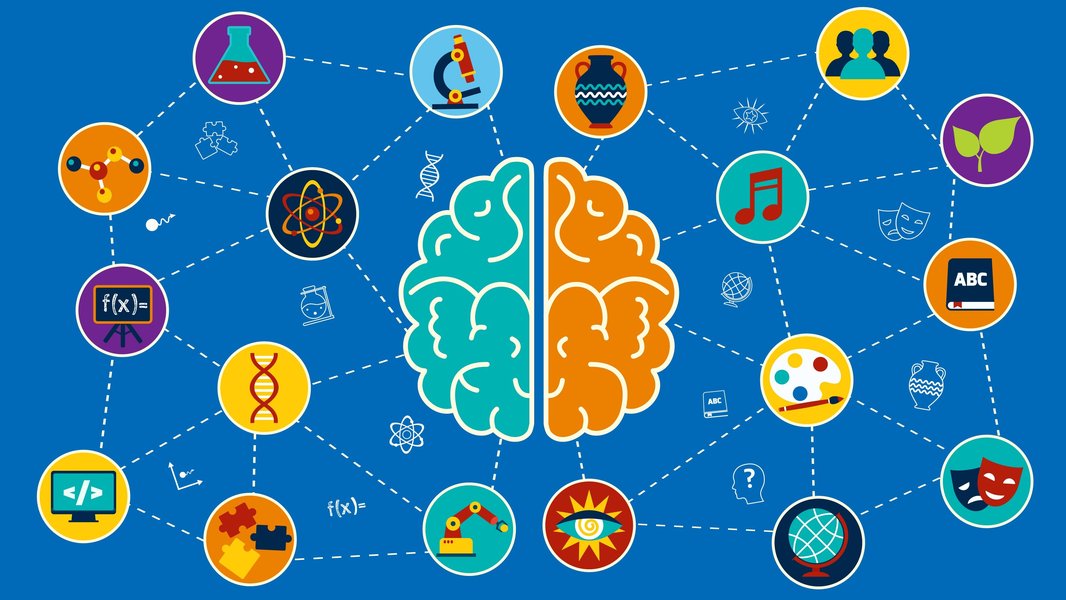
Fueling the Brain Through Knowledge
Read Widely and Deeply
Reading is a powerful cognitive workout. It engages multiple brain regions simultaneously, enhancing comprehension, vocabulary, critical thinking, and connectivity between different brain areas. Make reading a regular habit, exploring diverse genres like fiction, non-fiction, and technical materials.
Acquire New Complex Skills
Learning something new and challenging, particularly skills that require complex coordination or abstract thinking, is excellent for brain health. Consider:
- Learning a Musical Instrument: Studies show musical training enhances working memory, auditory processing, fine motor skills, and even spatial-temporal reasoning.
- Learning a New Language: Bilingualism or multilingualism has been linked to improved executive function, cognitive flexibility, problem-solving skills, and potentially delaying cognitive decline. Early language learning, in particular, shows a connection to IQ.
- Mastering Strategy Games: Games like chess, Go, or complex board games require planning, foresight, pattern recognition, and adaptive thinking, directly training executive functions.
Pursue Continued Education
Formal education or structured self-learning contributes significantly to cognitive development. Each additional year of education has been correlated with potential increases in IQ points, likely due to the sustained cognitive effort and knowledge acquisition involved.
Break Routines and Seek Novelty
Stepping outside your comfort zone and breaking daily routines challenges your brain to adapt. Try new routes, explore different hobbies, engage with unfamiliar concepts, or travel to new places. Novelty stimulates the brain and promotes neuroplasticity – the brain's ability to reorganize itself.
Sharpening Cognitive Skills: Targeted Brain Training
Exercises to Boost Memory, Reasoning, and Focus
Just like physical exercise strengthens muscles, targeted mental exercises can enhance specific cognitive functions. Regularly engaging in activities that challenge memory, reasoning, and attention can lead to measurable improvements in these areas.
Building Mental Muscle Through Practice
Memory Enhancement Activities
Strengthening your memory involves improving encoding, storage, and retrieval processes. Activities include:
- Memory Games: Card matching games (Concentration), recalling lists, or using mnemonic techniques.
- Puzzles: Jigsaw puzzles, crosswords, and Sudoku require retaining information and manipulating it mentally.
Executive Control Exercises
Executive functions are higher-level cognitive skills including planning, working memory, attention, problem-solving, and inhibition. Train them with:
- Strategy Games: As mentioned earlier, chess, Scrabble, Pictionary, and complex video games demand strategic thinking and adaptable responses.
- Problem-Solving Tasks: Engage in logic puzzles, brain teasers, or real-world problem-solving challenges that require analytical thinking.
- Relational Training: Programs like SMART (Strategic Memory Advanced Reasoning Training) focus on understanding relationships (e.g., same/different, more/less) to build complex reasoning skills and have shown promising results in boosting IQ scores.
Visuospatial Reasoning Practice
This involves the ability to mentally manipulate objects in two or three dimensions. Improve it through:
- Mazes and Navigation Tasks: Both physical and virtual mazes challenge spatial orientation.
- 3D Modeling and Puzzles: Working with building blocks, 3D puzzles, or software like CAD enhances spatial visualization.
- Unfolded Prisms/Geometric Tasks: Visualizing how 2D nets fold into 3D shapes exercises spatial reasoning.
Comparing Cognitive Training Activities
Different activities target various cognitive domains. Here's a simplified comparison of common brain-boosting exercises:
| Activity Type | Primary Cognitive Skills Trained | Examples |
|---|---|---|
| Memory Games | Working Memory, Recall, Association | Card Matching, List Recall, Mnemonic Devices |
| Logic Puzzles | Logical Reasoning, Problem Solving, Pattern Recognition | Sudoku, Logic Grids, Brain Teasers |
| Strategy Games | Executive Functions (Planning, Decision Making), Critical Thinking | Chess, Go, Scrabble, Complex Board/Video Games |
| Visuospatial Tasks | Spatial Reasoning, Mental Rotation, Visualization | Jigsaw Puzzles, Mazes, 3D Modeling, Tangrams |
| Language Learning | Verbal Fluency, Cognitive Flexibility, Executive Control | Duolingo, Language Classes, Immersion |
| Musical Training | Auditory Processing, Memory, Fine Motor Skills, Spatial-Temporal Skills | Learning an Instrument, Practicing Scales, Reading Music |
Nourishing Your Brain: The Impact of Lifestyle Choices
Fueling Cognitive Function Through Healthy Habits
Your physical health is inextricably linked to your cognitive health. Diet, exercise, and sleep play fundamental roles in maintaining and enhancing brain function, which can influence cognitive performance and potentially IQ.
The Crucial Role of Physical Exercise
Regular physical activity is one of the most powerful ways to support brain health. Exercise:
- Increases blood flow to the brain, delivering vital oxygen and nutrients.
- Promotes neurogenesis (the growth of new neurons), particularly in the hippocampus, a region crucial for learning and memory.
- Enhances executive functions like planning, attention, and task switching.
- Reduces the risk of cognitive decline associated with aging.
Aim for at least 30 minutes of moderate-intensity aerobic exercise (like brisk walking, running, swimming, or cycling) most days of the week. Incorporating activities that also challenge coordination and balance can provide additional benefits.
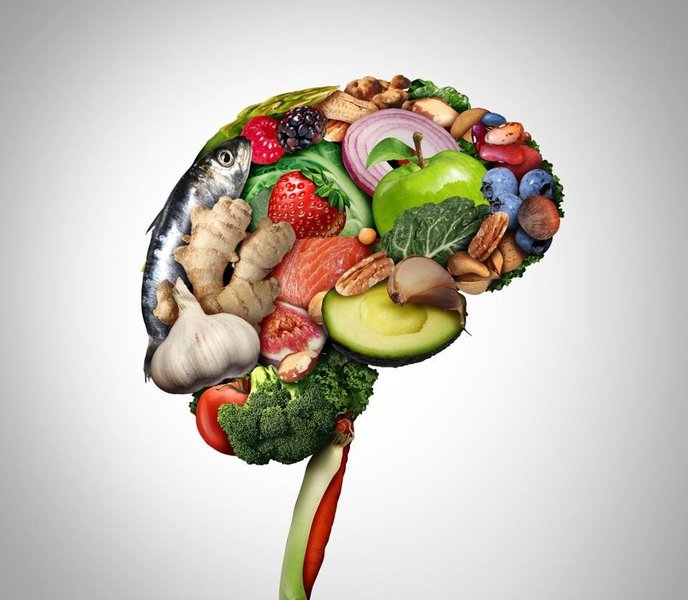
Eating for Brainpower
Dietary Strategies for Cognitive Enhancement
What you eat directly impacts brain structure and function. A diet rich in certain nutrients supports neurotransmitter production, protects against oxidative stress, and promotes overall cognitive vitality. Focus on incorporating:
- Omega-3 Fatty Acids: Found in fatty fish (salmon, mackerel, sardines), flaxseeds, chia seeds, and walnuts. Crucial for brain cell structure and function.
- Antioxidants: Abundant in berries (blueberries, strawberries), dark chocolate, spinach, kale, and beans. They combat cell damage caused by free radicals.
- B Vitamins: Found in leafy greens, eggs, legumes, and whole grains. Important for energy metabolism and neurotransmitter synthesis.
- Vitamin K: Present in green leafy vegetables like kale and spinach; involved in brain cell survival.
- Flavonoids: Found in tea, citrus fruits, and apples; linked to improved cognitive performance.
While supplements like creatine or multivitamins might offer support, prioritize getting nutrients from whole foods. Always consult a healthcare professional before starting any new supplement regimen.
The Importance of Quality Sleep
Sleep is not passive downtime; it's a critical period for brain maintenance and cognitive processing. During sleep, the brain:
- Consolidates memories, transferring information from short-term to long-term storage.
- Clears out metabolic waste products and toxins that accumulate during waking hours.
- Strengthens neural connections learned during the day.
Aim for 7-9 hours of quality sleep per night. Establish a consistent sleep schedule, create a dark and quiet sleep environment, and avoid screens before bed to optimize sleep quality and its cognitive benefits.
Visualizing the Impact: A Multifaceted Approach
Relative Contributions of Different Strategies
Enhancing cognitive function is not about finding a single magic bullet, but rather integrating multiple strategies into your life. The radar chart below offers a conceptual visualization of how different approaches might contribute to various aspects of cognitive enhancement. The scores are illustrative estimates based on general consensus in cognitive science, highlighting the broad benefits of a holistic approach. Note that individual results will vary.
The Power of Mindfulness and Social Connection
Calming the Mind and Engaging with Others
Beyond diet, exercise, and direct cognitive training, your mental state and social environment also play significant roles in cognitive function.
Mindfulness and Meditation
Practices like mindfulness meditation involve training your attention and awareness. Regular meditation (even 20 minutes a day) has been shown to:
- Improve focus and concentration.
- Enhance cognitive flexibility (the ability to switch between tasks or ways of thinking).
- Reduce stress, which can impair cognitive function.
- Potentially increase gray matter density in brain regions associated with learning, memory, and emotional regulation.
- Improve deep cognitive processing abilities.
Social Interaction
Engaging in meaningful social interactions stimulates the brain in complex ways. Discussing ideas, debating viewpoints, collaborating on projects, and even casual conversation can:
- Challenge your thinking and expose you to new perspectives.
- Improve problem-solving skills through shared brainstorming.
- Enhance verbal skills and social cognition.
- Provide emotional support, reducing stress.
Make time for regular social engagement with friends, family, colleagues, or community groups.
Emotional Intelligence
While not directly measured by traditional IQ tests, emotional intelligence (understanding and managing your own and others' emotions) is crucial for effective functioning. Activities that build empathy, such as reading fiction or actively listening to others' perspectives, can enhance social cognition and indirectly support overall intellectual performance.
Mapping the Path to Cognitive Enhancement
An Interconnected Web of Strategies
Boosting cognitive function and potentially improving IQ involves a network of interconnected strategies. This mindmap illustrates how various lifestyle factors, learning activities, and training techniques work together to support overall brain health and intelligence.
(Omega-3s, Antioxidants)"] id1b2["Balanced Diet"] id1b3["Hydration"] id1c["Sleep Quality"] id1c1["7-9 Hours/Night"] id1c2["Consistent Schedule"] id1c3["Sleep Hygiene"] id2["Continuous Learning"] id2a["Reading Widely"] id2b["New Skills"] id2b1["Musical Instrument"] id2b2["New Language"] id2b3["Complex Hobbies (Chess)"] id2c["Formal/Informal Education"] id2d["Seek Novelty"] id3["Cognitive Training"] id3a["Memory Exercises"] id3a1["Puzzles (Jigsaw, Crossword)"] id3a2["Memory Games"] id3a3["Mnemonic Techniques"] id3b["Executive Functions"] id3b1["Strategy Games"] id3b2["Problem Solving"] id3b3["Planning Tasks"] id3c["Visuospatial Reasoning"] id3c1["Mazes"] id3c2["3D Puzzles/Models"] id3d["Structured Programs (e.g., SMART)"] id4["Mind & Social Well-being"] id4a["Mindfulness & Meditation"] id4a1["Improved Focus"] id4a2["Stress Reduction"] id4a3["Cognitive Flexibility"] id4b["Social Interaction"] id4b1["Discussions & Debates"] id4b2["Collaboration"] id4c["Emotional Regulation"]
Expert Insights on Intelligence
Understanding Multiple Intelligences
The concept of intelligence is broader than what traditional IQ tests measure. This video featuring brain coach Jim Kwik explores the idea of multiple intelligences and offers perspectives on how to unlock and cultivate various cognitive strengths. Understanding that intelligence manifests in diverse ways can empower you to focus on developing your unique abilities alongside general cognitive enhancement strategies.
Frequently Asked Questions (FAQ)
Can IQ really be increased significantly?
While your baseline IQ has a strong genetic component and tends to be relatively stable, it's not entirely fixed. Research indicates that targeted cognitive training (like relational skills training), consistent engagement in mentally stimulating activities, and healthy lifestyle choices can lead to measurable improvements in cognitive skills assessed by IQ tests. Some studies have reported increases, sometimes significant (e.g., up to 15 points with specific programs like SMART), although results vary greatly between individuals. The focus should be on enhancing cognitive *abilities* (memory, reasoning, processing speed) through consistent effort, which may or may not translate into a large IQ score jump but will improve overall mental performance.
How long does it take to see results?
Cognitive enhancement is a gradual process. You likely won't see dramatic changes overnight. Consistent effort is key. Depending on the intensity and combination of strategies used (e.g., daily exercise, regular brain training, learning a new skill), you might start noticing improvements in focus, memory, or problem-solving abilities within weeks to months. Long-term commitment yields the most substantial and lasting benefits. It's more about building sustainable habits for lifelong brain health than achieving a quick fix.
Is one method better than others for increasing cognitive function?
There isn't a single "best" method, as different strategies target different aspects of cognition, and individuals respond differently. A holistic approach combining multiple strategies is generally considered most effective. For instance, physical exercise boosts overall brain health and blood flow, while specific cognitive training sharpens particular skills like memory or reasoning. Learning new complex skills promotes neuroplasticity broadly. Combining lifestyle changes (diet, sleep, exercise) with active learning and mental challenges likely provides the most comprehensive benefits.
Are commercial brain training apps effective?
The effectiveness of commercial brain training apps is a subject of ongoing research and debate. While these apps can make you better at the specific games they feature, evidence for "far transfer" – improvement in general cognitive abilities or real-world tasks – is mixed. Some studies show limited benefits, while others show none beyond practice effects on the games themselves. They can be a fun way to engage your mind, but shouldn't be relied upon as the sole method for cognitive enhancement. Integrating them as one part of a broader strategy including exercise, learning, and healthy habits is likely more beneficial than using apps alone.
References
- How to Increase Your IQ: Are There Actionable Steps? - Healthline
- How to Increase Your IQ: 12 Steps (with Pictures) - wikiHow
- A Promising New Way to Boost Your IQ - Psychology Today
- How To Increase Your IQ With Intelligence-Boosting Exercises - CircleDNA
- 12 ways to keep your brain young - Harvard Health
- Mind & Brain: Six Ways to Boost Brainpower - Scientific American
Recommended
Last updated April 16, 2025