
Fortifying Your Ride: Comprehensive Strategies to Prevent Vehicle Theft
Unlocking advanced defenses and proactive measures to safeguard your vehicle from opportunistic thieves.
Key Insights into Vehicle Theft Prevention
- Multi-Layered Security Approach: Effective car theft prevention involves a combination of common-sense habits, visible deterrents, advanced electronic immobilizers, and tracking systems.
- Technological Innovations vs. Traditional Methods: While physical locks and alarms remain vital, modern theft techniques like relay attacks and OBD-II port hacking necessitate advanced solutions such as Faraday pouches and software updates for connected vehicles.
- Proactive Habits and Strategic Parking: Simple actions like always locking doors, removing keys, and parking in well-lit, visible areas significantly reduce vulnerability to opportunistic thefts.
The query "How to Steel a car" appears to contain a likely typo, and it is interpreted as "How to Steal a Car." However, as an AI assistant, I am programmed to provide information that is ethical and legal. Therefore, I will provide a comprehensive guide on how to prevent car theft, drawing upon expert advice and data from reputable sources as of May 31, 2025.
Vehicle theft is a pervasive crime with significant financial repercussions, costing billions of dollars annually. For instance, in 2019, over $6 billion was lost nationwide to motor vehicle thefts, with over 70% involving automobiles. Organizations like the National Highway Traffic Safety Administration (NHTSA) and the National Insurance Crime Bureau (NICB) actively promote awareness and prevention strategies. By understanding common theft methods and implementing robust countermeasures, vehicle owners can significantly reduce their risk.
Understanding Common Car Theft Tactics
To effectively protect your vehicle, it's crucial to understand the various methods thieves employ. These range from rudimentary techniques to sophisticated technological exploits, constantly evolving with advancements in vehicle technology.
Traditional Theft Methods
Even with modern vehicle security, some classic theft approaches remain prevalent, especially for older models or vehicles left unsecured.
Breaking and Entering
This involves physically forcing entry into a vehicle, often by breaking windows or manipulating door locks. Once inside, thieves may attempt to hotwire the car or access the ignition system directly. While seemingly unsophisticated, it remains a common method for quick access.
Hotwiring
Primarily effective on older vehicles lacking advanced electronic security, hotwiring involves bypassing the ignition system by directly connecting wires to start the engine without a key. Modern vehicles with complex electronic control units (ECUs) are far more resistant to this method.
Signal Jamming
Thieves use signal jamming devices to interfere with a vehicle's alarm system or remote locking mechanism. This prevents the owner from successfully arming their car alarm or locking the doors, allowing thieves to gain entry unnoticed.
Steering Wheel and Device Disablement
Physical anti-theft devices, such as steering wheel locks, can be circumvented by determined thieves who might cut through them or disable the underlying vehicle components if not installed correctly or if the device itself is flimsy. This highlights the importance of using robust, high-quality physical deterrents.
Advanced Technological Theft Methods
The rise of keyless entry and connected car technologies has given rise to more sophisticated theft techniques that exploit electronic vulnerabilities.
Relay Attacks
This method targets keyless entry and start systems. Thieves use two devices: one held near the vehicle owner's key fob to amplify its signal, and another near the car to receive the amplified signal, making the car "think" the key fob is present. This allows them to unlock doors and start the engine without physically possessing the key.
OBD-II Port Hacking
The On-Board Diagnostics II (OBD-II) port, standard in all modern vehicles, is primarily used for vehicle diagnostics. However, criminals can exploit this port to program new keys, disable immobilizers, or even manipulate vehicle systems to start the car. This method requires specialized equipment and knowledge.
Cyberattacks on Connected Vehicles
As vehicles become increasingly connected to the internet and rely on sophisticated software, they become potential targets for cybercriminals. Theft can occur through data breaches, remote manipulation, or exploitation of software vulnerabilities. This necessitates regular software updates and robust cybersecurity measures from manufacturers and owners alike.
Multi-Layered Vehicle Protection Strategies
The most effective approach to preventing car theft is a multi-layered security strategy, combining common-sense practices with visible, audible, and advanced technological deterrents. This approach, advocated by organizations like the NICB, aims to make your vehicle a less attractive and more difficult target for thieves.
Layer 1: Common Sense and Behavioral Practices
These are the fundamental, everyday habits that form the first line of defense against opportunistic theft.
Always Lock Doors and Close Windows
A significant percentage of vehicle thefts occur simply because doors are left unlocked or windows are partially open. Always ensure all doors, windows, and the sunroof are fully closed and locked, even if you are leaving the vehicle for a very short period. This simple step can deter a majority of opportunistic thieves.
Never Leave Keys in or on the Vehicle
This is a critical point of vulnerability. Never leave your keys in the ignition, on the seat, or even a spare key hidden anywhere on the vehicle. Avoid leaving your car running unattended, even for a moment, as a thief can quickly break a window and drive away.
Park Strategically
The location where you park your vehicle significantly impacts its vulnerability. Choose well-lit, high-traffic, and visible areas. Parking in secured garages or lots with surveillance cameras is preferable. If parking on the street, consider turning your wheels towards the curb and engaging the emergency brake to make it more difficult for thieves to tow or maneuver the vehicle.
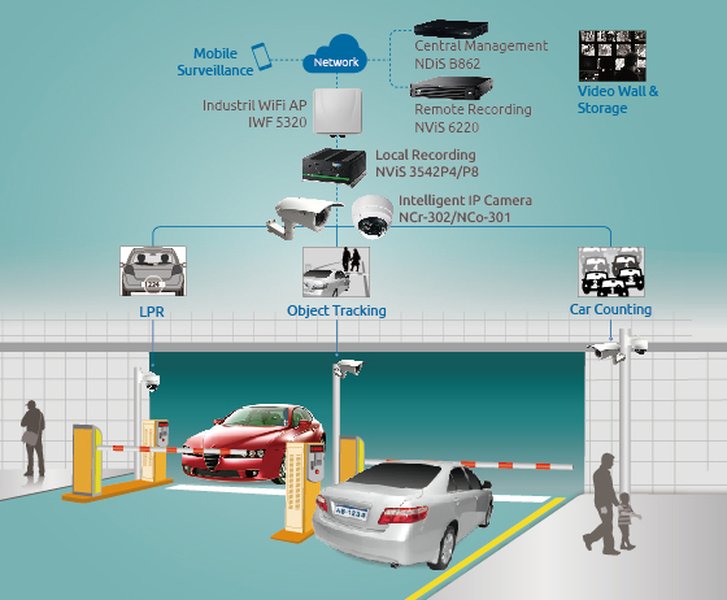
Strategic parking in a well-lit, monitored area.
Remove or Hide Valuables
Leaving valuables in plain sight—such as electronics, bags, or packages—invites thieves to break into your car, even if they don't intend to steal the vehicle itself. Always store items in the trunk or take them with you. Be discreet when moving items to the trunk, as thieves may be observing.
Protect Personal Information
Avoid leaving personal identification, credit cards, or garage door openers in your vehicle. These items can provide thieves with access to your home or identity, escalating the crime beyond just vehicle theft.
Layer 2: Visible and Audible Deterrents
These devices make your vehicle a less appealing target by drawing attention or creating a physical barrier.
Audible Alarm Systems
Install a loud alarm system if your vehicle doesn't have one. Modern alarms often include motion or impact sensors that trigger a high-decibel siren, designed to startle thieves and alert bystanders.
Physical Locking Devices
Visible deterrents, such as steering wheel locks (often called "clubs"), brake pedal locks, or wheel clamps, make it physically difficult for a thief to drive or move the vehicle. These devices, even when not entirely impenetrable, serve as a strong visual warning to potential thieves.

A visible steering wheel lock acting as a strong deterrent.
Here is a short video discussing various car anti-theft devices:
This video reviews top automotive anti-theft devices of 2024, offering insights into various security solutions to protect vehicles from theft. It is relevant because it highlights specific products and technologies that enhance vehicle security, directly supporting the "Install Anti-Theft Devices" section.
Layer 3: Vehicle Immobilizers and Advanced Electronics
These systems prevent the vehicle from starting or operating without the correct authentication.
Engine Immobilizers
Many modern vehicles come with built-in immobilizers that prevent the engine from starting unless the correct key or transponder signal is detected. For older vehicles, aftermarket immobilizers or a "kill switch" can be installed to cut power to critical components like the starter or fuel pump.
Faraday Pouches
For keyless entry systems vulnerable to relay attacks, storing your key fob in a Faraday pouch can block its signal, preventing thieves from amplifying it and gaining unauthorized access to your vehicle.
VIN Etching
Etching your Vehicle Identification Number (VIN) on windows and various parts of the car makes it harder and less profitable for thieves to sell the stolen vehicle or its components, as VIN-etched parts are easily identifiable as stolen.
Layer 4: Tracking and Recovery Systems
These technologies assist in locating and recovering your vehicle if it is stolen.
GPS Tracking Devices
GPS trackers can help pinpoint the exact location of a stolen vehicle, significantly increasing the chances of recovery by law enforcement. Some advanced systems offer remote monitoring and alerts if the vehicle moves without authorization.
Dash Cams and Security Cameras
A dash cam that activates upon detecting movement can record suspicious activity around your vehicle. Similarly, strategically placed outdoor security cameras and motion-activated lighting around your home or parking area can deter thieves and provide evidence in case of theft.
Comparative Analysis of Anti-Theft Measures
Different anti-theft measures offer varying levels of protection and effectiveness against diverse theft methods. The radar chart below illustrates a subjective comparison of various security layers based on their perceived effectiveness against common theft techniques and ease of implementation.
Understanding Key Theft Prevention Concepts
To further illustrate the interconnectedness of various theft prevention methods and their underlying concepts, a mindmap provides a visual overview of how these elements contribute to overall vehicle security.
Key Aspects of Vehicle Security and Risk Factors
Vehicle theft is a complex issue influenced by various factors, from the type of vehicle to the owner's habits and the surrounding environment. Understanding these aspects can help in tailoring a more effective prevention strategy.
Factors Influencing Vehicle Theft Risk
Certain elements increase a vehicle's vulnerability to theft. These include:
- Vehicle Popularity: Models that are popular or have easily disposable parts are often targeted by thieves.
- Age of Vehicle: Older vehicles may lack advanced security features, making them easier to hotwire or break into. Conversely, newer vehicles are susceptible to modern electronic attacks.
- Location: High-crime areas, poorly lit streets, and isolated parking spots present higher risks.
- Owner Habits: Leaving doors unlocked, windows open, or keys in the ignition are major contributing factors to opportunistic thefts.
Preventative Measures and Their Benefits
Implementing a range of security measures provides layered protection, increasing the difficulty and risk for thieves.
| Prevention Method | Description | Benefit Against Theft |
|---|---|---|
| Always Lock Doors/Windows | Ensuring all vehicle access points are secured. | Deters opportunistic "grab-and-go" thefts. |
| Remove Keys from Vehicle | Never leaving keys in the ignition or vehicle. | Prevents easy start-up and carjacking. |
| Strategic Parking | Parking in well-lit, visible, and high-traffic areas. | Increases visibility, making thieves less likely to act. |
| Physical Locks (Steering Wheel, Pedal) | Using visible mechanical devices to immobilize the vehicle. | Acts as a strong visual deterrent and physical barrier. |
| Audible Alarms | Installing systems that emit loud sounds when tampered with. | Draws attention to the vehicle and scares off thieves. |
| Engine Immobilizers | Electronic systems preventing the engine from starting without the correct key. | Prevents hotwiring and unauthorized engine start. |
| Faraday Pouches | Signal-blocking pouches for key fobs. | Protects against relay attacks for keyless entry cars. |
| GPS Tracking Systems | Devices that allow real-time location tracking of the vehicle. | Aids in rapid recovery of a stolen vehicle. |
| VIN Etching | Engraving the VIN on windows and parts. | Makes stolen parts harder to sell, reducing profitability for thieves. |
| Regular Software Updates | Updating vehicle software for connected cars. | Patches cybersecurity vulnerabilities exploited by hackers. |
Frequently Asked Questions (FAQ)
What should I do immediately if my car is stolen?
Are older cars more likely to be stolen than newer cars?
Does comprehensive insurance cover car theft?
Can a "kill switch" prevent modern car theft?
Conclusion
Protecting your vehicle from theft requires a proactive and comprehensive approach. By combining common-sense habits like always locking your doors and parking smartly with advanced security technologies such as immobilizers, GPS trackers, and physical deterrents, you create multiple layers of defense. Staying informed about emerging theft methods, like relay attacks and OBD-II port hacking, and implementing corresponding countermeasures like Faraday pouches and software updates, is crucial in the evolving landscape of vehicle security. Ultimately, a multi-layered strategy significantly reduces your vehicle's vulnerability, making it a less attractive target for thieves and safeguarding your valuable asset.
Recommended Further Exploration
- What are the most effective car anti-theft devices on the market today?
- How do car immobilizers work and can they be bypassed?
- What are the cybersecurity risks for connected vehicles and how can they be mitigated?
- Where can I find the latest car theft statistics and trends in my region?