
Unsticking the Situation: A Comprehensive Guide to Removing Gum from Pants
Effective Methods and Household Hacks for Tackling Sticky Gum
Finding chewing gum stuck to your pants can be a frustrating experience. The sticky, elastic nature of gum makes it prone to embedding itself deep within fabric fibers. However, before you despair and consider discarding your favorite trousers, know that there are numerous effective methods to remove gum without damaging the material. The key is often to alter the gum's consistency, making it less adhesive and easier to lift away.
This guide explores a variety of proven techniques, from common household items to specialized products, providing you with the knowledge and steps needed to successfully remove gum from your pants and restore them to their original condition. Remember to always test any cleaning solution or method on an inconspicuous area of the fabric first to ensure it doesn't cause discoloration or damage.
Key Insights for Gum Removal
- Freezing is Your Friend: One of the most widely recommended and effective methods involves hardening the gum using ice or by placing the garment in the freezer. This makes the gum brittle and much easier to scrape off.
- Household Staples Can Help: Many everyday items found in your kitchen or medicine cabinet, such as vinegar, peanut butter, and rubbing alcohol, possess properties that can break down gum and aid in its removal.
- Gentle Persistence is Crucial: Avoid aggressive rubbing or pulling, as this can push the gum further into the fabric or even damage the material. Gentle scraping and repeated application of removal agents are often more effective.
Freezing Techniques: Hardening the Gum for Easy Removal
Freezing is a cornerstone method for removing gum from fabric. The cold temperature hardens the gum, reducing its stickiness and making it significantly easier to scrape off without leaving behind stubborn residue. There are a couple of ways to utilize this principle:
Using Ice Cubes or an Ice Pack
This method is ideal for larger items or when you only have a small area of gum to tackle. Place several ice cubes in a plastic baggie or use an ice pack and hold it directly onto the gum. Apply pressure for about 15-20 minutes, or until the gum feels hard and brittle. For smaller items, you might only need 10-15 minutes.
Once the gum is frozen solid, use a dull knife, a credit card, or a spoon to gently scrape the hardened gum away from the fabric. It should come off in chunks. Be careful not to pull or stretch the fabric during this process.
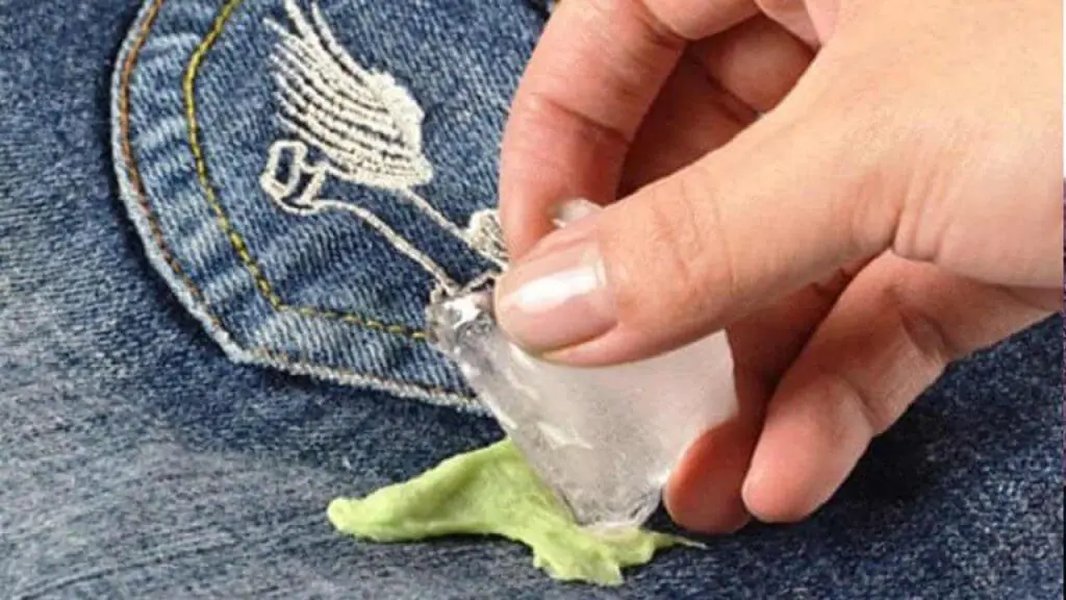
Steps for Using Ice:
- Place ice cubes in a plastic bag or use an ice pack.
- Apply directly to the gum for 15-20 minutes until hardened.
- Gently scrape off the frozen gum with a dull object.
Freezing the Entire Garment
If the pants are small enough, you can place the entire garment in the freezer. Fold the pants so the gum is facing outwards and tuck the affected area into a plastic bag, ensuring the gum doesn't stick to other parts of the fabric or the freezer. Seal the bag tightly and leave it in the freezer for a couple of hours until the gum is completely frozen.
Once frozen, remove the pants from the freezer and the bag. The gum should be hard and easy to break off or scrape away with a dull knife or similar tool. This method is particularly effective for smaller items or when the gum is deeply embedded.
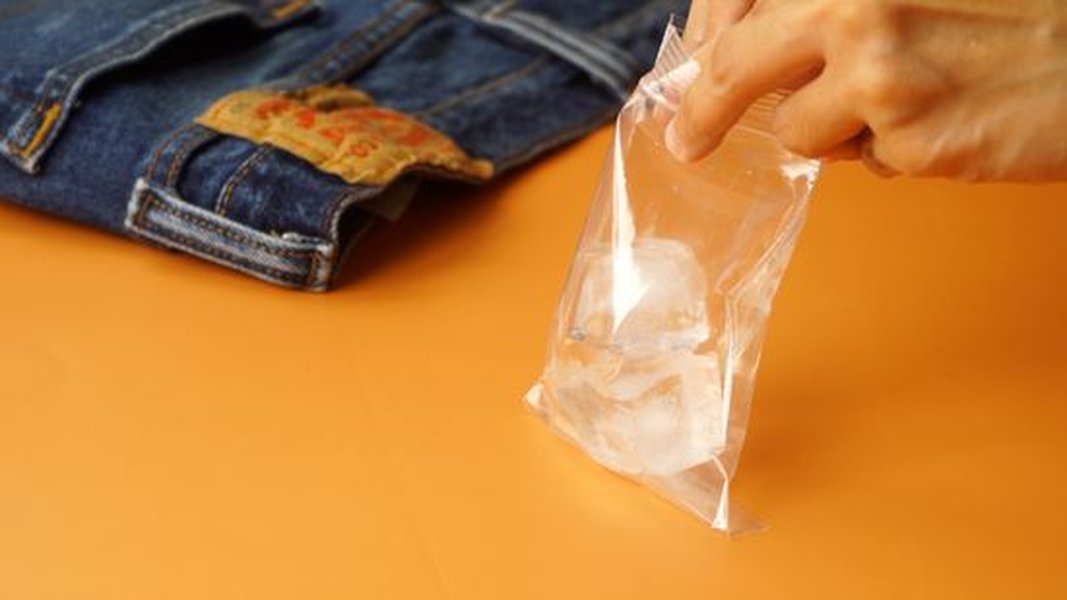
Steps for Freezing the Garment:
- Fold the garment with the gum facing out.
- Place the affected area in a plastic bag and seal.
- Freeze for a few hours until the gum is solid.
- Remove from the freezer and scrape off the hardened gum.
Household Hacks: Utilizing Common Items for Gum Removal
Beyond freezing, several common household items can be surprisingly effective at dissolving or loosening gum from fabric. These methods often involve using substances that interact with the gum's polymers or oils to break down its adhesive properties.
Vinegar: A Mild Acidic Solution
Distilled white vinegar, with its acidic nature, can help soften and loosen gum. Heat a small amount of white vinegar in a microwave-safe container until it's warm (not boiling). Dip an old toothbrush or a clean cloth into the warm vinegar and gently rub it into the gum. The acid will help break down the gum's structure, making it easier to remove.
As the gum softens, use a dull knife, credit card, or the edge of a spoon to scrape it away. You may need to repeat the application of warm vinegar and scraping until all the gum is removed. After the gum is gone, rinse the area with water or launder the garment as usual.
Steps for Using Vinegar:
- Heat a small amount of white vinegar until warm.
- Dip a toothbrush or cloth into the vinegar and rub onto the gum.
- Gently scrape the softened gum away.
- Rinse or wash the garment.
Peanut Butter: The Power of Oil
While seemingly counterintuitive, the oils in peanut butter can help break down the polymers in chewing gum, making it less sticky. Apply a generous amount of creamy peanut butter directly to the gum, ensuring it covers the entire sticky area. Let it sit for 3-5 minutes to allow the oils to work their magic.
After the waiting period, use a dull knife or scraper to gently scrape away the peanut butter and the gum. The gum should have become less adhesive and easier to remove. You may need to apply more peanut butter and repeat the scraping process if there's a lot of gum. Once the gum is gone, treat the area with a stain remover to address any oil residue from the peanut butter, then wash the garment.
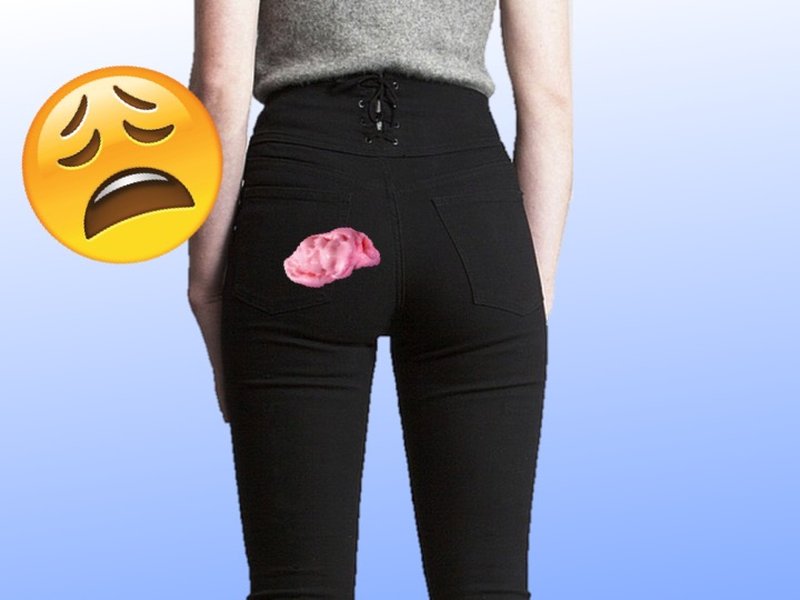
Steps for Using Peanut Butter:
- Apply creamy peanut butter to the gum.
- Let it sit for 3-5 minutes.
- Gently scrape away the peanut butter and gum.
- Treat any oil residue and wash the garment.
Rubbing Alcohol: Dissolving the Stickiness
Isopropyl alcohol, or rubbing alcohol, is another effective agent for dissolving the adhesive properties of gum. Apply a small amount of rubbing alcohol directly to the gum using a cotton ball or clean cloth. Gently dab or rub the alcohol into the gum, working from the edges inwards.
As the alcohol breaks down the gum, you should be able to gently lift and scrape it away with a dull knife or your fingernail. Rubbing alcohol evaporates quickly, so you may need to reapply it as you work. This method is particularly useful for smaller gum spots and can be effective on various fabric types, though it's always wise to test on an inconspicuous area first.
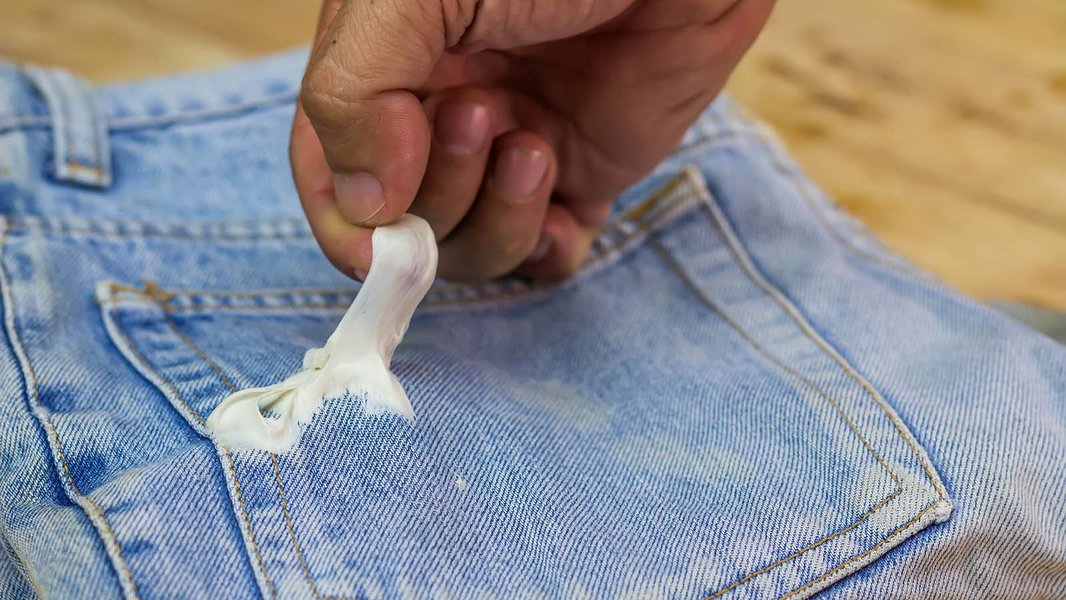
Steps for Using Rubbing Alcohol:
- Apply rubbing alcohol to the gum with a cotton ball or cloth.
- Gently dab or rub the alcohol into the gum.
- Scrape away the dissolved gum.
- Repeat as needed and wash the garment.
Other Effective Methods to Consider
In addition to freezing and common household items, there are a few other techniques that can be employed to remove gum from pants, depending on the situation and the type of fabric.
Using Heat (with Caution)
Heat can soften gum, making it transferable. One method involves placing a piece of cardboard on a flat surface and laying the garment gum-side down on the cardboard. Heat an iron to a medium setting and press it onto the fabric above the gum. The heat will soften the gum, causing it to transfer onto the cardboard.
Important Note: Use this method with extreme caution, as excessive heat can damage certain fabrics. Avoid moving the iron around, which could spread the gum. This method is generally not recommended for delicate fabrics. Another heat method involves using a hairdryer to gently warm the gum until it's soft enough to peel away, but be careful not to overheat the fabric.
Steps for Using Heat with an Iron:
- Place cardboard on a flat surface.
- Lay the garment gum-side down on the cardboard.
- Press a medium-heat iron onto the fabric above the gum.
- Lift the iron; the gum should transfer to the cardboard.
The "More Gum" or Tape Method
This might sound counterintuitive, but sometimes a fresh piece of chewed gum or strong tape (like duct tape) can be used to pull the stuck-on gum off the fabric. Press the fresh gum or tape firmly onto the gum on your pants and quickly pull it away. The idea is that the fresh gum or tape will adhere to the old gum and lift it off.
This method is best for relatively fresh, surface-level gum. Be careful not to press too hard initially, and work in small sections to avoid spreading the gum further.
Steps for Using More Gum or Tape:
- Press a fresh piece of gum or tape onto the stuck gum.
- Quickly pull away.
- Repeat as needed.
Liquid Laundry Detergent or Dish Soap
Applying a small amount of liquid laundry detergent or dish soap directly to the gum can help break down its stickiness and lubricate the fibers, making the gum easier to remove. Use a toothbrush or your fingers to work the detergent into the gum and the surrounding fabric.
Let the detergent sit for a few minutes, then use a dull knife or scraper to lift the gum away. Rinse the area thoroughly with water or launder the entire garment afterward to remove any detergent residue and remaining gum particles.
Steps for Using Detergent:
-
Apply liquid detergent to the gum.
-
Work it into the gum with a toothbrush or fingers.
-
Let it sit for a few minutes.
-
Scrape away the gum and rinse or wash.
Post-Removal Care and Tips
Once you have successfully removed the bulk of the gum, there might be some residue or a slight stain remaining. Proper post-removal care is essential to ensure your pants are completely clean and free of any lingering stickiness or marks.
Before washing the garment, inspect the area closely. If there is any sticky residue, you can try dabbing it with a small amount of rubbing alcohol or a specialized Goo Gone type product (always test first!). If there's a slight oily stain from methods like peanut butter, pre-treat the area with a stain remover.
Launder the pants according to the garment's care label. It's generally recommended to wash the item separately in warm or hot water, if the fabric allows, as this can help remove any remaining residue and cleaning agents. Ensure the gum is completely gone before placing the item in the dryer, as the heat of the dryer can set any remaining gum or stains, making them much harder to remove later.
Comparing Gum Removal Methods
Different methods work better in different situations and for different types of fabrics. The table below provides a quick comparison of some popular techniques:
| Method | Principle | Pros | Cons | Best For |
|---|---|---|---|---|
| Freezing (Ice/Freezer) | Hardens the gum | Very effective, safe for most fabrics | Requires time (freezing), may need multiple applications for large gum spots | Most fabric types, both fresh and hardened gum |
| Vinegar | Acid softens gum | Common household item, effective on many fabrics | May require repeated application, slight odor | Various fabric types, breaking down sticky residue |
| Peanut Butter | Oil breaks down gum | Effective for sticky residue | Leaves oily residue that needs treatment, not suitable for all fabrics | Loosening stubborn gum, addressing residue |
| Rubbing Alcohol | Dissolves adhesive | Quick evaporation, effective for small spots | Can potentially affect some dyes or delicate fabrics (test first) | Smaller gum spots, residue removal |
| Heat (Iron) | Softens for transfer | Can work for fresh gum | Risk of fabric damage, can spread gum, not for delicate fabrics | Fresh gum on durable fabrics (use with caution) |
Choosing the best method depends on the amount and type of gum, the fabric of your pants, and the resources you have available. Often, a combination of methods might be the most effective approach.
Visual Guide to Gum Removal
Sometimes seeing a process can be incredibly helpful. The following video demonstrates one approach to removing gum from clothing.
This video highlights the use of rubbing alcohol, a popular and often effective method for tackling gum on clothes. Observing the technique of applying the alcohol and gently working at the gum can provide valuable visual guidance as you attempt to remove gum from your own pants.
Frequently Asked Questions About Gum Removal
What is the quickest way to get gum out of clothes?
Generally, the quickest method is to freeze the gum using ice cubes or by placing the item in the freezer. Freezing hardens the gum rapidly, allowing for relatively easy scraping.
Can I use Goo Gone or similar products?
Yes, products specifically designed for removing sticky residues like Goo Gone can be effective. However, always test them on an inconspicuous area of the fabric first to ensure they don't cause damage or discoloration.
Will washing and drying the pants remove the gum?
No, washing and especially drying pants with gum on them is highly discouraged. The heat from the dryer will likely melt the gum, causing it to spread and embed itself even further into the fabric, making it much more difficult, if not impossible, to remove.
Is there a method that works for all fabric types?
Freezing is generally safe for most fabric types, but it's always a good idea to be cautious with very delicate materials. Chemical methods like rubbing alcohol or vinegar should always be tested on a hidden area first, as they can potentially affect some dyes or fibers.
How do I remove gum that has melted and spread?
Melted and spread gum can be more challenging. Freezing is often still the first step to reharden the gum. You may need to follow up with methods like rubbing alcohol or a detergent application to break down the thinner, spread-out residue. Patience and repeated applications are key.
What if some gum residue remains after trying a method?
If a small amount of residue remains, you can try applying a small amount of rubbing alcohol or a pre-wash stain remover specifically designed for greasy stains (if using an oil-based method like peanut butter). Gently work the product into the residue and then launder the garment.
References
Last updated April 18, 2025