
Unlock Your Potential: Tangible Steps to Contribute to a Better World
Discover practical ways, big and small, to make a positive impact on our planet and collective future.
Highlights
- Embrace Sustainable Habits: Simple changes in daily life, like reducing waste, conserving energy and water, and making conscious food choices, collectively reduce environmental strain.
- Engage Beyond the Individual: Amplify your impact by participating in community initiatives, supporting environmental organizations, and advocating for systemic changes through policy influence.
- Stay Informed and Inspire Others: Understanding the key environmental and social challenges empowers you to make informed decisions and encourage broader action within your network.
The idea of "saving the world" can feel immense, perhaps even overwhelming. However, it's not about a single heroic act but rather the sum of countless positive actions taken by individuals and communities worldwide. It involves addressing complex, interconnected challenges like climate change, biodiversity loss, pollution, resource depletion, and social inequalities. Contributing to a better world is a collective journey, and every step, no matter how small it seems, plays a part in shaping a more sustainable and equitable future.
This guide explores tangible and effective ways you can contribute, drawing on insights regarding individual responsibility, community involvement, technological innovation, and policy advocacy.
Understanding the Scope: Interconnected Global Challenges
Before diving into solutions, it's helpful to grasp the nature of the challenges. Issues like the climate crisis, widespread pollution (especially plastics), the rapid loss of plant and animal species, and the unsustainable consumption of natural resources are not isolated problems. They are deeply intertwined, often exacerbating one another. Addressing them effectively requires understanding these connections and adopting a holistic approach that spans personal choices, community action, and systemic change.
Empowering Individual Actions: Your Daily Impact
Your everyday choices form the foundation of collective change. By adopting more sustainable habits, you directly reduce your environmental footprint and contribute to a healthier planet.
The Foundation: Reduce, Reuse, Recycle
This timeless principle remains crucial. Reducing consumption is the most effective step – buy less, choose quality over quantity, and avoid unnecessary purchases. Reuse items whenever possible, opting for reusable bags, water bottles, coffee cups, and containers over single-use alternatives. When items reach the end of their life, recycle them responsibly according to local guidelines. Properly recycling materials like paper, glass, plastic, and metal conserves resources, saves energy, and reduces landfill waste. Remember, the US alone generates vast amounts of municipal solid waste annually, making waste reduction a critical area for action.
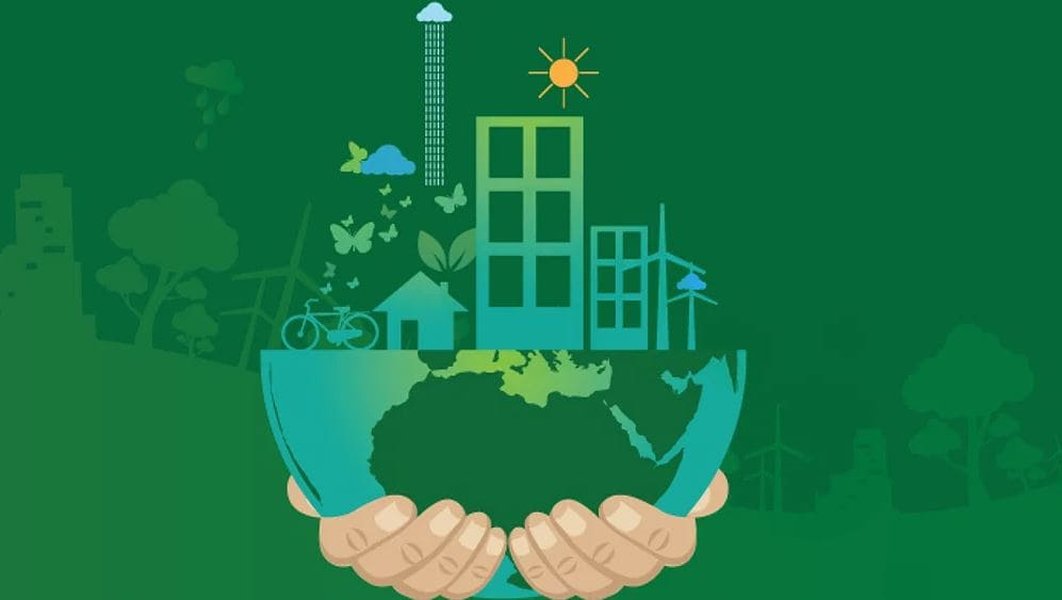
Environmental conservation starts with conscious choices about resource use and waste.
Conserving Precious Resources
Energy Efficiency at Home and Beyond
Lowering energy consumption reduces greenhouse gas emissions and saves money. Simple habits include turning off lights and electronics when not in use, and unplugging chargers (which draw "phantom" power even when idle). Choose energy-efficient appliances (look for certifications like Energy Star). Switching to LED lighting uses significantly less energy than traditional bulbs. Where possible, support or transition to renewable energy sources like solar or wind power for your home or community.
Water Wisdom: Saving Every Drop
Water is a finite resource. Conserve it by taking shorter showers, turning off the tap while brushing teeth or washing dishes, and fixing leaks promptly (a dripping faucet wastes significant water over time). Consider installing water-efficient fixtures and appliances. Collecting rainwater for gardening is another effective conservation method.
Rethinking Consumption Habits
Sustainable Food Choices
What you eat has a substantial environmental impact. Animal agriculture is a major contributor to greenhouse gas emissions, deforestation, and water usage. Consider reducing meat and dairy consumption and incorporating more plant-based foods (vegetables, fruits, grains, legumes, nuts, seeds) into your diet. Buying local and seasonal produce reduces transportation emissions. Critically, minimize food waste – plan meals, use leftovers, store food properly, and compost organic scraps. Globally, a staggering amount of food produced is wasted, representing a loss of resources and contributing to landfill emissions.
Mindful Transportation
Transportation is a significant source of carbon emissions. Whenever possible, choose walking, cycling, or public transport over driving a personal car, especially for short trips. Carpooling or using ride-sharing services can also help. If purchasing a vehicle, consider fuel-efficient, hybrid, or electric options. Reducing air travel, particularly long-haul flights, also makes a difference.
Conscious Consumerism
Be mindful of what you buy and who you buy it from. Support companies committed to sustainable and ethical practices – those using recycled materials, conserving energy, paying fair wages, and minimizing their environmental footprint. Avoid "fast fashion" and opt for durable, long-lasting clothing. Say no to single-use plastics like bags, straws, and disposable cutlery; carry reusable alternatives instead. Choosing second-hand items is another excellent way to reduce demand for new production.
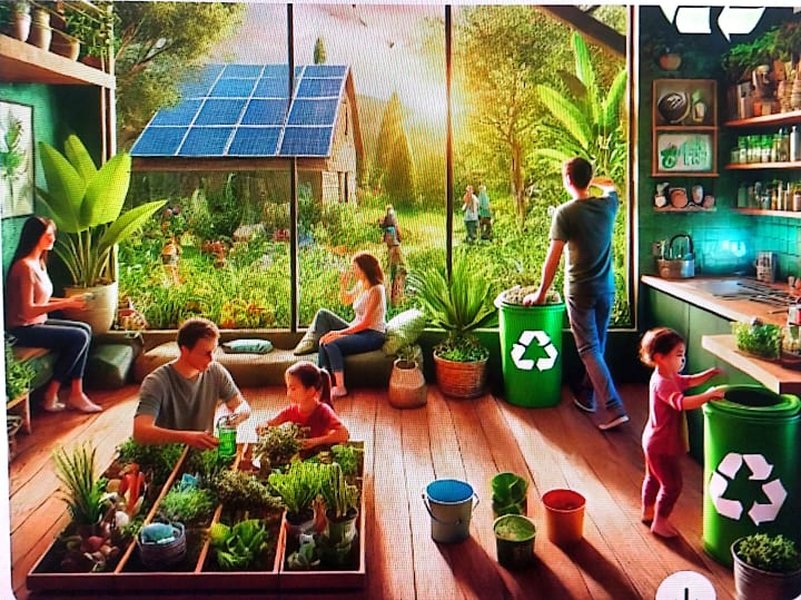
Adopting sustainable living involves conscious choices across many aspects of daily life.
Greening Your Space
Plants play a vital role in environmental health. Planting trees helps absorb carbon dioxide, produce oxygen, prevent soil erosion, and provide habitats for wildlife. Even if you don't have a large yard, you can contribute by planting native species in pots on a balcony, starting a small herb garden, or participating in community tree-planting events. Supporting reforestation projects is another impactful action.
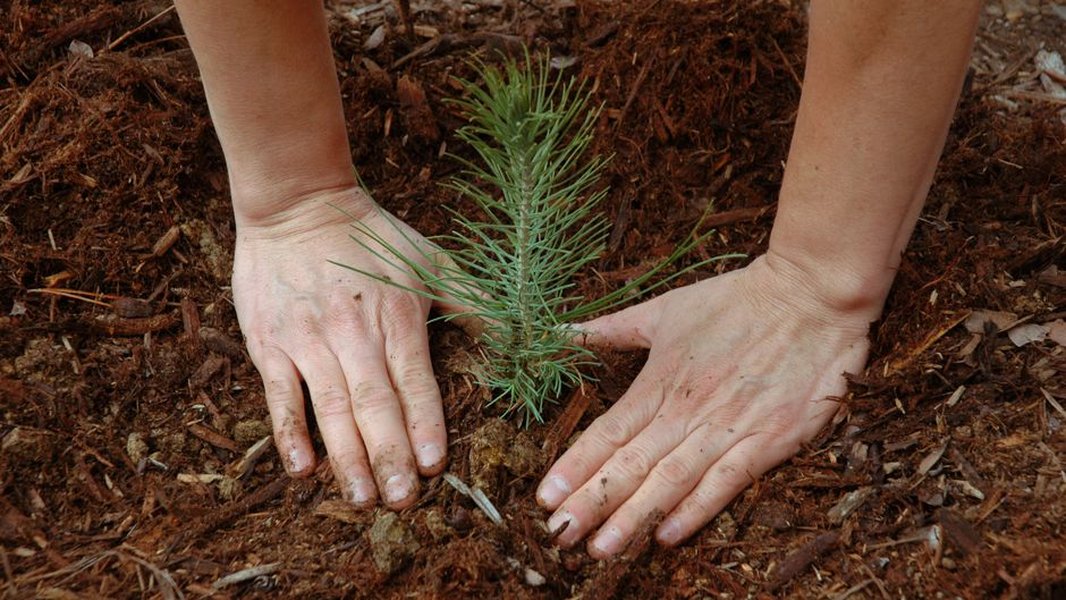
Community efforts in planting and conservation build resilience and connection.
Know Your Impact
Understanding your personal environmental footprint can help you identify the areas where you can make the most significant improvements. Online calculators (like those offered by organizations such as WWF) can estimate your impact based on your lifestyle, including energy use, transportation, diet, and consumption patterns. Tracking your progress can be motivating and help refine your sustainability efforts.
Charting Collective Impact: A Conceptual View
Contributing to a better world involves diverse strategies, from personal habits to global advocacy. The radar chart below offers a conceptual visualization of different action categories, comparing them across dimensions like potential impact scalability, accessibility to individuals, and the immediacy of their effects. It highlights how various approaches complement each other in the broader effort. Note that these are illustrative assessments rather than precise data points.
Amplifying Impact Through Collective Efforts
While individual actions are crucial, significant change often requires collective effort. Engaging with your community and advocating for broader shifts can multiply your impact.
Community Engagement
Get involved locally. Volunteer for environmental organizations or participate in community clean-up events for parks, beaches, or rivers. Support local businesses, especially those prioritizing sustainability, to reduce transportation footprints and strengthen your local economy. Engaging in community gardens or local conservation projects builds social connections while benefiting the environment.
Advocacy and Policy Influence
Use your voice to advocate for change. Contact your elected officials (local, regional, national) to express support for strong environmental laws, climate action policies, renewable energy initiatives, and social justice measures. Vote for leaders committed to sustainability. Sign petitions, participate in peaceful demonstrations, and join campaigns organized by advocacy groups. Public pressure is essential for driving governmental and corporate accountability.
Supporting Organizations
Many organizations work tirelessly on environmental protection, conservation, climate action, and social justice. Consider supporting these groups through donations or volunteering your time and skills. Organizations like WWF, Greenpeace, the Sierra Club, the Environmental Defense Fund, and countless others work at various scales to research issues, implement solutions, and advocate for policy changes.
The Bigger Picture: Global Cooperation and Innovation
Many of the world's most pressing challenges, particularly climate change, transcend national borders and require international cooperation and innovative solutions.
Global Challenges, Global Solutions
Support initiatives that foster international collaboration on environmental issues. This includes international agreements (like the Paris Agreement), cross-border conservation efforts, and global campaigns raising awareness about shared challenges. Recognizing the interconnectedness of global ecosystems and societies is key.
Fostering Sustainable Innovation
Technological advancements and innovative approaches are vital for transitioning to a sustainable future. Support businesses and initiatives developing clean energy technologies, sustainable agriculture methods, circular economy models, and solutions for pollution reduction. Encourage sustainable practices within your workplace or field.
Education as a Catalyst
Continuously educate yourself about environmental and social issues from credible sources. Share your knowledge and passion with friends, family, and colleagues. Raising awareness can inspire others to take action and build momentum for change. Supporting environmental education programs in schools and communities is also impactful.
Mapping the Path Forward: Key Strategies
The journey towards a healthier planet involves multiple interconnected strategies. This mindmap illustrates how individual actions, collective efforts, and systemic changes contribute to the overarching goal of "saving the world" by fostering sustainability and resilience.
Building a Sustainable Future"] id1["Individual Actions"] id1a["Lifestyle Adjustments"] id1a1["Reduce, Reuse, Recycle"] id1a2["Conserve Energy & Water"] id1a3["Sustainable Transport"] id1a4["Plant-Rich Diet / Reduce Food Waste"] id1a5["Plant Trees / Green Spaces"] id1b["Conscious Consumption"] id1b1["Choose Sustainable Products"] id1b2["Avoid Single-Use Plastics"] id1b3["Support Ethical Companies"] id1b4["Embrace Second-Hand"] id2["Collective Efforts"] id2a["Community Engagement"] id2a1["Local Volunteering"] id2a2["Cleanup Initiatives"] id2a3["Support Local/Sustainable Businesses"] id2b["Advocacy & Policy"] id2b1["Vote Sustainably"] id2b2["Contact Officials"] id2b3["Support Environmental Laws"] id2b4["Join Campaigns/Petitions"] id2c["Support Organizations"] id2c1["Donate Time or Money"] id2c2["Amplify Campaigns"] id3["Systemic Change"] id3a["Innovation & Technology"] id3a1["Support Clean Energy"] id3a2["Promote Circular Economy"] id3a3["Develop Green Tech"] id3b["Global Cooperation"] id3b1["Support International Agreements"] id3b2["Foster Cross-Border Collaboration"] id3c["Education & Awareness"] id3c1["Continuous Learning"] id3c2["Share Knowledge"] id3c3["Support Environmental Education"]
Sustainable Actions: A Comparative Overview
Different actions contribute in various ways. This table provides a simplified overview of some key sustainable actions, highlighting their primary area of impact and the typical level of engagement involved.
| Action | Primary Impact Area | Typical Engagement Level | Description |
|---|---|---|---|
| Reduce Meat/Dairy Intake | GHG Reduction, Land Use, Water Use | Individual Habit | Lowers emissions and resource intensity associated with animal agriculture. |
| Use Public Transport / Cycle / Walk | GHG Reduction, Air Quality | Individual Habit / Community Infrastructure | Reduces fossil fuel consumption and air pollution from personal vehicles. |
| Recycle Diligently | Waste Reduction, Resource Conservation | Individual Habit / Municipal System | Conserves raw materials and energy needed for manufacturing new products. |
| Conserve Water at Home | Water Conservation | Individual Habit | Reduces strain on freshwater resources and energy used for water treatment/pumping. |
| Avoid Single-Use Plastics | Waste Reduction, Pollution Prevention | Individual Habit / Consumer Choice | Decreases plastic waste ending up in landfills and ecosystems, especially oceans. |
| Support Pro-Environment Policies/Candidates | Policy Change, Systemic Impact | Civic / Political Action | Influences regulations and government direction towards sustainability goals. |
| Volunteer for Local Cleanup | Pollution Reduction, Ecosystem Health | Community Action | Directly removes litter and improves local environmental quality. |
| Choose Energy-Efficient Appliances | Energy Conservation, GHG Reduction | Consumer Choice / Household Management | Lowers household energy consumption and associated emissions over the appliance's lifetime. |
Frequently Asked Questions (FAQ)
Does individual action truly make a difference against large-scale problems?
I'm feeling overwhelmed. Where is the best place to start?
How can I contribute effectively if I have limited time or financial resources?
What's more important: changing my lifestyle or advocating for policy changes?
Recommended Next Steps
- What are the biggest threats to the planet right now?
- How does climate change impact biodiversity?
- Explore examples of successful community environmental projects.
- Learn about the role of technology in achieving sustainability.
References

Last updated May 4, 2025