
Navigating the Bear Market: A Comprehensive Guide to Shorting Cryptocurrency
Unlocking Opportunities in Declining Crypto Prices
Shorting cryptocurrency is a trading strategy employed by investors and traders who anticipate a decline in the price of a specific digital asset. Unlike the traditional approach of "buying low and selling high" to profit from rising prices (going "long"), shorting reverses this, aiming to "sell high and buy low" to capitalize on downward price movements. This technique involves borrowing cryptocurrency, selling it at the current market price, and then repurchasing it at a lower price in the future to return to the lender. The profit is the difference between the initial selling price and the lower repurchase price, minus any fees or interest incurred.
While short selling is a common practice in traditional financial markets like stocks, it has gained significant traction in the volatile world of cryptocurrencies. The inherent price swings and unpredictable nature of digital assets can present opportunities for those with a bearish outlook to potentially profit from market downturns. However, it's crucial to understand that shorting crypto comes with amplified risks due to this very volatility. If the price of the shorted asset unexpectedly increases, the potential for losses is theoretically unlimited, as there's no cap on how high the price can go before the trader must buy it back to cover their position.
This guide will delve into the various methods for taking a short position in cryptocurrency, outline the steps involved, discuss the inherent risks, and provide insights into managing those risks effectively. Understanding these concepts is paramount for anyone considering incorporating short selling into their crypto trading strategy.
Key Takeaways on Shorting Crypto
- Shorting allows profit from falling prices: By borrowing and selling crypto with the expectation of buying it back cheaper, traders can capitalize on bearish market trends.
- Multiple methods exist for shorting: This includes margin trading, futures contracts (including perpetuals), options, and leveraged tokens, each with its own nuances and risk profiles.
- Significant risks are involved: The volatile nature of crypto means prices can rise rapidly, leading to substantial losses, including potential liquidation when using leverage.
Understanding the Mechanism of Short Selling
At its core, short selling in cryptocurrency operates on the principle of profiting from a price decrease. The process typically involves a few key steps:
Borrowing the Asset
The first step in traditional short selling involves borrowing the cryptocurrency you believe will decline in value. This is typically done through a cryptocurrency exchange or a lending protocol that supports margin trading or short selling. The trader does not own the cryptocurrency they are selling; they are borrowing it from the exchange or another user.
Selling the Borrowed Asset
Once the cryptocurrency is borrowed, the trader immediately sells it on the open market at the current price. This generates a cash amount equivalent to the value of the sold crypto at that moment.
Repurchasing at a Lower Price
The trader then waits for the price of the cryptocurrency to drop. If their prediction is correct and the price falls, they will buy back the same amount of cryptocurrency at the lower market price.
Returning the Borrowed Asset
Finally, the repurchased cryptocurrency is returned to the lender (the exchange or protocol). The difference between the higher price at which the asset was initially sold and the lower price at which it was repurchased constitutes the gross profit for the short seller.
It's important to note that fees for borrowing the asset and trading commissions will impact the net profit.
Popular Methods for Shorting Cryptocurrency
There are several avenues traders can explore to take a short position in the cryptocurrency market. The choice of method often depends on the trader's experience level, risk tolerance, and the specific platform they are using.
Margin Trading
Margin trading is one of the most accessible and common ways to short cryptocurrency. It involves borrowing funds from an exchange to increase your trading capital, thereby amplifying potential profits (and losses). When shorting using margin, you are essentially borrowing the cryptocurrency to sell it.
Here's a simplified breakdown:
-
You deposit a certain amount of your own funds as collateral.
-
The exchange lends you additional funds, allowing you to open a larger position than your initial capital would permit.
-
You use the borrowed funds to sell the cryptocurrency you want to short.
-
If the price falls, you buy back the crypto at a lower price and return the borrowed amount to the exchange. The profit is the difference, minus interest on the borrowed funds and trading fees.
Margin trading is often expressed in terms of leverage, such as 2x, 5x, or 10x. Higher leverage increases the potential profit but also significantly increases the risk of liquidation, where the exchange automatically closes your position if the market moves against you and your collateral is no longer sufficient to cover potential losses.
Many popular exchanges, including Binance, Kraken, and KuCoin, offer margin trading facilities for various cryptocurrencies.
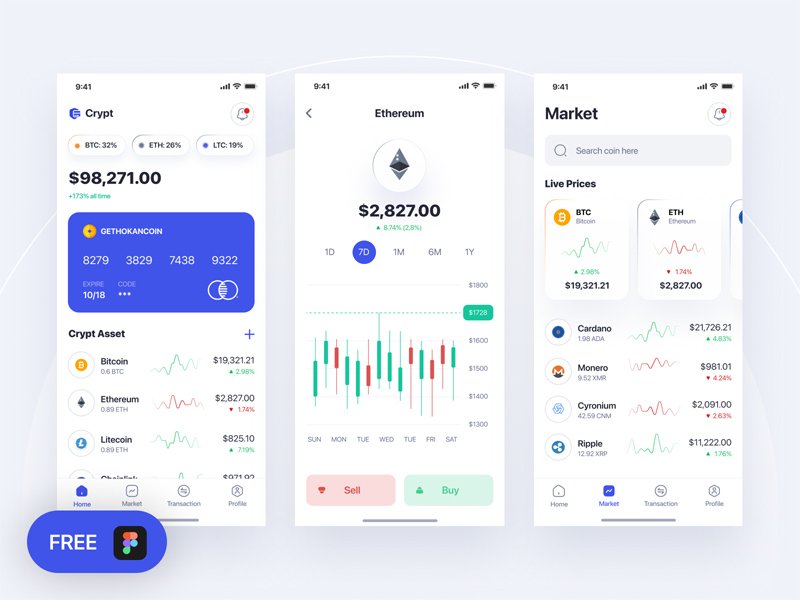
An example of a crypto trading platform user interface, often featuring options for margin trading.
Futures Trading (Including Perpetuals)
Futures contracts are financial derivatives that obligate the buyer to purchase or the seller to sell an asset at a predetermined price at a specific date in the future. In the context of shorting crypto, you would sell a futures contract, betting that the price of the underlying cryptocurrency will be lower on the contract's expiration date.
Perpetual futures are a popular variation in the crypto market. Unlike traditional futures, they do not have an expiry date. Instead, they use a funding rate mechanism to keep the contract price close to the spot price. Traders holding short positions might pay or receive funding rates depending on market sentiment, which adds another layer of cost or potential income.
Selling a futures or perpetual contract allows traders to profit from a price decline without directly borrowing the underlying asset. These contracts are available on various platforms, including Kraken Futures, KuCoin Futures, and OKX.
Options Trading
Options contracts give the buyer the right, but not the obligation, to buy or sell an underlying asset at a specific price (the strike price) on or before a certain date. To short crypto using options, traders typically buy "put" options. A put option gives the holder the right to sell the cryptocurrency at the strike price.
If the price of the cryptocurrency falls below the strike price before the option expires, the trader can exercise their option, sell the crypto at the higher strike price (even though the market price is lower), and then buy it back at the lower market price for a profit. The risk with buying put options is limited to the premium paid for the option.
Platforms like Deribit and OKX are popular venues for trading crypto options.
Leveraged Tokens
Leveraged tokens are financial products that provide leveraged exposure to cryptocurrency prices without the complexities of managing a margin account or futures contracts directly. These tokens are designed to move in amplified correlation to the price of the underlying asset.
For shorting, there are often "down" or "bear" tokens that aim to increase in value when the underlying cryptocurrency's price decreases. For example, a 3x short Bitcoin token might aim to go up by 3% for every 1% decrease in Bitcoin's price.
While convenient, leveraged tokens come with their own risks, including tracking error and the potential for significant losses, especially in volatile or choppy markets.
Step-by-Step Guide to Shorting Crypto (General Process)
While the exact steps may vary slightly depending on the chosen platform and method, here's a general outline of how to take a short position in cryptocurrency:
1. Choose a Reliable Exchange or Platform
Select a cryptocurrency exchange or trading platform that offers the specific shorting methods you are interested in (margin trading, futures, options, etc.). Research the platform's reputation, fees, liquidity, and security measures. Ensure they support the cryptocurrency you wish to short.
2. Create and Fund an Account
Sign up for an account on the chosen platform. You will likely need to complete identity verification (KYC). Deposit funds into your account. If you plan to use margin trading, you may need to transfer funds to a specific margin wallet within the platform.

A typical market dashboard on a crypto trading platform, where users can monitor prices and place trades.
3. Research and Identify the Crypto to Short
Conduct thorough research and analysis on the cryptocurrency you believe is likely to decrease in price. This may involve technical analysis of price charts, fundamental analysis of the project, and staying informed about market news and sentiment. It's crucial to have a well-reasoned basis for your bearish outlook.
4. Place a Short Order
Navigate to the trading section of the platform. Select the cryptocurrency pair you want to trade (e.g., BTC/USDT). Choose the "Sell" or "Short" option. Specify the amount of cryptocurrency you want to short. If using margin, select the desired leverage level. You may also set stop-loss and take-profit orders to manage risk.
5. Monitor Your Position
Once your short position is open, it's essential to continuously monitor the market price of the cryptocurrency. Volatility can lead to rapid price changes. Be prepared to adjust your strategy or close your position if the market moves unfavorably.
6. Close the Short Position
To close your short position and realize your profit (or loss), you need to buy back the same amount of cryptocurrency you initially sold. If you used margin, this also involves returning the borrowed funds to the exchange. On the platform, this is typically done by placing a "Buy" or "Cover" order for the shorted asset.
Risks Associated with Shorting Crypto
While shorting offers the potential for profit in a declining market, it is a high-risk strategy, particularly in the cryptocurrency space. Understanding these risks is vital:
Unlimited Loss Potential
When you go long on an asset, the maximum you can lose is your initial investment if the price goes to zero. However, when shorting, if the price of the asset rises indefinitely, your potential losses are theoretically unlimited because you must eventually buy back the asset to cover your position, no matter how high the price goes.
Margin Calls and Liquidation
If you are shorting with leverage, a significant increase in the price of the cryptocurrency can lead to a margin call. This is a request from the exchange for you to deposit additional funds to meet the margin requirement. If you fail to meet the margin call, the exchange may automatically liquidate your position to prevent further losses, resulting in a substantial loss of your collateral.
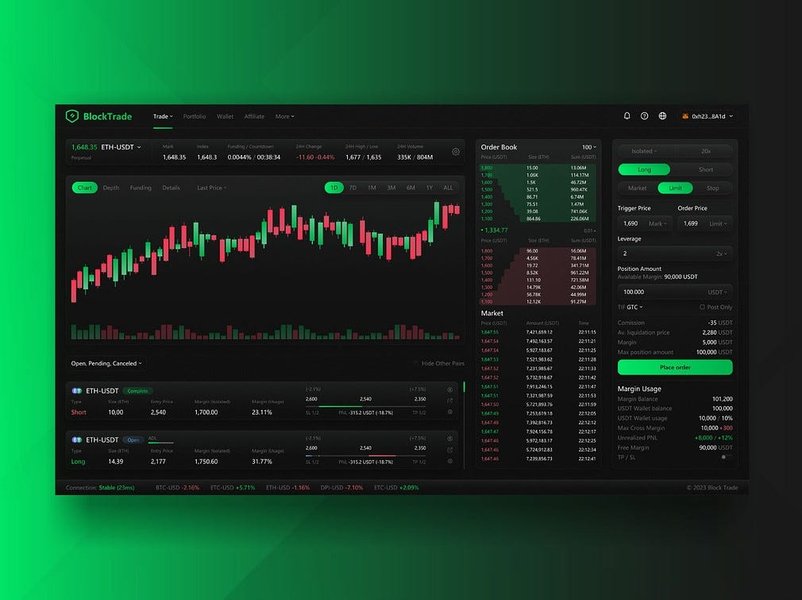
The user interface of crypto platforms is constantly evolving to display complex trading information clearly, including margin levels and potential liquidation points.
High Volatility
The cryptocurrency market is known for its extreme price volatility. Sudden and unpredictable price swings can quickly move against a short position, leading to rapid and significant losses.
Funding Rates (for Perpetual Futures)
While funding rates can sometimes work in favor of short sellers, they can also become a significant cost, especially during periods of strong bullish sentiment. Paying high funding rates can eat into potential profits or exacerbate losses.
Liquidity Issues
On some decentralized or smaller exchanges, liquidity for certain cryptocurrency pairs might be low. This can make it difficult to open or close a short position at the desired price, potentially leading to slippage and less favorable execution.
Market Manipulation
The crypto market, being less regulated than traditional markets, can be susceptible to manipulation by large players ("whales"). This can lead to sudden price spikes ("short squeezes") that can be particularly damaging to short sellers.
Strategies and Tips for Shorting Crypto
Given the inherent risks, approaching shorting with a well-defined strategy and disciplined approach is crucial.
Thorough Research and Analysis
Never short a cryptocurrency based on speculation or hype alone. Conduct in-depth technical and fundamental analysis to identify assets with genuine potential for a price decline. Look for bearish indicators and understand the factors that could drive the price down.
Effective Risk Management
Implementing robust risk management techniques is paramount. Always use stop-loss orders to limit potential losses if the market moves against your position. Never risk more capital than you can afford to lose. Consider using lower leverage, especially if you are new to shorting.
Start Small
If you are new to shorting, begin with small position sizes to gain experience and understand how the process works without exposing yourself to excessive risk.
Stay Informed
Keep abreast of market news, regulatory developments, and overall market sentiment. Unexpected news or events can significantly impact cryptocurrency prices.
Consider Hedging
Some traders use short positions as a hedging strategy to offset potential losses in their long positions. If you hold a portfolio of cryptocurrencies, shorting a specific asset you believe is overvalued can help mitigate overall portfolio risk during a downturn.
Comparison of Shorting Methods
Here's a table summarizing the key characteristics of the different shorting methods:
| Method | Description | Pros | Cons | Common Platforms |
|---|---|---|---|---|
| Margin Trading | Borrowing funds from an exchange to sell crypto. | Relatively easy to access, widely available on exchanges. | High liquidation risk with leverage, requires managing borrowed funds. | Binance, Kraken, KuCoin, Crypto.com Exchange |
| Futures Trading (Perpetuals) | Trading contracts to buy/sell crypto at a future price. | Can use leverage, potential for high profits. | Complex for beginners, funding rates can be a cost, liquidation risk. | Kraken Futures, KuCoin Futures, OKX, Bybit, Bitget |
| Options Trading | Buying contracts that give the right (not obligation) to sell at a strike price. | Limited risk (premium paid), various strategies possible. | Can be complex to understand, not available for all cryptocurrencies, time decay. | Deribit, OKX |
| Leveraged Tokens | Tokens designed to provide leveraged exposure to price movements. | Simpler than margin or futures for leverage, no margin calls. | Tracking error, not suitable for long-term holding, still high risk. | Various exchanges offer these tokens. |
Shorting on Specific Platforms
While the general principles of shorting remain consistent, the specific steps and interfaces can differ between exchanges. Platforms like Crypto.com Exchange, IG International, CMC Markets, and various decentralized exchanges (DEXs) on networks like Solana offer different ways to short crypto, often involving margin trading or derivatives.
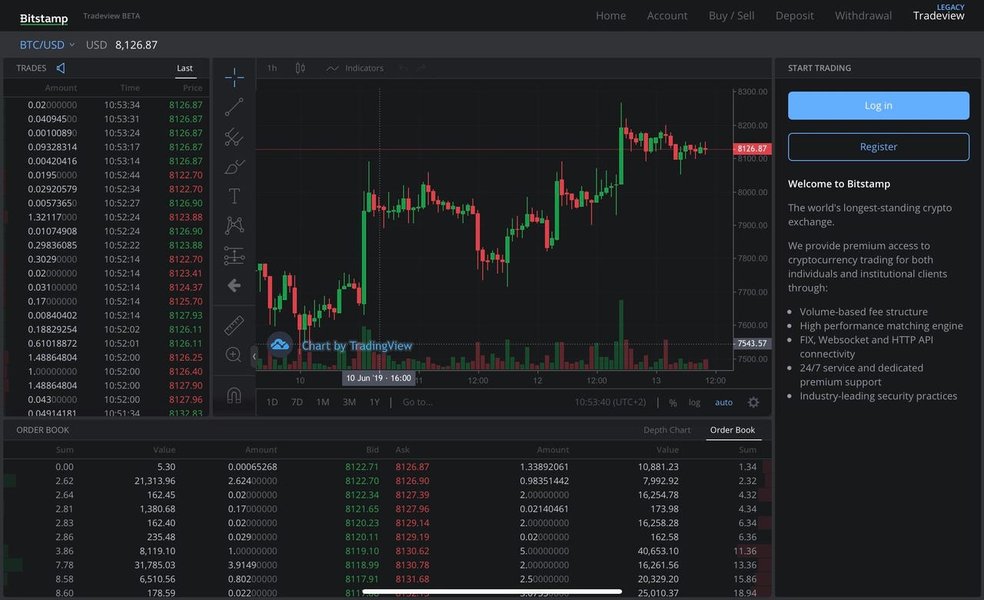
An example of a trade screen on a cryptocurrency exchange, showcasing the interface where buy and sell orders are placed.
Some platforms are more suited for beginners, while others cater to experienced traders with advanced tools and order types. It is essential to familiarize yourself with the specific platform you choose before attempting to short.
Video Resources on Shorting Crypto
For a more visual understanding of the process of shorting crypto, the following video provides a step-by-step tutorial:
This video tutorial guides viewers through the process of shorting crypto, explaining what it means and demonstrating how to execute a short trade on a platform. It is a helpful resource for beginners seeking a visual explanation of the concepts discussed.
Risks, Ethics, and Alternatives
Beyond the financial risks, it's important to consider the ethical implications of profiting from an asset's decline. While a legitimate trading strategy, some may view it negatively, especially in nascent markets. Additionally, while shorting can be a standalone strategy, alternatives exist for profiting from bearish sentiment or hedging risk without directly shorting.
These alternatives might include investing in inverse ETFs (if available and regulated), utilizing specific decentralized finance (DeFi) protocols that allow for short-like positions, or simply holding stablecoins or fiat currency during expected market downturns.
Conclusion
Shorting cryptocurrency is a powerful tool that allows traders to potentially profit from declining market prices. However, it is not a strategy for the faint of heart. The high volatility of the crypto market significantly amplifies the risks involved, including the potential for unlimited losses and liquidation.
Successful shorting requires a strong understanding of market dynamics, diligent research, and strict risk management. By utilizing methods like margin trading, futures, options, or leveraged tokens, and by approaching the strategy with caution and continuous learning, traders can navigate the complexities of shorting crypto. Always remember to start small, use stop-loss orders, and never invest more than you can afford to lose.
Frequently Asked Questions about Shorting Crypto
Is shorting crypto legal?
The legality of shorting crypto depends on the jurisdiction and the specific method used. In many regions, regulated exchanges and platforms offer shorting facilities. However, regulations surrounding cryptocurrencies are still evolving, and some methods or platforms may not be permitted in all areas. Always ensure you are using a regulated and compliant platform in your region.
What is a short squeeze in crypto?
A short squeeze occurs when the price of an asset that has been heavily shorted begins to rise rapidly. As the price increases, short sellers who are facing mounting losses are forced to buy back the asset to cover their positions. This increased buying pressure further drives up the price, creating a cascade effect that "squeezes" out short sellers and can lead to significant price spikes.
How is shorting crypto different from traditional shorting?
The core concept of borrowing and selling to buy back later at a lower price is the same. However, the crypto market's higher volatility, 24/7 nature, evolving regulatory landscape, and the prevalence of specific instruments like perpetual futures differentiate it from traditional markets like stocks.
Can I short any cryptocurrency?
The ability to short a specific cryptocurrency depends on whether the trading platform you are using offers shorting facilities for that asset. Major cryptocurrencies like Bitcoin and Ethereum are widely available for shorting, but the options for smaller altcoins may be more limited.
What is liquidation in margin trading?
Liquidation in margin trading happens when the market moves against your leveraged position to a point where your collateral is no longer sufficient to cover potential losses. The exchange will automatically close your position to prevent the loss from exceeding your collateral. This typically results in the loss of your entire collateral for that position.
References
Last updated April 18, 2025