
Unlocking the Secrets to Restful Sleep
Comprehensive Strategies for Falling Asleep Faster and Improving Sleep Quality
Achieving quality sleep is fundamental to overall physical and mental well-being. However, many individuals struggle with falling asleep or maintaining restful sleep throughout the night. Fortunately, a combination of behavioral adjustments, environmental modifications, and relaxation techniques can significantly improve sleep patterns. This guide explores various evidence-based strategies to help you fall asleep faster and enhance the quality of your sleep.
Key Insights for Better Sleep
- Establishing a consistent sleep schedule is crucial for regulating your body's internal clock and promoting more consistent sleep.
- Creating a conducive sleep environment, characterized by darkness, quiet, and a cool temperature, can significantly enhance sleep quality.
- Practicing relaxation techniques like deep breathing, meditation, or guided imagery can help calm the mind and prepare the body for sleep.
Optimizing Your Sleep Hygiene
Sleep hygiene refers to the set of habits and practices that can improve your ability to fall asleep and stay asleep. Implementing good sleep hygiene is often the first step in addressing sleep difficulties.
The Importance of a Regular Sleep Schedule
One of the most impactful sleep hygiene practices is maintaining a consistent sleep schedule. This involves going to bed and waking up at roughly the same time every day, including on weekends. This regularity helps to regulate your circadian rhythm, the body's natural sleep-wake cycle. When your circadian rhythm is aligned, you are more likely to feel sleepy at bedtime and wake up feeling refreshed.
Even if you have a restless night, it's generally recommended to wake up at your usual time to help reinforce the sleep schedule. While it might be tempting to sleep in after a poor night's sleep, this can disrupt your internal clock further.
Creating Your Ideal Sleep Environment
Your bedroom environment plays a significant role in the quality of your sleep. Transforming your bedroom into a sleep sanctuary can make a considerable difference.
Ensuring Darkness and Minimizing Light Exposure
Light is a powerful signal to your brain that it's time to be awake. Minimizing light exposure in your bedroom is essential for promoting sleep. Use blackout curtains or blinds to block out external light. Avoid using electronic devices that emit blue light, such as phones, tablets, and computers, close to bedtime. Blue light can suppress the production of melatonin, a hormone that helps regulate sleep.
If you have digital clocks, turn them away from you or cover their display.
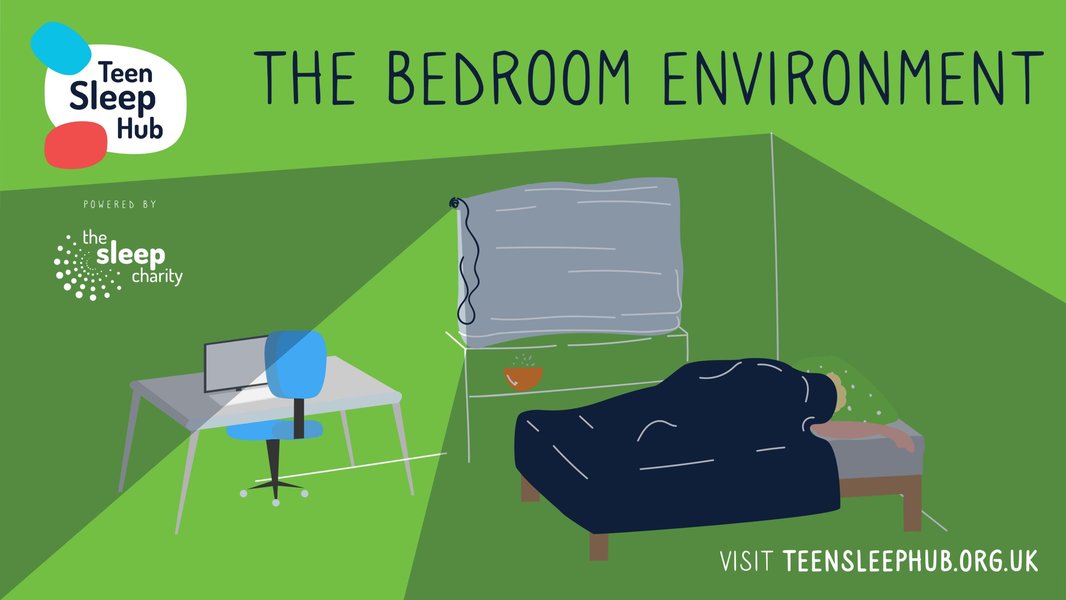
Creating a dark environment is key for better sleep.
Controlling Noise Levels
Excessive noise can easily disrupt sleep. Consider using earplugs or a white noise machine to block out disruptive sounds. White noise can create a consistent, soothing background sound that masks sudden noises.
Finding the Optimal Temperature
The temperature of your bedroom can significantly impact your sleep comfort. Most experts recommend a cooler temperature for sleep, typically between 60 and 67 degrees Fahrenheit (16 to 18 degrees Celsius). Your body temperature naturally decreases as you prepare for sleep, and a cool environment can facilitate this process.

A well-optimized bedroom environment promotes restful sleep.
Dietary and Lifestyle Considerations
What you consume and your daily activities can also influence your ability to sleep well.
Limiting Caffeine and Alcohol
Caffeine is a stimulant that can interfere with sleep, even when consumed several hours before bedtime. Avoid caffeine in the late afternoon and evening. While alcohol might initially make you feel drowsy, it can disrupt sleep later in the night, leading to fragmented rest.
Mindful Eating Before Bed
Avoid heavy meals close to bedtime. If you need a snack, opt for something light. Finishing eating 2-3 hours before sleep is generally recommended.
The Role of Physical Activity
Regular physical activity can improve sleep quality, but avoid intense exercise close to bedtime, as it can be stimulating. Gentle activities earlier in the day are more beneficial for sleep.
Establishing a Relaxing Bedtime Routine
A consistent bedtime routine signals to your body that it's time to wind down. This routine should involve relaxing activities that you find enjoyable and calming.
Ideas for Your Bedtime Ritual
-
Reading a book (a physical book, not on a screen)
-
Taking a warm bath or shower
-
Listening to calming music or a podcast
-
Practicing gentle stretching or yoga
-
Writing in a journal to release worries
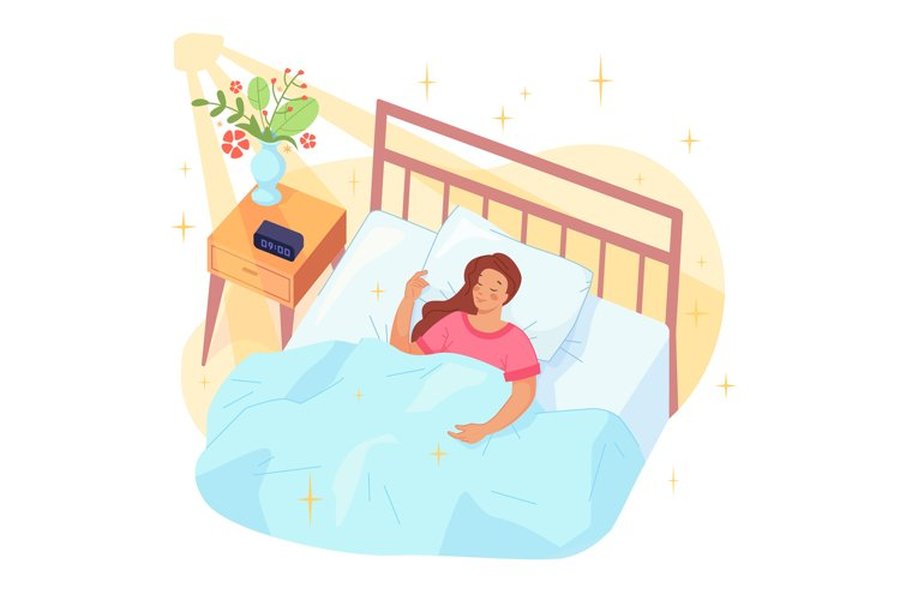
A peaceful morning begins with restful sleep.
Techniques to Fall Asleep Faster
Beyond good sleep hygiene, several specific techniques can help you drift off to sleep more quickly when you find yourself tossing and turning.
Breathing Exercises
Focused breathing techniques can help calm your nervous system and reduce anxiety, making it easier to fall asleep.
The 4-7-8 Method
The 4-7-8 breathing method is a popular technique for promoting relaxation and sleep. It involves inhaling for a count of four, holding your breath for a count of seven, and exhaling completely for a count of eight. Repeat this cycle several times. This method is believed to help slow your heart rate and calm your mind.
Mind-Calming Strategies
Turning off a "busy brain" is often essential for falling asleep. Several mental techniques can help achieve this.
Progressive Muscle Relaxation
Progressive muscle relaxation involves tensing and then releasing different muscle groups in your body. This practice can help you become more aware of physical tension and release it, promoting a sense of calm throughout your body.
Guided Imagery and Visualization
Guided imagery involves creating a peaceful mental scene in your mind. Focus on the sensory details of this scene – what you see, hear, smell, and feel. This can distract your mind from racing thoughts and induce a relaxed state.
Cognitive Techniques
Addressing the mental aspects of sleeplessness is also important.
Cognitive Shuffling
Cognitive shuffling is a technique that involves focusing your mind on a series of unrelated words. This can help break the cycle of anxious thoughts that keep you awake by diverting your cognitive resources to a low-effort task.
When You Can't Fall Asleep
If you find yourself unable to fall asleep after about 20 minutes, it's often counterproductive to stay in bed and become increasingly frustrated. Get out of bed and go to another room. Engage in a quiet, relaxing activity in dim light, such as reading, until you feel sleepy again. Return to bed only when you feel ready to sleep. This helps to strengthen the association between your bed and sleep.
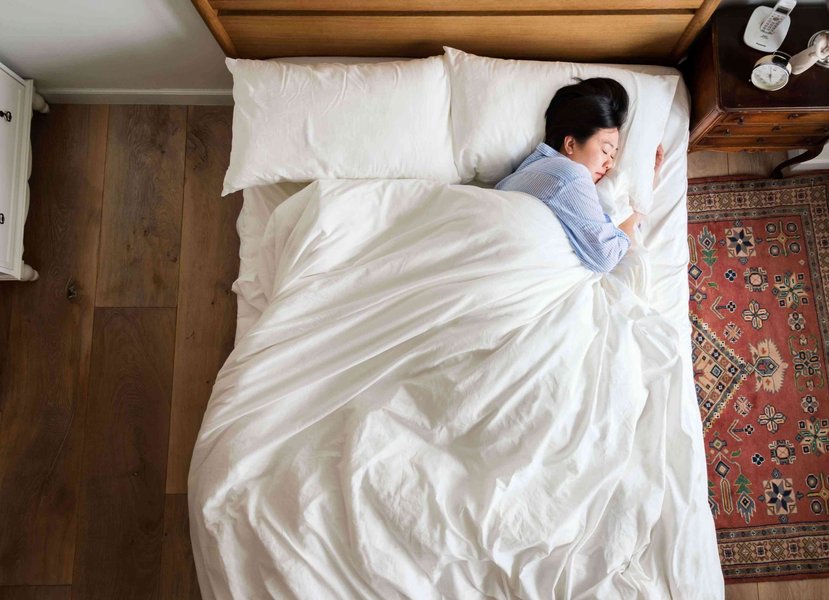
Understanding strategies for when sleep is elusive.
Exploring Additional Aids for Sleep
While lifestyle and behavioral changes are primary, some individuals may consider other options to support their sleep efforts.
Natural Sleep Aids
Some natural remedies are explored for their potential to aid sleep.
Melatonin Supplements
Melatonin is a hormone that helps regulate the sleep-wake cycle. Melatonin supplements are popular for sleep, although their effectiveness and regulation vary. It's important to note that the FDA does not regulate melatonin as a drug. If you choose to use melatonin, start with a low dose and consult with a healthcare professional.
Considering Medication
For persistent sleep problems, healthcare providers may recommend medication. These can include over-the-counter or prescription options. Sedative or hypnotic drugs are sometimes used, but it's crucial to discuss the potential benefits and risks with a doctor, as they may have side effects and are not a long-term solution for many individuals.
The Importance of Your Mattress and Bedding
The comfort and support provided by your mattress and pillows can significantly impact your sleep. Investing in a mattress and bedding that meet your personal needs can contribute to a more restful night.
Medium-firm mattresses are often recommended for promoting comfort and avoiding back pain, but the ideal choice is subjective and depends on individual preference.
The Power of Music and Sound
Listening to relaxing music or using white noise can help some individuals fall asleep by creating a calming auditory environment and masking disruptive sounds. Studies have shown that music can positively impact subjective sleep quality.
When to Seek Professional Help
While many sleep difficulties can be addressed through lifestyle changes and techniques, persistent insomnia or other sleep problems may require professional evaluation and treatment.
If you consistently struggle to fall asleep or stay asleep despite implementing good sleep hygiene and relaxation techniques, consult with a healthcare provider. They can help identify underlying causes of sleep problems and recommend appropriate treatments, such as cognitive behavioral therapy for insomnia (CBT-I) or other interventions.
Summary of Sleep Strategies
Here's a table summarizing some of the key strategies for improving sleep:
| Category | Strategies | Description |
|---|---|---|
| Sleep Hygiene | Consistent Sleep Schedule | Go to bed and wake up at the same time daily. |
| Optimized Bedroom Environment | Dark, quiet, and cool room. | |
| Avoid Stimulants | Limit caffeine and alcohol, especially before bed. | |
| Mindful Eating | Avoid heavy meals close to bedtime. | |
| Regular Exercise | Engage in physical activity, but not too close to sleep. | |
| Relaxing Bedtime Routine | Engage in calming activities before bed. | |
| Falling Asleep Faster | Breathing Exercises | Techniques like the 4-7-8 method. |
| Progressive Muscle Relaxation | Tensing and releasing muscle groups. | |
| Guided Imagery | Visualizing a peaceful scene. | |
| Cognitive Shuffling | Focusing on unrelated words. | |
| Get Out of Bed (if needed) | Leave the bedroom if unable to sleep after 20 minutes. | |
| Additional Aids | Natural Sleep Aids | Melatonin (with caution). |
| Medication | Discuss with a healthcare provider for persistent issues. | |
| Comfortable Mattress/Bedding | Ensure your sleep surface is supportive. | |
| Music and Sound | Relaxing music or white noise. |
Frequently Asked Questions About Sleep
How much sleep do adults need?
Most adults need around 7 or more hours of quality sleep per night. However, individual sleep needs can vary.
Are naps helpful or harmful for sleep?
Short naps (around 20 minutes) in the early afternoon can be beneficial for some people. However, long or frequent daytime naps can interfere with nighttime sleep, especially for those with insomnia.
Does screen time before bed really affect sleep?
Yes, the blue light emitted from electronic screens can suppress melatonin production, making it harder to fall asleep.
Can worrying about sleep make it harder to fall asleep?
Absolutely. The anxiety associated with trying too hard to fall asleep can create a cycle of wakefulness. Relaxation techniques and getting out of bed if you can't sleep can help break this cycle.
Learn More About Improving Your Sleep
Explore this video for additional insights on enhancing your sleep quality:
This video provides expert tips on how to sleep better and longer every night, covering various aspects of sleep health and practical strategies.
References
Last updated May 13, 2025