
How to Solve Hard Problems?
Mastering Strategies and Mindsets for Effective Problem-Solving
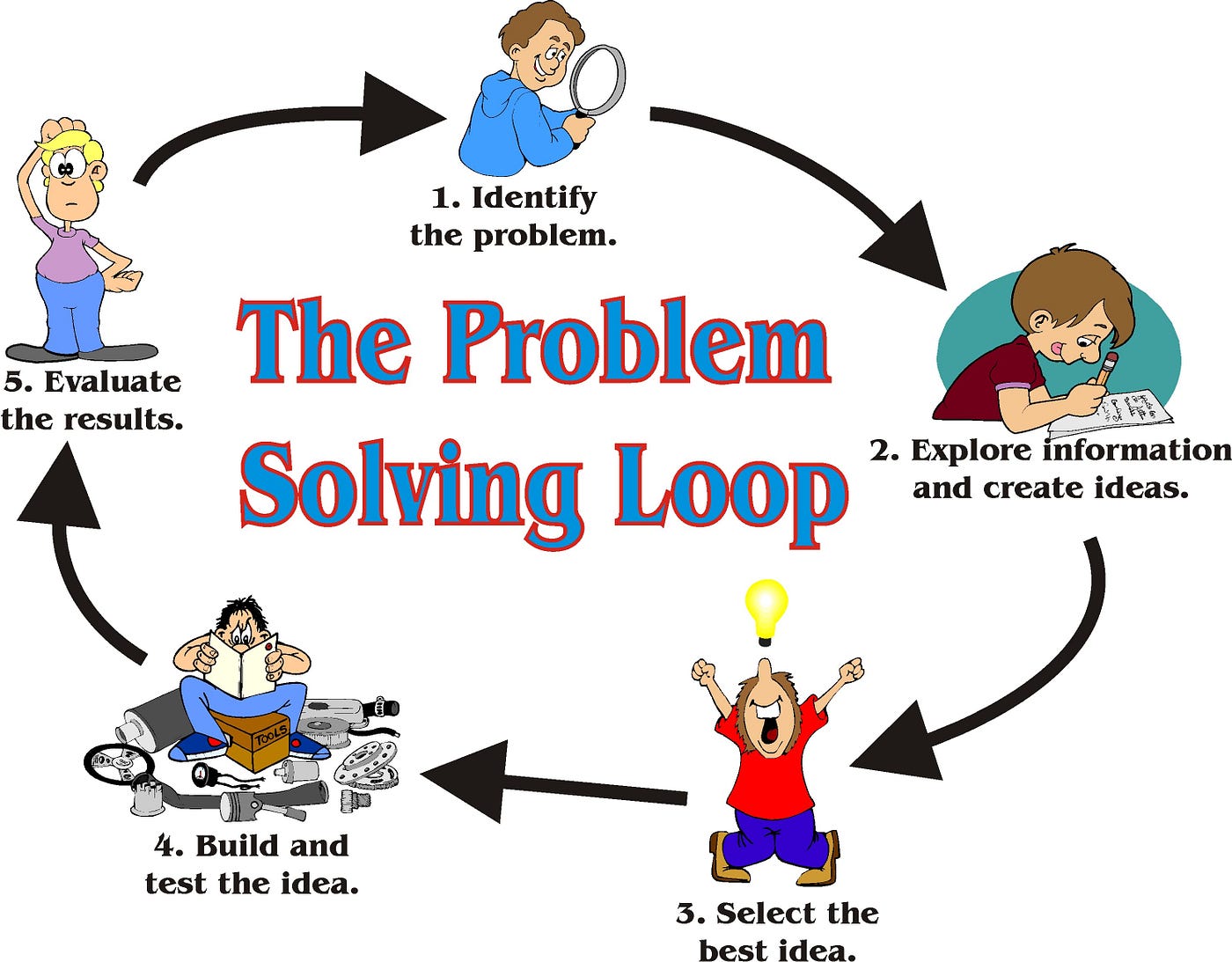
Key Takeaways
- Deep Understanding: Thoroughly grasp the problem by breaking it down and identifying its core components.
- Diverse Approaches: Utilize a combination of strategic thinking, collaboration, and creative methods to generate solutions.
- Iterative Process: Implement solutions incrementally, learn from failures, and continuously refine your approach.
1. Understand the Problem Thoroughly
a. Define the Problem Clearly
Begin by articulating the problem in clear and precise terms. Avoid vague definitions by specifying what the issue is, its scope, and its impact. A well-defined problem statement sets the foundation for effective problem-solving.
b. Break It Down
Decompose the problem into smaller, more manageable components. Identifying the sub-problems allows you to tackle each part systematically, making the overall challenge less overwhelming.
c. Identify Root Causes
Focus on understanding the underlying causes rather than just addressing the symptoms. Techniques like Root Cause Analysis (RCA) can help uncover the fundamental issues that need to be resolved.
d. Reframe the Problem
Sometimes, looking at the problem from a different perspective can reveal new insights. Reframing involves redefining the problem to explore alternative angles and potential solutions.
2. Gather Information and Resources
a. Research Extensively
Investigate similar problems and solutions that have been documented in the past. Utilize books, academic journals, online articles, and other reputable sources to expand your understanding of the issue.
b. Seek Expertise
Engage with individuals who have experience or expertise in the relevant field. Consulting with mentors, colleagues, or industry experts can provide valuable insights and shortcuts to potential solutions.
c. Utilize Tools and Frameworks
Leverage appropriate tools, frameworks, and methodologies that are pertinent to the problem at hand. This could include software applications, mathematical models, design thinking frameworks, or specific algorithms that aid in analysis and solution development.
3. Generate Multiple Solutions
a. Brainstorming
Engage in brainstorming sessions to generate a wide range of potential solutions. Encourage free-flowing ideas without immediate judgment to foster creativity and uncover innovative approaches.
b. Creative Thinking Techniques
Apply techniques such as inversion, lateral thinking, or analogical reasoning to explore unconventional solutions. These methods can help you think outside the box and approach the problem from unique angles.
c. Evaluate and Select
Assess the feasibility, viability, and potential impact of each proposed solution. Consider factors like resources required, time constraints, and possible risks to identify the most promising options to pursue further.
4. Develop a Plan
a. Prioritize Actions
Create a structured plan outlining the steps needed to implement the chosen solution. Prioritize tasks based on their importance and sequence to ensure a logical progression towards solving the problem.
b. Set Milestones
Establish clear milestones and checkpoints to monitor progress. These milestones help in tracking advancements and allow for adjustments to the plan as necessary.
c. Anticipate Challenges
Identify potential obstacles that may arise during implementation. Developing contingency plans for these challenges ensures that you are prepared to address them effectively without derailing the entire process.
5. Take Action and Iterate
a. Start Small
Begin by testing your solution on a smaller scale. This approach minimizes risk and allows you to refine the solution based on initial feedback and results before full-scale implementation.
b. Learn from Failure
Embrace failures as learning opportunities. Analyze what went wrong, understand the reasons behind the failure, and apply these lessons to improve your approach moving forward.
c. Iterate Continuously
Adopt an iterative process where you continuously refine and enhance your solution based on ongoing feedback and results. This method ensures that your solution evolves to better address the problem over time.
6. Build Problem-Solving Skills
a. Regular Practice
Consistently engage in solving a variety of problems to build your problem-solving intuition and confidence. Regular practice helps in honing analytical and critical thinking skills essential for tackling complex issues.
b. Learn from Experts
Study how experts in your field approach and solve problems. Analyzing their methodologies and strategies can provide valuable insights and techniques that you can incorporate into your own problem-solving toolkit.
c. Stay Curious
Foster a mindset of continuous learning and exploration. Curiosity drives you to seek out new knowledge and perspectives, which can lead to more effective and innovative solutions.
7. Maintain a Positive Mindset
a. Stay Calm
Maintaining composure in the face of challenging problems helps you think clearly and make rational decisions. Stress and anxiety can hinder your ability to solve problems effectively.
b. Be Persistent
Persistence is key to overcoming difficult problems. Even when solutions are not immediately apparent, continued effort and determination can lead to breakthroughs.
c. Celebrate Progress
Acknowledge and celebrate small victories along the way. Recognizing progress helps maintain motivation and reinforces a positive outlook.
8. Leverage Collaborative Problem-Solving
a. Seek Diverse Perspectives
Engage with individuals from different backgrounds and expertise areas. Diverse perspectives can offer fresh insights and alternative approaches that you might not have considered on your own.
b. Explain Your Problem to Others (“Rubber Ducking”)
Sometimes, simply explaining your problem aloud to someone else, or even an inanimate object, can help clarify your thoughts and reveal gaps in your understanding, leading to new ideas and solutions.
c. Crowdsource Ideas
Utilize forums, expert networks, or trusted teams to brainstorm potential solutions. Collaborative brainstorming can harness collective intelligence to generate more robust and creative solutions.
9. Adopt Creative Thinking Methods
a. Invert the Problem
Consider what it would look like to solve the opposite of your problem. This reverse-thinking strategy can spark innovative ideas and help you view the problem from a new angle.
b. Use Analogies and Metaphors
Draw parallels between your current problem and similar issues in different domains. Analogies and metaphors can provide new frameworks for understanding and solving the problem.
c. Experiment Freely
Encourage trial and error in exploring unconventional solutions. Allowing yourself the freedom to experiment can lead to unexpected and effective resolutions.
10. Apply Known Frameworks or Methodologies
a. Root Cause Analysis (RCA)
Utilize RCA tools like the 5 Whys, Ishikawa Diagrams, or Fault Tree Analysis to systematically identify the fundamental causes of the problem.
b. Systems Thinking
View the problem as part of a larger system to understand the interconnectedness and ripple effects of potential solutions. Systems thinking helps in recognizing how changes in one area can impact others.
c. SWOT Analysis
For problems involving decision-making, assess the strengths, weaknesses, opportunities, and threats related to each potential solution to make informed choices.
11. Utilize Technology and Tools
a. Computational Tools
Leverage software applications, simulations, and analytics tools to model scenarios, analyze data, and test theoretical solutions efficiently.
b. Online Resources and Forums
Explore online platforms and communities to find case studies, algorithms, and ideas that overlap with your problem. These resources can provide valuable insights and potential solutions.
c. Specialized Software
Use industry-specific software that can aid in analyzing and solving problems relevant to your field. For example, mathematical modeling software for technical problems or project management tools for strategic issues.
12. Make Use of Downtime and the Subconscious
a. Step Away and Reflect
After immersing yourself in the problem, take a break to allow your subconscious mind to process the information. Activities like walking, exercising, or engaging in unrelated tasks can lead to "aha" moments.
b. Incubation Period
Allowing time between focused problem-solving sessions can provide your brain with the opportunity to make connections and insights that are not immediately apparent during active thinking.
c. Mindfulness and Relaxation
Practices like meditation and mindfulness can enhance mental clarity and reduce stress, creating a conducive mental state for effective problem-solving.
13. Embrace Failure and Learn Iteratively
a. View Setbacks as Learning Opportunities
Understand that failures are integral to the problem-solving process. Analyze what went wrong, extract lessons, and apply them to improve your approach moving forward.
b. Document Progress and Lessons Learned
Maintain detailed records of your problem-solving journey, including successes, failures, and insights gained. This documentation serves as a valuable reference for future challenges.
c. Refine Goals and Hypotheses
Based on your experiences and outcomes, adjust your goals and hypotheses. This refinement ensures that your problem-solving efforts remain aligned with the desired objectives.
14. Stay Resilient and Patient
a. Cultivate Resilience
Develop the ability to recover quickly from setbacks and remain focused on the end goal. Resilience helps you maintain momentum even when faced with significant challenges.
b. Practice Patience
Recognize that solving hard problems often requires time and sustained effort. Patience ensures that you remain committed to finding a solution without becoming discouraged by delays or obstacles.
c. Internal Motivation
Keep reminding yourself of the importance and value of solving the problem. Strong internal motivation sustains your effort and dedication throughout the problem-solving process.
Recap and Conclusion
Solving hard problems is a multifaceted process that involves a combination of strategic thinking, creativity, collaboration, and resilience. By thoroughly understanding the problem, leveraging diverse approaches, and maintaining a positive and persistent mindset, you can effectively navigate and overcome even the most challenging issues. Remember to continually build your problem-solving skills, utilize available resources and tools, and embrace an iterative process that allows for continuous improvement and learning. With dedication and the right strategies, you can enhance your ability to solve hard problems and achieve meaningful outcomes.
References
Last updated January 22, 2025