
Unlock Your Inner Poet: A Comprehensive Guide to Crafting Verse
Step-by-step techniques to find inspiration, structure your thoughts, and write powerful poems.
Highlights
- Find Your Spark: Discover inspiration in everyday life, memories, emotions, or observations, and use brainstorming techniques to gather ideas.
- Master Poetic Language: Learn to use vivid imagery, sensory details, metaphors, similes, and rhythm to make your poems engaging and impactful.
- Refine Your Craft: Understand the importance of drafting without judgment, revising critically by reading aloud, tightening language, and seeking feedback.
What is Poetry?
Poetry is a unique form of writing where language is used for its aesthetic and evocative qualities in addition to, or instead of, its straightforward meaning. It often uses condensed language, relying on rhythm, imagery, and emotional resonance to create an impact. Poems can explore virtually any subject – love, loss, nature, social issues, a specific person, a fleeting moment, or a deep question. It's a versatile art form that doesn't always need to rhyme or follow strict rules, allowing for immense creative freedom.
Step-by-Step Guide to Writing Your Poem
Embarking on your poetry writing journey can be exciting. Whether you're a beginner or looking to hone your skills, this structured approach, combining insights from various poetry resources, will guide you from initial idea to finished piece.
1. Find Your Spark: Choosing a Topic or Theme
Every poem begins with an idea or feeling. Choose something that genuinely moves or interests you, as this passion will fuel your writing.
Brainstorming Techniques
If you're unsure where to start, try these brainstorming methods:
- List Making: Divide a page into categories like "People and places I love," "Things I enjoy doing," "Questions I have about the world," or "Strong memories." Jot down several ideas for each.
- Sensory Exploration: Think about a specific object, place, or experience. What does it look, sound, smell, taste, and feel like? List these sensory details.
- Mind Mapping: Start with a central word (e.g., "Ocean") and branch out with related words, feelings, and images.
- Prompts: Use external prompts, like describing a favorite meal and its associations or listening to a piece of music and writing down the emotions or memories it evokes.
Consider Your Purpose
Think about why you want to write this poem. Is it for personal expression, to share with friends, for a class, or perhaps to perform? Knowing your audience and purpose can help shape the tone and style of your poem.
2. Unleash Your Thoughts: Brainstorming and Freewriting
Once you have a topic, let your thoughts flow freely onto the page without worrying about grammar, structure, or perfection. This is about generating raw material.
Generating Raw Material
Set a timer for 10-15 minutes and write continuously about your chosen topic. Don't censor yourself. Write down words, phrases, sentences, images, and questions as they come to mind. This process can uncover surprising connections and potent language.
Using Prompts Effectively
Revisit your brainstorming lists or sensory details. Expand on them during your freewriting session. If writing about a memory, try to recall specific details – the color of the light, the expression on someone's face, a particular sound.
3. Shape Your Creation: Choosing a Form
While poems don't need a rigid structure, choosing a form can provide a helpful framework. Consider how the form might enhance your poem's theme or feeling.
Understanding Poetic Forms
Here are a few common forms:
- Free Verse: Doesn't follow a consistent rhyme scheme, metrical pattern, or musical form. It offers flexibility and is great for beginners.
- Sonnet: A 14-line poem, often in iambic pentameter, with specific rhyme schemes (e.g., Shakespearean, Petrarchan). Traditionally used for themes of love or contemplation.
- Haiku: A Japanese form with three phrases composed of 17 syllables in a 5, 7, 5 pattern. Often focuses on nature or fleeting moments.
- Limerick: A five-line poem with a specific rhyme scheme (AABBA) and rhythm, often humorous.
- Ode: A lyric poem, typically addressing and celebrating a particular subject (person, object, event, or idea).
- Elegy: A poem of serious reflection, typically a lament for the dead.
The table below provides a quick comparison of some common forms:
| Form | Key Characteristics | Common Themes | Flexibility |
|---|---|---|---|
| Free Verse | No fixed meter or rhyme scheme; relies on natural speech rhythms and imagery. | Any | High |
| Sonnet | 14 lines, specific rhyme scheme (e.g., ABAB CDCD EFEF GG), often iambic pentameter. | Love, beauty, mortality, reflection | Low (requires adherence to structure) |
| Haiku | Three lines, 5-7-5 syllable structure. | Nature, seasons, fleeting moments | Medium (strict syllable count, thematic focus) |
| Ode | Addresses and often praises a subject; can vary in length and structure. | Praise, celebration, deep reflection | Medium to High |
| Elegy | Mournful or reflective poem, often lamenting death. | Loss, grief, remembrance, mortality | Medium (thematic focus, tone) |
Form Follows Function
Choose a form that serves your poem's message. A tight structure like a sonnet might suit a focused argument or emotion, while free verse allows for more expansive or conversational exploration. Don't feel constrained; you can adapt forms or invent your own.
4. Paint with Words: Using Poetic Language
Poetry thrives on evocative language. Focus on making your words precise, sensory, and imaginative.
Imagery and Sensory Details (Show, Don't Tell)
Instead of stating an emotion ("I was sad"), describe the physical sensations or scene that convey sadness ("Tears traced cold paths down my cheeks," "The room felt heavy, dust motes dancing in the single beam of light"). Engage all five senses: What can be seen, heard, smelled, tasted, and touched in your poem's world?
Figurative Language
Use literary devices to add depth and richness:
- Metaphor: A direct comparison between two unlike things (e.g., "Her laughter was a melody").
- Simile: A comparison using "like" or "as" (e.g., "The clouds drifted like lazy sheep").
- Personification: Giving human qualities to inanimate objects or abstract ideas (e.g., "The wind whispered secrets through the trees").
- Symbolism: Using an object or idea to represent something else (e.g., a dove symbolizing peace).
Aim for fresh, original comparisons rather than clichés.
Rhythm and Sound Devices
Consider the music of your language:
- Rhythm/Meter: The pattern of stressed and unstressed syllables. Even free verse has rhythm.
- Rhyme: Can add musicality, but isn't necessary. Explore end rhyme, internal rhyme, or near rhyme (slant rhyme).
- Alliteration: Repetition of initial consonant sounds (e.g., "Peter Piper picked").
- Assonance: Repetition of vowel sounds (e.g., "the light of the fire is a sight").
- Consonance: Repetition of consonant sounds within or at the end of words (e.g., "pitter-patter").
5. The First Strokes: Writing Your Draft
Now, assemble your brainstormed ideas, chosen form (if any), and linguistic tools into a first draft.
Getting Ideas Down
Start writing, line by line. Don't worry if the first line isn't perfect; you can always come back to it. Let the poem unfold organically, drawing from your freewriting and chosen imagery.
Don't Aim for Perfection Yet
The goal of the first draft is completion, not perfection. Allow yourself to write messy, imperfect lines. Silence your inner critic and focus on expressing your core idea or feeling. Write as if no one else will read it to maintain authenticity.
6. Polish and Refine: The Art of Revision
Revision is where the poem truly takes shape. Step away from your draft for a while (hours or days) to gain fresh perspective before editing.
Reading Aloud
Read your poem aloud multiple times. This helps you hear the rhythm, catch awkward phrasing, identify unnecessary words, and assess the overall flow and sound.
Tightening Language (Conciseness)
Poetry often benefits from economy of language. Cut out words, phrases, or even entire lines that don't contribute significantly to the poem's meaning or impact. Is every word pulling its weight? Can you express an idea more vividly or concisely?
Seeking Feedback
Share your poem with trusted readers, a writing group, or a mentor. Ask specific questions about clarity, emotional impact, or areas where the poem feels weak. Be open to constructive criticism, but remember that you have the final say on your work.
Exploring Key Poetic Elements for Beginners
When starting out, it can be helpful to visualize which aspects of poetry might require more focus. The radar chart below offers an opinionated perspective on the relative importance of key elements for a beginner poet aiming to create impactful work. Elements rated higher suggest areas where deliberate effort can yield significant improvements early on.
As the chart suggests, focusing on creating strong Imagery & Sensory Detail and conveying genuine Emotional Honesty can make a beginner's poem compelling. Precise Word Choice and achieving a natural Rhythm & Flow are also crucial. While understanding Form & Structure and using Figurative Language are important, developing a core ability to observe, feel, and express authentically often provides the strongest foundation.
Visualizing the Poetic Process
The journey of writing a poem can be visualized as a cyclical process involving several key stages. This mind map outlines the typical flow from initial inspiration to the final revised piece.
This mind map illustrates that while the steps are presented sequentially, writing is often a recursive process. You might revisit earlier stages—finding new inspiration while drafting, or rethinking the form during revision.
Inspiration in Action: Learning from Others
Hearing poets discuss their craft can be incredibly insightful. This video provides practical tips and perspectives on how to approach writing a poem, potentially demystifying the process and offering encouragement.
A helpful guide discussing the initial steps and mindset for writing poetry.
Watching experienced writers share their methods, like in the video above, reinforces key concepts such as starting with inspiration, the non-necessity of complex brainstorming for some, and focusing on genuine expression. It highlights that there isn't one single "correct" way to write a poem.
Essential Tips for Aspiring Poets
Read Widely and Deeply
One of the best ways to learn about poetry is to read it. Explore different poets, styles, and eras. Pay attention to how they use language, form, and imagery. Reading poetry can spark inspiration and expose you to techniques you might want to try.
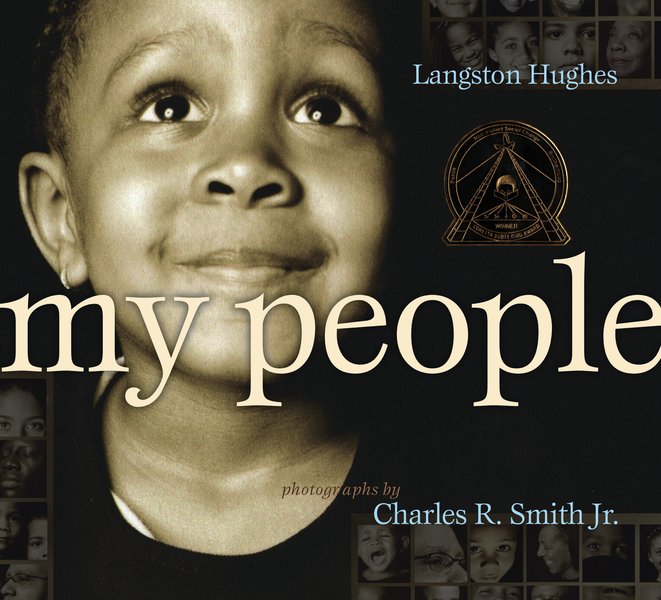
Reading works by influential poets like Langston Hughes can provide inspiration and insight into powerful poetic expression.
Embrace Imperfection
Don't let the fear of writing something "bad" stop you from writing at all. Give yourself permission to experiment and make mistakes. Every writer produces rough drafts. The important thing is to start and keep practicing.
Rhyme Isn't Everything
Many beginners feel pressured to make their poems rhyme. While rhyme can be effective, it's not a requirement for poetry. Focus on clear expression, strong imagery, and emotional truth rather than forcing rhymes that might sound unnatural or detract from your meaning.
Find Your Unique Voice
Your perspective, experiences, and way of seeing the world are unique. Let your authentic voice shine through in your writing. Don't try to imitate other poets excessively; learn from them, but cultivate your own style.
Practice Consistently
Like any skill, writing poetry improves with practice. Try to write regularly, even if it's just for a few minutes each day. Experiment with different forms, topics, and techniques to continually develop your craft.
Frequently Asked Questions
Do poems have to rhyme?
No, poems absolutely do not have to rhyme. While rhyming is a common feature in some traditional forms (like sonnets or limericks), much contemporary and historical poetry is written in free verse, which does not adhere to a strict rhyme scheme or metrical pattern. Focus on vivid language, imagery, rhythm, and emotional impact rather than forcing rhymes.
What's the difference between free verse and other forms?
Free verse poetry lacks a consistent meter, rhyme scheme, or stanza length, relying instead on natural speech rhythms, line breaks, and imagery for its structure and effect. Other poetic forms, like sonnets, haikus, villanelles, or sestinas, have specific rules regarding line count, meter, rhyme scheme, and sometimes syllable count or repetition patterns. Free verse offers more flexibility, while formal verse provides structure and challenges the poet to work within constraints.
How long should my poem be?
There's no set length for a poem. Poems can range from just a few words (like some minimalist poems) or lines (like a haiku) to epic poems spanning hundreds of pages. The appropriate length depends on the subject matter, the chosen form, and the poet's intention. Focus on conveying your message effectively and concisely, rather than aiming for a specific length. Quality over quantity is often key.
Where can I find inspiration for my poems?
Inspiration can come from anywhere! Pay attention to your surroundings, emotions, memories, dreams, relationships, current events, nature, art, music, or even intriguing words or phrases you encounter. Reading other poets' work is also a fantastic source of inspiration. Try carrying a notebook to jot down ideas as they arise throughout your day.
How do I know when my poem is finished?
Knowing when a poem is "finished" can be subjective. Generally, a poem might be considered finished when you feel it effectively conveys its intended meaning or emotion, the language feels precise and impactful, the rhythm flows well, and further edits don't seem to improve it (or even weaken it). Reading it aloud and getting feedback can help determine if it resonates as intended. Sometimes, setting it aside for a while and returning later provides clarity.
Recommended Next Steps
- Explore different types of poetic forms beyond free verse.
- Learn about common literary devices used in poetry with examples.
- Find famous poems about nature for inspiration.
- Tips for overcoming writer's block when writing poetry.
References
Last updated May 5, 2025