
Crafting a Compelling Problem Statement
A Guide to Defining and Communicating Challenges Effectively
An effective problem statement is a fundamental tool in various fields, from business and project management to academic research. It serves as a clear and concise explanation of an issue that needs to be addressed, providing context, highlighting its relevance, and outlining the desired outcome. Developing a well-written problem statement is crucial for focusing efforts, gaining support from stakeholders, and guiding the problem-solving process towards effective solutions.
Key Highlights of an Effective Problem Statement
- Clarity and Conciseness: A strong problem statement gets straight to the point, avoiding jargon and unnecessary details to ensure everyone understands the issue.
- Context and Impact: It effectively sets up the background of the problem and explains its significance and consequences if left unresolved.
- Focus on the Problem, Not the Solution: An effective statement defines the issue without proposing specific solutions or assigning blame, keeping the focus on understanding the core challenge.
Understanding the Purpose of a Problem Statement
At its core, a problem statement articulates "what is not working" or "what is going wrong" within a specific context. It's not merely a description of a negative situation, but rather a structured way to present a challenge that requires attention and action. Its purpose is multi-faceted:
Defining the Issue
A problem statement helps to precisely define the nature of the problem. By clearly articulating the issue, it eliminates ambiguity and ensures everyone involved has a shared understanding of what needs to be addressed. This is the crucial first step before brainstorming or implementing solutions.
Establishing Relevance and Importance
Beyond simply stating the problem, a problem statement explains *why* the problem is important. It highlights the impact on individuals, teams, organizations, or even broader communities. This can involve outlining the consequences of inaction, such as financial losses, decreased productivity, reduced morale, or missed opportunities. Data and observations are often used to support the claims of relevance.

Colleagues collaborating on a problem statement to define an issue.
Guiding the Solution Process
While a problem statement avoids proposing solutions, it implicitly guides the search for them. By clearly defining the gap between the current state and the desired future state, it provides a direction for brainstorming and developing potential resolutions. A well-crafted statement acts as a compass for problem-solving efforts.
Facilitating Communication and Collaboration
Problem statements are powerful communication tools. They allow individuals and teams to clearly articulate the challenge to stakeholders, including managers, clients, or colleagues. This shared understanding fosters collaboration and helps to garner support and resources for addressing the problem.
Key Components of a Comprehensive Problem Statement
While the specific structure of a problem statement can vary depending on the context, several key components are commonly included to ensure its effectiveness:
Current State
This section describes the situation as it currently exists. It should be based on facts, data, and observations, providing a clear picture of the problem's reality. It answers questions like: What is happening? Who is affected? Where is it happening? When did it start or when is it occurring?
Problem Description
This is the core of the statement, explicitly defining the issue. It should be a clear and concise explanation of what is going wrong or the challenge being faced. Avoid language that assigns blame or suggests solutions at this stage.
Consequences or Impact
This part outlines the negative effects of the problem. It explains why the problem matters and what will happen if it is not resolved. Quantifiable data on the impact (e.g., cost, time lost, customer dissatisfaction) can significantly strengthen this section.
Desired Future State or Goal
This describes the ideal situation or the desired outcome once the problem is solved. It paints a picture of what success looks like. This component provides a target for the problem-solving efforts.
Proposal or Call to Action (Optional)
In some problem statements, particularly in business contexts, a brief proposal for the next steps or a call to action might be included. This outlines how the problem will be addressed or what is needed to move forward.
Step-by-Step Guide to Writing a Problem Statement
Crafting an effective problem statement involves a systematic approach. Here's a step-by-step guide:
Step 1: Identify and Define the Problem
Begin by clearly identifying the issue you want to address. What is the discrepancy between the current situation and the desired situation? Try to articulate the problem in a single sentence initially.
Step 2: Gather Information and Context
Collect data, observations, and feedback related to the problem. Use the 5 Ws (Who, What, Where, When, Why) to gather comprehensive information. Understand the background and the factors contributing to the problem.
Step 3: Determine the Root Cause (if applicable)
While the problem statement shouldn't propose solutions, understanding the underlying causes of the problem can help in framing the issue accurately. Techniques like the "5 Whys" can be useful here.
Step 4: Describe the Impact
Clearly articulate the consequences of the problem. Quantify the impact whenever possible to emphasize its significance.
Step 5: Define the Desired Outcome
State what the situation should look like once the problem is resolved. This sets the goal for the problem-solving process.
Step 6: Draft the Problem Statement
Combine the information gathered in the previous steps into a cohesive statement. Ensure it is clear, concise, and easy to understand.
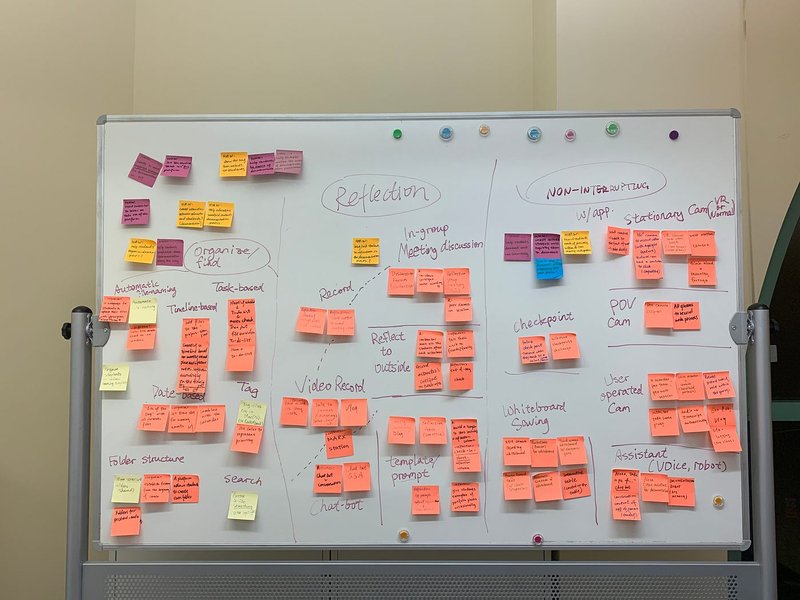
Visual representation of problem statement components on a whiteboard.
Step 7: Refine and Iterate
Review your problem statement. Is it clear? Does it accurately reflect the problem? Does it highlight the impact? Get feedback from others to ensure it resonates and is understood by your intended audience. Be prepared to revise and refine it.
Examples of Problem Statements
Here are a few examples illustrating different types of problem statements:
Business Problem Statement Example
Current State: The average customer service on-hold time for our company exceeds five minutes during peak hours.
Problem: Excessive customer service hold times are leading to increased customer frustration and a higher rate of call abandonment.
Impact: This results in decreased customer satisfaction, negative online reviews, and potentially lost business, estimated to cost the company X amount annually.
Desired Future State: Reduce average customer service on-hold time to under two minutes during peak hours.
Research Problem Statement Example
Context: Despite the growing prevalence of remote work, there is limited research on the long-term effects of social isolation on employee mental well-being in this setting.
Problem: The lack of understanding regarding the impact of social isolation in remote work hinders the development of effective strategies to support employee mental health.
Significance: This research is significant because it will provide insights into the specific challenges faced by remote workers and inform the creation of interventions to mitigate negative mental health outcomes, ultimately improving employee well-being and productivity.
Project Management Problem Statement Example
Current Situation: The current process for submitting expense reports is manual and requires multiple physical approvals, leading to significant delays in reimbursement.
Problem: The inefficient expense report submission process causes frustration among employees and creates administrative bottlenecks for the finance department.
Consequences: This delay impacts employee morale and ties up administrative resources unnecessarily.
Desired Outcome: Implement a streamlined, digital expense report submission and approval system to reduce processing time and improve efficiency.
Common Pitfalls to Avoid
When writing a problem statement, be mindful of these common mistakes:
-
Including Solutions: The problem statement should focus on defining the problem, not suggesting how to fix it.
-
Assigning Blame: Avoid language that points fingers. The goal is to understand the issue objectively.
-
Being Too Vague: A problem statement needs to be specific. Avoid broad or generalized statements.
-
Focusing on Symptoms, Not Root Causes: Ensure you are addressing the underlying problem, not just its surface-level effects.
-
Lack of Data or Evidence: Back up your problem statement with facts and data to demonstrate its validity and importance.
FAQ
Should a problem statement be a question?
While a problem statement identifies an issue that might be framed by a question during the initial thinking process, the statement itself is typically a declarative sentence or short paragraph that clearly articulates the problem, rather than posing a question. Research questions often stem from the problem statement.
How long should a problem statement be?
The length of a problem statement can vary, but it should be concise and to the point. Typically, it ranges from a few sentences to a short paragraph or two. The goal is clarity and impact, not length.
What is the difference between a problem statement and a research question?
A problem statement describes the issue or gap that your research aims to address. A research question is a specific question that your research will attempt to answer in order to solve the problem.
This video provides insights into writing a research problem statement and identifying a research gap.
Summary Table: Key Elements of a Problem Statement
| Component | Description | Purpose |
|---|---|---|
| Current State | Describes the situation as it is now, based on facts and data. | Provides context and a baseline for the problem. |
| Problem Description | Clear and concise explanation of the issue. | Defines the core challenge to be addressed. |
| Consequences/Impact | Outlines the negative effects of the problem. | Explains why the problem is important and needs solving. |
| Desired Future State/Goal | Describes the ideal outcome after the problem is resolved. | Sets the target for problem-solving efforts. |
References
Last updated May 5, 2025