
Comprehensive Guide to Writing a Proper Resume
Craft a standout resume that effectively showcases your qualifications and secures job interviews.
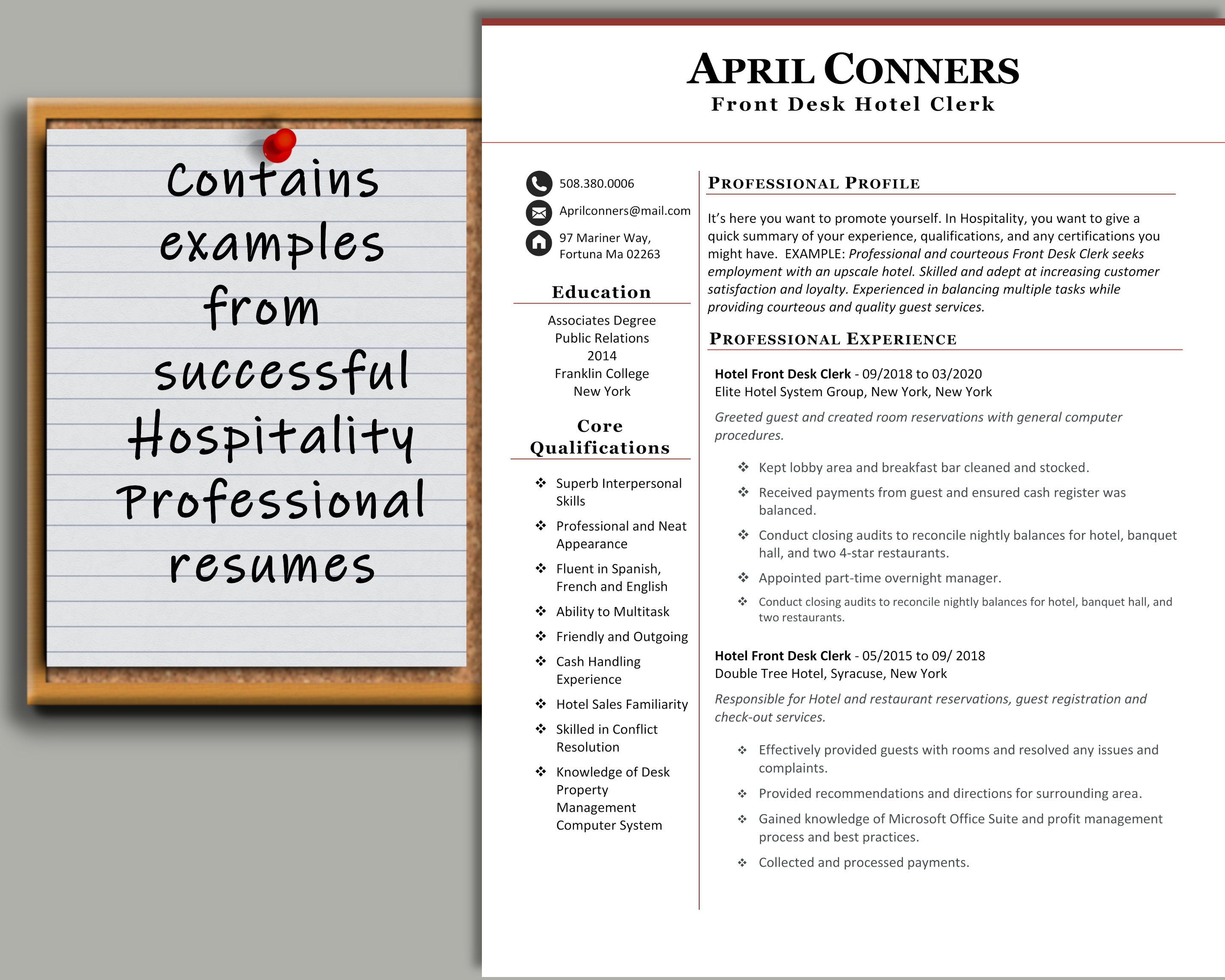
Key Takeaways
- Choose the Right Format: Select a resume format that best highlights your strengths and aligns with your career goals.
- Tailor Your Resume: Customize your resume for each job application by incorporating relevant keywords and emphasizing pertinent skills and experiences.
- Focus on Clarity and Professionalism: Maintain a clean and consistent design, use action-oriented language, and ensure your resume is free from errors.
1. Choose the Right Resume Format
Selecting the appropriate resume format is essential as it dictates how your information is presented to potential employers. The three primary formats are:
a. Reverse-Chronological Format
This is the most common and widely accepted format. It lists your work experience starting with the most recent position, making it ideal for those with a consistent and progressive career history.
b. Functional Format
Focuses on your skills and competencies rather than your work history. This format is particularly beneficial for career changers, individuals with significant gaps in employment, or those with diverse experiences that don't follow a linear progression.
c. Combination (Hybrid) Format
Integrates elements of both reverse-chronological and functional formats. It allows you to highlight your skills while still providing a chronological overview of your work experience, offering a balanced approach suitable for various career paths.
2. Include Essential Contact Information
Your contact information should be prominently displayed at the top of your resume, ensuring employers can easily reach you. Ensure the following details are included:
- Full Name: Use your legal name to maintain professionalism.
- Professional Email Address: Utilize a clear and professional email address, preferably in the format firstname.lastname@example.com.
- Phone Number: Provide a reliable phone number where you can be contacted.
- LinkedIn Profile or Portfolio Link: Include links to your professional online profiles or portfolios if they add value to your application.
- Location: Mention your city and state. Avoid including personal details such as age, marital status, or a full address.
3. Write a Professional Summary or Objective
This section serves as a brief introduction, highlighting your career achievements, skills, and goals. Choose between a professional summary or an objective based on your career stage:
a. Professional Summary
A concise overview (2-3 sentences) that encapsulates your career highlights, key skills, and what you bring to the prospective employer.
Example: “Results-driven marketing professional with over 5 years of experience in increasing brand engagement and driving sales growth through innovative strategies.”
b. Objective Statement
Aimed at entry-level candidates or those shifting careers, this statement outlines your career goals and how they align with the position you’re applying for.
Example: “Seeking a digital marketing associate role to leverage my skills in content creation and analytics to drive impactful campaigns.”
4. Detail Your Work Experience
Your work experience is a critical component of your resume, providing evidence of your capabilities and accomplishments. Follow these guidelines to effectively present this section:
- Job Title: Clearly state your role in each position held.
- Company Name and Location: Include the name of the employer and the city, state where you worked.
- Dates of Employment: Use the format "Month Year – Month Year" to denote your tenure.
- Responsibilities and Achievements:
- Use bullet points to describe your duties and accomplishments.
- Begin each bullet with a strong action verb (e.g., "Managed," "Developed," "Increased").
- Quantify achievements where possible (e.g., "Increased sales by 20%," "Managed a $500,000 budget").
- Focus on Recent Experience: Highlight roles from the last 10-15 years to ensure relevance.
5. Highlight Your Education
Present your educational background, emphasizing qualifications that are pertinent to the job you’re applying for:
- Degree(s) Earned: Start with your highest degree first.
- Institution Name: Include the full name of the school or university.
- Graduation Date: Use the format "Month Year."
- Relevant Coursework or Honors: Mention any coursework or honors that strengthen your application, especially if you’re a recent graduate.
Example Education Section
Master of Business Administration (MBA)
Harvard University, Cambridge, MA
Graduated: May 2023
- Relevant Coursework: Strategic Management, Marketing Analytics
- Honors: Dean’s List
6. List Relevant Skills
Detail both hard and soft skills that are relevant to the job, ensuring alignment with the job description:
- Hard Skills: Technical or job-specific skills such as “Proficient in Python,” “Certified Project Manager,” or “SEO Optimization.”
- Soft Skills: Interpersonal or transferable skills like “Team Leadership,” “Effective Communication,” or “Problem-Solving.”
- Use Keywords: Incorporate keywords from the job posting to enhance ATS compatibility.
Example Skills Section
Technical Skills: Java, SQL, Project Management, Data Analysis
Interpersonal Skills: Leadership, Communication, Team Collaboration, Time Management
7. Include Additional Sections (Optional)
These sections can provide a more comprehensive view of your qualifications and experiences:
- Certifications: List any relevant certifications with dates (e.g., “Certified Scrum Master, 2024”).
- Volunteer Work: Highlight volunteer experiences that demonstrate relevant skills or commitment.
- Languages: Mention any languages you speak, especially if they are pertinent to the job.
- Projects: Include notable projects that showcase your expertise and achievements.
- Awards: List any awards or recognitions that bolster your professional profile.
Example Additional Sections
Certifications:
- Certified Data Analyst, Data Science Institute, 2024
- AWS Certified Solutions Architect, Amazon Web Services, 2023
Volunteer Work:
- Marketing Volunteer, Local Non-Profit Organization, 2022-2023
- Tutor, Community Education Center, 2021-2022
8. Tailor Your Resume for Each Job
Customization is key to making your resume stand out. Here’s how to effectively tailor your resume:
- Analyze the Job Description: Identify the key skills, experiences, and qualifications required for the position.
- Incorporate Relevant Keywords: Use the language and keywords from the job posting to enhance ATS compatibility.
- Highlight Pertinent Experiences: Emphasize roles and achievements that are directly related to the job you’re applying for.
- Adjust Your Professional Summary/Objectives: Align your introduction with the specific role and company.
Example Tailoring
If applying for a Digital Marketing Manager position, ensure your resume highlights experiences such as:
- Developing digital marketing strategies
- Managing SEO and SEM campaigns
- Utilizing analytics tools to measure campaign effectiveness
- Leading a team of marketing professionals
9. Design and Formatting
A visually appealing and well-structured resume can significantly impact the first impression you make. Follow these best practices:
- Font Selection: Use clean, professional fonts such as Arial, Calibri, or Times New Roman, sized between 10–12 pt.
- Consistent Formatting: Maintain uniform formatting for headings, bullet points, and dates throughout the document.
- Margins: Keep margins between 0.5–1 inch to ensure readability.
- Bullet Points: Utilize bullet points instead of paragraphs to enhance clarity and readability.
- Length: Limit your resume to 1 page if you have less than 10 years of experience. Experienced professionals may extend to 2 pages.
- White Space: Ensure adequate white space to avoid a cluttered appearance.
- File Format: Save and send your resume as a PDF to preserve formatting, unless otherwise specified by the employer.
- File Naming: Use a clear and professional file name, such as "John_Doe_Resume.pdf".
Example of a Well-Formatted Resume
John Doe
johndoe@example.com | (123) 456-7890 | LinkedIn: linkedin.com/in/johndoe | City, State
Professional Summary
Results-driven marketing professional with over 5 years of experience in increasing brand engagement and driving sales growth through innovative strategies.
Work Experience
Marketing Manager
XYZ Company, City, State | June 2020 – Present
- Developed and implemented digital marketing strategies, resulting in a 25% increase in website traffic.
- Managed a team of 5 marketing specialists.
- Coordinated SEO and SEM campaigns, boosting lead generation by 30%.
10. Proofread and Edit
Ensuring your resume is free from errors is crucial for maintaining professionalism. Follow these steps to perfect your document:
- Spelling and Grammar: Use tools like Grammarly or engage a professional to check for mistakes.
- Consistency: Ensure uniformity in formatting, such as font sizes, bullet points, and date formats.
- Clarity: Read your resume aloud to catch awkward phrasing or unclear statements.
- Accuracy: Verify all dates, job titles, and company names are correct.
- Peer Review: Have a friend, mentor, or career counselor review your resume and provide feedback.
Common Mistakes to Avoid
- Including personal information such as age, marital status, or a photograph.
- Using vague or generic phrases like “Responsible for” instead of demonstrating specific achievements.
- Overloading the resume with too much information, making it difficult to read.
- Using inconsistent formatting or fonts.
- Submitting resumes with typos or grammatical errors.
11. Utilize Data and Metrics
Quantifying your achievements provides tangible evidence of your capabilities and impact:
- Increase in Sales: “Increased sales by 20% within six months through targeted marketing campaigns.”
- Cost Reduction: “Reduced department costs by $10,000 annually through efficient resource management.”
- Project Management: “Managed a $500,000 budget for a project that was completed two weeks ahead of schedule.”
Benefits of Using Metrics
- Provides context to your accomplishments.
- Helps employers understand the scope and scale of your work.
- Makes your achievements more memorable and impactful.
12. Optimize for Applicant Tracking Systems (ATS)
ATS software scans resumes for keywords and formatting compatibility. To ensure your resume passes these systems:
- Use Standard Section Headings: Stick to conventional headings like “Work Experience,” “Education,” and “Skills.”
- Incorporate Relevant Keywords: Include terms and phrases from the job description that match your experiences and skills.
- Avoid Complex Formatting: Refrain from using tables, graphics, or unusual fonts that may confuse the ATS.
- Simple File Formats: Submit your resume in common formats such as PDF or DOCX unless specified otherwise.
ATS Optimization Tips
- Match your terminology with the job posting.
- Use bullet points for easy scanning.
- Ensure all important information is in text format, not images.
13. Create a Matching Cover Letter
While not part of the resume itself, a tailored cover letter complements your resume by expanding on your qualifications and demonstrating your enthusiasm for the role:
- Personalization: Address the cover letter to a specific person if possible.
- Introduction: Briefly introduce yourself and state the position you’re applying for.
- Body: Highlight key accomplishments and experiences that make you a strong candidate.
- Conclusion: Express your eagerness to contribute and request an interview.
- Tone: Maintain a professional and positive tone throughout.
Example Cover Letter Structure
Dear [Hiring Manager’s Name],
I am excited to apply for the Digital Marketing Manager position at [Company Name]. With over five years of experience in developing data-driven marketing strategies, I have successfully increased brand engagement and driven significant sales growth. At XYZ Company, I led a team that implemented SEO and SEM campaigns, resulting in a 25% increase in website traffic and a 30% boost in lead generation.
I am eager to bring my expertise in digital marketing and team leadership to [Company Name], contributing to your continued success. I look forward to the opportunity to discuss how my background and skills align with your needs.
Sincerely,
John Doe
14. References
For further reading and additional tips on crafting an effective resume, refer to the following resources:
- How To Make a Comprehensive Resume (With Examples) - Indeed
-
How to Write a Resume in 2025 (Examples & Guide) - My Perfect Resume
-
How to Make a Resume for a Job in 2025 - Resume Genius
- How to Write a Resume That Stands Out - Harvard GSD
- How to Write a Good Resume - Job Bank
- How to Write a Resume Guide - Novorésumé
- Top Resume Writing Tips - Business News Daily
- Resume Writing Tips - Upwork
These resources provide comprehensive guides and examples to help you refine your resume and increase your chances of landing interviews.
15. Final Checklist
Before submitting your resume, ensure it meets the following criteria:
- All sections are complete and accurately reflect your qualifications.
- Your resume is free from spelling, grammar, and formatting errors.
- It is customized to align with the specific job you’re applying for.
- All information is presented clearly and concisely.
- The document is saved in the correct format (preferably PDF).
- The file name is professional and easily identifiable.
By meticulously following these steps, you can create a polished and professional resume that effectively showcases your qualifications and significantly enhances your chances of securing job interviews.
Last updated January 27, 2025