
The Journey of Water: From Cosmic Origins to Earth's Vital Cycle
Exploring the Formation and Continuous Movement of H2O
Water, with the chemical formula H2O, is a fundamental substance for life as we know it. It is a simple molecule composed of two hydrogen atoms bonded to a single oxygen atom. However, the story of how water is made is far more complex and spans across the universe and billions of years of Earth's history. It involves cosmic processes, planetary formation, and a continuous natural cycle that redistributes this precious resource.
Key Insights into Water's Formation
- Cosmic Genesis: The building blocks of water, hydrogen and oxygen, originated from the earliest moments of the universe and within stars. Hydrogen was created during the Big Bang, while oxygen was forged in the fiery interiors of stars and dispersed into space through supernovae.
- Earth's Water Sources: The water on Earth likely arrived through a combination of mechanisms, including delivery by icy asteroids and comets during the planet's early formation, as well as potentially being outgassed from within the Earth's interior.
- The Continuous Cycle: On Earth, water is constantly moving and changing states through the water cycle, a natural process driven by solar energy that involves evaporation, condensation, precipitation, and collection.
The Cosmic Origins of Water's Components
To understand how water is made, we must first look to the cosmos. The two elements that form water, hydrogen and oxygen, have distinct origins in the universe.
Hydrogen: The Universe's Most Abundant Element
Hydrogen is the most abundant element in the universe, making up about 75% of its elemental mass. It was primarily formed during the Big Bang, the event that is thought to have marked the beginning of the universe. In the incredibly hot and dense conditions of the early universe, protons and neutrons combined to form the nuclei of light elements, including hydrogen.
Oxygen: Forged in the Heart of Stars
Oxygen, in contrast to hydrogen, is a heavier element and was not created in significant amounts during the Big Bang. Instead, oxygen is produced through nuclear fusion reactions within stars. Massive stars, at the end of their life cycles, undergo supernova explosions, scattering the elements they have created, including oxygen, into interstellar space. This ejected material then becomes part of the gas and dust clouds from which new stars and planetary systems form.
The Formation of Water Molecules in Space
With hydrogen and oxygen dispersed throughout the cosmos, the conditions exist for water molecules (H2O) to form. This typically occurs in the cold, sparse environments of interstellar clouds and protoplanetary disks.
Chemical Reactions in Interstellar Space
Water molecules can form through chemical reactions between hydrogen and oxygen atoms or molecules in these cosmic environments. While space is often considered a vacuum, it contains diffuse gas and dust where such reactions can occur. Oxygen atoms can readily bond with hydrogen atoms to form water.
One proposed pathway for water formation in space involves the reaction between hydrogen molecules (H2) and oxygen-bearing molecules like carbon monoxide (CO) on the surface of dust grains. These dust grains act as catalysts, facilitating the chemical reactions that lead to the formation of water ice.
How Earth Acquired Its Water
While water molecules are present in space, the question of how Earth obtained its vast oceans is a key area of scientific research. Several theories exist, and it is likely that a combination of processes contributed to Earth's water reservoir.
Delivery by Asteroids and Comets
One prominent theory suggests that a significant portion of Earth's water was delivered by icy asteroids and comets that impacted the planet during its early history. These celestial bodies, forming in the colder outer regions of the solar system beyond the "snow line," contained substantial amounts of water ice. As they collided with the young Earth, the ice would have melted, contributing to the formation of oceans.
Scientists study the isotopic composition of water in comets and asteroids, particularly the ratio of deuterium to hydrogen (D/H), to compare it with Earth's water. While some comets have a different D/H ratio than Earth's water, some types of asteroids, particularly carbonaceous chondrites from the outer asteroid belt, have a D/H ratio that is a closer match, supporting the idea that they were a significant source of Earth's water.
Water from Within the Earth
Another hypothesis proposes that a portion of Earth's water was already present within the planet's building blocks when it formed. This water could have been locked within minerals in the early Earth's interior. Over millions of years, volcanic activity could have released this water vapor to the surface through a process called outgassing, which then condensed to form liquid water.
Recent research also suggests that interactions between a hydrogen-rich early atmosphere and magma oceans during Earth's formation could have generated water within the planet's interior.
The Chemical Composition of Water
Regardless of its origin, a water molecule is always composed of two hydrogen atoms and one oxygen atom, represented by the chemical formula H2O.
The H2O Molecule
In a water molecule, the oxygen atom is bonded to the two hydrogen atoms. These bonds are covalent bonds, where atoms share electrons. The atoms are arranged in a bent shape, with the hydrogen atoms attached to the oxygen atom at an angle of approximately 104.45 degrees.
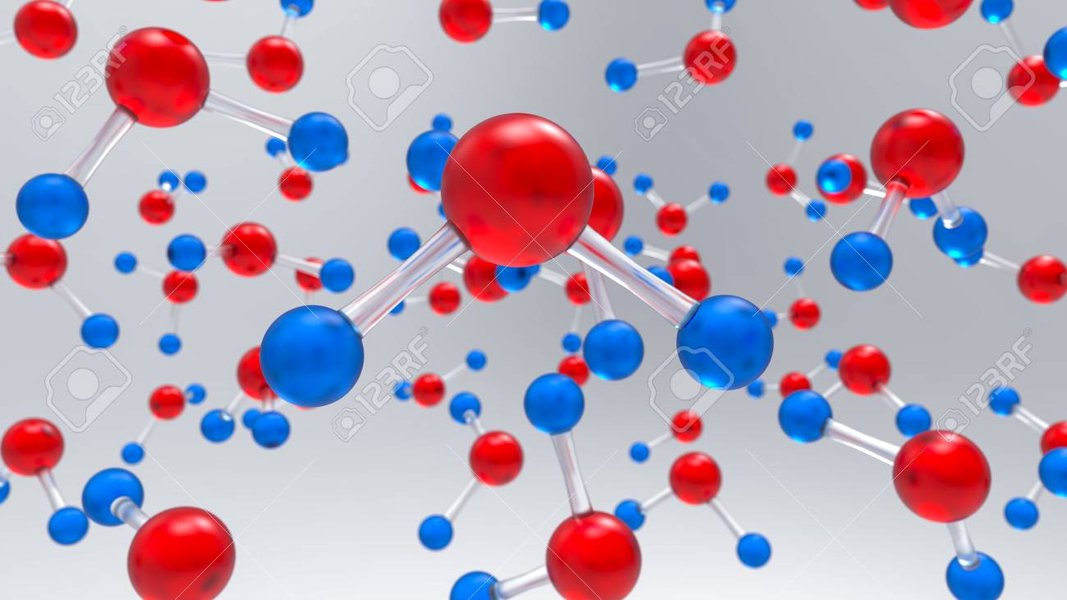
Illustration depicting the molecular structure of water.
This bent shape and the difference in electronegativity between oxygen and hydrogen create a polar molecule, with a slight negative charge on the oxygen side and a slight positive charge on the hydrogen sides. This polarity is responsible for many of water's unique properties, such as its ability to act as a solvent and its relatively high boiling point.
Forming Water Through Chemical Reaction
While water is formed through complex astrophysical and geological processes on a large scale, it can also be produced through a chemical reaction between hydrogen gas (H2) and oxygen gas (O2) in controlled environments. This reaction is often represented by the balanced chemical equation:
\[ 2\text{H}_2\text{(g)} + \text{O}_2\text{(g)} \rightarrow 2\text{H}_2\text{O(g)} \]This reaction requires an input of energy to break the bonds within the hydrogen and oxygen molecules, but the formation of the strong bonds in water molecules releases a significant amount of energy, often in the form of heat and light (combustion).
The Continuous Making of Water: The Water Cycle
On Earth, water is not created or destroyed in large quantities; instead, it is continuously recycled through a natural process called the water cycle, also known as the hydrological cycle. This cycle is powered by solar energy and gravity and involves the movement of water between the Earth's surface, atmosphere, and subsurface.
Stages of the Water Cycle
The water cycle involves several key stages:
| Stage | Description | Visual Representation |
|---|---|---|
| Evaporation | The process by which liquid water is converted into water vapor (a gas) and rises into the atmosphere, primarily from oceans, lakes, and rivers. | 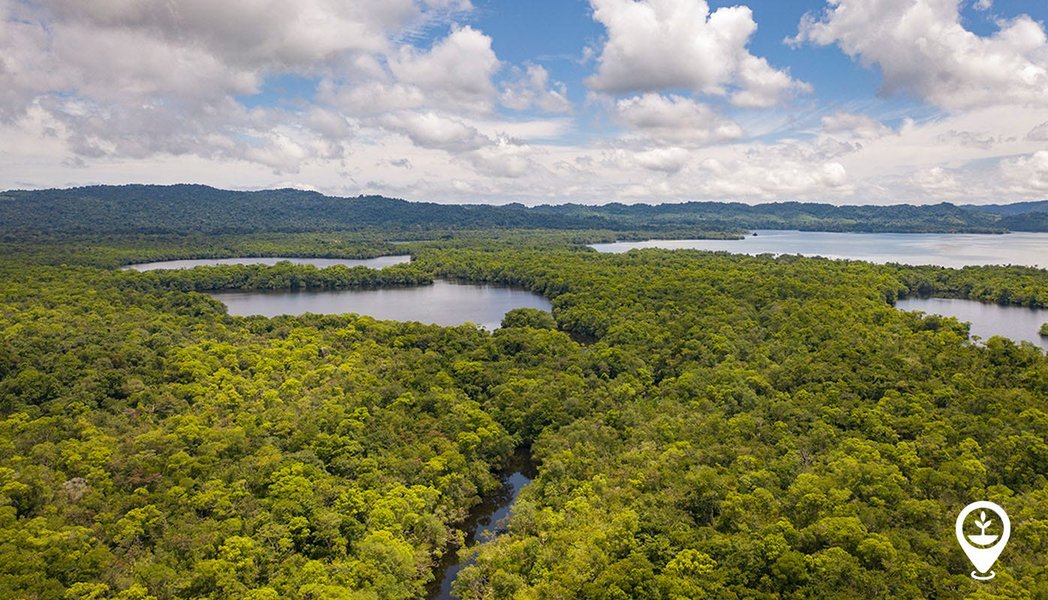 |
| Transpiration | The evaporation of water from the surface of plants into the atmosphere. | 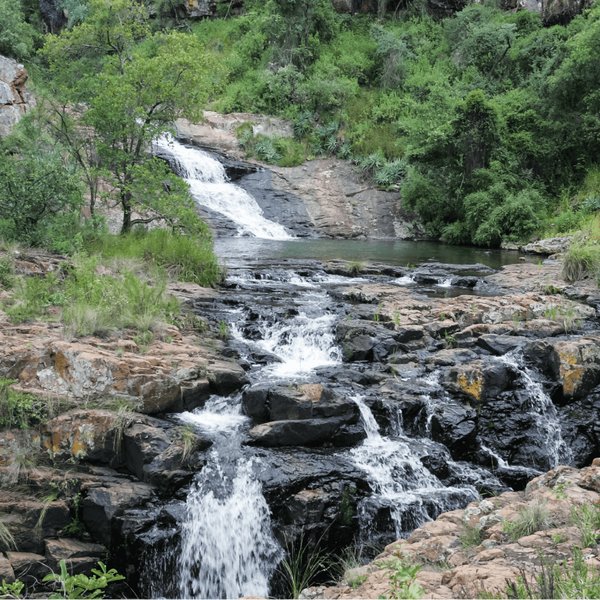 |
| Condensation | The process where water vapor in the atmosphere cools and changes back into liquid water droplets or ice crystals, forming clouds. This occurs when water vapor encounters cooler air and condenses onto tiny particles in the air (condensation nuclei). | 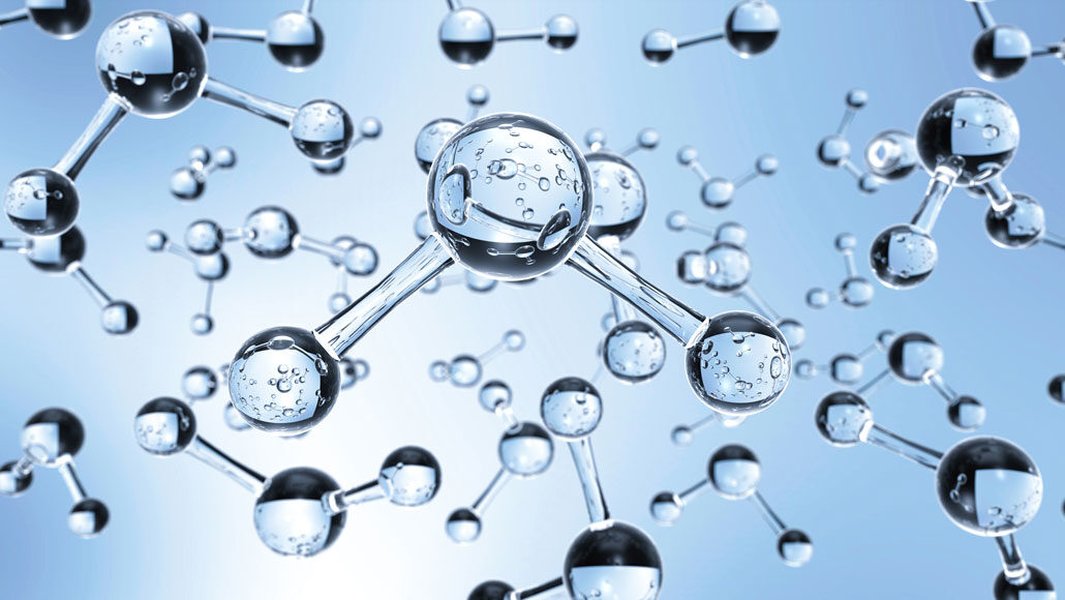 |
| Precipitation | Water falling back to the Earth's surface in various forms, such as rain, snow, sleet, or hail, when the water droplets or ice crystals in clouds become too heavy to remain suspended. | 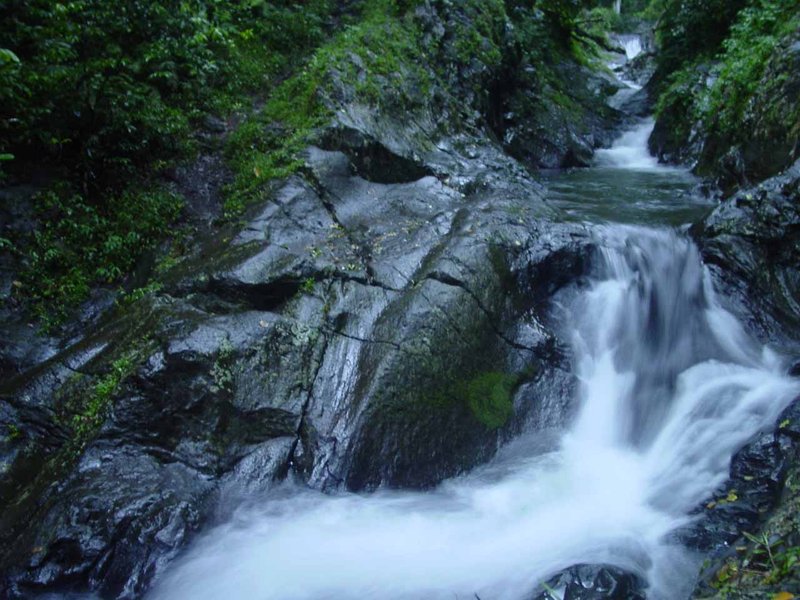 |
| Runoff | The movement of water across the land surface, flowing into streams, rivers, lakes, and eventually the oceans. | 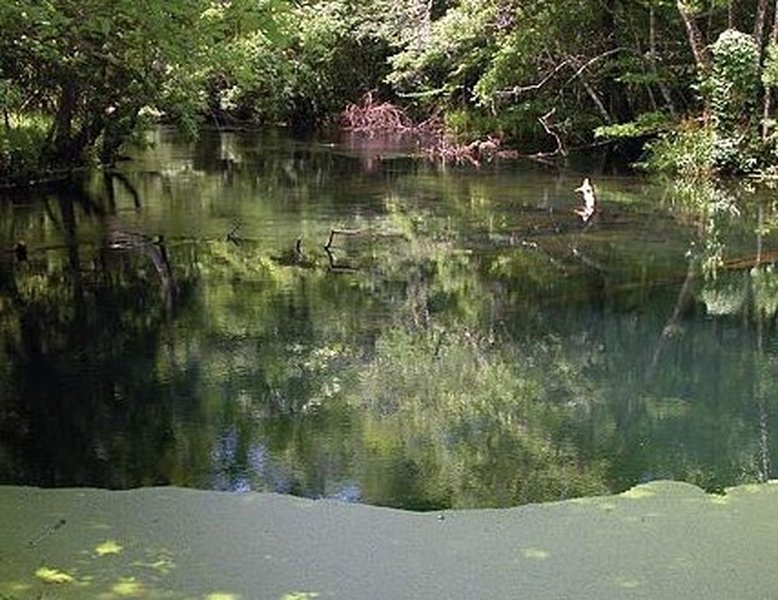 |
| Infiltration | The process by which water on the ground surface enters the soil. | |
| Collection | Water accumulating in bodies such as oceans, lakes, rivers, and groundwater reservoirs. |
The Water Cycle Explained Visually
The following video provides a visual overview of the water cycle, illustrating how water moves through these different stages:
This continuous movement and transformation of water ensures that it is available in different forms and locations across the planet, supporting ecosystems and human activities.
Can Humans "Make" Water?
While we understand the chemical composition of water and the natural processes that form and cycle it, can humans artificially create water on a large scale?
Laboratory Synthesis of Water
In a laboratory setting, it is possible to produce small amounts of water by reacting hydrogen gas and oxygen gas. However, this process requires a significant amount of energy and is not practical for generating the vast quantities of water needed to meet human needs or replenish natural reservoirs. The energy required to break the strong bonds in H2 and O2 molecules is substantial, and the reaction can be explosive.
Water Conservation and Management
Given the impracticality of artificially creating large volumes of water, human efforts focus on managing, conserving, and purifying existing water resources. This includes practices such as:
-
Water treatment and purification to make contaminated water usable.
-
Desalination, the process of removing salt from seawater to produce fresh water (an energy-intensive process).
-
Water conservation measures to reduce usage in agriculture, industry, and households.
-
Protecting natural water sources from pollution.
Understanding the natural water cycle is crucial for effective water resource management, especially in the face of challenges like climate change, which can impact precipitation patterns and water availability in different regions.
Frequently Asked Questions About Water Formation
Where did the first water on Earth come from?
The origin of Earth's water is still a subject of scientific investigation, but the leading theories suggest it was delivered by icy asteroids and comets and potentially also outgassed from within the Earth's interior during its formation.
Is water continuously being made on Earth?
While the total amount of water on Earth remains relatively constant, it is continuously moving and changing states through the water cycle. New water molecules are not being created on Earth in significant quantities through natural processes like the initial formation.
Why is water so important for life?
Water is essential for all known forms of life because of its unique properties. It acts as a solvent, allowing for chemical reactions necessary for biological processes. It also plays a crucial role in regulating temperature and transporting nutrients.
Can water be destroyed?
Water molecules can be broken down into hydrogen and oxygen atoms through processes like electrolysis, which requires energy. In biological processes like photosynthesis, water molecules are split. However, on a planetary scale, the overall amount of water is conserved through the water cycle.
References
Last updated May 5, 2025