
Automated Data Integration in HR Dashboards
A Comprehensive Overview of Benefits, Tools, and Best Practices
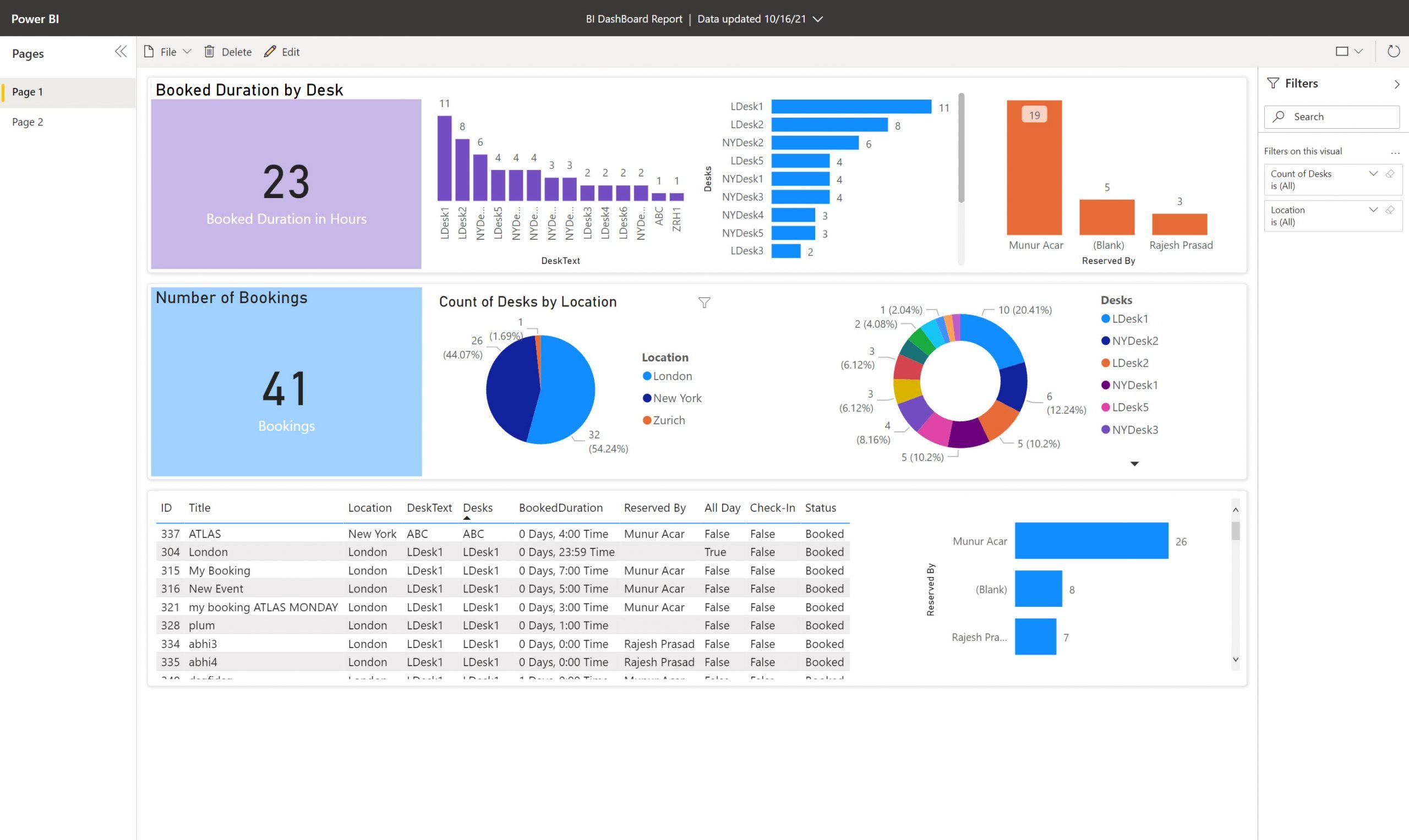
Key Highlights
- Streamlined Integration: Automated systems combine data from multiple HR sources, creating a unified view.
- Enhanced Accuracy and Efficiency: Data consistency, reduction in manual errors, and real-time insights empower sound decision-making.
- Advanced Technologies: API connectivity, cloud-based platforms, and AI-driven analytics are transforming HR dashboards.
Understanding Automated Data Integration
Automated data integration in HR dashboards is a transformative process that consolidates data from various HR systems—including Human Resource Information Systems (HRIS), Applicant Tracking Systems (ATS), Enterprise Resource Planning (ERP), and Learning Management Systems (LMS)—into a single, cohesive platform. This seamless convergence of information is essential for HR professionals looking to obtain real-time visibility into workforce metrics, trends, and operational performance. By using automated solutions, organizations eliminate data silos, reduce inconsistencies, and empower HR departments to leverage data-driven insights for strategic decision-making.
The transition from manual data entry to automated workflows not only boosts efficiency but also minimizes the risks of human error. With a centralized data ecosystem, HR teams are better positioned to conduct comprehensive analyses, monitor employee engagement, optimize recruitment processes, and manage performance metrics with precision. An integrated system ensures that all key HR metrics are consistently updated, thereby providing an accurate snapshot of the organization's human capital landscape.
Benefits of Automated Data Integration
Efficiency and Productivity
Automated data integration streamlines repetitive tasks by reducing or eliminating manual data entry. By connecting disparate systems through Application Programming Interfaces (APIs) or middleware, data flows effortlessly, ensuring that information is updated in real time. This results in significant time savings and allows HR professionals to dedicate more attention to core strategic activities rather than administrative routines.
Data Accuracy and Consistency
A core advantage of automation is the reduction of errors often associated with manual data processing. Standardizing and cleaning data prior to integration helps maintain consistency across the entire HR system. The use of automated workflows ensures that all departments work with the same dataset, thereby enhancing overall data reliability and facilitating streamlined reporting and analysis.
Real-Time Insights and Reporting
Modern HR dashboards provide up-to-date performance metrics and comprehensive visualizations of employee data. This real-time insight is essential in supporting timely decision-making and proactive management. Furthermore, the incorporation of automated alerts and notifications enables HR teams to promptly address issues such as declining employee engagement or emerging trends in recruitment.
Improved Employee Experience
An integrated approach to managing HR data also contributes to a better overall employee experience. When data is centralized and easily accessible, HR departments can quickly address queries, facilitate smoother onboarding processes, and provide reliable support to employees. Enhanced data accuracy ensures that employees receive prompt and accurate feedback on performance evaluations and benefits information.
Advanced Technologies and Tools
Integration solutions now commonly leverage advanced technologies such as AI and machine learning. These innovations facilitate predictive analytics, enabling organizations to forecast trends like turnover risks and recruitment bottlenecks. Furthermore, the deployment of cloud-based systems improves scalability and system flexibility, which is crucial in today’s fast-paced business environment.
Key Tools and Technologies
APIs and Middleware
Application Programming Interfaces (APIs) serve as the backbone of automated data integration by enabling real-time connections between various HR systems. Middleware solutions further enhance this connectivity by acting as a bridge between platforms that use different standards or data formats. Together, they ensure seamless data aggregation and consistent communication across all systems.
Cloud-Based Systems
Cloud technology is central to modern HR infrastructures, offering flexibility in scaling and integration. Cloud-based platforms facilitate the integration of numerous HR applications without the need for extensive investments in on-premises hardware. As a result, organizations benefit from reduced IT costs, enhanced data accessibility, and improved data security through regular updates and robust backup protocols.
Artificial Intelligence and Machine Learning
AI and machine learning enhance HR dashboards by automating data analysis and generating predictive insights. These technologies help convert raw data into actionable intelligence by learning from historical trends and adjusting to dynamic workforce changes in real time. For instance, an AI-powered dashboard can alert HR professionals about unexpected changes in employee performance or highlight anomalies in attendance data, prompting proactive interventions.
Data Visualization Tools
Modern HR dashboards leverage advanced data visualization tools that transform complex datasets into intuitive charts and graphs. These visualizations make it easier for HR professionals and executives to comprehend intricate data trends and interact with the information dynamically. Whether it is through customizable widgets or drill-down capabilities in dashboards, these tools facilitate instant access to detailed insights and operational metrics.
Best Practices for Implementation
Define Clear Objectives
Before implementing an automated integration solution, it is crucial to outline clear business objectives. Organizations should determine what specific outcomes they hope to achieve—whether it is reducing the turnaround time for data entry, enhancing the accuracy of performance metrics, or improving the overall strategic decision-making process. Clear metrics for success must be established at the outset.
Prioritize Data Cleaning and Standardization
Data cleaning and standardization are critical prerequisites for successful integration. Establish a system to verify that all data is accurate and formatted consistently across various sources. Standardized data ensures that integration does not amplify existing errors and that all subsequent reports and analyses remain reliable and actionable.
Invest in Robust Data Security
Given the sensitivity of human resource data, securing the integrated system is of paramount importance. Organizations should enforce stringent security measures including encryption, multi-factor authentication, and continuous monitoring for any suspicious activity. This not only protects private employee data but also preserves the integrity of the entire HR management system.
Leverage Automation Tools and Pre-built Integrations
Modern HR systems offer a variety of pre-built integrations and automation tools that streamline the setup process. These solutions can automatically synchronize data, generate alerts, and produce periodic reports, significantly reducing the need for manual intervention. Investing in these tools can yield substantial long-term benefits in terms of efficiency and reliability.
Support and Training
Even the most advanced systems require human expertise to operate effectively. Comprehensive training programs and continuous support are essential to help HR staff navigate and maximize the benefits of new technologies. By investing in regular training sessions and creating accessible support channels, organizations ensure smooth adaptation and sustained usage of automated systems.
Real-World Application and Future Trends
Case Studies and Use Cases
In practice, many organizations have already witnessed transformative improvements by integrating automated data solutions in their HR departments. For example, companies implementing real-time HR dashboards have seen expedited identification of trends in employee turnover, enabling them to enact timely interventions. Data integration facilitates instant access to comprehensive reports, thus helping organizations plan strategic workforce initiatives.
Additionally, the ability to combine HR data with other business analytics has led to more informed decisions that transcend traditional HR metrics. Cross-functional dashboards now integrate employee performance with financial performance indicators, thereby providing a holistic view of organizational health.
Emerging Trends
Looking to the future, the continuous evolution of AI and machine learning further underscores the importance of automated data integration. As these technologies advance, HR dashboards will likely incorporate more sophisticated predictive analytics, enabling preemptive strategies for talent management. Future trends point towards more personalized experiences where dashboards adapt based on user behavior and specific organizational needs. These advancements will not only improve the precision of data analytics but also support proactive HR management practices.
Summary Table of Key Benefits
| Aspect | Benefits |
|---|---|
| Integration Efficiency | Seamless data aggregation from multiple sources, reducing manual processes |
| Data Accuracy | Reduces human error, ensures consistency through standardized data cleaning |
| Real-Time Reporting | Dynamic dashboards that provide up-to-date information for informed decision-making |
| Advanced Analytics | Integration of AI and machine learning for predictive insights and automation |
| Security and Compliance | Enhanced data security measures protecting sensitive HR information |
Additional Insights on Tools and Technologies
Integrative Platforms and APIs
APIs have become integral to reducing friction among different HR systems. They allow HR dashboards to seamlessly communicate with various software, ensuring that changes in one system reflect across all integrated modules. Middleware solutions further facilitate this connectivity, making it possible to integrate legacy systems with modern cloud applications.
Cloud Infrastructure and Scalability
The adoption of cloud technologies means that HR systems are no longer restricted by traditional IT infrastructures. Cloud solutions offer scalable storage and computing power, permitting organizations to handle ever-increasing amounts of data as they grow. This flexibility is particularly advantageous for multinational enterprises that require centralized HR data management across diverse regions.
Future-Proofing with AI-Driven Analytics
By investing in AI and machine learning, HR dashboards are evolving to become more than mere reporting tools. They are now predictive instruments that can forecast workforce trends, engagement levels, and even potential risks such as high turnover rates. These technologies enable HR leaders to adopt a more proactive approach in managing talent and ensuring sustained organizational performance.
References
- HR Data Integration: How To Streamline Your Data - AIHR
- HRIS Integration: A Detailed Guide - SoftwareSuggest
- HR Data Integration: Benefits and Use Cases - Visier
- HR Dashboard: 7 Key Examples and Best Practices - Qlik
- Elevate Your HR Game with Data Integration - Integrate.io
Recommended Queries for Further Exploration
Last updated March 5, 2025