
The Human Experience After Death: Exploring Consciousness and Beyond
Unraveling the mysteries of what happens to human beings after death, considering scientific, spiritual, and philosophical perspectives.
Key Takeaways About the Afterlife
- Consciousness Persistence: Research suggests consciousness might continue in some form even after clinical death.
- Spiritual Perspectives: Many religions believe in the survival of the spirit or soul, which proceeds to an afterlife.
- Biological Processes: The body undergoes a series of natural changes immediately following death, including muscle relaxation and temperature drop.
The Moment of Death: A Transition
The question of what happens after death has intrigued humanity for millennia. From a purely biological standpoint, death is the cessation of bodily functions. Organs shut down, and the brain ceases to function. Immediately after death, muscles relax, body temperature drops, and blood circulation stops.
Physical Changes at the End of Life
Following death, several immediate physical changes occur:
- Muscle Relaxation: Muscles loosen, which can result in the release of bowel and bladder contents.
- Temperature Drop: The body's temperature decreases.
- Cessation of Brain Function: The brain stops functioning.
Consciousness After Death: Scientific Investigations
Recent scientific investigations explore whether consciousness persists after death. Sam Parnia, in a Big Brains podcast, notes that cells inside the body do not immediately decompose after death, suggesting a more gradual process. Furthermore, some research indicates brain activity may continue briefly after death, blurring the line between life and death.
Evidence of Continued Consciousness
The idea that consciousness might continue after death is supported by several lines of evidence:
- Near-Death Experiences (NDEs): Many individuals who have been clinically dead and then resuscitated report vivid experiences, suggesting some form of consciousness during this period.
- Brain Activity: Studies suggest that the brain might exhibit specific patterns of activity even after the heart stops.
- Cellular Integrity: The fact that cells do not immediately degrade after death opens the possibility for continued biological processes at a micro-level.
Theories and Beliefs About the Afterlife
Various cultures and religions offer diverse explanations about what happens after death. These beliefs often involve a separation of the body and spirit, with the spirit continuing to exist in another realm.
Religious Perspectives
Many religions believe that death is a transition to an afterlife. For example:
- Christianity: Believers' souls go to heaven because their sins are forgiven through Christ.
- General Belief: The spirit separates from the body and continues to exist.
Philosophical Considerations
Philosophical perspectives on death and the afterlife vary widely, ranging from the belief that consciousness ceases entirely to theories about the soul's journey.
Near-Death Experiences (NDEs): Glimpses of the Afterlife?
Near-death experiences (NDEs) are frequently cited in discussions about the afterlife. People who have experienced NDEs often report similar sensations and visions, such as seeing a bright light, having out-of-body experiences, and feeling a sense of peace.
Common Elements of NDEs
- Out-of-Body Experiences: Feeling detached from one's body.
- Seeing a Light: Encountering a bright, often comforting light.
- Life Review: Experiencing a rapid recall of past events.
- Sense of Peace: Feeling profound calmness and acceptance.
While NDEs are compelling, their interpretation remains debated. Some view them as evidence of an afterlife, while others suggest they are products of the dying brain.
The Science of Dying: What We Know
The scientific community continues to explore the physiological processes that occur during death. Research aims to understand the precise sequence of events as the body shuts down and how these events relate to subjective experiences like NDEs.
Current Research Directions
-
Brain Activity Studies: Monitoring brain waves and electrical activity in the moments surrounding death.
-
Hormonal and Chemical Changes: Analyzing the release of hormones and other chemicals in the body during the dying process.
-
Cellular Research: Investigating the breakdown and degradation of cells after death.
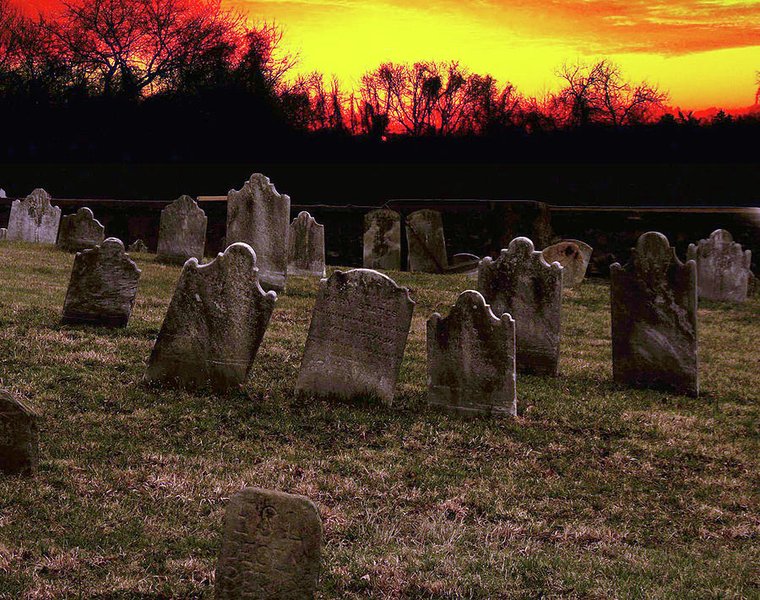
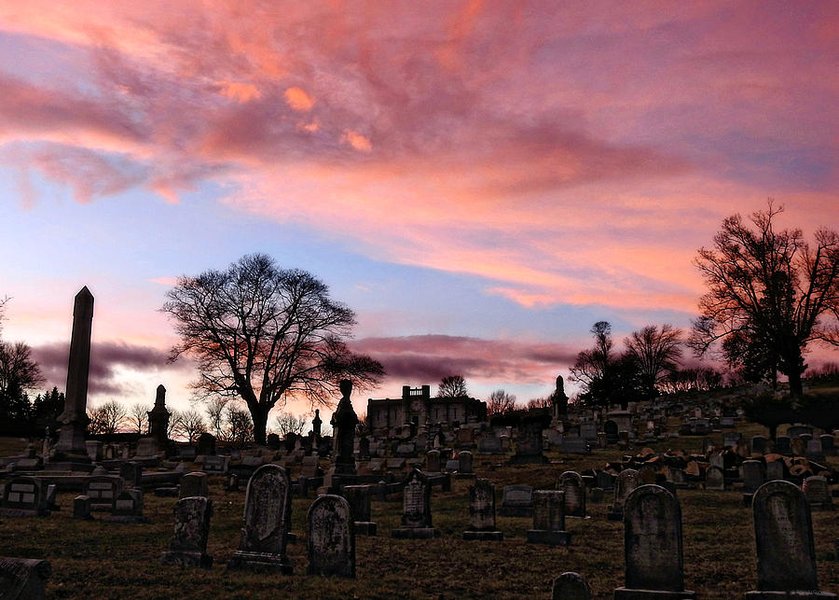
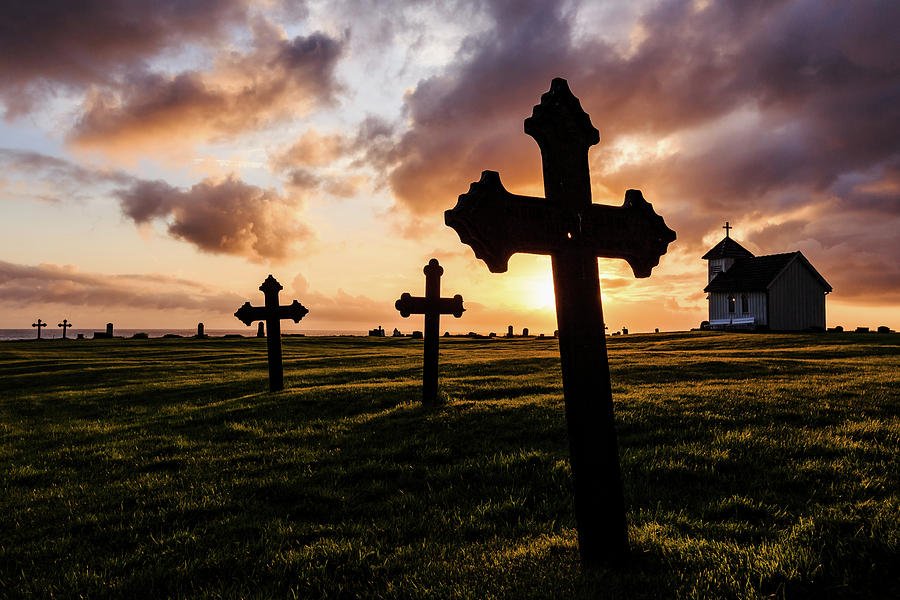
Images of Sunset and Cemeteries
Sunsets in cemeteries evoke contemplation on the themes of life, death, and transition. The setting sun symbolizes the end of a day, mirroring the end of life, while the cemetery setting underscores the eternal rest. These images invite reflection on mortality and the mysteries beyond.
Embedded Video: Exploring Consciousness Beyond Death
This video, titled "Death is Just the End of Our Body, Not of Our Consciousness...", delves into the research of individuals who have been resuscitated after being declared dead and recounts their near-death experiences. It presents the perspective that death may signify the end of bodily functions but not necessarily the cessation of consciousness.
Comparative Overview of Post-Death Beliefs
Different cultures and belief systems offer varying perspectives on what happens after death. The following table summarizes some key aspects of these beliefs.
| Belief System | Fate of the Body | Fate of the Spirit/Soul | Key Concepts |
|---|---|---|---|
| Christianity | Body decays | Soul goes to Heaven or Hell based on faith and actions | Salvation, judgment, resurrection |
| Ancient Egyptian Religion | Mummification to preserve the body | Soul journeys through the underworld to be judged by Osiris | Anubis, Weighing of the Heart, afterlife realms |
| General Spiritual Beliefs | Body returns to the earth | Spirit continues to exist in another dimension or plane | Reincarnation, energy transformation, higher consciousness |
| Scientific Materialism | Body decomposes | Consciousness ceases with brain function | No afterlife, end of existence |
Frequently Asked Questions (FAQ)
What happens to the body immediately after death?
Immediately after death, the muscles relax, the body temperature drops, and the heart stops beating. These are the initial physical changes as the body ceases to function.
Is there scientific evidence of consciousness after death?
Some studies suggest that brain activity might continue briefly after death, and near-death experiences (NDEs) indicate some form of consciousness during clinical death. However, the interpretation of these phenomena is still debated.
What are near-death experiences (NDEs)?
Near-death experiences are vivid and often profound experiences reported by people who have been close to death. These experiences can include out-of-body sensations, seeing a bright light, and feeling a sense of peace.
Do all religions believe in an afterlife?
Most religions believe in some form of afterlife, although the specific details vary widely. Common themes include the survival of the soul or spirit and a journey to another realm.
How do cultural beliefs influence our understanding of death?
Cultural beliefs shape our perceptions of death and the afterlife, influencing rituals, mourning practices, and attitudes toward mortality. These beliefs provide comfort, meaning, and a framework for understanding the unknown.
References
Last updated April 11, 2025