
Exploring the Possibility of Human Immortality
A comprehensive examination of technology, biology, and ethics in the quest for eternal life.
Key Highlights
- Technological Advancements: Emerging breakthroughs in nanotechnology, AI, and biotechnology point towards advanced life extension methods.
- Biological Constraints: Inherent limitations of cellular aging and physical laws underline significant biological challenges.
- Ethical and Social Implications: Prolonged lifespans and potential immortality raise substantial questions related to resource distribution, societal structures, and equity.
A Multifaceted Journey Toward Immortality
Technological Perspectives and Breakthroughs
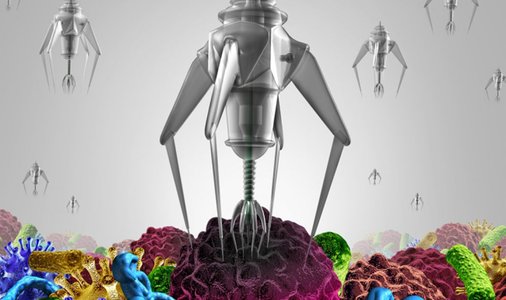
The idea of achieving human immortality has captivated thinkers for generations, and today, advances in science and technology are driving renewed discussion and exploration of this concept. Numerous approaches are being researched and proposed that might one day radically extend human lifespans. One promising avenue involves the use of nanotechnology—specifically, the deployment of nanorobots capable of repairing damaged cells and reversing the degenerative processes associated with aging. Visionaries, such as futurist Ray Kurzweil, have predicted that by the early 2030s, such innovations might result in near-immortal states through continuous cellular repair and the integration of technology with the human body.
Artificial intelligence plays a dual role in this quest. On one hand, AI assists in understanding complex biological processes, improving regenerative medicine, and facilitating breakthroughs in genetic research. On the other hand, AI is at the heart of discussions regarding the transfer of human consciousness into digital or non-biological media—a concept known as mind uploading or digital immortality. This approach envisions a scenario where consciousness could be preserved indefinitely, even if the biological substrate eventually fails.
Biological and Cellular Limitations
While technological innovations provide substantial promise, the human body is inherently subjected to processes of aging that are deeply woven into the fabric of biology. Cellular aging, driven by factors such as oxidative stress, genetic mutations, and the gradual accumulation of cellular damage, presents a formidable challenge to any attempt at achieving eternal life. Research into species like the hydra, which exhibits remarkable regenerative capabilities, offers insights that might eventually be harnessed to combat human aging. However, many scientists caution that there may be natural limits—both biological and physical—that could cap the extendable lifespan, with estimates often citing a maximum natural lifespan around 125 years.
The intricacies of the aging process are not solely due to wear and tear; they involve complex biochemical cascades and entropy at the cellular level. Despite significant advancements, the process of completely halting or reversing aging remains fraught with challenges. Even if technology were to delay the onset of aging considerably, the inevitable cumulative damage might eventually result in physical and systemic failures.
Ethical, Social, and Philosophical Considerations
Beyond science and technology, the concepts of human immortality raise important ethical and societal dilemmas. The distribution of any potential life-extending treatment is likely to generate substantial debate about social equity. If breakthroughs became available, a limited-access model could exacerbate existing inequalities and create societal divisions between those who can afford immortality-enhancing treatments and those who cannot.
Moreover, profound ethical questions emerge when considering the environmental and societal impacts of dramatically extended lifespans. Issues such as overpopulation, resource consumption, and shifts in social structures must be carefully weighed. Philosophers also argue that immortality might lead to existential and societal stagnation, questioning whether indefinite life extension might diminish the value and poignancy of the human experience.
Another philosophical perspective distinguishes between biological immortality and cultural or digital immortality. While some argue that true immortality might never be achievable on a biological level, leaving behind an enduring legacy through achievements, art, or digital presence offers an alternative form of lasting impact. The idea of uploading one’s consciousness—a process that would preserve not just memories but potentially the self—represents an intriguing intersection of technology and philosophy.
Assessing the Scientific Debate and Future Outlook
The scientific community remains divided on whether immortality, in the sense of indefinite physical life, will ever be achievable. Optimistic perspectives often point to the rapid progress in fields like genetics, regenerative medicine, and nanotechnology, fueled by the exponential growth of computational power and AI. Prominent futurists have laid out scenarios where cellular repair and the minimization of damage could lead to vast extensions of life, possibly reaching towards a form of “biological stasis” where aging is halted.
On the contrary, a significant contingent of researchers argues that biological constraints and physical laws impose limitations that cannot be surmounted merely by technological intervention. They emphasize that any approach to radically extend human life must contend not only with the complexity of biological systems but also with the inevitable laws of entropy and decay. Even if aging is chemically and technologically slowed, the risk of diseases such as cancer remains a problem that might be only partially addressed.
This debate is further enriched by discussions regarding mind uploading—a vision bolstered by advances in computational neuroscience. While the allure of transferring consciousness to digital platforms promises a type of simulated immortality, there is still no consensus on whether a digitally preserved consciousness would retain the true essence of human identity. The debate continues as to whether the self can genuinely be divorced from the physical body, and whether consciousness can emerge independently from a simulation of neural activity.
Comparative Overview of Technologies for Life Extension
The following table offers an overview of several leading approaches and technologies being studied in the context of human life extension and potential immortality:
| Approach | Description | Key Challenges |
|---|---|---|
| Nanotechnology | Utilization of nanorobots to repair cell damage, combat aging, and potentially reverse degenerative processes. | Ensuring safety of nanobots, regulation, and addressing unforeseen medical complications. |
| Genetic and Cellular Therapies | Advancements in gene editing, stem cell therapies, and regenerative medicine aimed at halting or reversing aging at the cellular level. | Understanding cellular complexity, potential side effects, and long-term efficacy. |
| Mind Uploading | Transferring human consciousness into digital or synthetic platforms to preserve identity independent of biological decay. | Ethical dilemmas regarding the nature of consciousness, technical readiness, and authenticity of digital self. |
| Artificial Intelligence | AI-driven insights that can accelerate research in all life extension methodologies and optimize treatment protocols. | Risks of relying on AI decision-making, biases in data, and the integration of complex systems. |
Scientific Realism vs. Futuristic Aspirations
The concept of immortality sits at the intersection of scientific realism and futuristic aspiration. On one end, hard-nosed scientific pragmatism points out that simply delaying the aging process does not equate to achieving true immortality. Realistically, biological systems are subject to decay, and even with state-of-the-art intervention, there remains a fundamental risk of systemic failures. On the other end, futuristic visions offer a radical re-imagining of life—one that replaces biological constraints with technological integration.
Considered as a whole, the field is continuously evolving. Breakthroughs that once seemed like science fiction are gradually entering the realm of possibility, prompting both excitement and caution. The debate persists as to whether the ultimate goal is to achieve a state of perpetual life or simply to extend healthy, high-quality living as much as possible.
Addressing Ethical and Societal Dilemmas
The pursuit of immortality touches not only on our understanding of biology and technology but also profoundly challenges philosophical norms and social structures. The potential for dramatically extended lifespans brings with it questions that have both moral and practical implications:
- Distribution and Access: Who gets to enjoy these life-saving technologies? Ensuring fair access is a major ethical issue.
- Resource Sustainability: With longer lifespans, considerations of resource allocation, environmental sustainability, and potential overpopulation become more pressing.
- Social Impact: Extended lifespans may require transformations in societal institutions including retirement, healthcare, and interpersonal relationships. How would a multi-century lifespan affect personal identity and societal legacies?
Given these challenges, researchers and policymakers emphasize the need for an integrated approach to life extension—one that considers not merely the technical feasibility but also the social, ethical, and environmental consequences of pursuing immortality.
Summary of the Debate on Immortality
In summary, the question of whether humans will ever achieve immortality remains unresolved. Multiple approaches offer incremental progress toward extending lifespans, yet each faces significant scientific, technical, and ethical hurdles. While emergent technologies such as nanorobots and AI-guided regenerative medicine are making strides, they are balanced by the inherent complexities of biological aging and ethical concerns surrounding equitable distribution and societal impact.
The debate spans the fundamental scientific challenges imposed by biological constraints and the visionary prospects forecasted by leading futurists. While a future where humans enjoy greatly prolonged health and vitality is increasingly plausible, full immortality debuts both as a tantalizing possibility and a contentious debate—a debate enriched by perspectives from fields as varied as quantum biology, ethics, and digital technology.
References
- Humans Will Achieve Immortality by 2030 - Popular Mechanics
- Could Humans be Immortal? - Live Science
- Science is Making Anti-Aging Progress - Harvard Gazette
- Humans Predicted to Achieve Immortality by 2030 - Indy100
- By 2030, Humans May Achieve Immortality - Economic Times
Recommended Related Queries
Last updated March 27, 2025