
The Quest for Human Immortality: Possibilities and Challenges
A comprehensive exploration of the potential for everlasting human life.
Key Takeaways
- Biological Limitations: Natural biological processes present significant barriers to achieving true immortality.
- Technological Innovations: Advances in biotechnology, nanotechnology, and digital consciousness offer possible pathways toward extended lifespans.
- Ethical and Societal Implications: The pursuit of immortality raises profound ethical questions and potential societal challenges.
Biological Constraints to Immortality
The human body is inherently limited by biological processes that contribute to aging and eventual death. Central to this are mechanisms like cellular degradation, telomere shortening, and the accumulation of genetic errors over time. Despite significant advancements in medicine, genetics, and biotechnology aimed at extending human lifespan, overcoming these fundamental biological barriers remains a monumental challenge.
Cellular Aging and the Hayflick Limit
Human cells have a finite capacity to divide, known as the Hayflick Limit, typically around 50 to 70 divisions for most cell types. This limit is primarily due to the shortening of telomeres—protective caps at the ends of chromosomes—that occur with each cell division. Once telomeres reach a critically short length, cells enter a state of senescence or apoptosis, leading to tissue aging and organ decline.
Genetic Mutations and Cellular Damage
Over time, cells accumulate genetic mutations and damage from environmental factors such as radiation, toxins, and oxidative stress. While the body has mechanisms for repairing some of this damage, the efficiency of these processes diminishes with age, contributing to the gradual decline in cellular function and overall health.
Entropy and the Second Law of Thermodynamics
The second law of thermodynamics posits that entropy, or disorder, within a closed system will always increase over time. Applied to biological organisms, this means that maintaining cellular and systemic order indefinitely is theoretically impossible. Consequently, irreversible physical and chemical changes in the body contribute to aging and death.
Technological Pathways Toward Extended Life
Advancements in Biotechnology and Gene Therapy
Biotechnology has made significant strides in understanding and potentially manipulating the biological processes that govern aging. Techniques such as CRISPR-Cas9 gene editing allow for precise modifications to the genome, potentially correcting genetic defects and enhancing cellular repair mechanisms. Companies like Altos Labs and Calico Labs are at the forefront of researching anti-aging therapies, including cellular reprogramming to restore youthful cell states.
Nanotechnology and Cellular Repair
Nanotechnology holds promise for the future of medicine, particularly in the realm of cellular repair. Nanobots, microscopic machines, could theoretically navigate the human body to repair damaged cells, remove harmful substances, and reverse the effects of aging at a molecular level. While currently theoretical, ongoing research aims to develop practical applications for nanotechnology in healthcare.
Digital Immortality and Mind Uploading
The concept of digital immortality involves transferring human consciousness into a digital medium, effectively allowing a person to "live" indefinitely within a computer system. This process, often referred to as mind uploading, would require mapping and replicating all neural connections and processes of the brain. However, significant philosophical and technical challenges remain, including questions about the nature of consciousness and the fidelity of the digital replica to the original individual.
Cyborg Enhancements and Human-Machine Integration
Integrating artificial components with the human body—creating cyborgs—represents another potential avenue for extending human lifespan. By replacing or augmenting failing biological parts with mechanical or synthetic alternatives, humans could theoretically overcome some of the limitations imposed by biology. This hybridization of humans and machines raises numerous ethical and practical considerations but offers intriguing possibilities for longevity.
Ethical and Societal Implications
Overpopulation and Resource Scarcity
Achieving significant extensions in human lifespan could exacerbate issues related to overpopulation and resource scarcity. With more individuals living longer, the demand for food, water, energy, and other essential resources would increase, potentially leading to environmental degradation and social unrest. Addressing these challenges would require comprehensive strategies to ensure sustainable living conditions.
Economic Inequality and Access to Immortality Technologies
The development and distribution of longevity-enhancing technologies may initially be limited to those who can afford them, potentially widening existing economic disparities. Ensuring equitable access to such advancements is crucial to prevent exacerbating social inequalities and ensuring that the benefits of extended lifespans are shared broadly across society.
Psychological Effects of Immortality
The prospect of living indefinitely raises profound psychological questions about the meaning and purpose of life. An endless existence could lead to feelings of stagnation, loss of motivation, or existential ennui. Understanding and addressing the mental health implications of immortality would be essential in creating a sustainable long-term human experience.
Philosophical Considerations
Immortality challenges fundamental philosophical notions about life, death, and the human experience. Debates arise around whether an endless life would diminish the value of individual experiences, the concept of self, and the natural cycle of life and death. These discussions highlight the complexity of integrating immortality into the human condition beyond mere technical feasibility.
Current Status and Realistic Outlook
As of January 18, 2025, the quest for human immortality remains largely speculative, with significant barriers still to be overcome. While advancements in biotechnology, nanotechnology, and artificial intelligence offer promising avenues for extending human lifespan and improving the quality of life, achieving true immortality is not yet within reach. Radical life extension projects focus more on delaying aging and combating age-related diseases rather than eliminating death entirely.
Ongoing Research and Innovations
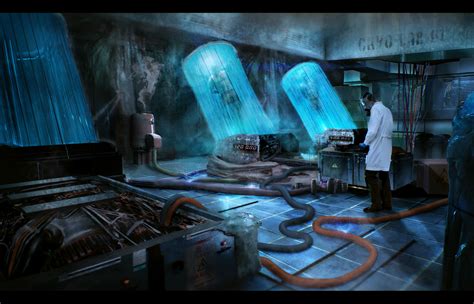
Research institutions and biotechnology companies continue to explore various strategies for extending human life. Anti-aging therapies, including cellular reprogramming and gene editing, aim to address the underlying biological mechanisms of aging. Cryonics remains a controversial approach, with individuals preserving their bodies in the hope that future technologies may enable revival. Additionally, advancements in digital technologies and artificial intelligence keep the idea of digital immortality within the realm of discussion, albeit with many unresolved challenges.
Scientific Consensus
The prevailing scientific consensus acknowledges the potential for significant extensions in human lifespan through medical and technological innovations. However, the transition from extended lifespans to true immortality is viewed with skepticism. Experts emphasize the need for further understanding of aging processes, ethical considerations, and the feasibility of overcoming the fundamental biological and physical limitations that currently render immortality unattainable.
Conclusion
The aspiration to achieve immortality touches upon the deepest aspects of human existence, blending scientific inquiry with philosophical reflection. While incremental advancements in biotechnology and related fields are likely to continue extending human lifespans and enhancing the quality of life, the attainment of true immortality remains elusive. Overcoming the inherent biological and physical limitations, addressing ethical and societal challenges, and reconciling the concept with the human experience are monumental tasks that humanity has yet to navigate fully. As research progresses, the debate surrounding immortality will persist, reflecting the complex interplay between our technological aspirations and the fundamental nature of life itself.
References
Last updated January 18, 2025