
Overview of the Human Immune System
Introduction
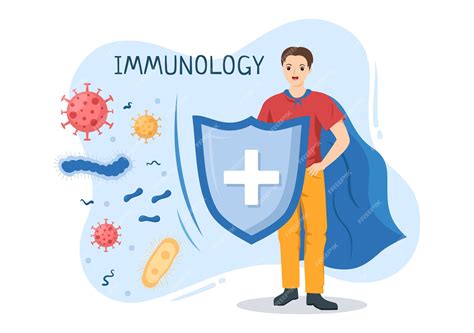
The human immune system is an intricate and highly coordinated network of cells, tissues, and organs that work in unison to defend the body against a vast array of pathogens, including bacteria, viruses, fungi, parasites, and even cancerous cells. This sophisticated defense mechanism not only identifies and neutralizes harmful invaders but also maintains the body's internal harmony by distinguishing between self and non-self elements. Understanding the components and functions of the immune system is crucial for comprehending how our bodies maintain health and combat diseases.
Main Components of the Immune System
White Blood Cells (Leukocytes)
White blood cells are the primary players in the immune response. They circulate through the body, seeking out and eliminating pathogens and infected cells.
Phagocytes
Phagocytes are specialized cells that ingest and destroy foreign particles and microorganisms. Key types include:
- Neutrophils: The most abundant type of white blood cells, neutrophils rapidly respond to and ingest bacteria and fungi.
- Macrophages: These cells reside in tissues and are responsible for engulfing pathogens and dead cells, playing a crucial role in inflammation and tissue repair.
- Monocytes: Circulating in the bloodstream, monocytes migrate into tissues and differentiate into macrophages or dendritic cells.
Lymphocytes
Lymphocytes are essential for adaptive immunity, providing specific responses to pathogens and establishing immunological memory.
- B Lymphocytes (B Cells): B cells produce antibodies that specifically bind to antigens, marking pathogens for destruction or neutralization.
- T Lymphocytes (T Cells): T cells come in several varieties, including:
- Helper T Cells (CD4+): Coordinate the immune response by activating other immune cells, including B cells and cytotoxic T cells.
- Cytotoxic T Cells (CD8+):strong> Directly kill infected or cancerous cells.
- Regulatory T Cells: Suppress immune responses to prevent excessive reactions and autoimmune diseases.
Antibodies (Immunoglobulins)
Antibodies are Y-shaped proteins produced by B cells. Each antibody is specific to a particular antigen, allowing them to recognize and bind to unique molecular structures on pathogens. This binding can neutralize the pathogen directly or mark it for destruction by other immune cells.
Complement System
The complement system consists of a series of proteins that work in a cascade to enhance the effectiveness of antibodies and phagocytes. Functions include:
- Opsonization: Marking pathogens for ingestion and destruction by phagocytes.
- Cell Lysis: Creating pores in the membranes of pathogens, leading to their destruction.
- Inflammation: Promoting inflammation to recruit more immune cells to the site of infection.
Lymphatic System
The lymphatic system is a network of vessels and organs that transport lymph, a fluid containing immune cells, throughout the body. It plays a critical role in maintaining fluid balance and facilitating the movement of immune cells to areas where they are needed.
Lymphoid Organs
Lymphoid organs are specialized structures where immune cells develop, mature, and interact to mount effective immune responses.
- Bone Marrow: The primary site of new blood cell production, including all types of white blood cells. B cells mature here.
- Thymus: Located behind the sternum, the thymus is where T cells mature and learn to distinguish between self and non-self antigens.
- Spleen: Filters blood, removing old or damaged red blood cells and pathogens. It also stores immune cells.
- Lymph Nodes: Small, bean-shaped structures scattered throughout the body that filter lymph fluid and trap pathogens, providing a site for immune cell activation.
Types of Immunity
Innate Immunity
Innate immunity is the body's first line of defense, providing immediate but non-specific protection against a wide range of pathogens.
- Physical Barriers: Skin and mucous membranes act as physical obstacles to prevent pathogen entry.
- Chemical Barriers: Secretions such as saliva, tears, and stomach acid contain antimicrobial substances that inhibit pathogen growth.
- Cellular Components:
- Phagocytes: As described above, these cells ingest and destroy pathogens.
- Natural Killer (NK) Cells: Identify and kill virus-infected or cancerous cells without prior sensitization.
- Mast Cells and Basophils: Release histamine and other mediators that promote inflammation and recruit other immune cells to sites of infection.
- Dendritic Cells: Act as antigen-presenting cells, capturing pathogens and presenting their antigens to T cells to initiate adaptive immunity.
- Inflammation: A localized response that increases blood flow and permeability, allowing more immune cells to reach the affected area.
Adaptive Immunity
Adaptive immunity is a specialized and highly specific defense mechanism that develops over time. It provides long-lasting protection by remembering previous encounters with pathogens, allowing for a more rapid and effective response upon re-exposure.
- Lymphocytes:
- B Cells: Produce antibodies specific to antigens, neutralizing pathogens and marking them for destruction.
- T Cells: Include helper T cells, which coordinate the immune response, and cytotoxic T cells, which kill infected cells.
- Antigen Presentation: Dendritic cells and other antigen-presenting cells process and display antigens to T cells, initiating the adaptive immune response.
- Immunological Memory: After an initial infection or vaccination, memory B and T cells remain in the body, ensuring a swift and potent response if the same pathogen is encountered again.
Passive Immunity
Passive immunity involves the transfer of antibodies from an external source, providing immediate but temporary protection. Examples include:
- Maternal Antibodies: Transferred from mother to fetus through the placenta and to infants through breast milk.
- Immunoglobulin Therapy: Administration of antibodies to individuals exposed to specific pathogens or toxins.
Mechanisms of Immune Response
Recognition of Antigens
The immune system identifies pathogens through specific molecules known as antigens. These antigens are recognized by receptors on immune cells, particularly B and T cells. Each immune cell has receptors tailored to recognize specific antigens, ensuring targeted responses.
Activation of Immune Response
Upon antigen recognition, immune cells are activated to eliminate the pathogen. This involves several coordinated actions:
- Antibody Production: B cells differentiate into plasma cells that secrete antibodies, which bind to antigens and neutralize pathogens or mark them for destruction.
- T Cell Activation: Helper T cells activate other immune cells, while cytotoxic T cells directly kill infected cells.
- Complement Activation: The complement system enhances the ability of antibodies and phagocytes to clear pathogens.
Memory and Recall
After an initial infection, the immune system retains a memory of the pathogen. Memory B and T cells remain in the body, enabling a faster and more robust response if the same pathogen is encountered again. This immunological memory is the foundation for the effectiveness of vaccines.
Interaction between Innate and Adaptive Immunity
The innate and adaptive immune systems are not isolated; they interact closely to provide comprehensive protection. The innate immune system acts quickly to contain and neutralize pathogens, while the adaptive immune system takes longer to develop but provides specific and long-lasting immunity. Key interactions include:
- Antigen Presentation: Dendritic cells, part of the innate system, capture antigens and present them to T cells, bridging the innate and adaptive responses.
- Cytokine Signaling: Cytokines released by innate immune cells influence the activation and differentiation of adaptive immune cells.
- Regulation: Adaptive immune responses can modulate innate responses to prevent excessive inflammation and tissue damage.
Dysfunctions of the Immune System
Immunodeficiency
Immunodeficiency occurs when the immune system is underactive, leaving the body vulnerable to infections. It can be congenital (primary) or acquired (secondary), with causes ranging from genetic defects to infections like HIV/AIDS, certain cancers, or immunosuppressive therapies.
Autoimmunity
Autoimmune diseases arise when the immune system mistakenly targets the body's own cells and tissues. This loss of self-tolerance can lead to conditions such as rheumatoid arthritis, lupus, and type 1 diabetes. The exact causes of autoimmunity are complex and involve genetic, environmental, and hormonal factors.
Allergies
Allergies are hypersensitivity reactions where the immune system overreacts to harmless substances like pollen, dust, or certain foods. This exaggerated response can lead to symptoms ranging from mild irritation to severe, life-threatening anaphylaxis.
Regulatory Mechanisms
To maintain balance and prevent excessive or inappropriate responses, the immune system employs several regulatory mechanisms:
-
Regulatory T Cells: Suppress immune responses to prevent autoimmunity and control inflammation.
-
Checkpoint Inhibitors: Molecular pathways that regulate the activation and inhibition of immune cells, ensuring responses are proportionate and specific.
-
Apoptosis: Programmed cell death of activated immune cells after the elimination of pathogens, preventing prolonged or unnecessary immune activity.
Importance and Applications
Vaccination
Vaccines leverage the adaptive immune system's memory by introducing a harmless form of a pathogen or its components. This exposure stimulates the production of memory cells without causing disease, providing immunity against future infections.
Therapies and Treatments
Understanding the immune system has led to the development of various therapies, including:
- Immunotherapies: Treatments that enhance or inhibit specific aspects of the immune response, used in cancer therapy and autoimmune disease management.
- Antibiotics and Antivirals: Medications that target specific pathogens, supporting the immune system in eliminating infections.
- Monoclonal Antibodies: Laboratory-produced antibodies designed to bind to specific targets, used in treating diseases like cancer and autoimmune disorders.
Conclusion
The human immune system is a vital and highly sophisticated defense network essential for survival. Its ability to distinguish between self and non-self, target a vast array of pathogens, and remember previous encounters ensures effective protection against infections and diseases. Continuous research into the immune system not only enhances our fundamental understanding of human biology but also drives advancements in medical treatments, vaccines, and therapeutic strategies aimed at improving health and combating a wide range of illnesses.
Last updated January 1, 2025