
The Fascinating Duality of Human Organs: Why Some Come in Pairs and Others Stand Alone
Unraveling the Evolutionary and Functional Logic Behind Our Unique Organ Arrangement
The human body is an intricate masterpiece of biological engineering, a complex system of cells, tissues, and organs working in harmony to sustain life. One of its most intriguing characteristics is the varying number of organs we possess—some come in identical pairs, while others exist as singular, central entities. This seemingly arbitrary arrangement is, in fact, a testament to millions of years of evolutionary adaptation, developmental processes, and functional advantages.
Key Insights into Organ Duality
- Bilateral Symmetry as a Blueprint: The fundamental reason for many paired organs lies in our evolutionary heritage of bilateral symmetry. This body plan, shared with a vast array of animals, defaults to mirrored structures on either side of a central axis, influencing the initial development of many organs.
- Redundancy for Survival and Optimal Function: Paired organs often provide a crucial "backup system," enhancing our resilience against injury or disease. For sensory organs like eyes and ears, having two allows for enriched perception, such as 3D vision and sound localization. For internal organs like kidneys and lungs, the presence of a pair ensures that critical functions can continue, albeit sometimes at a reduced capacity, if one organ is compromised.
- Developmental Merging and Centralized Function: Organs that exist singularly, such as the heart, liver, and stomach, typically develop from structures that either begin as paired buds and later merge into a single, cohesive unit, or are inherently centralized due to their specialized and unified functional demands. Their singular nature is often optimized for efficiency and coordinated performance of complex, body-wide tasks.
The Evolutionary Roots: Bilateral Symmetry
At the heart of the human body's structure is bilateral symmetry. This fundamental body plan, which emerged over 500 million years ago, dictates that an organism can be divided into two roughly mirrored halves along a central axis. This symmetry isn't just external; it profoundly influences the internal arrangement and development of many organs.
Most paired organs, such as the kidneys, ovaries, testes, eyes, and ears, arise from embryonic structures called somites or are influenced by the early bilaterally symmetrical layout. This developmental default leads to the formation of two distinct, often mirrored, structures. The advantages of bilateral symmetry extend beyond mere aesthetics; it facilitates efficient movement, allows for better navigation in a directional world, and supports the development of a centralized nervous system with a spinal cord.
The Functional Advantages of Paired Organs
While the evolutionary blueprint of bilateral symmetry explains *why* many organs start as pairs, the persistence and utility of these pairs are rooted in significant functional advantages, primarily redundancy and enhanced performance.
Redundancy: A Built-in Backup System
For organs like the kidneys and lungs, having a pair provides a vital safety net. Humans can survive and lead relatively normal lives with just one functional kidney or lung. This built-in redundancy is crucial for survival if one organ is damaged by disease, injury, or requires surgical removal. For instance, one kidney can filter far more waste than a human body typically produces, offering a significant reserve capacity. Similarly, while two lungs are optimal for respiratory efficiency, one lung can still provide enough oxygen for basic survival, though strenuous activities may be limited.
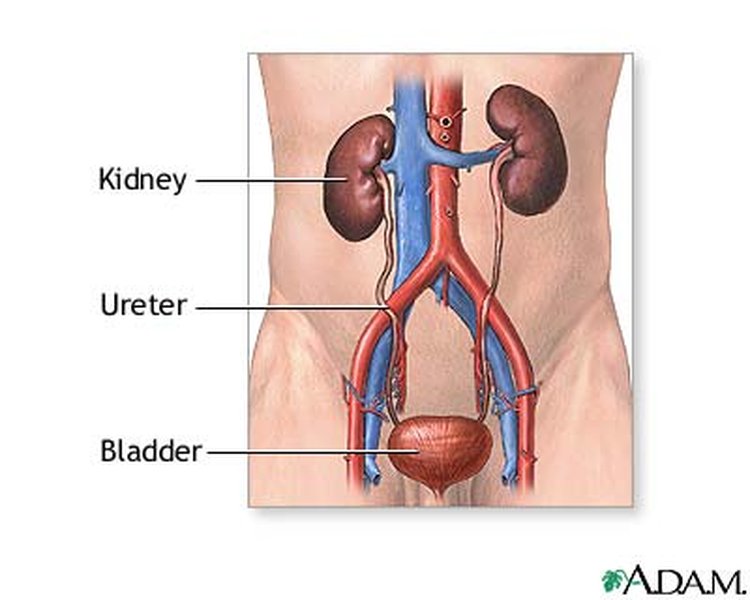
The paired kidneys, vital for filtration, exemplify the body's redundancy.
Enhanced Sensory Perception and Mobility
For sensory organs, the benefits of pairing are more about enhancing perception than mere redundancy. Having two eyes allows for:
- Stereoscopic Vision (3D perception): The slight difference in perspective from each eye provides depth perception, crucial for navigating complex environments and judging distances.
- Wider Field of View: Two eyes collectively cover a broader visual range.
- Backup in Case of Injury: While losing one eye significantly impacts vision, the other can still provide crucial visual information.
Similarly, two ears enable:
- Sound Localization: The brain uses the subtle differences in when and how sound reaches each ear to pinpoint the source of a sound.
- Improved Hearing Clarity: Binaural hearing helps filter out background noise and focus on specific sounds.
Even our limbs, like hands and feet, are paired. This bilateral arrangement is fundamental for balance, coordinated movement, and performing complex tasks requiring two-sided manipulation. While a person can adapt to the loss of a limb, the optimal functioning of the human body relies on this paired configuration for mobility and interaction with the environment.
The Uniqueness of Singular Organs
In contrast to paired organs, many vital organs, such as the heart, liver, stomach, pancreas, and brain, exist as single, centralized entities. Their singular nature is often due to their developmental history, their critical role in integrated systemic functions, or the sheer complexity of their internal architecture, which benefits from being housed in a single, cohesive unit.
Developmental Merging and Centralized Processing
Some organs that appear singular in adulthood actually originate from paired structures during embryonic development, which then merge into a single organ. The heart, for instance, begins as two tubes that fuse to form a single, four-chambered pump. This merging creates a highly efficient, unified circulatory system capable of pumping blood throughout the entire body in a coordinated manner.
The liver and pancreas also start as multiple buds from the embryonic gut tube that eventually coalesce into single, large, and functionally integrated organs. Their centralized position and singular form are crucial for their roles in metabolism, digestion, and detoxification processes that affect the entire body.
The Brain: The Ultimate Central Processor
The brain, while having two hemispheres, functions as a single, integrated control center. Its complexity and role in coordinating all bodily functions, processing information, and enabling consciousness necessitate a singular, highly interconnected structure. Imagine the logistical challenges of having two separate brains trying to communicate and synchronize every thought, action, and bodily process simultaneously.
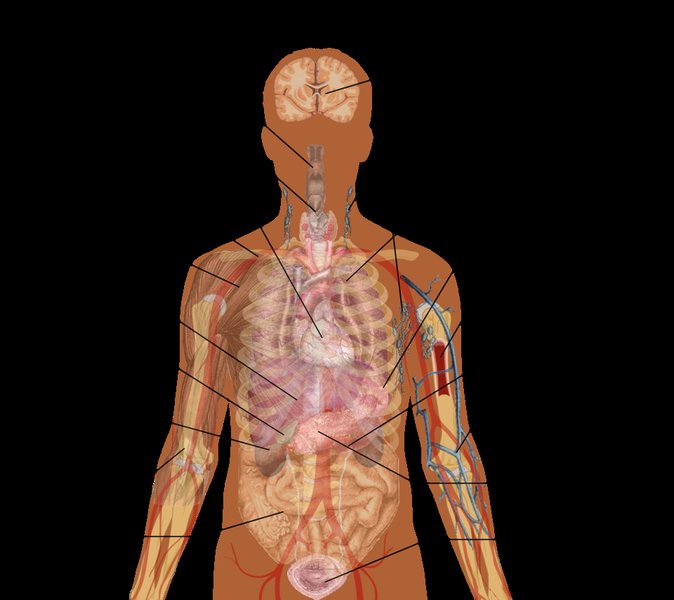
A comprehensive view of the human internal organs, showcasing both paired and singular structures.
Illustrating Organ Functions and Characteristics
To further illustrate the distinct roles and characteristics of paired versus singular organs, let's look at a comparative table. This table highlights key attributes that contribute to whether an organ is paired or single in the human body.
| Characteristic | Paired Organs (e.g., Kidneys, Lungs, Eyes) | Singular Organs (e.g., Heart, Liver, Stomach) |
|---|---|---|
| Evolutionary Origin | Often rooted in bilateral symmetry, developing from mirrored embryonic structures. | Can originate from paired buds that later merge, or from a single, central developmental axis. |
| Functional Redundancy | High; one organ can often compensate for the loss or reduced function of the other, enhancing survival. | Low or none; typically essential for life, and their loss is often fatal unless a transplant is performed. |
| Optimal Performance | Two organs often provide enhanced capabilities (e.g., 3D vision, sound localization, increased filtration capacity). | Single, centralized structure is optimized for coordinated, body-wide systemic processes. |
| Adaptability to Loss | Generally good adaptability with the remaining organ, though performance might be reduced. | Limited to no adaptability; often requires external support or transplantation for survival. |
| Example Functions | Filtration (kidneys), gas exchange (lungs), vision (eyes), hearing (ears). | Blood circulation (heart), detoxification and metabolism (liver), digestion (stomach), endocrine regulation (pancreas, thyroid). |
The Interplay of Development and Evolution
The presence of paired versus singular organs is a beautiful example of how developmental biology and evolutionary pressures have shaped the human form. Early embryonic development, with its reliance on bilateral symmetry, lays the groundwork for many paired structures. Over vast spans of time, natural selection has favored arrangements that offer survival advantages, whether through redundancy, enhanced sensory perception, or highly efficient centralized processing.
Consider the appendix, often cited as a vestigial organ. While its original function might have diminished, some research suggests it may play a minor role in the immune system or in guarding against the loss of symbiotic gut bacteria. This highlights that even seemingly "redundant" or "vestigial" structures can sometimes retain or acquire new, albeit minor, functions over time, further illustrating the dynamic nature of evolution.
This YouTube video provides a concise overview of why some organs appear in pairs:
Understanding the reasons behind paired organs, from an evolutionary perspective.
A Radar Chart of Organ "Resilience"
To further conceptualize the functional implications of paired versus singular organs, the following radar chart illustrates a subjective assessment of "resilience factors" for various organs. These factors include redundancy, adaptability to partial loss, essentiality for immediate survival, and developmental complexity.
As the chart illustrates, organs like the kidneys and lungs (paired) score high on 'Redundancy' and 'Adaptability to Partial Loss,' reflecting their backup capabilities. In contrast, the heart (singular) scores highest on 'Essentiality for Immediate Survival' and 'Functional Interdependence,' signifying its singular, critical role without direct redundancy. The liver, while singular, shows some 'Adaptability to Partial Loss' due to its regenerative capacity, highlighting nuances in organ function beyond simple pairing.
Conclusion
The existence of both paired and singular organs in the human body is not a random occurrence but a sophisticated outcome of evolutionary pressures and developmental processes. Paired organs often provide crucial redundancy and enhanced sensory or motor capabilities, offering a safeguard for survival and optimizing interaction with the environment. Singular organs, on the other hand, are typically centralized hubs for complex, integrated functions vital for the body's overall systemic operation. This duality underscores the remarkable adaptability and efficiency that characterize human anatomy, allowing us to thrive in a constantly changing world.
Frequently Asked Questions
Why do humans have two kidneys but only one heart?
What are some examples of paired organs in the human body?
What are the advantages of having paired organs?
Do humans have organs that are considered "expendable" or non-essential?
How many organs does the human body have in total?
Recommended Queries
- How did bilateral symmetry evolve in animals?
- What are vestigial organs in humans and their significance?
- How do organ systems work together in the human body?
- The process of organ development in human embryology
References
Last updated May 21, 2025