
The Indispensable Pillars of Humanity: Dignity, Equality, and Justice Through Human Rights
Exploring the Universality, Inalienability, and Interdependence of Fundamental Rights
Key Highlights of Human Rights
- Universality: Human rights apply to everyone, everywhere, regardless of nationality, race, or any other status.
- Inalienability: These rights cannot be taken away; they are inherent to every human being from birth until death.
- Interdependence: All human rights are connected, and the violation of one right impacts the enjoyment of others.
Human rights are fundamental principles that underpin a just and equitable society, ensuring dignity, equality, and justice for all individuals. These rights are not privileges granted by governments but are inherent entitlements that every person possesses simply by virtue of being human. The concepts of universality, inalienability, and interdependence are central to understanding the profound importance of human rights in fostering a world where everyone can live with dignity and realize their full potential.

Freedom of Speech: A Cornerstone of Human Rights
The Universality of Human Rights
The principle of universality dictates that human rights apply to all individuals, irrespective of their nationality, race, gender, religion, or any other distinguishing characteristic. This concept is powerfully articulated in Article 1 of the Universal Declaration of Human Rights (UDHR), which states, "All human beings are born free and equal in dignity and rights." This declaration, adopted by the United Nations in 1948, serves as a global roadmap for freedom and equality, emphasizing that human rights are not limited by geographical boundaries or cultural contexts. The universality of human rights aims to ensure that every person, everywhere, is entitled to the same fundamental protections and opportunities.
Equality and non-discrimination are integral to the universality of human rights. Everyone is entitled to enjoy their rights without any form of discrimination, as highlighted by the Office of the High Commissioner for Human Rights (OHCHR). This means embracing diversity and ensuring that all individuals are treated without bias. The right to equality and non-discrimination is a cornerstone of human rights, entitling everyone to freedoms without distinction based on race, color, sex, religion, or any other status.
Inalienability: Rights That Cannot Be Taken Away
Human rights are inalienable, meaning they cannot be taken away or forfeited under any circumstances. These rights are inherent to every human being from birth until death. They are not granted by the state and, therefore, cannot be legitimately revoked by the state. This principle ensures that even in times of conflict, political upheaval, or social unrest, the fundamental rights of individuals remain protected. The inalienability of human rights underscores their intrinsic value and their role in safeguarding human dignity.
The Universal Declaration of Human Rights (UDHR) reinforces the concept of inalienability by setting out fundamental human rights that are universally protected. These rights include the right to life, liberty, and security of person; freedom from slavery and torture; freedom of opinion and expression; and the right to work and education. These rights are not privileges that can be given or taken away; they are inherent and inviolable aspects of human existence.
Interdependence: How Human Rights Connect
The interdependence of human rights recognizes that all rights are interrelated and equally important. The enjoyment of one right is often dependent on the realization of others. For instance, the right to education is closely linked to the right to freedom of expression, as education enables individuals to critically analyze information and participate fully in public discourse. Similarly, the right to health is connected to the right to an adequate standard of living, as access to healthcare and nutritious food are essential for maintaining good health.
The United Nations emphasizes that human rights are indivisible and interdependent, meaning that all rights are equally important and cannot be ranked in a hierarchical order. The denial of one right invariably impedes the enjoyment of other rights. This holistic view of human rights underscores the need for a comprehensive approach to their protection and promotion, ensuring that all individuals can enjoy the full spectrum of their entitlements.
Meaningful Human Right: Freedom of Expression
Among the many fundamental human rights, freedom of expression stands out as particularly meaningful. Freedom of expression, as enshrined in Article 19 of the UDHR, encompasses the right to seek, receive, and impart information and ideas through any media and regardless of frontiers. This right is essential for fostering transparency, accountability, and democratic participation in society. It enables individuals to voice their opinions, challenge authority, and contribute to public discourse on issues of importance.
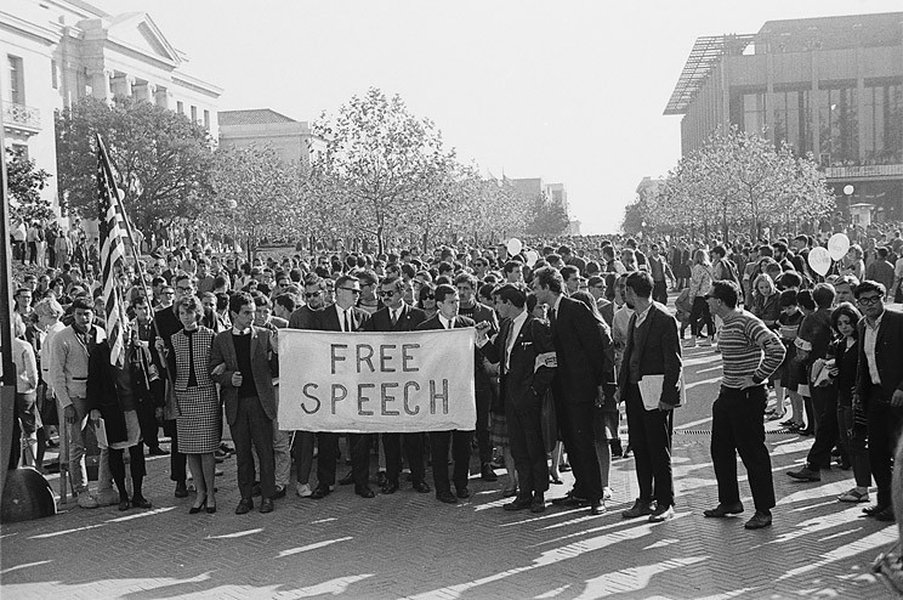
Free Speech on Campus: Encouraging Open Dialogue
Freedom of expression is not only a personal right but also a collective one, as it underpins the functioning of a vibrant civil society. It allows journalists to report on matters of public interest, artists to express their creativity, and activists to advocate for social change. However, freedom of expression is not absolute and may be subject to certain limitations, such as those necessary to protect the rights and freedoms of others or to safeguard national security. These limitations must be prescribed by law and be necessary in a democratic society.
The importance of freedom of expression is evident in its role in promoting justice and equality. It provides a platform for marginalized groups to voice their concerns and challenge discrimination. It enables individuals to hold those in power accountable for their actions and to demand redress for human rights violations. In societies where freedom of expression is protected, individuals are more likely to be informed, engaged, and empowered to participate in shaping their own destinies.
Examples of Human Rights
The Universal Declaration of Human Rights (UDHR) includes a wide array of rights designed to protect human dignity and ensure equality. These rights span various aspects of life, from personal freedoms to economic and social well-being. The table below illustrates some of the key human rights outlined in the UDHR:
| Category | Right | Description |
|---|---|---|
| Fundamental Freedoms | Right to Life, Liberty, and Security | Everyone has the right to live freely and safely. |
| Equality and Non-Discrimination | Freedom from Discrimination | All individuals are entitled to equal protection under the law, without discrimination. |
| Economic and Social Rights | Right to Work | Everyone has the right to employment, fair wages, and equal pay for equal work. |
| Cultural and Educational Rights | Right to Education | Everyone has the right to free and compulsory elementary education. |
| Justice and Due Process | Right to a Fair Trial | Everyone is entitled to a fair and public hearing by an independent and impartial tribunal. |
| Freedom of Thought and Expression | Freedom of Opinion and Expression | Everyone has the right to hold opinions without interference and to seek, receive, and impart information and ideas. |
The Role of the Universal Declaration of Human Rights
The Universal Declaration of Human Rights (UDHR) is a milestone document in the history of human rights, serving as a common standard of achievement for all peoples and all nations. Adopted by the United Nations General Assembly in 1948, the UDHR sets out fundamental human rights to be universally protected. Drafted by representatives with different legal and cultural backgrounds from all regions of the world, the Declaration proclaims the inherent dignity and the equal and inalienable rights of all members of the human family as the foundation of freedom, justice, and peace in the world.
The UDHR has been translated into over 500 languages, demonstrating its global reach and significance. It serves as the foundation for international human rights law, providing the principles and building blocks for current and future human rights conventions, treaties, and other legal instruments. The UDHR, together with the International Covenant on Civil and Political Rights and the International Covenant on Economic, Social and Cultural Rights, make up the International Bill of Rights.
What are Human Rights?: Understanding Fundamental Freedoms
The video, "What are Human Rights?" provides a concise overview of human rights as fundamental freedoms and protections that belong to every individual. It emphasizes that all human beings are born with equal and inalienable rights, highlighting the universality and inherent nature of these rights. The video serves as an excellent educational resource for understanding the basic principles of human rights and their importance in ensuring dignity, equality, and justice for all.
FAQ: Understanding Human Rights
What are human rights?
Human rights are basic rights and freedoms that belong to every person in the world, from birth until death. These rights are based on shared values like dignity, fairness, equality, and respect. They are not granted by any state but are inherent to all human beings.
Why are human rights important?
Human rights are essential because they protect individuals from abuse, oppression, and discrimination. They ensure that everyone has access to basic needs, such as food, shelter, and education. Human rights also empower individuals to participate in society, express their opinions, and hold their governments accountable.
What is the Universal Declaration of Human Rights (UDHR)?
The UDHR is a milestone document adopted by the United Nations in 1948. It sets out fundamental human rights to be universally protected and serves as a common standard of achievement for all peoples and all nations. The UDHR has been translated into over 500 languages and is the foundation of international human rights law.
Are human rights universal?
Yes, human rights are universal. This means that they apply to all individuals, regardless of their nationality, race, gender, religion, or any other status. The principle of universality is enshrined in Article 1 of the UDHR, which states that all human beings are born free and equal in dignity and rights.
Can human rights be taken away?
No, human rights are inalienable. This means that they cannot be taken away or forfeited under any circumstances. These rights are inherent to every human being from birth until death and cannot be legitimately revoked by any state or authority.
References
Last updated April 14, 2025